
The Smokescreen
Who is responsible for the toxic smoke rising from waste fires across Judea and Samaria? Few have investigated what really lies behind the region’s waste crisis.
“The waste crisis in Judea and Samaria is not an extension of the Israeli-Palestinian conflict. Rather, it reflects patterns commonly found in developing countries, of which the Palestinian Authority is one: failures of governance and systemic corruption. This crisis harms Palestinian residents first and foremost, but its effects also cross borders, impacting Israeli citizens and the entire ecosystem.”
- Report editor
- Barak Werker
- Translation
- Naomi Linder Kahn
- Graphic editing
- Hamutal Lawrence
- Photography
- Eitan Margalit – Samaria Land Department
- Binyamin Land Department
- Roi Drucker – Regavim Field Department
Contents
Executive Summary
Pages 5–7
This report presents, for the first time, a comprehensive picture of the mixed municipal solid waste (MSW) crisis in Judea and Samaria, focusing on the Palestinian Authority’s direct responsibility for the problem. Across hundreds of kilometers of built-up and open areas, open dumps—some of them Vast—have been documented. These include illegal dumps adjacent to towns and villages, frequent waste-burning incidents that generate cross-border smoke plumes, and waste piles that contaminate soil and groundwater.
The catalog at the core of this report documents 52 representative sites out of hundreds surveyed, revealing an environmental hazard present in every region of Judea and Samaria: open waste piles, recurring incineration fires, and sewage tankers discharging sewage into Dumpsites—phenomena that reflect a consistent pattern of dumping, neglect, and the absence of regulated infrastructure or oversight. This pattern is not unique to the Palestinian Authority; it is characteristic of developing-world states and entities. This becomes increasingly clear as we proceed through the detailed findings, and is Corroborated from one chapter to the next.
Key Findings
Scope of the Crisis: Each year, approximately 422,000 tons of mixed waste are burned in Judea and Samaria. This contributes directly to 43% of carcinogenic emissions and to roughly 27% of premature deaths from air pollution in Israel.
Failures of Regulated Waste Management: Even the officially sanctioned waste-disposal sites built with international assistance—such as Zahret al-Finjan and al-Minya—have themselves become environmental hazards, due to leachate accumulation, fires, runoff into streambeds and dangerous collapses.
Poor Environmental Culture: Field surveys and media reports from Nablus and other areas point to extremely high rates of littering, only partial payment for waste-collection services, and overall environmental mismanagement typical of developing countries.
Political Gain: Instead of operating a regulated wastecollection system, the Palestinian Authority allows the operation of illegal dump sites and uses the crisis to leverage accusations against the State of Israel—accusations that yield political benefits both domestically and internationally.
Conclusions
The waste crisis in Judea and Samaria is not an offshoot of the Israeli–Palestinian conflict, but rather a clear expression of patterns typical of the developing world—of which the Palestinian Authority is a part: a deficient environmental culture, governance failures, and structural corruption. This problem harms Palestinian residents first and foremost, but it also crosses borders and affects Israeli citizens and the entire ecological system.
The final chapter of the report includes an initial proposal for a paradigm shift: proactive Israeli intervention to address wasterelated hazards in light of the environmental vacuum created by the Palestinian Authority’s failure to manage the region.
Key Findings
422,000 TONS of waste incinerated in Palestinian WSDs annually
27% OF POLLUTION- RELATED PREMATURE DEATHS IN ISRAEL are attributable to waste-burning emissions originating in Judea and Samaria.
APPROX. 1,300 PEOPLE DIE every year due to air pollution originating in Judea and Samaria.
2 REGULATED LANDFILLS for Palestinian waste in Judea and Samaria
OVER 500 ILLEGAL WASTE SITES were surveyed across Judea and Samaria
52 EXAMPLES OF ILLEGAL SITES are presented in this report
In a survey conducted in Nablus, 70% of respondents said they dispose of waste improperly.
24% SHORTFALL in vehicle capacity for waste removal in Palestinian rural areas of Judea and Samaria.
0.1% OF PA SPENDING is allocated to environmental protection.
Introduction
Pages 8–10
In November 2024, Green Now published its report “Cross-Border Pollution,” a comprehensive document addressing environmental hazards originating in Judea and Samaria. The report covers multiple aspects of the issue and includes important background chapters, a survey of the major environmental threats, and recommendations for addressing them.
However, despite its breadth and depth, one issue did not receive the full attention it deserves: the extent of the Palestinian Authority’s responsibility for these environmental hazards. The document before you is intended to fill that gap. Many preferred to believe that if they simply ignored the primary drivers of the waste crisis in Judea and Samaria—the Palestinian Authority and its residents— the problem would resolve itself. Yet any attempt to treat only the symptom—the problem of Palestinian waste disposal—without confronting the root cause will fail.
Although waste sites can be found in every corner of Judea and Samaria, the visible layer does not tell the whole story. The waste crisis in the region resembles the waste piles themselves—layers stacked upon layers—each with problems that are more or less urgent. The web of interests is broad, and many actors benefit from the fact that Judea and Samaria have become Israel’s backyard dumping ground. Above all stands the Palestinian Authority, which profits both from creating the environmental crisis and from perpetuating it.
The Palestinian population in Judea and Samaria is governed and administeredbythePalestinianAuthority,which,accordingtointernal and international reports, suffers from entrenched corruption and nepotism and has no desire to address the environmental problems in its territory. In our view, there is a reason for this: the Palestinian Authority always positions itself on the brink of collapse. This is not a failure—it is a strategy. It has constructed and maintains a narrative in which it is never responsible for its own misfortunes or those of its people. Others are always to blame—first and foremost, the State of Israel. Its constant appeals to the world for rescue from every crisis are, in effect, requests to be saved from itself, and time and again it succeeds. The amounts of money invested in the Palestinian Authority per capita are unprecedented in history, and a substantial portion of these funds ultimately finds its way, in one manner or another, into the pockets of the PA’s ruling elite. To be clear: this pattern is not unique to the Palestinian Authority; similar behavior characterizes developing states and entities across the world. But judging by the outcomes of its fundraising campaigns, the Palestinian Authority plays the game of hardship and entitlement more skillfully than any other actor. This important characteristic—its functioning as part of the developing world— is the focus of the report’s second chapter. Appendix 2 further substantiates this analysis by presenting parallels from the Middle East, Africa, and Asia.
Yet it appears that in recent years the Palestinian Authority has taken this strategy several steps too far. The threats, alarms, and pleas issued by its spokespeople—intended to be amplified and then converted into political gain—have lost credibility and thus their effectiveness. Almost unnoticed, international aid to the Palestinian Authority has begun to shrink. The world—and increasingly Israel as well—has grown weary of the narratives of victimhood and discrimination that mask corruption, negligence, and cynicism in the PA’s governance. Still, driven by their own political interests, donor countries and the State of Israel have continued to echo the message that the Palestinian Authority is part of the solution, rather than the problem itself.
Will the awareness that emerged among many Israelis after the events of October 7, 2023—an awareness of the Palestinian Authority’s responsibility and its contribution to problems that affect so many aspects of their lives—endure? This is a weighty question, one with significant implications for the State of Israel and for the shaping of its character in the years to come. The document before you does not presume to resolve this question, but we do aim to disperse, at least in part, the smokescreen that obscures one strand in the complex web spun by the Palestinian Authority: its responsibility for the waste hazards in the areas under its administration.
At the core of this document is a “catalog” of unregulated domestic waste sites in Judea and Samaria. This waste—together with electronic waste (e-waste)—constitutes the most urgent problem, and the expression is no metaphor: Palestinian waste sites are ignited again and again, whether to clear space for new waves of waste, to extract materials for sale, as a matter of habit, or, at times, through spontaneous combustion caused by poor maintenance. Yet the last of these is rare; more often than not, these sites are ignited by someone, and someone else enables it. To address the symptom, one must first understand the underlying cause of these hazards: the Palestinian Authority and its approach to waste management in the territories under its control.
Indeed, the smoke screen behind which the Palestinian Authority hides itself is exceedingly thick, and difficult to dispel. Even so, the document before you rests on a solid foundation, on a fact that cannot be denied: Palestinian waste is dumped, burned, and buried throughout Judea and Samaria. The first three chapters deal primarily with documenting this fact. The subsequent chapters— four through seven—compile evidence, whether direct, indirect, or circumstantial, that points to the actors responsible for this troubling reality. Chapter eight outlines the Palestinian Authority’s profit cycle. Chapter nine proposes a way to look beyond the current horizon of hazards and opens a window to a possible alternative paradigm.
Chapter One: Hazards and Risks
Pages 11–24
Waste is not merely a local nuisance; it is an environmental hazard with severe, life-threatening health consequences. For more than two decades, Palestinian waste—including domestic garbage, construction debris, agricultural waste, and electronic waste—has been dumped, buried, and burned without oversight throughout Judea and Samaria.
According to estimates by the State Comptroller, “approximately 422,000 tons of mixed Palestinian waste […] were burned each year in unregulated waste-disposal sites (WDSs), and about 180,000 tons of this total were burned in 77 unregulated WDSs with cross-border impact.”1
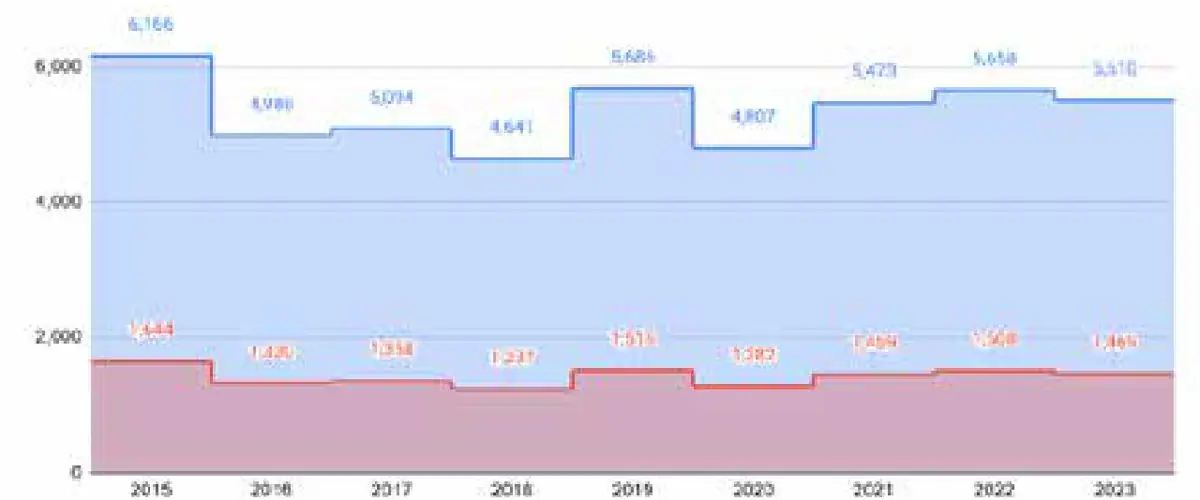
The effects on the public are substantial. “Between 2017 and 2022, more than 50,000 reports were submitted from hundreds of Israeli communities […] approximately 44,700 of them cited strong odors; about 21,200 reported breathing difficulties; and about 13,400 reported burning sensations in the eyes or respiratory system.”2 A December 2024 report by Israel’s Ministry of Health found that thousands of premature deaths in Israel each year are attributable to air pollution: “Between 2015 and 2023, Israel recorded between 4,641 and 6,166 premature deaths annually as a result of exposure to air pollution.”3
Data published by the Ministry of Environmental Protection in August 2022 further show: “Approximately 43% of airborne emissions of substances suspected or known to be carcinogenic—according to the Ministry’s 2021 emissions inventory and pollutant-release register—originated from the illegal burning of municipal waste in open areas in Israel.”4
Based on these figures, the State Comptroller estimated that pollutants originating from waste burning in Judea and Samaria accounted for roughly 62% of all waste-burning pollutants in Israel in 2022.5 A synthesis of these data indicates that about one-quarter (27%) of air-pollution-related deaths in Israel are linked to wasteburning emissions originating in Judea and Samaria.
Furthermore, Israel’s land area excluding Judea and Samaria is approximately 22,000 km2. The area of Judea and Samaria is about 5,800 km2—roughly one-quarter of the State of Israel and one-fifth of Greater Israel.Thus, if 62% of all pollutant emissions from waste burning originate in Judea and Samaria, this means that per-area emissions in Judea and Samaria are three times the national average, creating a disproportionate environmental and public-health burden.
The State Comptroller’s report highlights failures by the Civil Administration and the Ministry of Environmental Protection in advancing environmental projects. These failures certainly merit discussion; however, focusing exclusively on them—while ignoring the most critical factor of all, the Palestinian Authority—prevents the formulation of any effective solution.
air_quality_pm-2.5.pdf).
Waste and Geography
Waste-related hazards are present throughout Judea and Samaria, and their impact transcends geographic and political boundaries. Most reported incidents are concentrated in the Binyamin region and central Samaria. In northern Samaria and in the Judea region, the problem certainly exists, but obtaining a complete and accurate picture is difficult due to limited Israeli presence and restricted access to these areas. Nevertheless, reports in Arabic-language media and on social networks indicate that such hazards are widespread there as well.
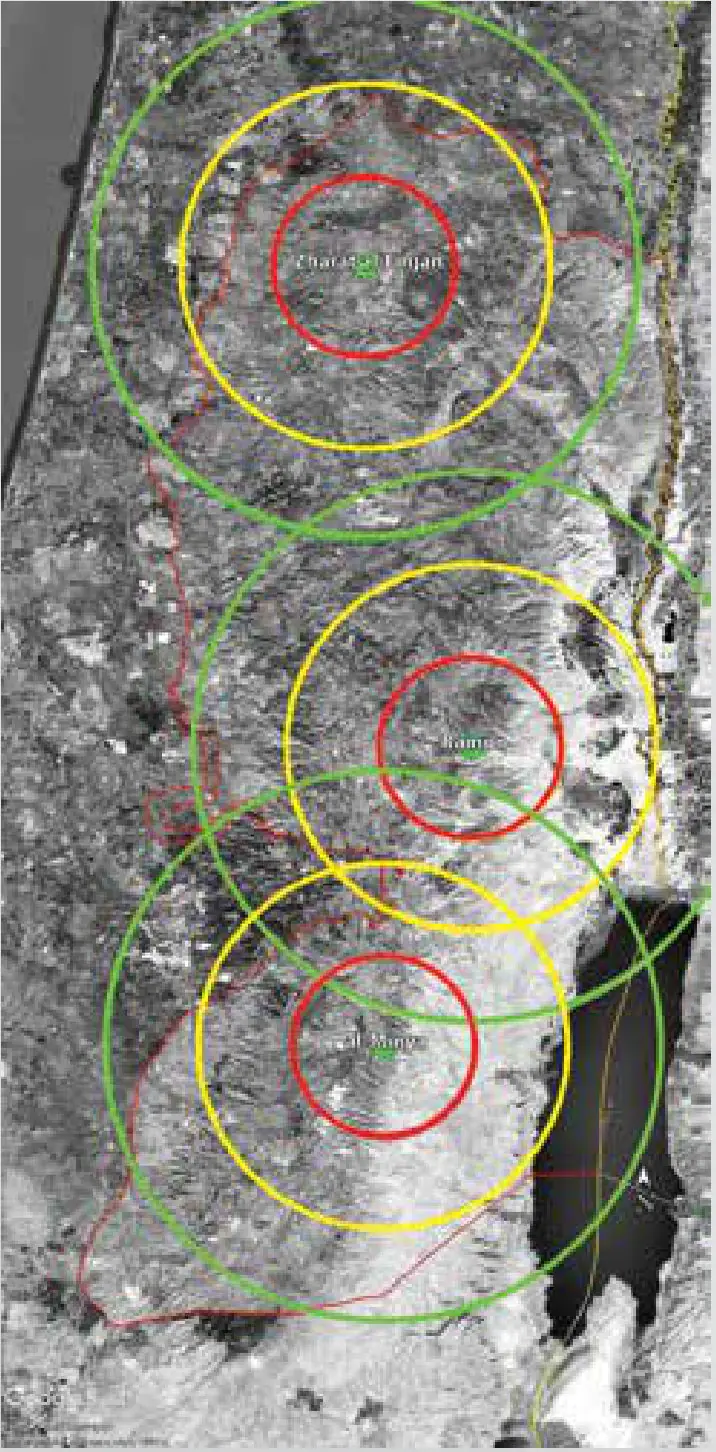
Note for this chapter:The geographic division used here— Shomron (Samaria), Binyamin, and Yehuda (Judea)—does not correspond to Israel’s municipal division into regional councils, nor to the Palestinian Authority’s district divisions. Instead, we follow the division used in the Master Plan for Palestinian Landfills in Judea and Samaria, which is more suitable for analyzing wastemanagement streams in the region.
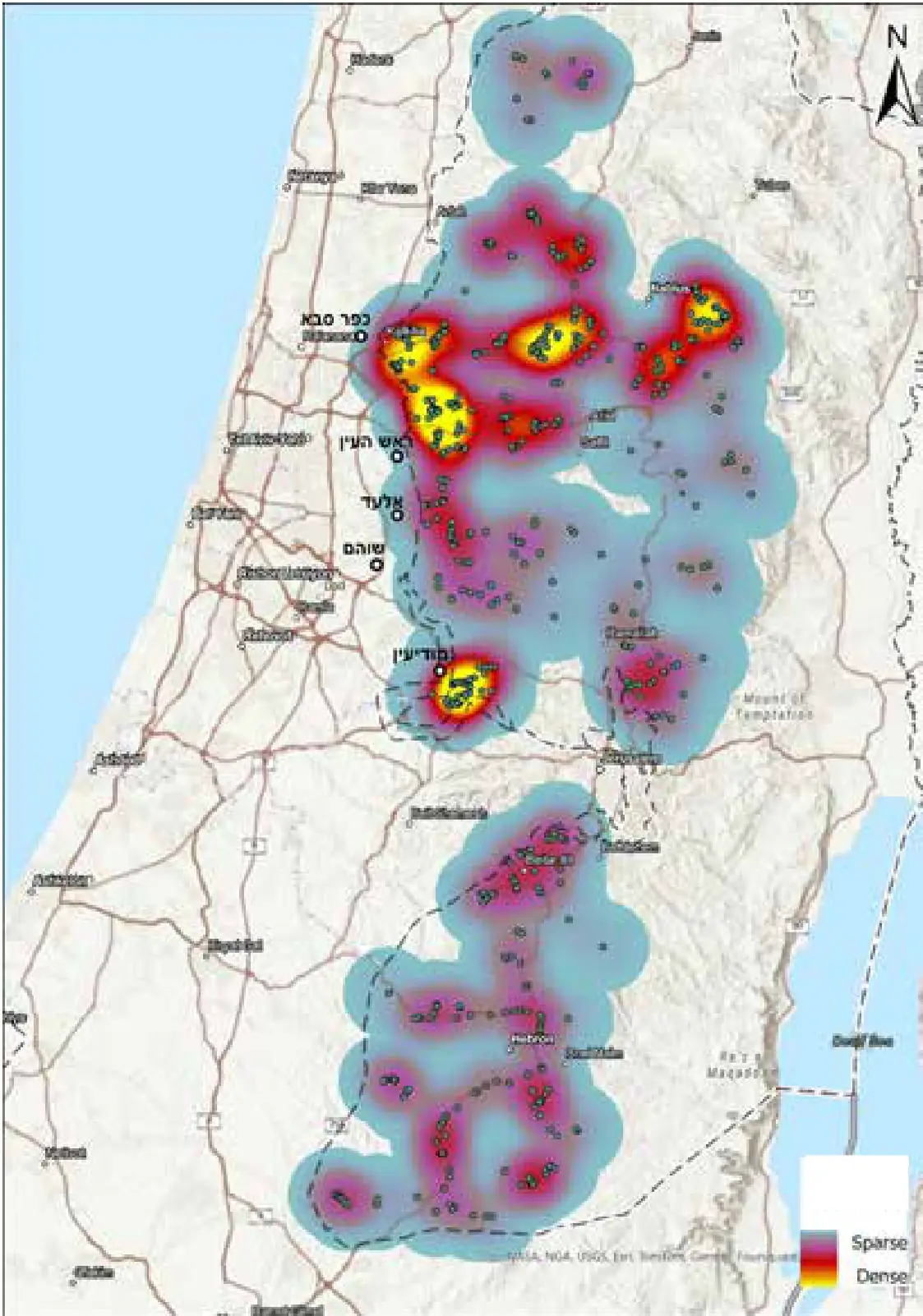
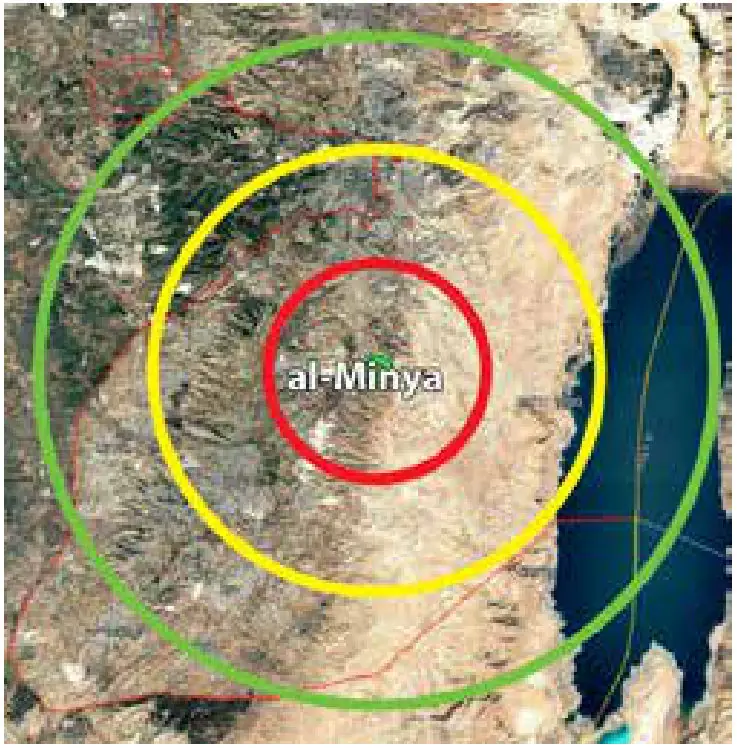
On the attached map, the three Palestinian wastedisposal sites are marked from north to south:
Zahrat al-Finjan (2007) – Shomron Ramon (planned but not built) – Binyamin al-Minya (2014) – Yehuda
The primary claim voiced by the Palestinian Authority and by certain official Israeli bodies—that the high volume of complaints in Binyamin stems from the absence of a central landfill for Palestinian waste—does not fully align with the facts on the ground. In both Shomron and Yehuda, two regulated landfills operate: the Zahrat al-Finjan landfill and the al-Minya landfill.
Despite their poor maintenance, these facilities serve as end-point sites that receive a substantial share of the waste from these areas. Yet both regions still contain numerous illegal dumps and unregulated disposal sites.This reality undermines the narrow claim that the sole cause of the problem in Binyamin is the absence of a regulated landfill. The State Comptroller’s report illustrated on a map the correlation between the distribution of waste-related nuisances and the origin of residents’ complaints.
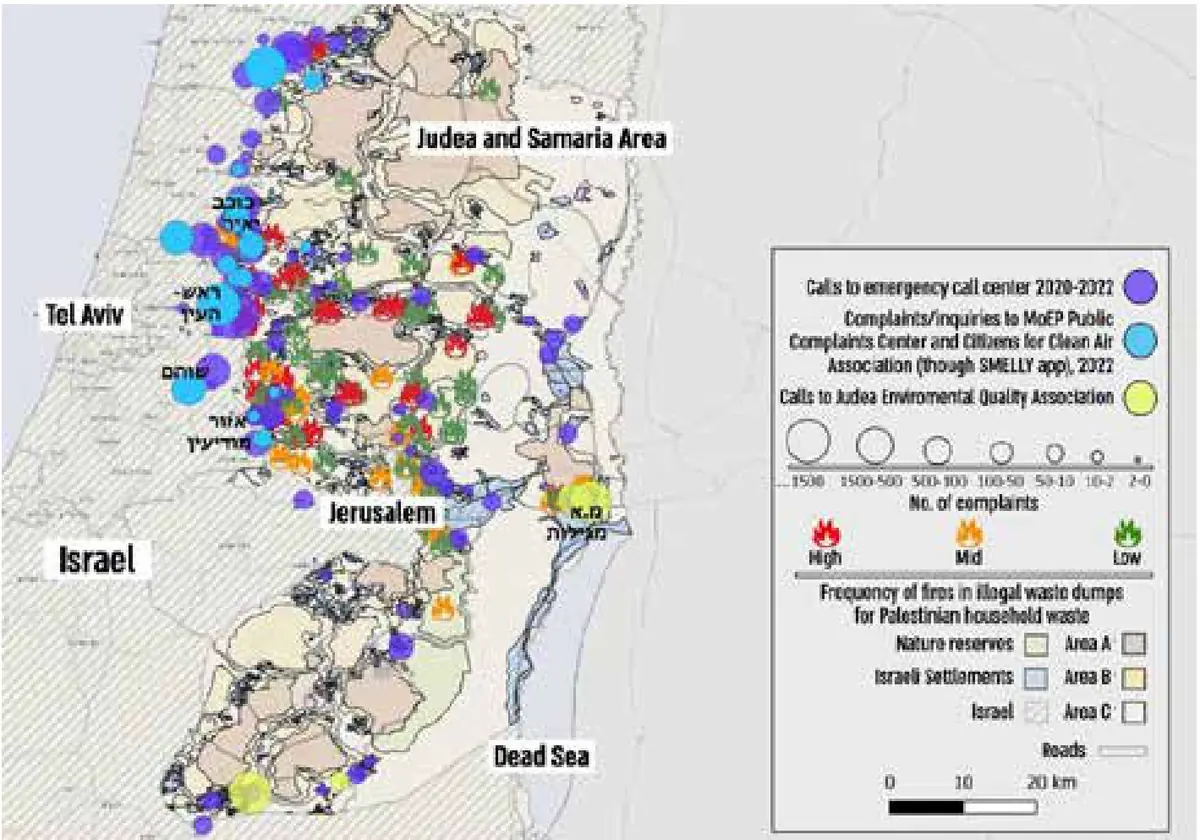
According to the Comptroller:“The map shows a correlation between areas in Judea and Samaria in which unregulated waste-disposal sites burned in 2022 and the Israeli communities from which the Ministry of Environmental Protection received inquiries regarding fires at waste sites, deteriorating air quality resulting from exposure to these nuisances, and physiological symptoms.”6
A comprehensive survey conducted by Green Now demonstrates that the map of nuisances is far broader than the map of residents’ reports. While a complaint is a clear indication of a complainant, the absence of a complaint does not indicate the absence of a nuisance. This finding underscores the importance of independent field research.
Samaria (Shomron)
Samaria, which we refer to herinafter by its Hebrew name Shomron, is the largest of the Judea and Samaria regions, and is characterized by continuous Arab settlement and an almost total absence of movement restrictions on the Palestinian population. Compared to other areas, these conditions create a favorable foundation for managing efficient waste streams. However—despite these promising conditions, the Palestinian Authority has failed in this regard.
Zahrat al-Finjan Landfill: Operational and Environmental Failure
In accordance with the PA’s master plan for waste treatment, the Zahrat al-Finjan landfill was established in 2007 between Arraba and Jenin. It was intended to replace private waste sites and improve environmental and public-health conditions.
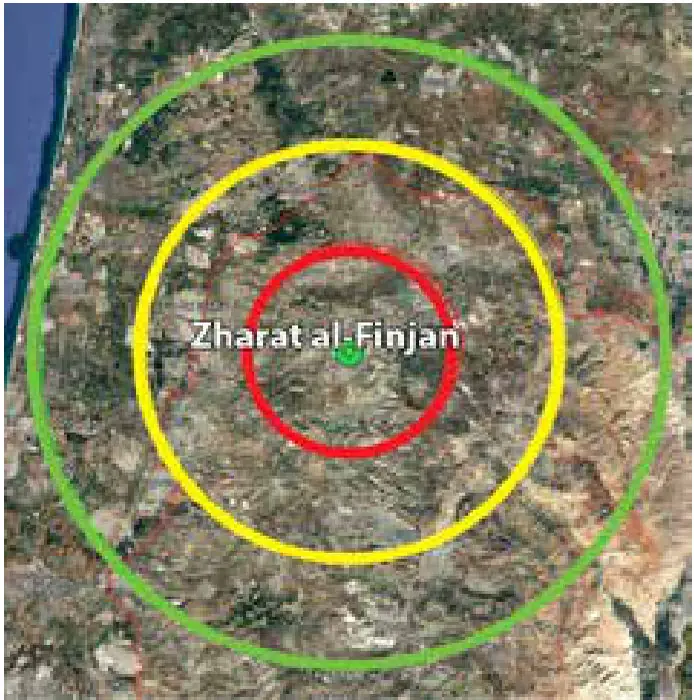
But the landfill failed at the planning stage itself: because it does not receive waste from all the cities and villages it was designed to serve, it exceeds its planned capacity significantly and handles 1,400 tons of waste per day.7
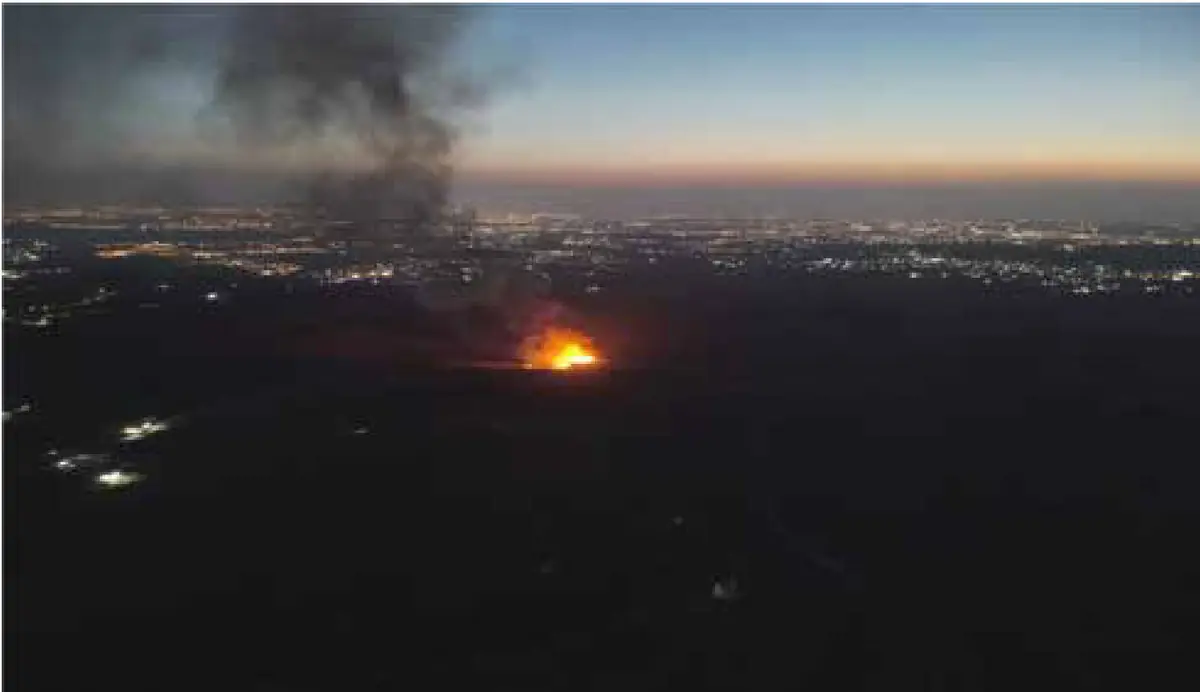
Combined with the absence of regulated treatment systems for leachate and gases, this overload causes severe air and groundwater pollution, the spread of pests and stray animals and increased fire risk. A major fire broke out at the site in October 2013, and another in September 2022—clear evidence of serious deficiencies and a lack of operational standards.8
Its location deep inside PA-controlled territory prevents Israeli inspection and oversight. Despite international assistance and funding, site operations are poor. This reflects a persistent failure by the Palestinian Authority to enforce environmental standards and properly manage facilities under its responsibility.
The Epidemic of Illegal Sites
Alongside the regulated Zahrat al-Finjan landfill, Samaria—like the other regions of Judea and Samaria—suffers from an epidemic of illegal dumping and burial sites. According to 2020 data, approximately 32% of Palestinian municipal waste is disposed of in such sites.9 These sites operate without any oversight or treatment and constitute a direct source of air, soil, and water pollution. Their very existence is evidence of the Palestinian Authority’s failure to enforce its own laws and of its inability to provide even the most basic municipal service: regulated, safe waste disposal.
Binyamin
The Binyamin region is the heart of Judea and Samaria, home to the Ramallah–al-Bireh metropolitan area, the administrative and political center of the Palestinian Authority. The region is populated by hundreds of thousands of Arabs and approximately 170,000 Israeli residents. Unlike Samaria, Areas A and B under Palestinian Authority control are more geographically dispersed, and this dispersion presents significant planning and operational challenges for the management of infrastructure—including waste-stream processing. Yet the very fact that Ramallah serves as the governing hub ostensibly makes Benjamin the area in which the PA should be able to exercise its administrative functions most effectively.
The Ramon Landfill: A Political–Environmental Failure
In the PA’s master plan for waste management, the Ramon landfill was designated for construction in eastern Benjamin, near the Wadi Makukh nature reserve. The facility was intended to serve the Ramallah–al-Bireh district and to replace numerous illegal dumping sites. However, the project encountered prolonged delays and disputes, and in practice the Palestinian Authority failed to build it.
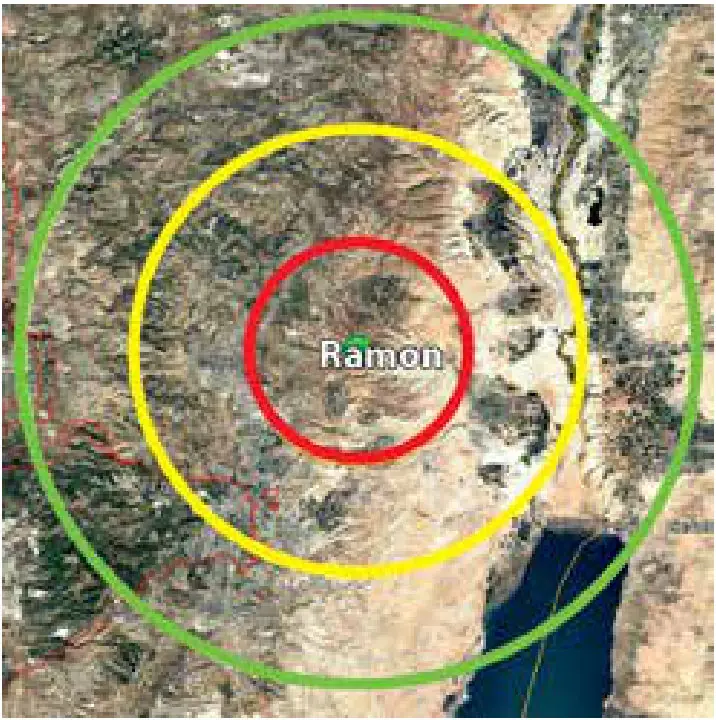
Although Israel’s High Court of Justice rejected both Israeli and Palestinian petitions regarding environmental risks and concerns over land-ownership rights,10 one central dispute remained unresolved: the exclusivity of the site’s use. Israel demanded that the facility serve all populations in the area, whereas the PA refused any form of cooperation, claiming such a step would constitute de facto recognition of Israeli settlements. The PA’s failure to construct the facility—despite pledged international funding and assistance—indicates not only administrative dysfunction but also the politicization of a vital environmental issue. From the PA’s perspective, environmental hazards are preferable to cooperation with Israel.
The absurdity of the PA’s position is highlighted even more clearly when compared with the situation at the al-Minya landfill in Judea, where a similar facility accepts waste from Israeli municipalities, and where operations are viable largely thanks to these municipalities, which constitute the most stable paying clients.
Contradiction Between Official Statements and Reality on the Ground
Meanwhile, the Palestinian Authority attempts to have it both ways. On the one hand, it argues that a landfill for the Palestinian population is essential and, due to the alleged absence of suitable land in areas under its control, must be constructed in Area C, adjacent to Israeli communities. On the other hand, it refuses to allow the facility to serve Israeli residents—despite the fact that these are the very residents who will face the environmental risks associated with the landfill’s establishment.
In this context, the Ma‘an News Agency quoted Dr. al-Qawasmi, the PA Minister of Local Government: “This is an important landfill, and its most notable feature is that it will be established in an area classified as C, which reflects the government's commitment to operating in this area.”11
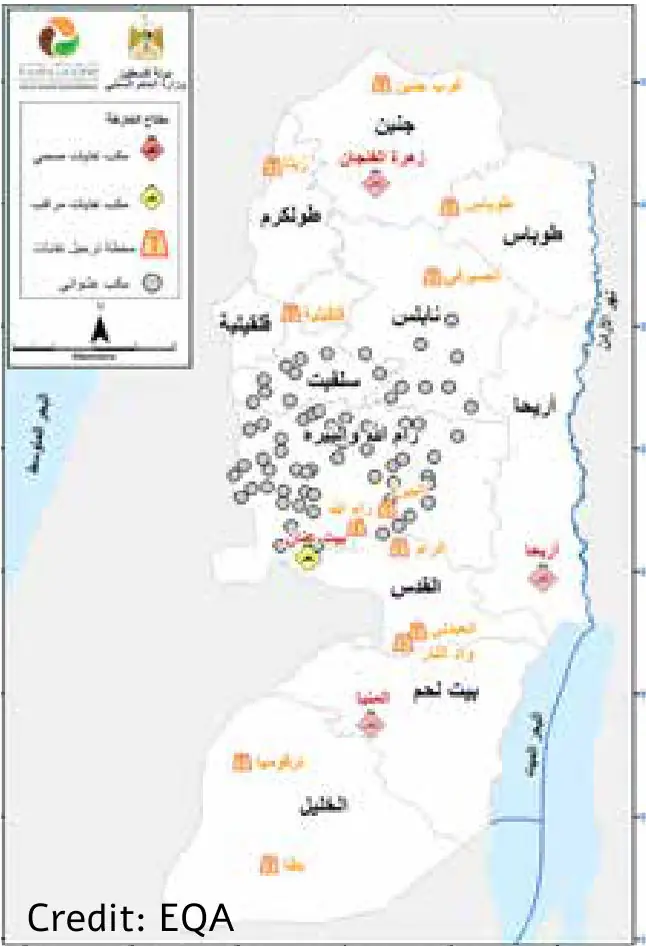
Likewise, the Palestinian Environmental Quality Authority (EQA) formulated its accusation against Israel regarding the Ramon landfill as follows:
“It is important to emphasize that Israel’s opposition to constructing a regulated landfill in the central districts of the West Bank (Ramon landfill) is the primary reason that many local authorities and joint service councils in the central districts are forced to transport their waste over long distances.”12 This claim was also illustrated in a map attached to the EQA’s report. Yet field surveys paint an entirely different picture. Contrary to the map, in Samaria and Judea—where regulated landfills do exist—dozens of illegal landfills and dumping sites continue to operate. If a regulated site were truly the solution, as the PA argues, one would expect the illegal sites to disappear. But this is not the case, as clearly shown in the waste-hazard survey map produced by Green Now in Judea.
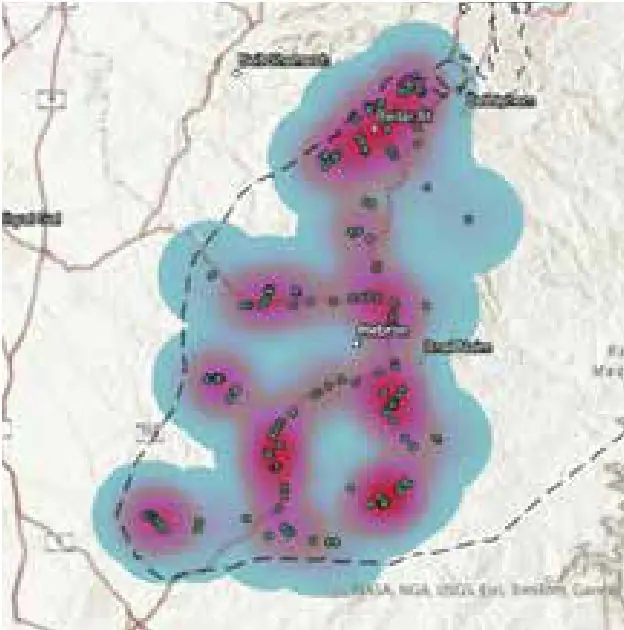
Moreover, the same EQA report acknowledges that a number of the active dumping sites are “recognized,” even if not regulated. A landfill that does not operate in accordance with environmental standards poses severe hazards, but a landscape dotted with many such landfills is exponentially worse. Even under current conditions, if the PA sought to reduce the problem—by its own logic—it could divert waste streams to several sites it already recognizes. For example, the regulated al-Minya landfill, with its full set of facilities, spans roughly 276 dunams and processes 1,300 tons of waste per day, at least ostensibly in accordance with standards. In the Benjamin region, an area of similar size contains 19 illegal landfills and dumping sites (representing only a portion of the waste sites in that area), which collectively process fewer than 170 tons of waste per day and meet no environmental standard whatsoever.13 On 13 November 2022, the al-Arabiya network aired a report discussing burning waste sites in Judea and Samaria.14 The report claimed that the PA is unable to address the hazard because the burning sites are located in Area C:
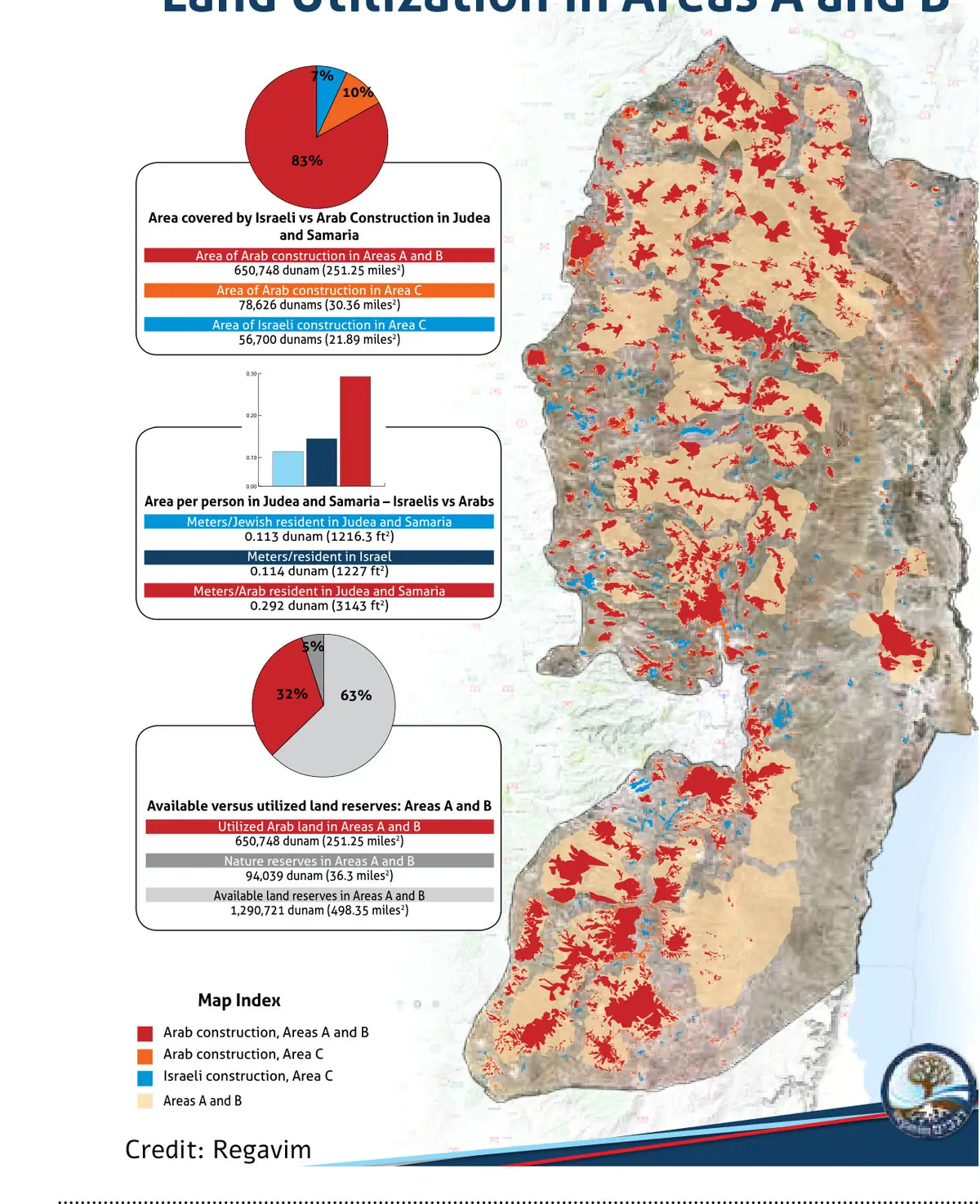
“Illegal dumping sites are widespread in the West Bank and concentrated in Area C, which is under the control of the occupation authorities, without oversight of the types of waste being buried, and they pose a threat to the environment and water sources.” If oversight is truly so important to the PA, its insistence on establishing landfills specifically in Area C is puzzling—given that most Areas A and B consist of open land, as demonstrated in a study conducted by the Regavim Movement15 and visible in the accompanying map from the report.
Judea
Judea contains the second-largest metropolitan area after Jerusalem: Hebron. In terms of the continuity of Palestinian settlement, Judea ranks second only to Samaria. Under these conditions, it is easier to plan and direct waste streams.
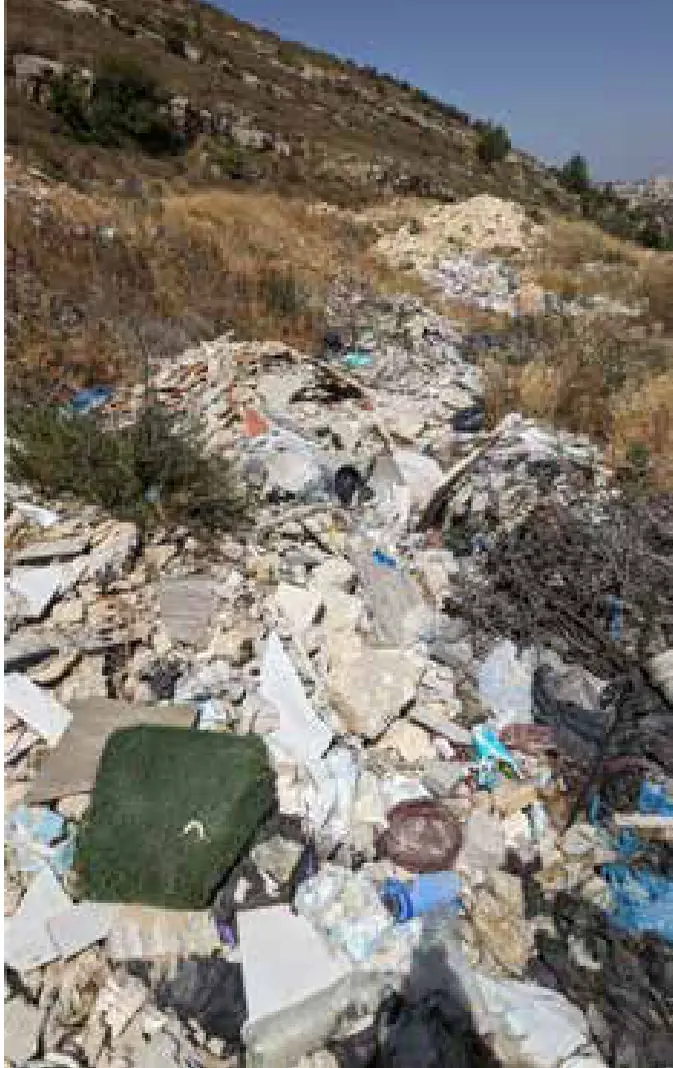
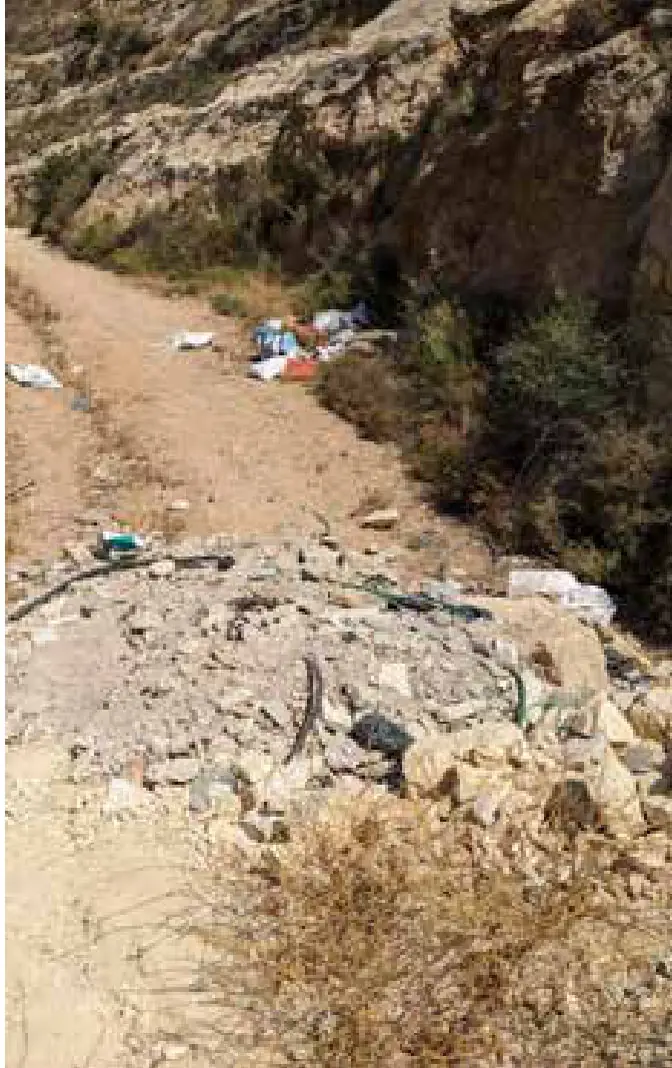
Since the outbreak of the Swords of Iron war, Palestinian sources have claimed that the IDF restricts their movement and prevents them from transporting waste to regulated disposal sites. A survey conducted by Green Now in 2025 confirmed that many secondary roads had indeed been blocked. However, the survey also indicates that these security measures actually reduced the spread of environmental hazards, or at the very least prevented access to illegal dumping sites located deep within open terrain. One example is the eastern dumping ground of the village of Nahalin, where the access road was blocked for security reasons. As a result, waste dumping ceased, and vegetation has since grown over the old piles of trash.
The al-Minya Landfill
In 2014, the al-Minya landfill opened east of Gush Etzion to receive waste. The site— established in Area C with the approval of the Civil Administration and funded by the World Bank— processes approximately 1,300 tons of waste per day.16
The opening of the site was delayed for two years due to a dispute regarding the use of the facility for waste originating from Israeli municipalities.17 Even after the the IDF broke open the gates and secure the entry of Israeli waste trucks, a formal resolution was never achieved.18 In practice, Israeli municipalities send waste to the site through a third-party intermediary, paying a much higher fee than the Palestinian municipalities (NIS 150 per ton for Israeli waste compared to NIS 50 per ton for Palestinian waste). These revenues are critical for the landfill’s operation.19
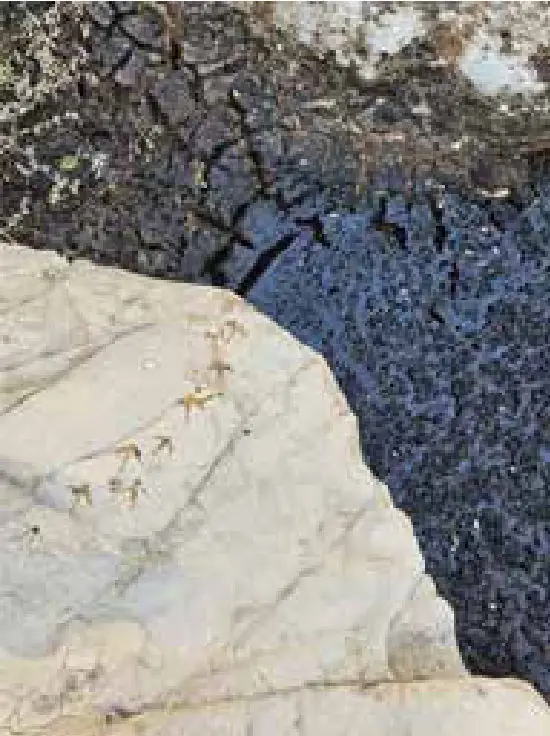
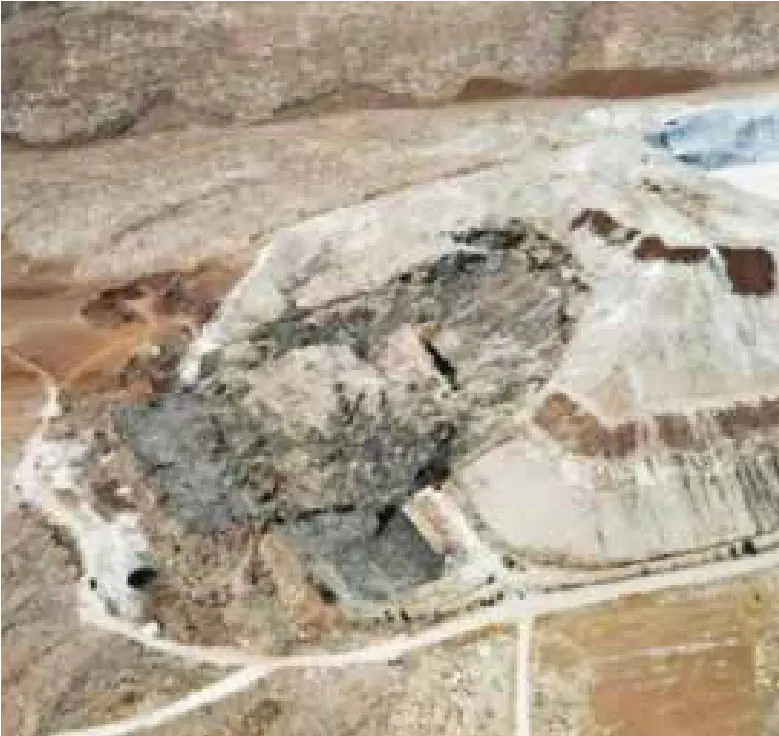
The al-Minya site is responsible for one of the largest environmental catastrophes in Judea and Samaria. On 16 August 2024, the landfill’s eastern retaining wall collapsed into the leachate pools beneath it, releasing large quantities of contaminants into the Amos and Darga streambeds.20 Nearly a year later, the site had not been rehabilitated, and the leachate pools remained inoperative.
This disaster was entirely preventable. Numerous bodies—including Green Now and the Kfar Etzion Field School—had warned for years about the site’s mismanagement. Off the record, official professionals involved in environmental issues in Judea and Samaria have repeatedly stated that transferring infrastructure for pollutant treatment (waste and sewage) to Palestinian Authority management guarantees an environmental disaster; only the timing of the collapse is unknown.
Chapter Two: Developing-World Syndrome
Pages 25–29
The Palestinian Authority (PA), like any organization or society, reflects the culture from which it emerges and exhibits certain characteristic patterns. In environmental matters, however, it resembles other developing-world states and entities across the globe. In such environments, environmental problems persist not because of a lack of resources, but because solutions do not serve the interests of either the public or the governing institutions.
Attempting to disconnect the environmental crisis in Judea and Samaria from this broader context—and to view it either as a unique phenomenon or merely as an offshoot of the Israeli–Palestinian conflict—precludes any possibility of achieving genuine solutions. It diverts the discussion away from the institutional and cultural factors that are at the core of the problem and that stem from governance patterns typical of developing-world regimes, of which the Palestinian Authority is a clear example.
The arguments presented in this chapter are not new. Economist William Easterly articulated them clearly: in developing-world states and entities, the incentives shaping decision-making are not fundamentally different from those in developed countries.“People do what they are paid to do; what they are not paid to do—they do not do.”21
Yet in developing states, the concepts of work and compensation may take on different meanings. Easterly writes:“Research findings show that societal economic growth does not always translate into personal gain for government officials, aid donors, private businesses, or households. Incentives often push them in other— nonproductive—directions.”22
In the introduction to his book, Easterly states explicitly: “I am not going to say anything about the environment. I tried to address environmental issues in earlier drafts of the book but found I had nothing meaningful to contribute.23” We disagree. Easterly’s insights are highly relevant to environmental policy and offer a persuasive explanation for the behavior of the Palestinian Authority in relation to the environmental situation in Judea and Samaria.
The Environmental Incentives Pyramid in Developing Societies
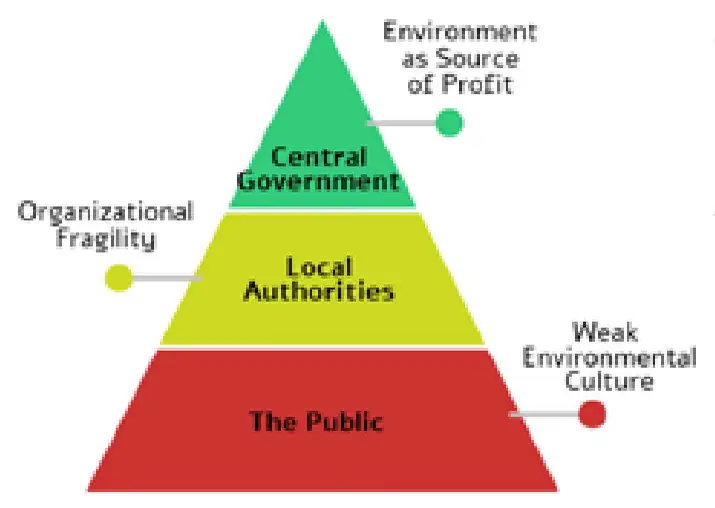
The combination of an underdeveloped environmental culture at the public level and weak institutional capacity at the local level produces a situation in which there is little interest in environmental issues among the public, while the central government extracts political or financial gain from the persistence of environmental problems.
The Public — Weak Environmental Culture
Among the Palestinian public, environmental awareness is extremely low. Public spaces—streets, neighborhoods, rural roads—are heavily littered. Attempts to attribute blame solely to institutional failure (local authorities, the PA, or the State of Israel) overlook the foundational cultural layer of the pyramid: a deeply rooted local norm that views public space as an acceptable endpoint for disposing of all types of waste.
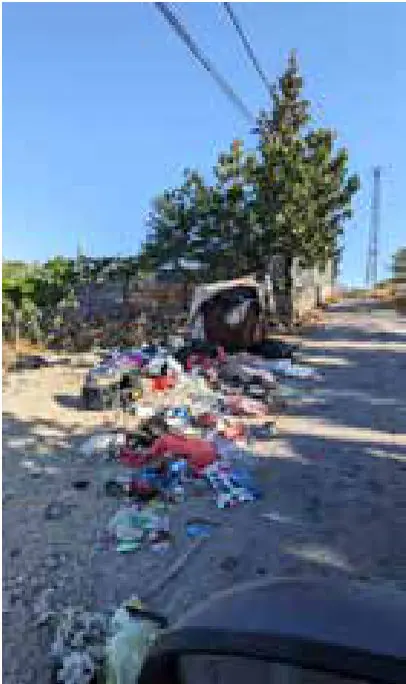
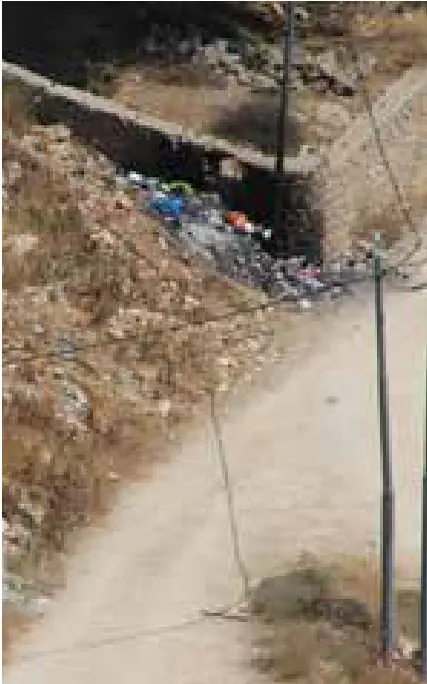
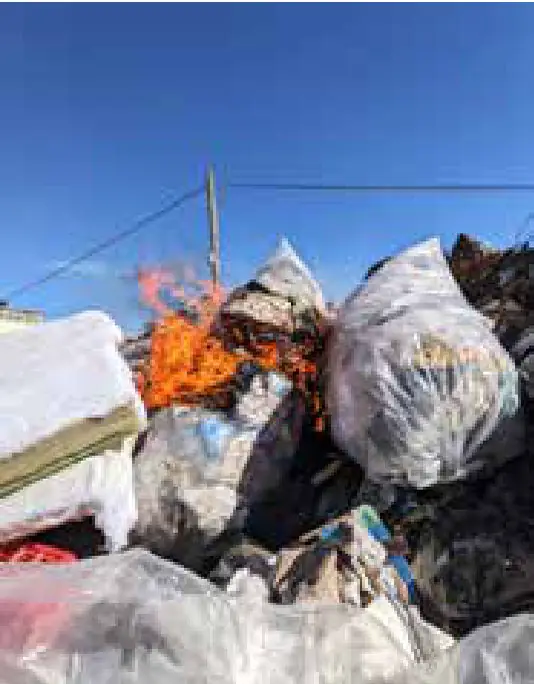
A study conducted in Nablus found:“Approximately 70% of respondents admitted that they dispose of waste in the streets, although at varying frequencies and for different reasons. These figures likely underrepresent the true extent of improper waste disposal, as some respondents may have been reluctant to answer honestly. Overall, the findings reflect a widespread phenomenon of waste dumping.”24
Conditions observed on the ground—waste of all kinds scattered throughout streets and along roadways—corroborate these findings.25
2. Local Authorities — Organizational Weakness
With respect to waste management, Palestinian local authorities find themselves navigating between a public largely indifferent to environmental issues, and a central government unwilling to budget for proper waste services. Under these conditions, both the public and the PA are satisfied with makeshift, localized solutions. Unlike Israel—where waste removal is the most basic municipal service—many Palestinian municipalities must first provide more
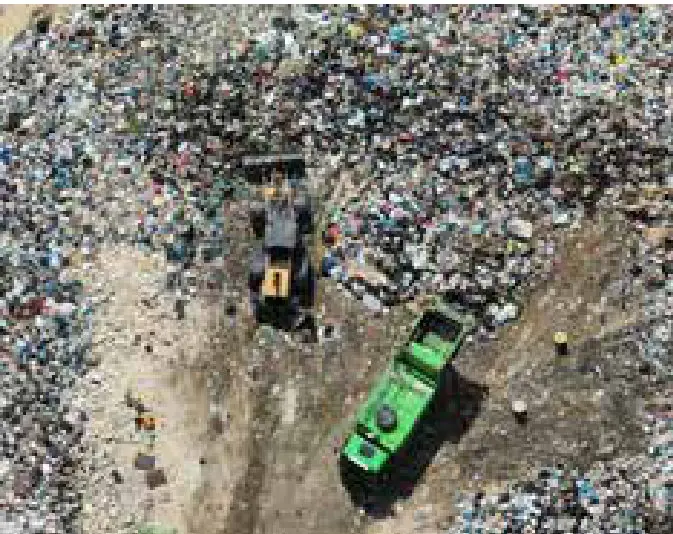
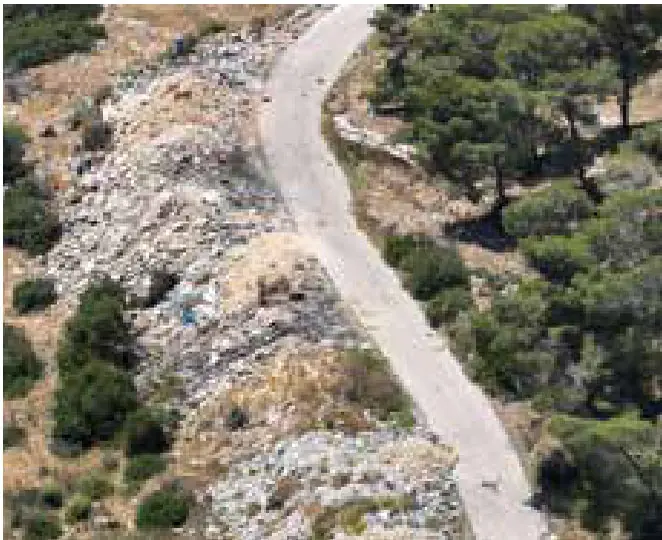
fundamental services such as water and electricity.26 Palestinian residents place higher priority on these utilities and are willing to pay more consistently for them, but they are far more willing to compromise on waste management.27 Weak collection systems and inadequate budget transfers from the PA leave local authorities with very few resources to manage waste.28
According to data collected by the Palestinian Ministry of Local Government (MoLG) and published in the PA’s Environmental Quality Authority (EQA) report:“The Ministry of Local Government noted that in 2022 the total capacity of solid-waste collection vehicles in the service areas of joint-service councils reached 1,712 tons. However, a 24% shortfall in collection-vehicle capacity was recorded in these areas.”29
Central Government — Environment as a Source of Profit
The Palestinian Authority is not a bystander with respect to environmental hazards in Judea and Samaria. While it does formally maintain an environmental agency, it also plays an active role in perpetuating environmental hazards and profits directly from them. A recurring characteristic of developing-world governments is greenwashing—portraying an environmentally responsible image without implementing meaningful reforms. Environmental rhetoric is used to attract foreign funding, even when that funding does not reach the intended projects.30
A prominent example is the Zahrat al-Finjan and al-Minya landfills. Both were established with substantial investment from donor states. Yet neither meets the environmental standards of the very countries that funded them—and as described in Chapter One, both sites have experienced severe environmental failures.
Chapter Three: The Catalog
Pages 30–139
This chapter is the core of the report. As shown in the previous chapters, the territory of Judea and Samaria is filled with waste sites of every kind. However, this Catalog does not include all of the unregulated sites; a complete documentation of every site would produce an excessively long and unwieldy document. We therefore chose to focus on a selection of waste sites with regional or local significance, which represent the most common types found across the entire area.
Among the various waste hazards, two categories stand out for their severity: mixed domestic waste and electronic waste. Each of these waste streams is driven by different factors, and due to the limited scope of this report and the need to prioritize, we focus primarily on the more urgent issue—mixed domestic waste. Even so, the Catalog does include one site dedicated to the burning of electronic waste (ʿArab al-Jahelin), along with several additional sites showing clear signs of e-waste combustion.
The Catalog can convey only a partial picture of these sites—its pages cannot capture their stench or the full extent of the harm they inflict. Still, we hope that the pages before you succeed in illustrating the scale of the ecological disaster unfolding in Judea and Samaria every day.
The Waste Cycle—Complete and Broken
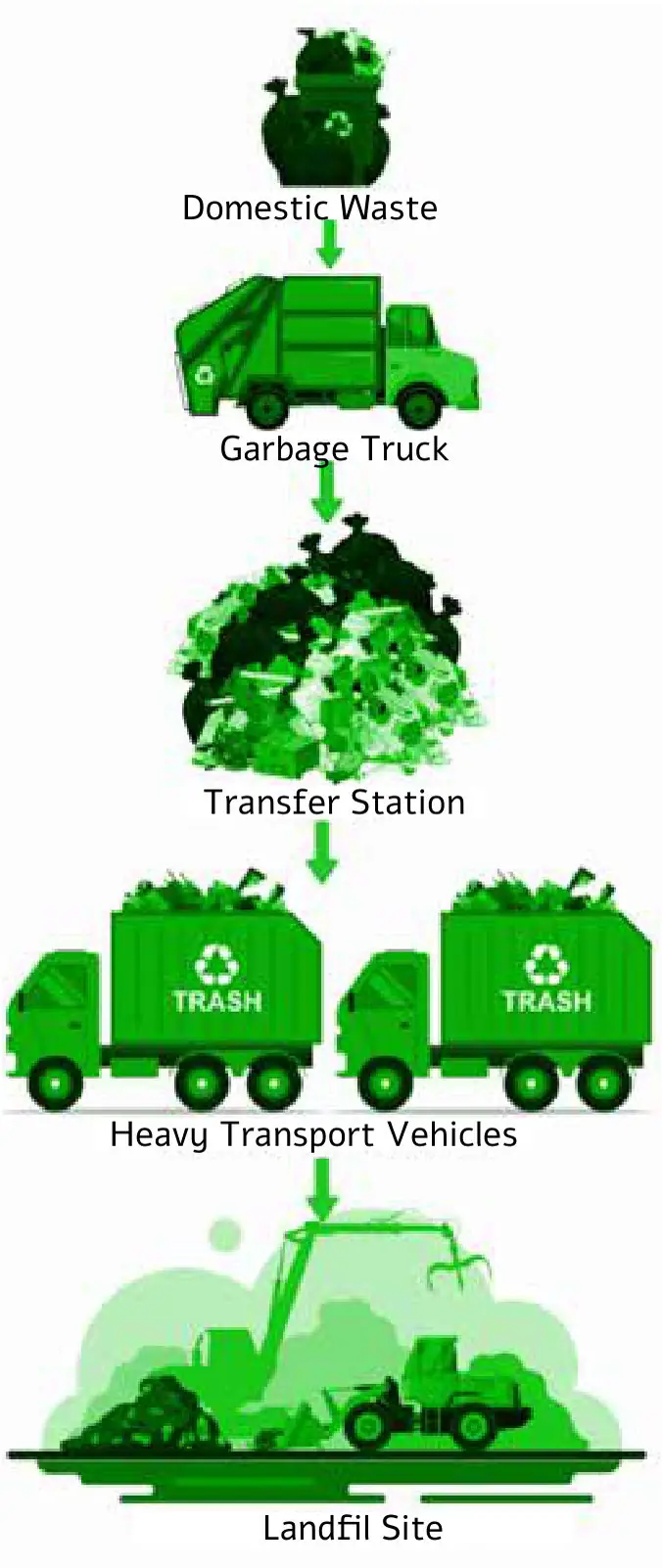
A complete waste-management cycle should include at least five stages, from the home to the landfill:
- 1. A central bin collecting waste from one or several households.
- 2. A compactor truck for emptying bins and transporting waste to the transfer station.
- 3. A transfer station for concentrating municipal waste.
- 4. Heavy trucks transporting waste from the transfer station to the final disposal site.
- 5. A final disposal site—typically a landfill.
A more advanced waste cycle includes separation at source, at the domestic level, with each waste stream directed to a treatment facility tailored to its type.
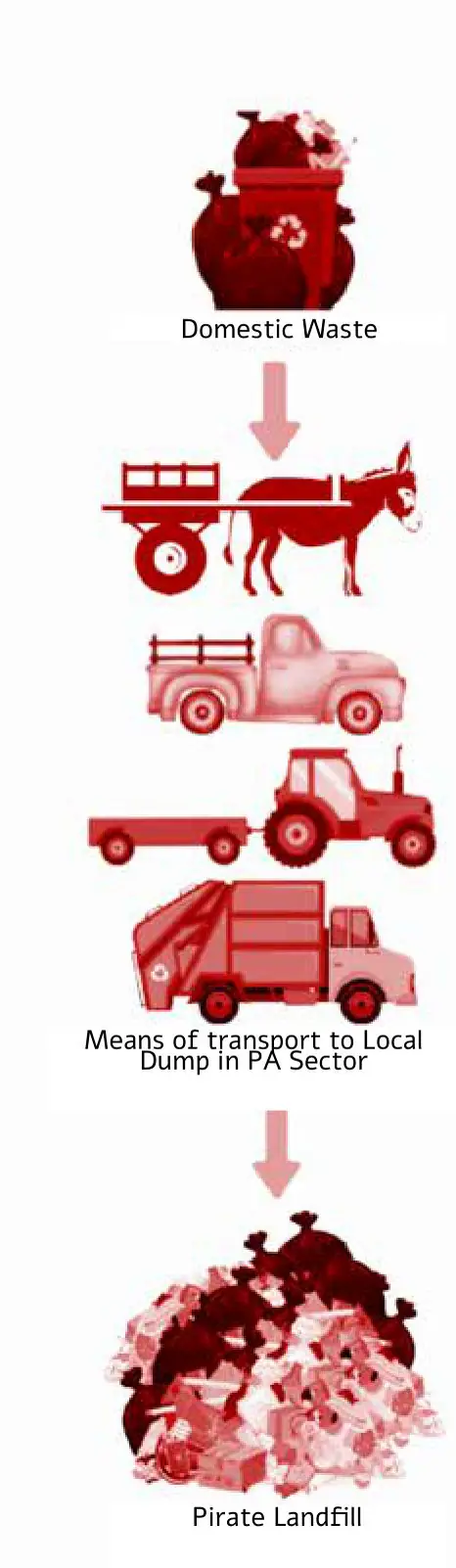
If no separation at source occurs, mixed waste is sorted at the transfer station, which also functions as a sorting facility, and each waste stream is then directed to an appropriate final disposal site. In general, the more complete the cycle, the smaller the volume of waste deposited in landfills, and the more the waste-handling stages operate according to advanced standards.
The complete cycle is a product of the developed world. Humans have managed to distance the waste they generate from their living space. But in premodern societies—and today in developing countries—the local culture lacks the awareness, means, and tools, both administrative and physical, to establish centralized waste sites and transport waste from local collection points to those sites.
As shown in Chapter Two, given the lack of public interest and the absence of financial support from the Palestinian Authority, Palestinian local authorities have no political incentive to address the waste produced within their jurisdictions, and they typically lack the managerial and physical capacity to do so.
Means of transport to local dump in PA rural sector Illegal dump or landfill The Palestinian waste cycle usually ends after three stages at most, which is why we define it as a broken waste cycle. In many Palestinian local authorities—especially in smaller villages—household waste bins are not provided, and no municipal collection services transport waste to the local dump.
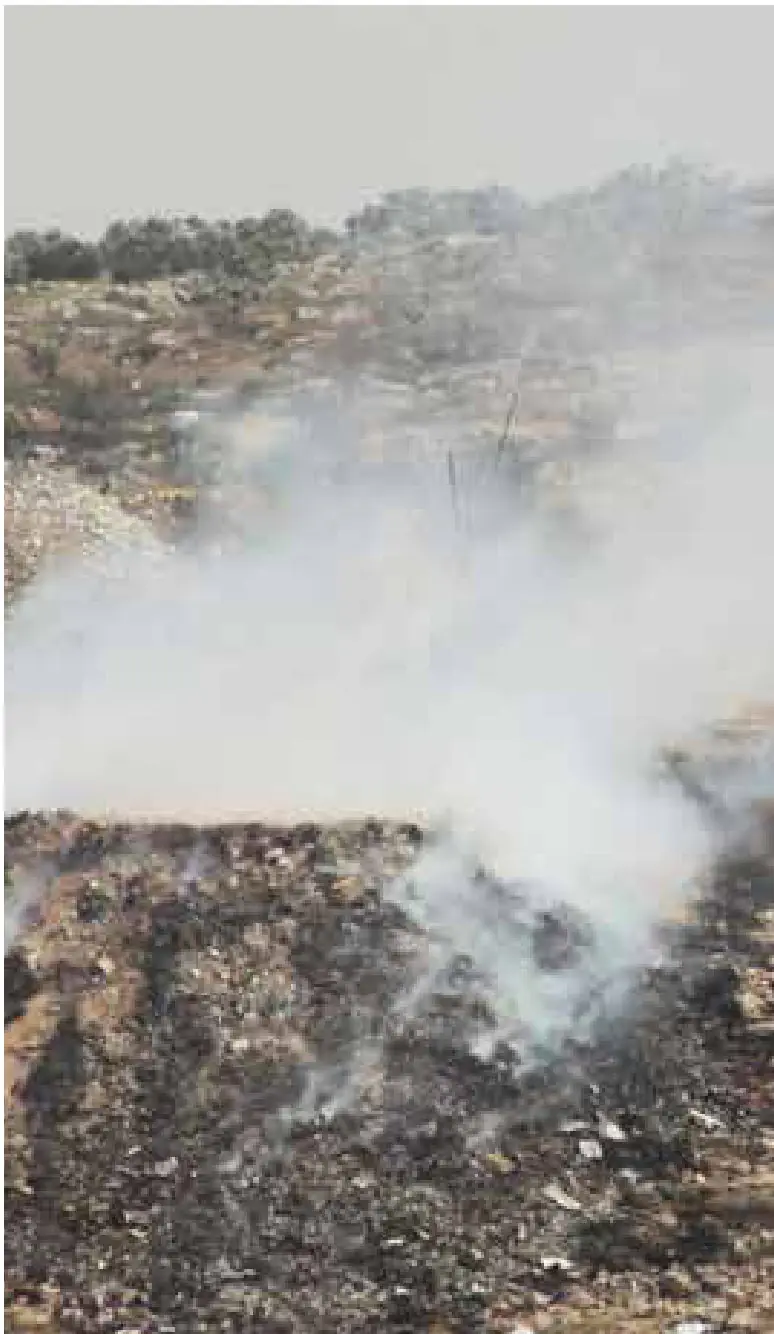
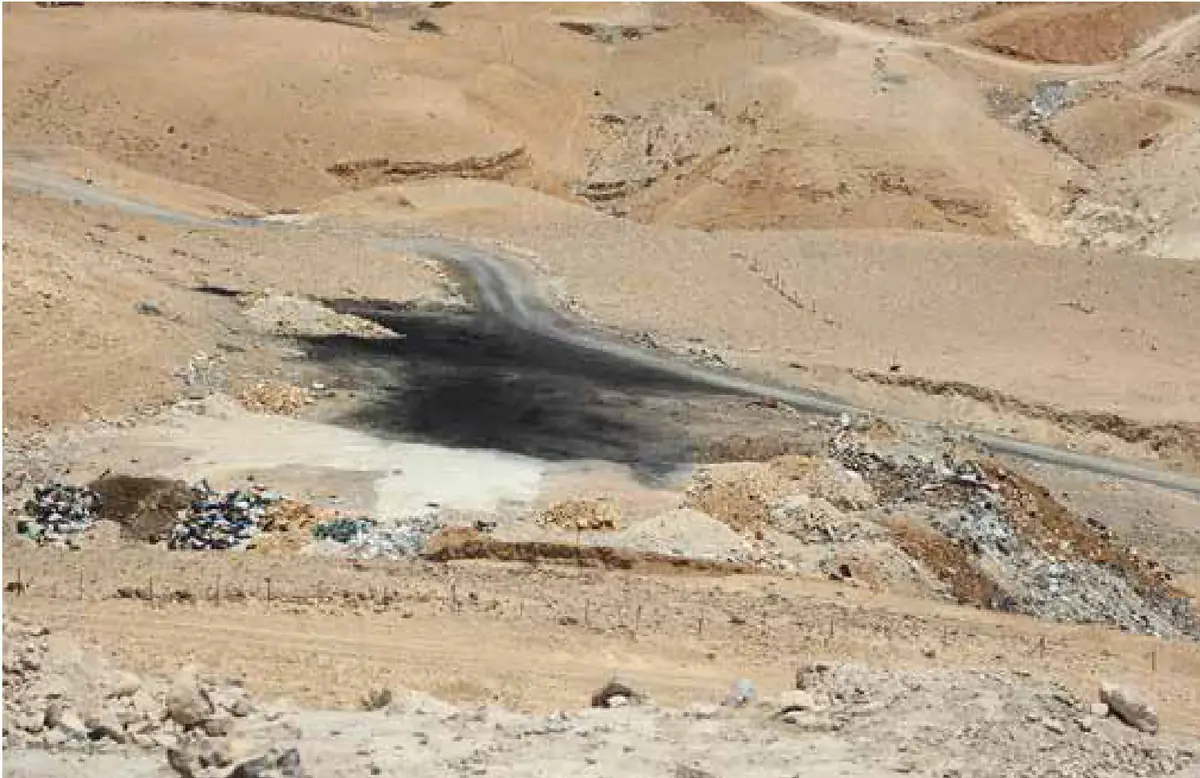
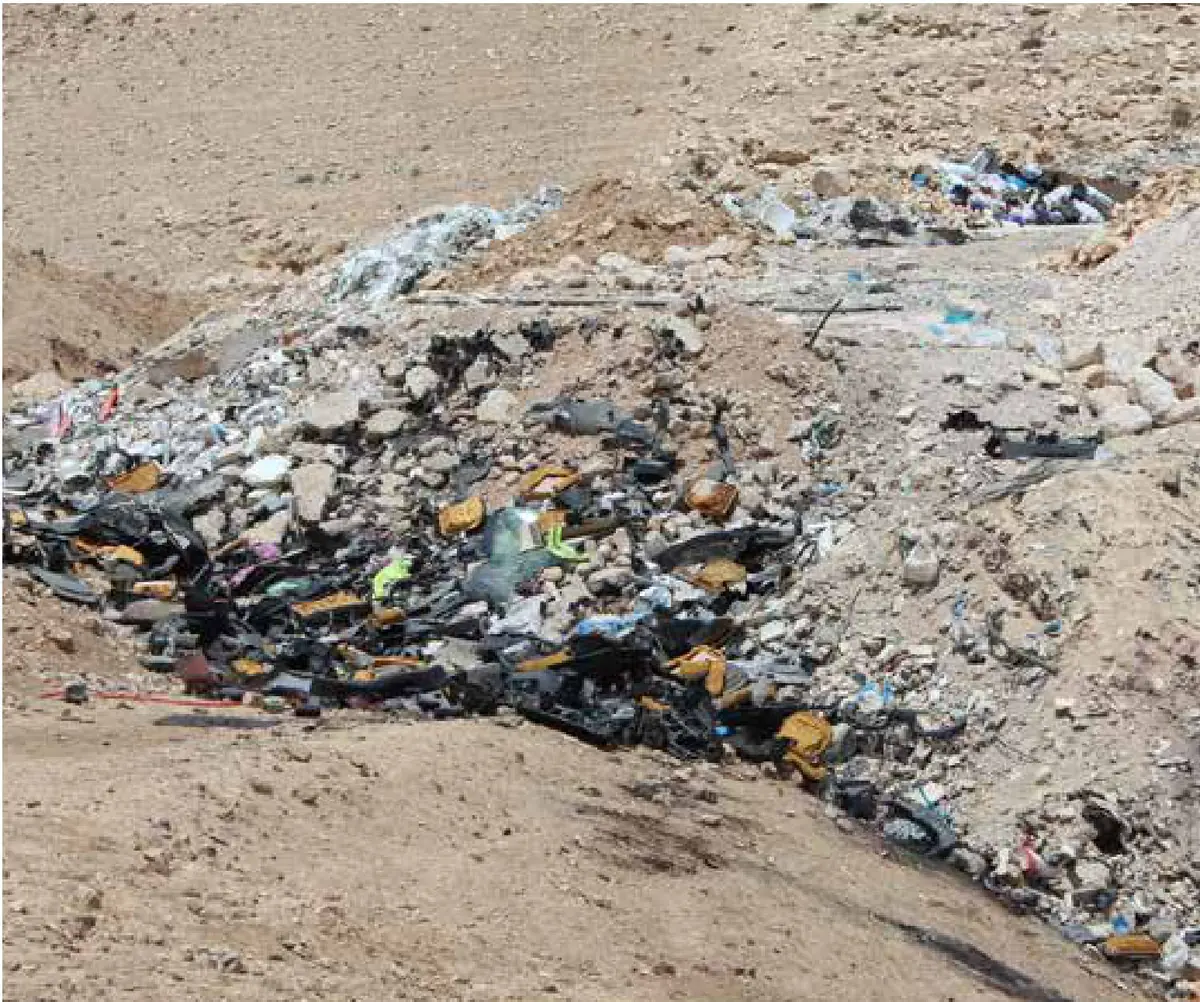
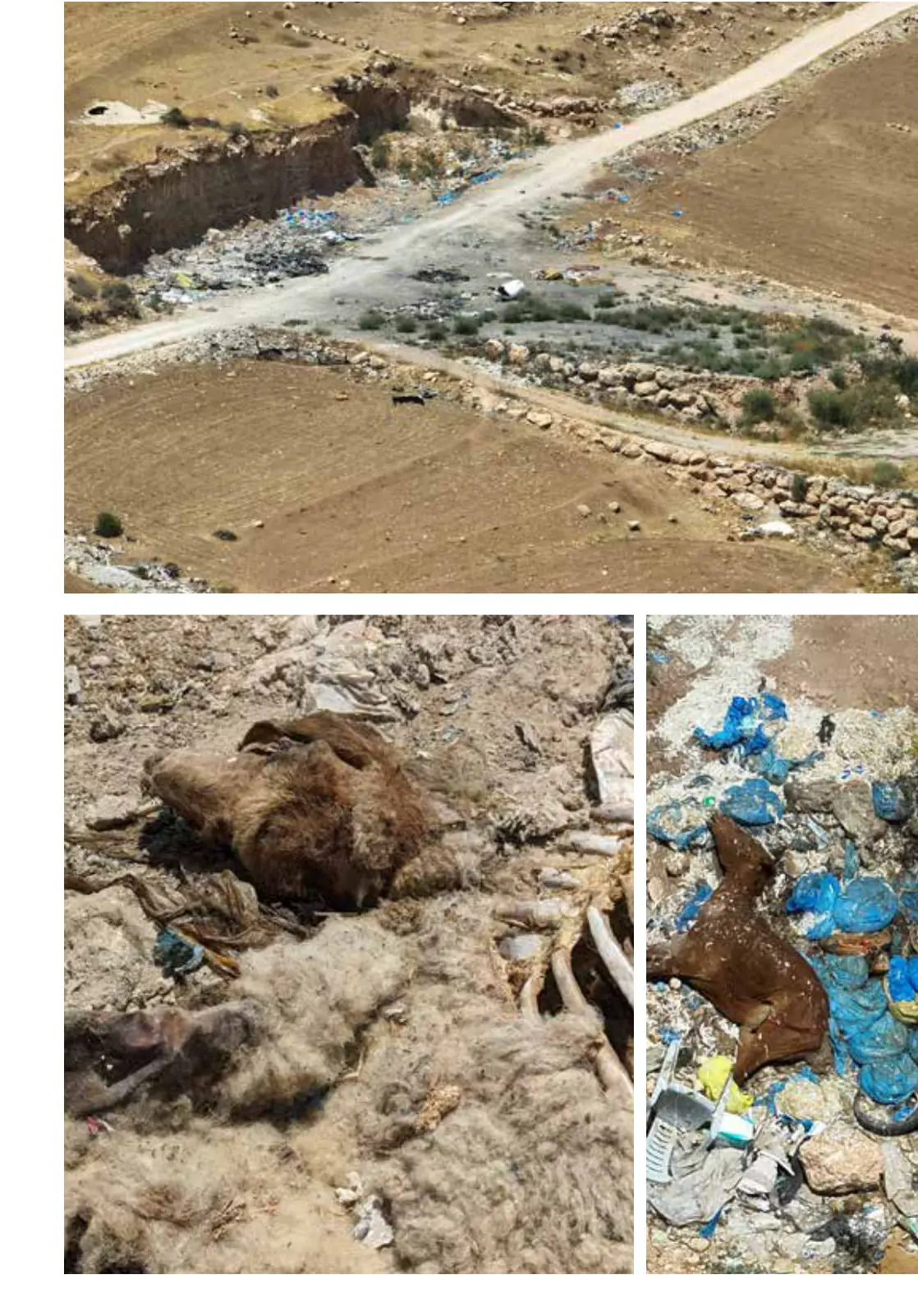
Under these conditions, waste finds its way to the roadside, where it is dumped and burned in the worst cases, or in better cases transported—privately or even by municipal means—to the local dump. To deal with the growing volume of waste, site operators set it on fire periodically to reduce its volume. Examples of such sites can be found in the Catalog: Sites 1, 2, 3, 15, 33, and others.
Sometimes a site is more organized and functions de facto as a landfill, though even at these sites fires are extremely common. Examples include Sites 5, 6, 8, 22, and 23.
Above these sites, and below fully regulated sanitary landfills, are disposal sites that the Palestinian Authority considers “recognized sites,” meaning full-fledged final disposal sites. Yet these sites lack basic sanitary elements such as lining membranes, leachate collection ponds, and gas-venting systems. Notable examples include Sites 17 and 34 in the Catalog.
Chapter Nine describes an additional mechanism unique to Judea and Samaria: the transformation of unregulated Palestinian dumping sites into de facto landfills by the Civil Administration—using its budget—during attempts to cover burning waste. Examples of such sites include Sites 12, 16, and 30.
General Notes on the Catalog
- 1. The Catalog includes 52 representative sites—approximately 10% of all sites documented in the Green Now database.
- 2. Some of the sites were surveyed for the first time specifically for this Catalog.
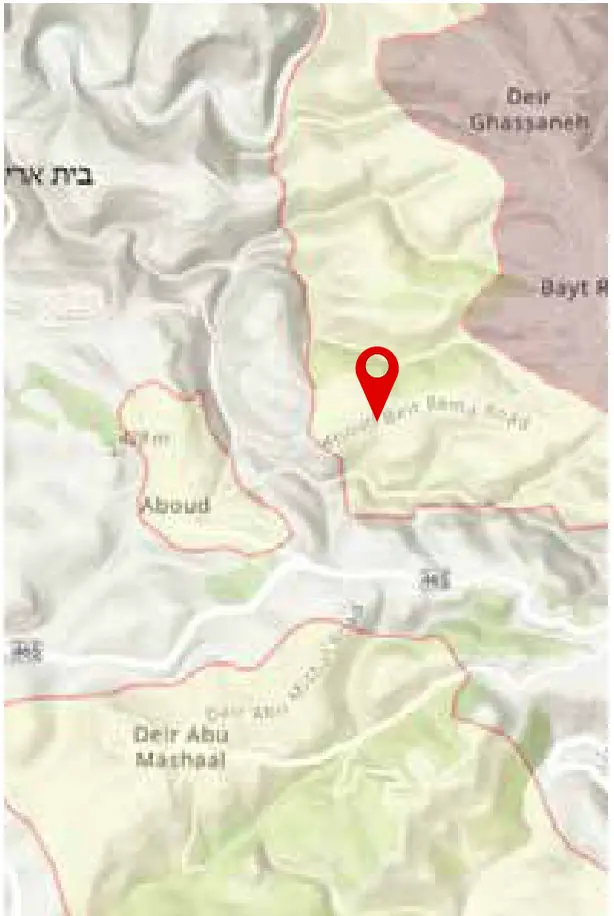
- 3. The sites are arranged from north to south and appear on a general map at the beginning of the Catalog.
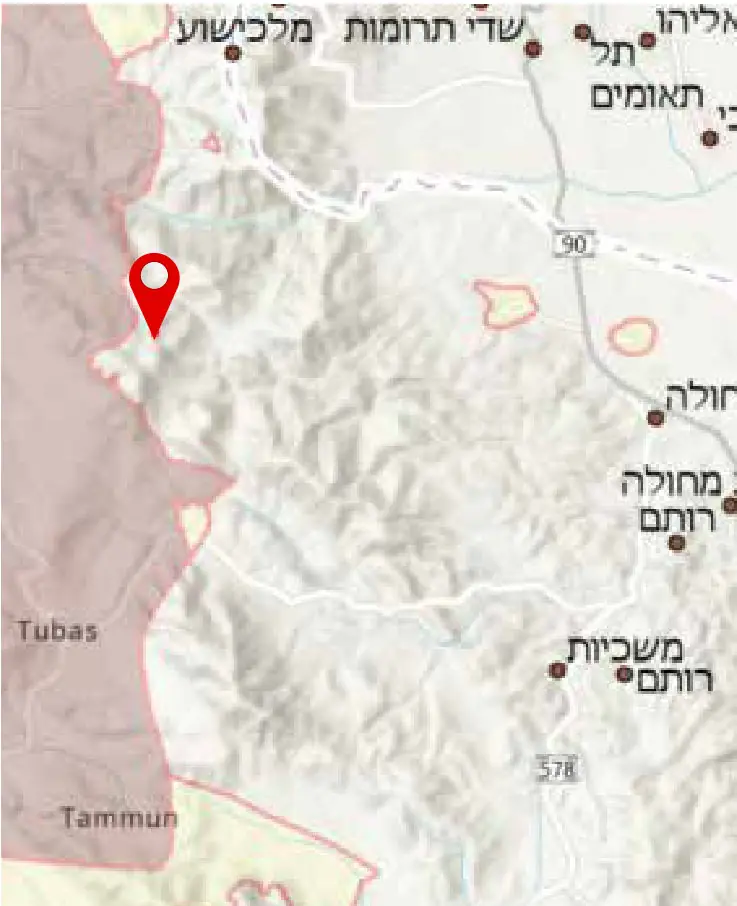
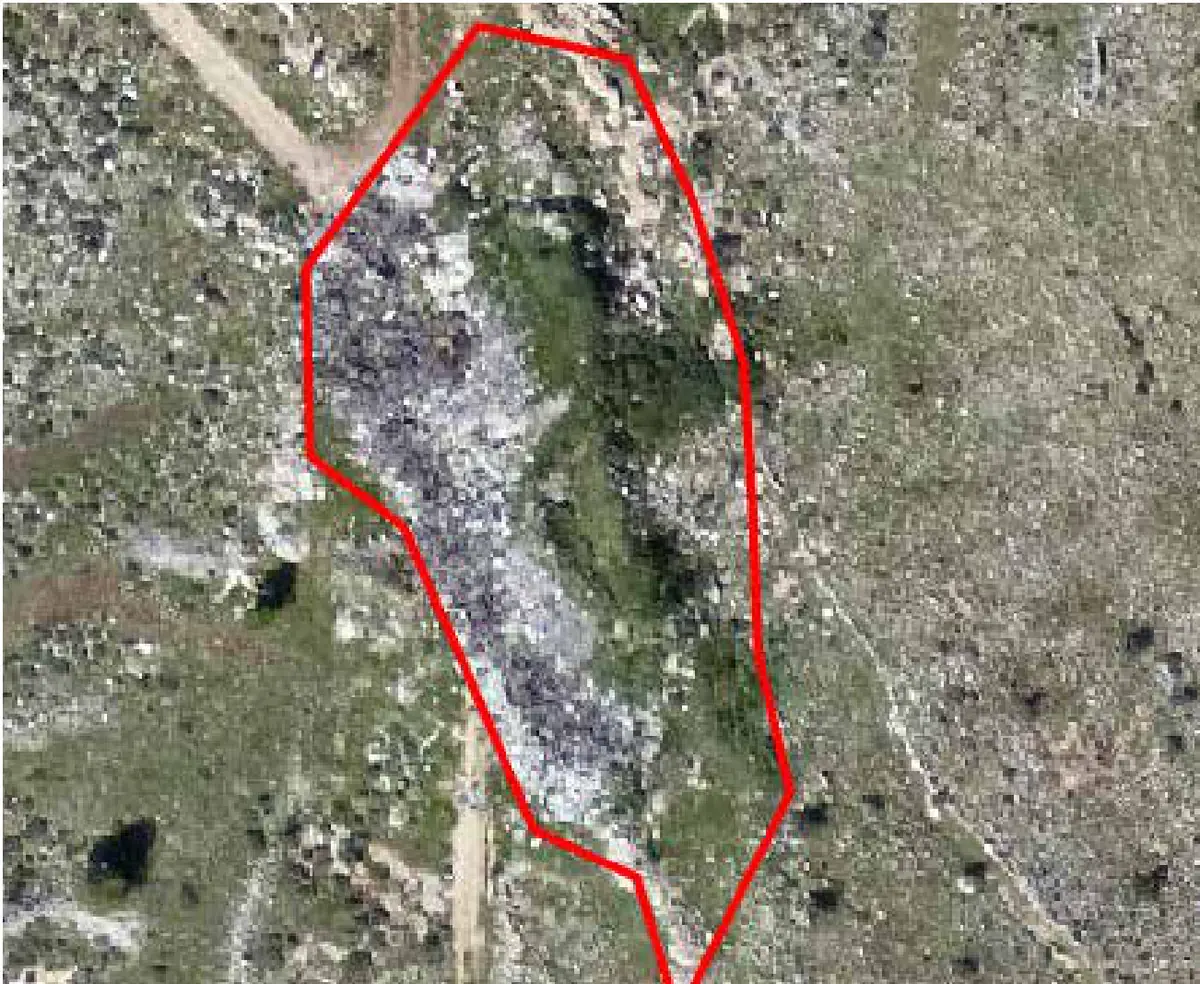
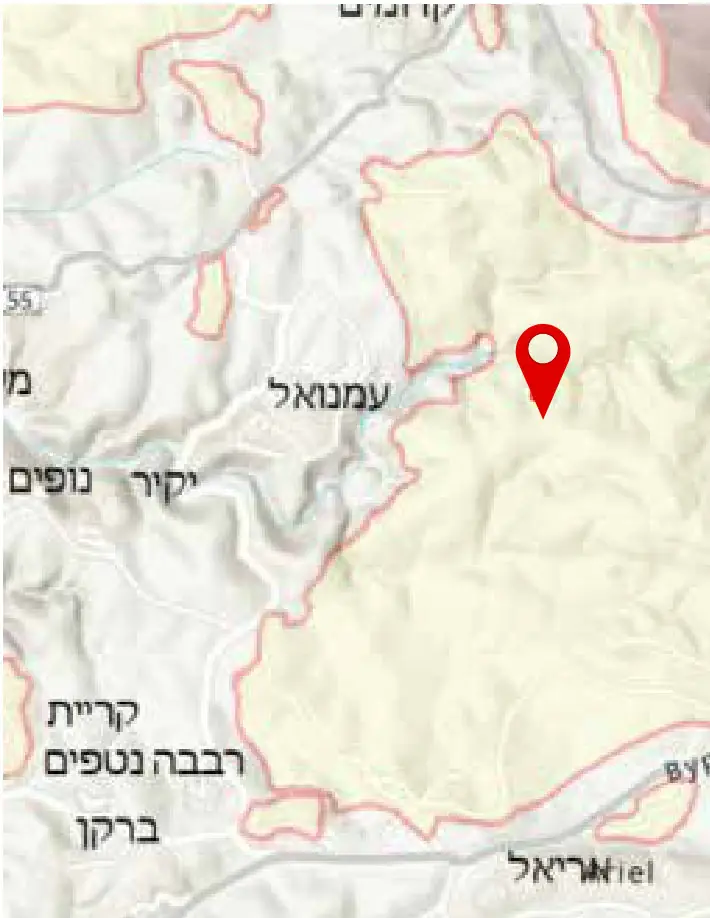
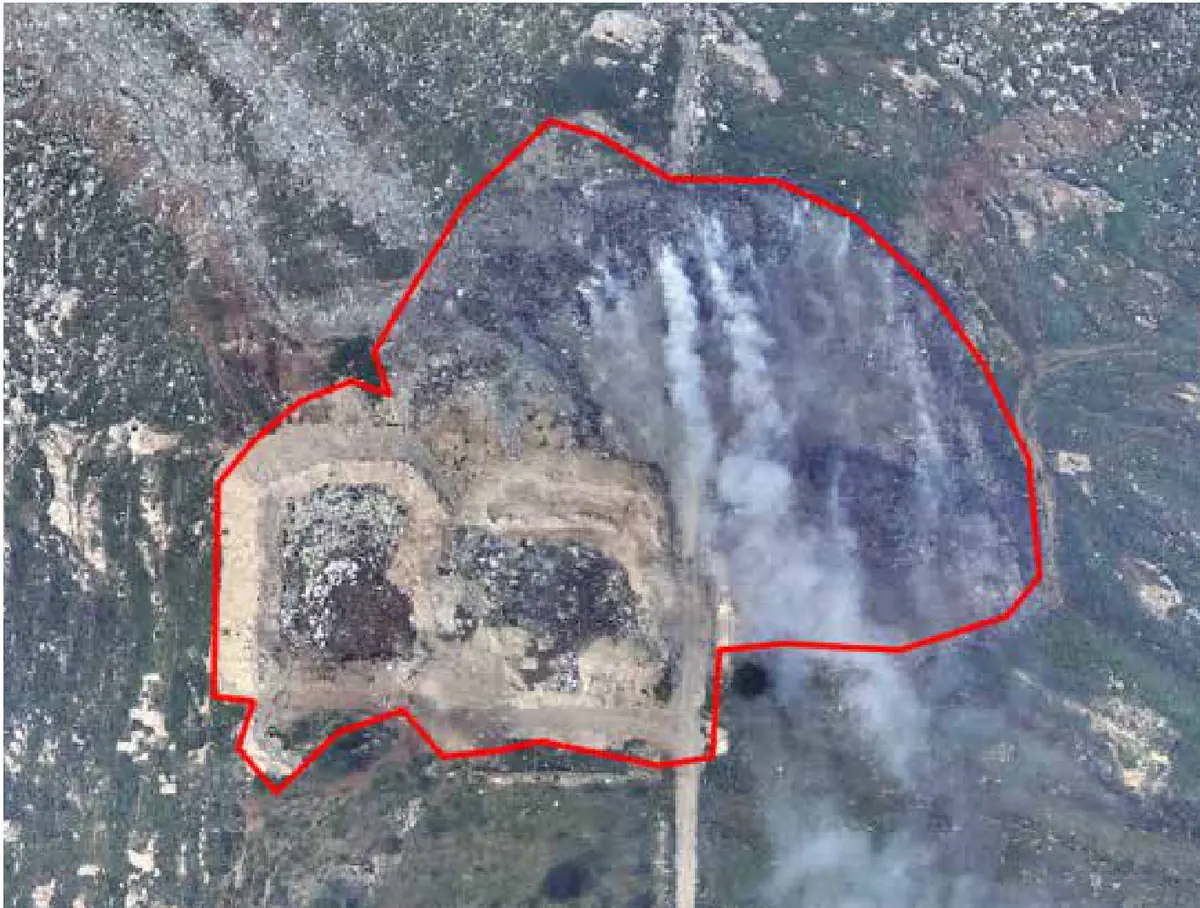
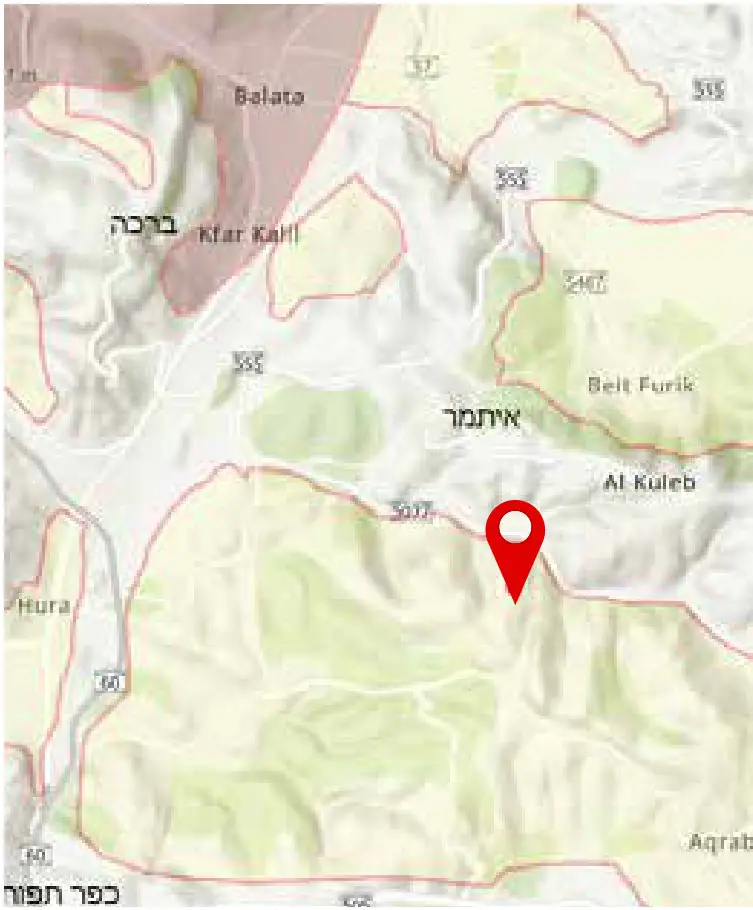
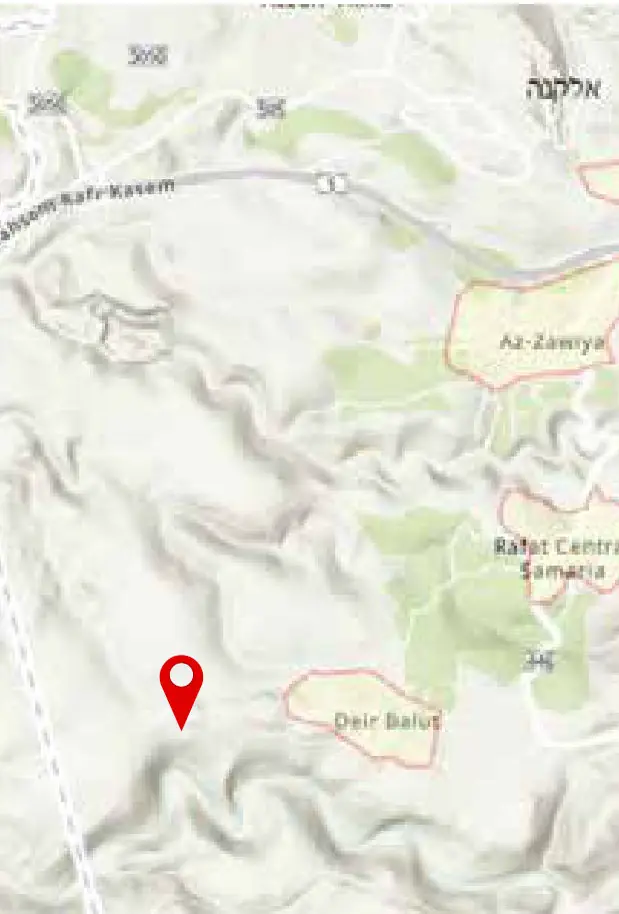
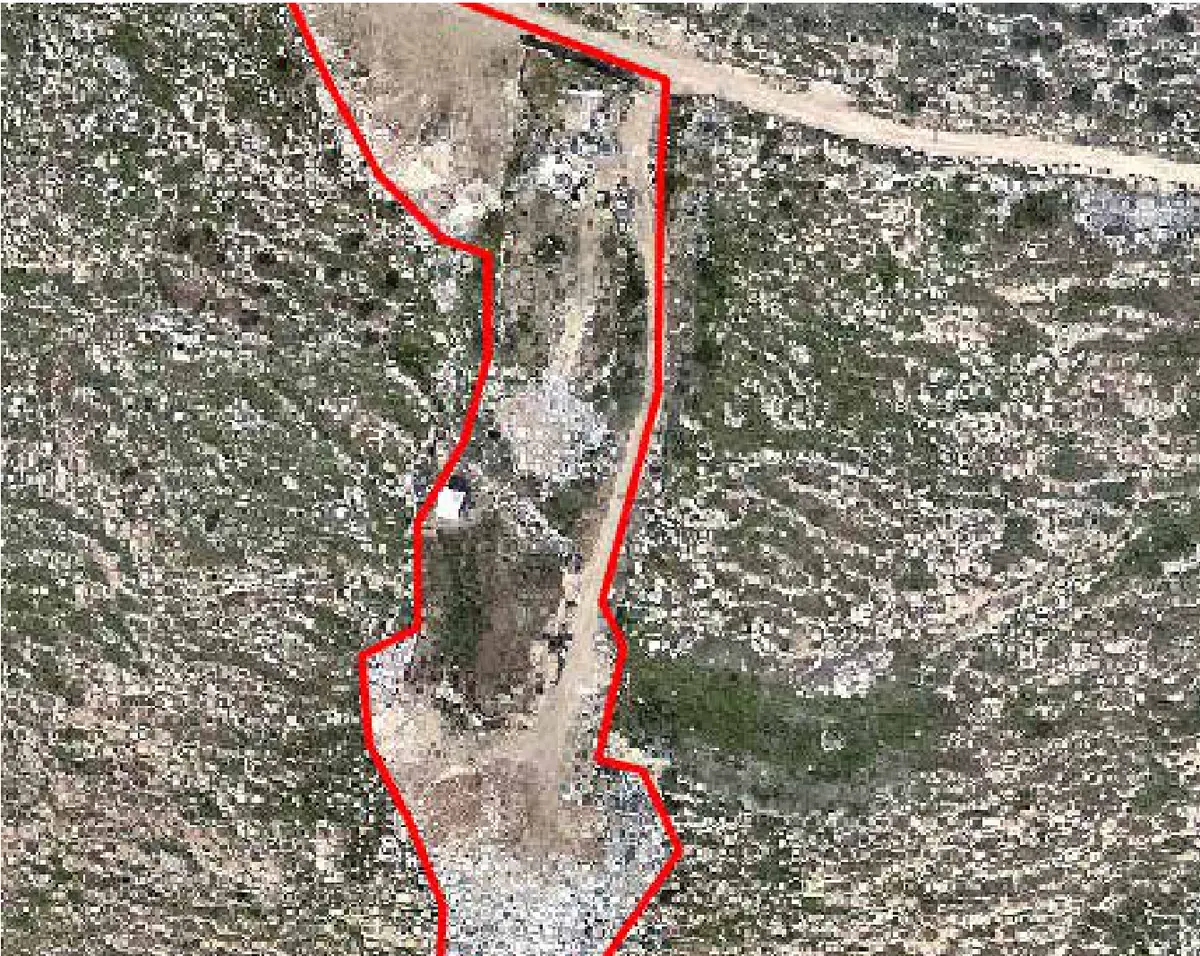
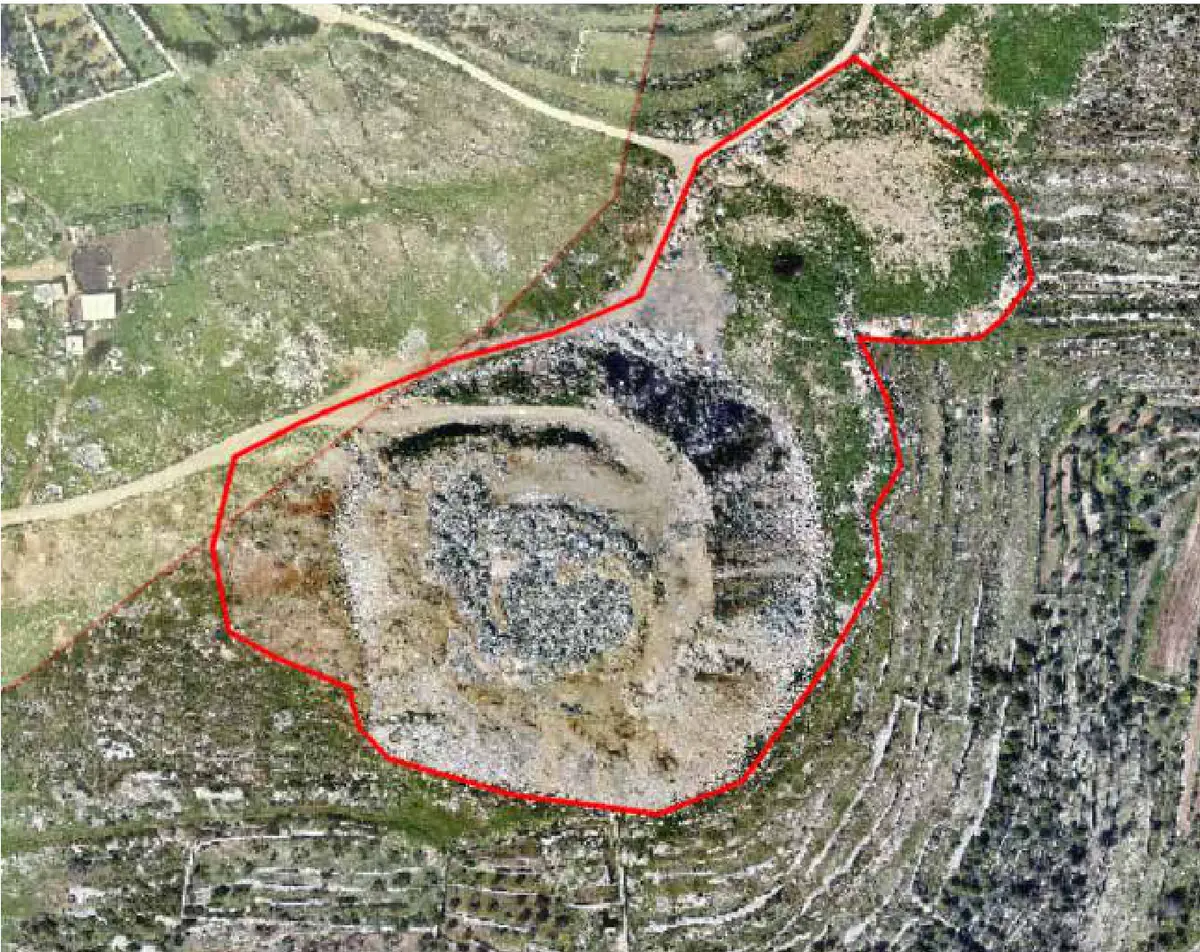
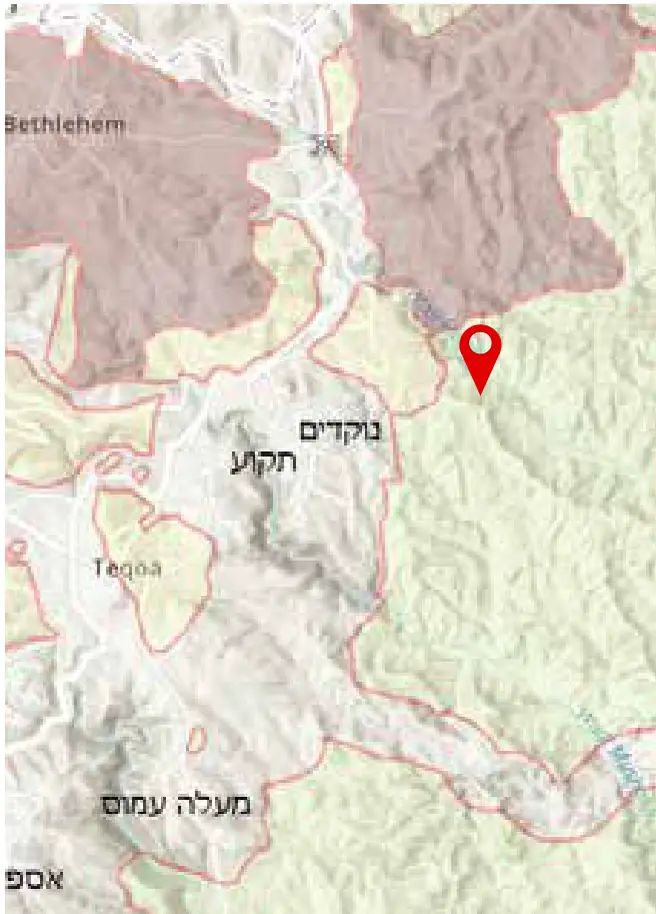
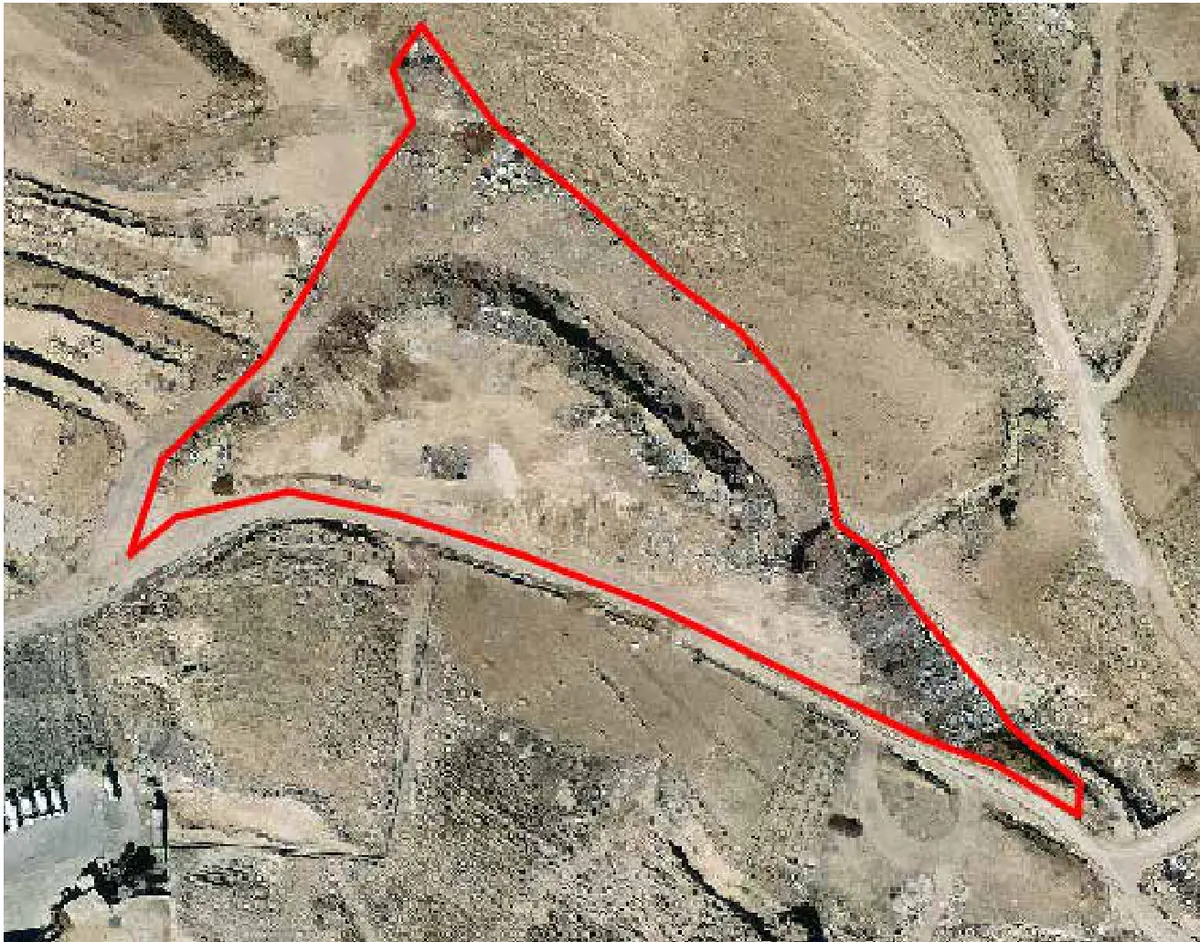
- 4. On the left-hand page of each spread we present key site data (details, map, boundaries).
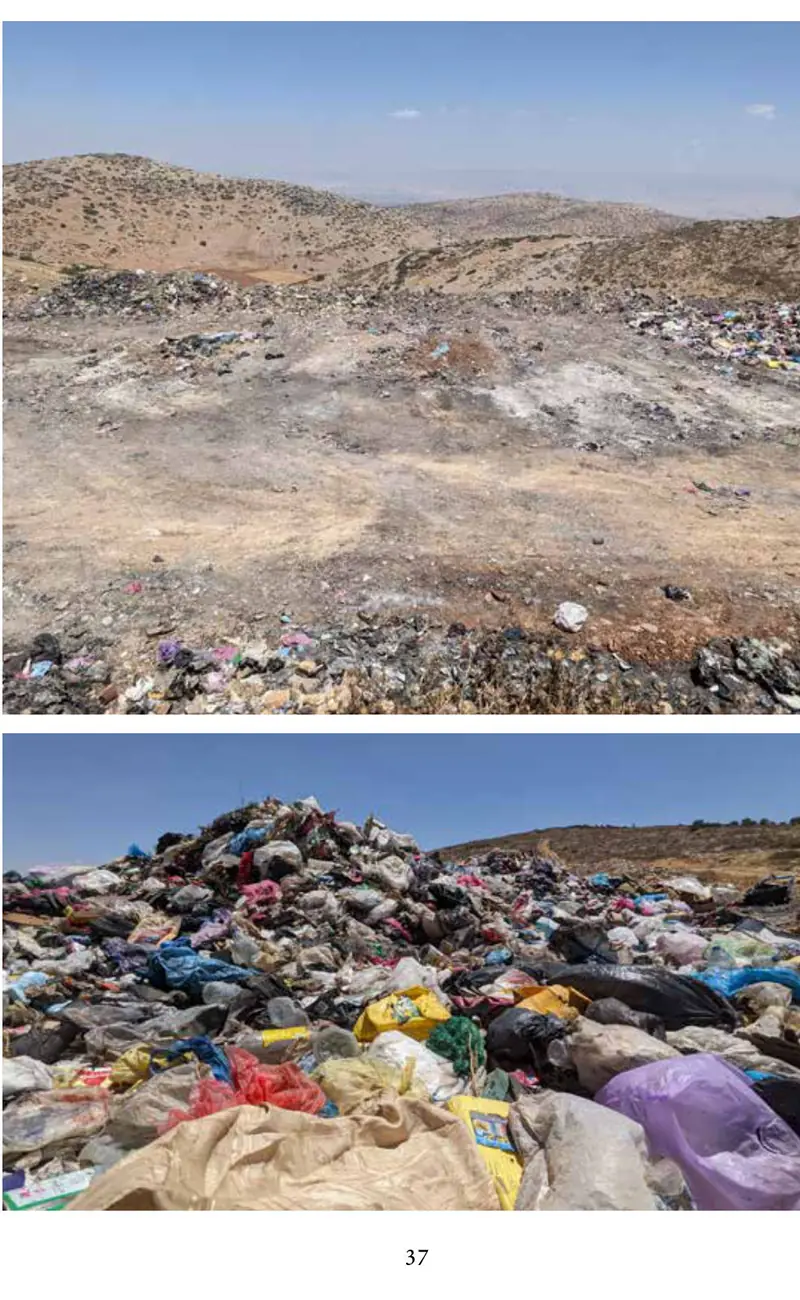
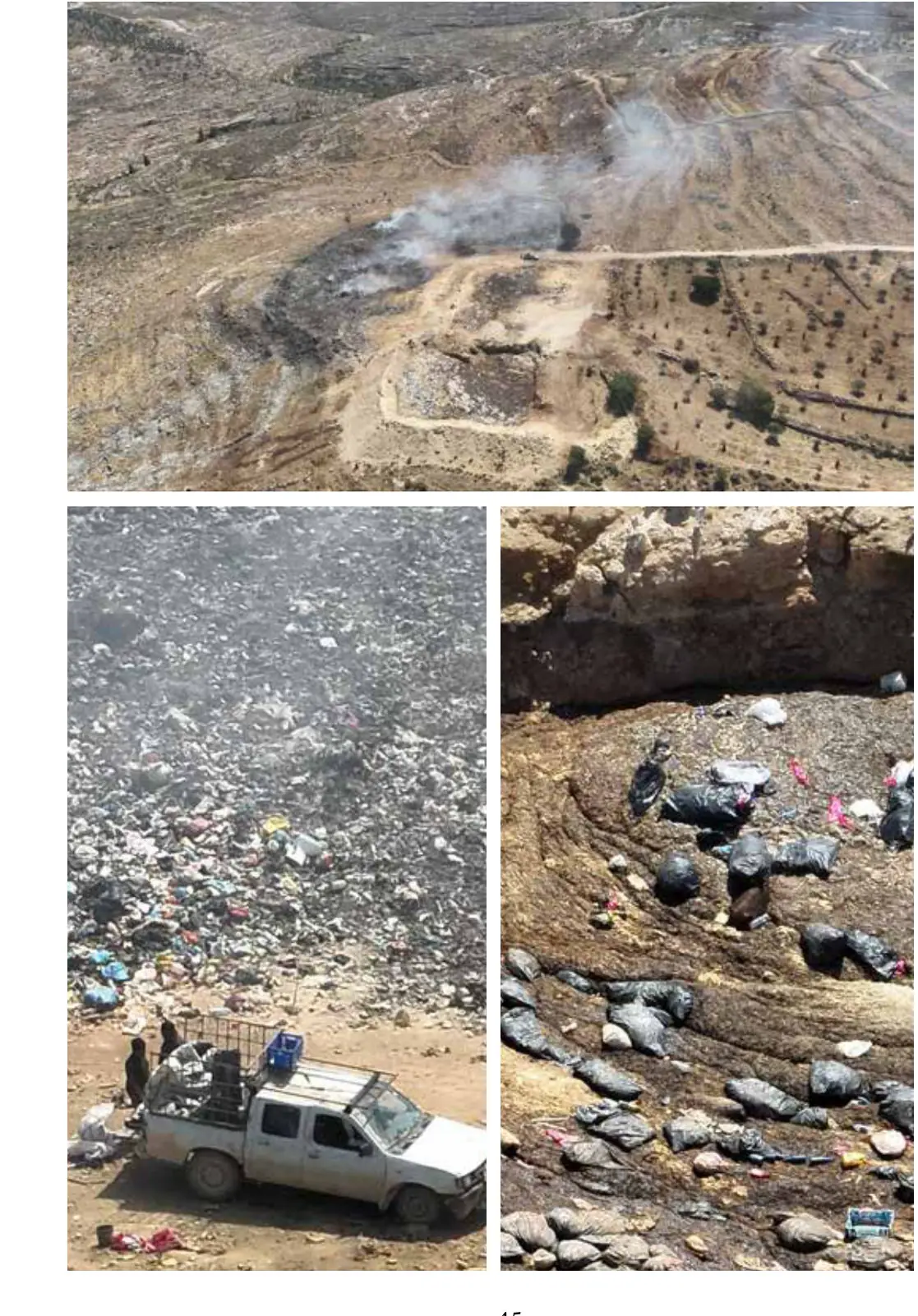
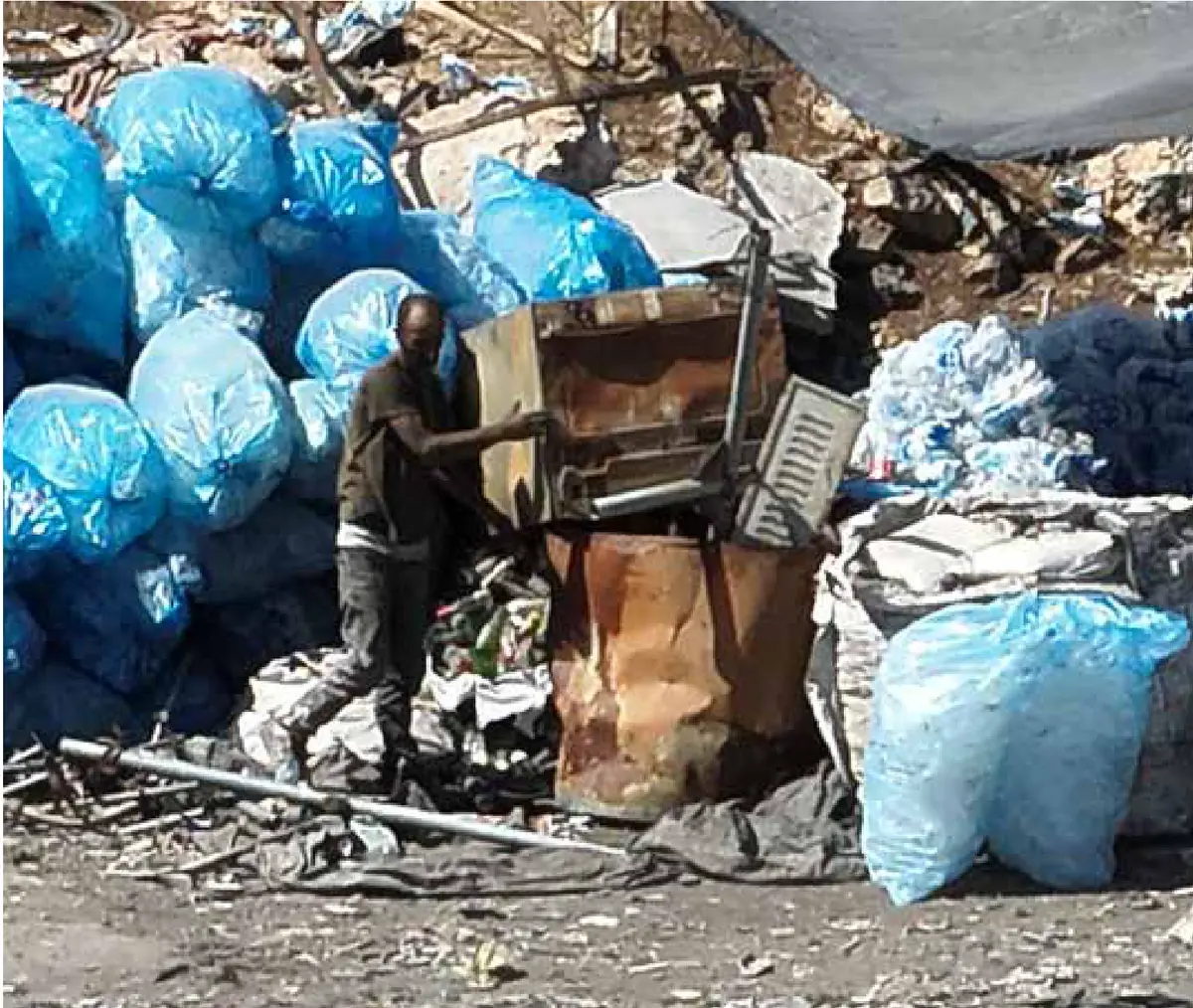
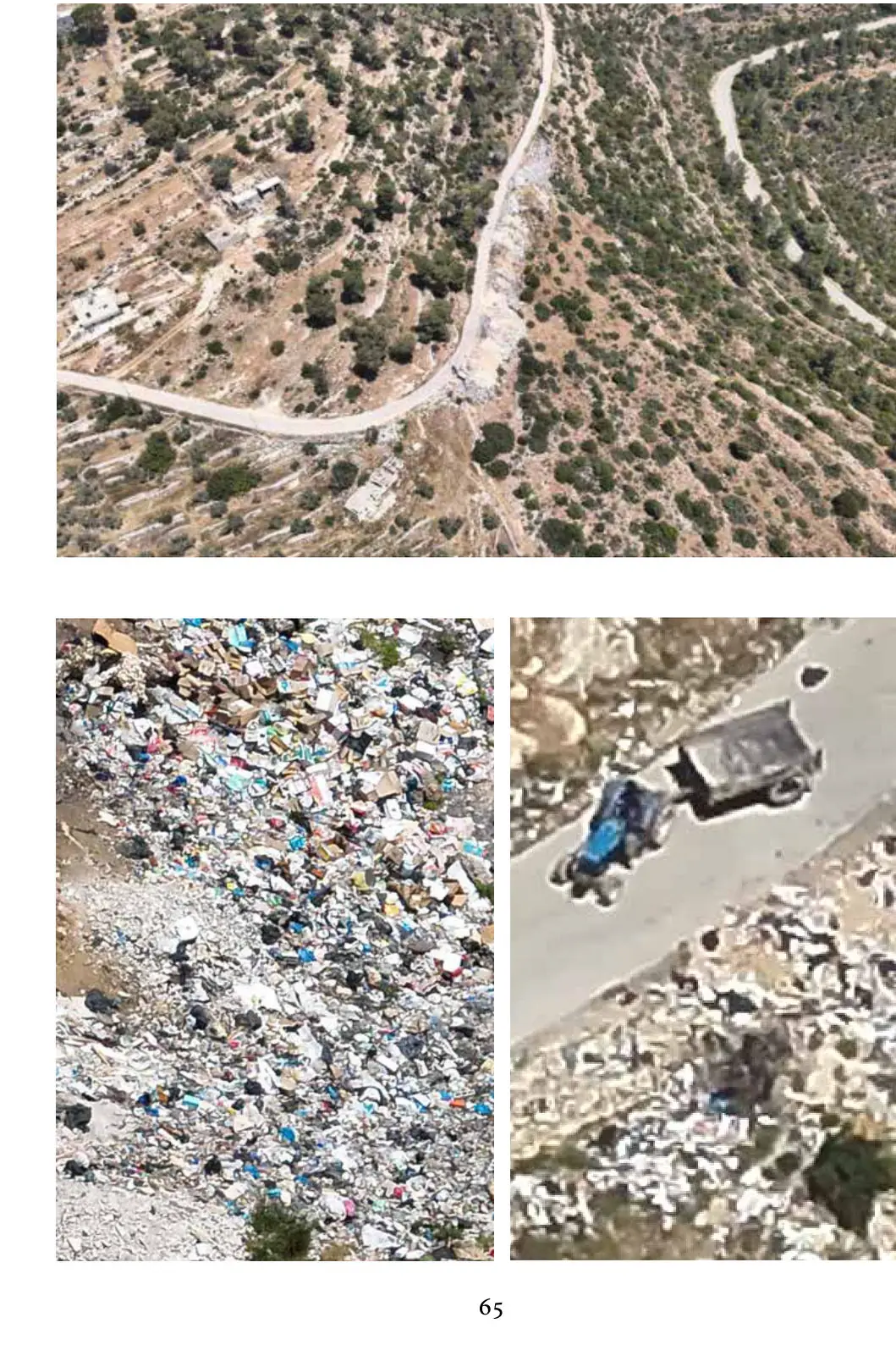
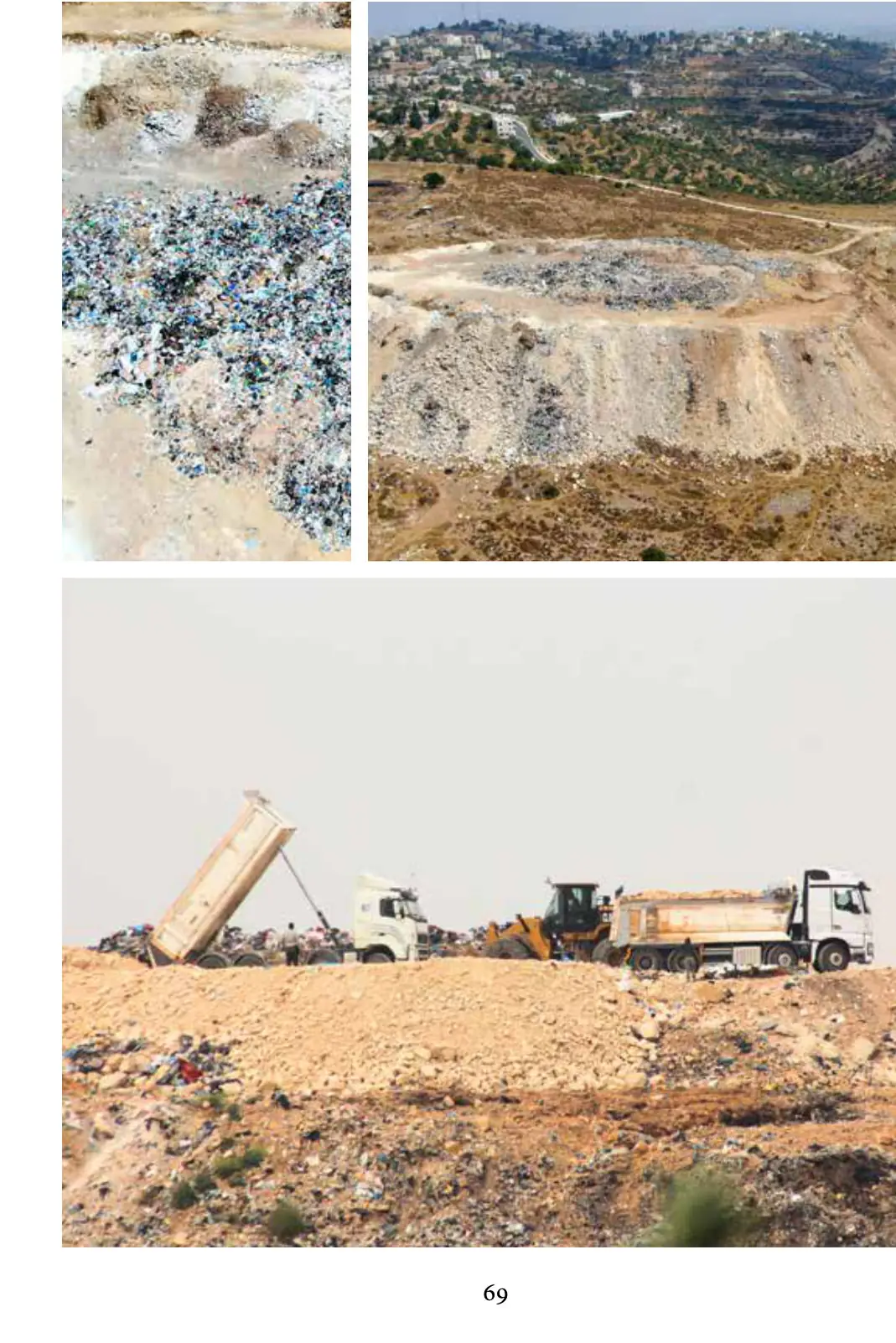
- 5. On the right-hand page appear photographs from the site. All photographs were taken by the Green Now field department unless otherwise noted.
- 6. All sites appearing in the Catalog were resurveyed for this report by the Green Now field department in Spring 2025, and their status reflects that time, with the following exceptions:
– Qarawat Bani Hassan and Siniriya, surveyed by Eitan Margalit of the Samaria Land Department – Beit ‘Anan, surveyed by the Binyamin Land Department – Beit Fajar, surveyed by Naftali Sukkot We thank them for their contribution.
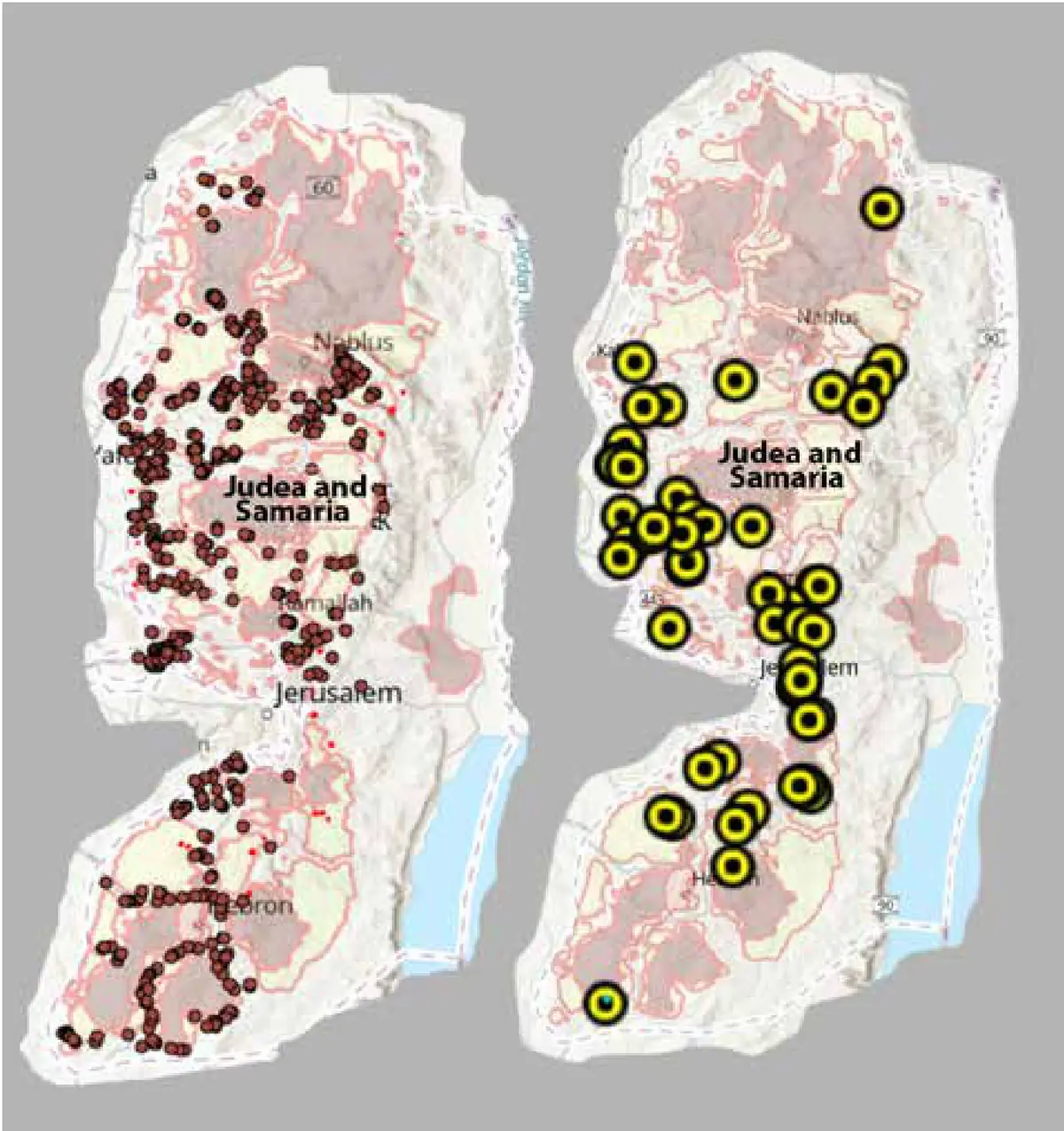
Garbage sites in Judea and Samaria
1. Raba
- Area
- 2.5 dunams
- Type of Waste
- Domestic
- Proximity to sensitive sites
- In a nature reserve
- Status of hazard
- Ongoing
- Incineration status
- Alight at the time of survey
- Area
- C
- GPS Coordinates
- 32.38156,35.3937
- General
- Local dumping site

2. Beit Dajan
- Area
- 8.5 dunams
- Type of Waste
- Domestic
- Proximity to sensitive sites
- stream
- Status of hazard
- Ongoing
- Incineration status
- Alight at the time of survey
- Area
- C
- GPS Coordinates
- 32.18698,35.3972
- General
- Local dumping site
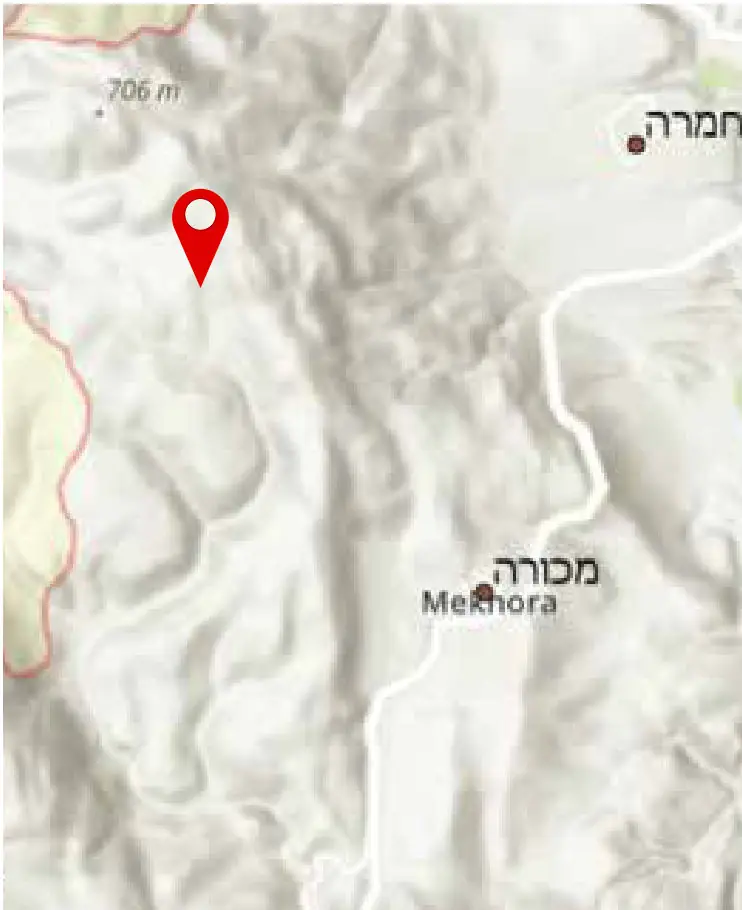
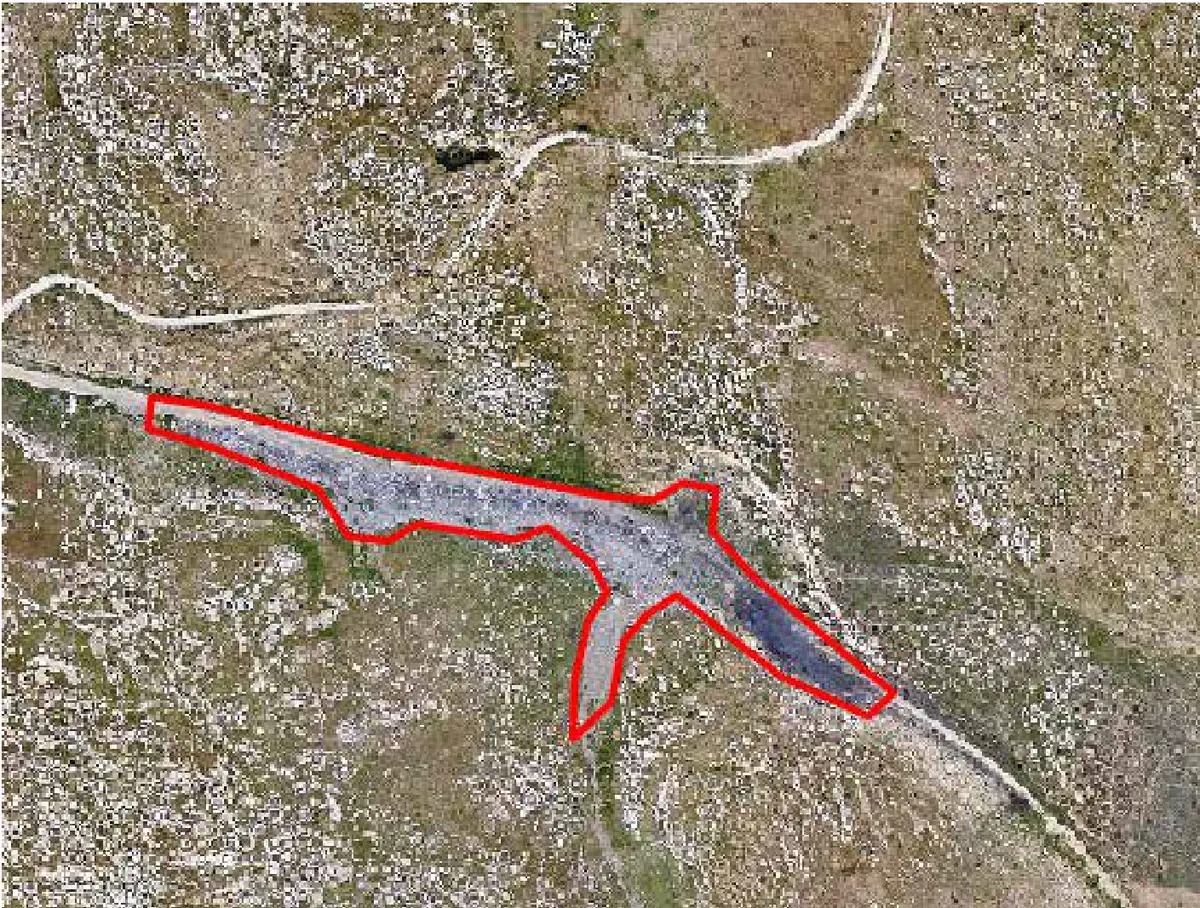
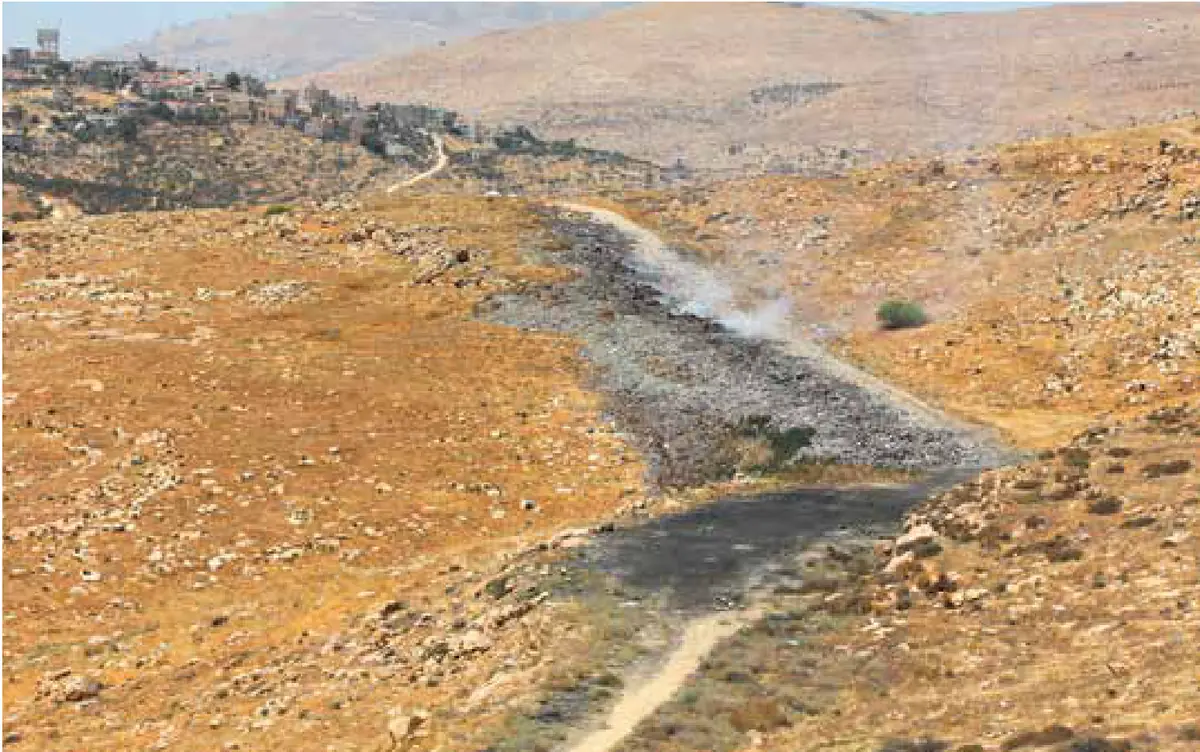
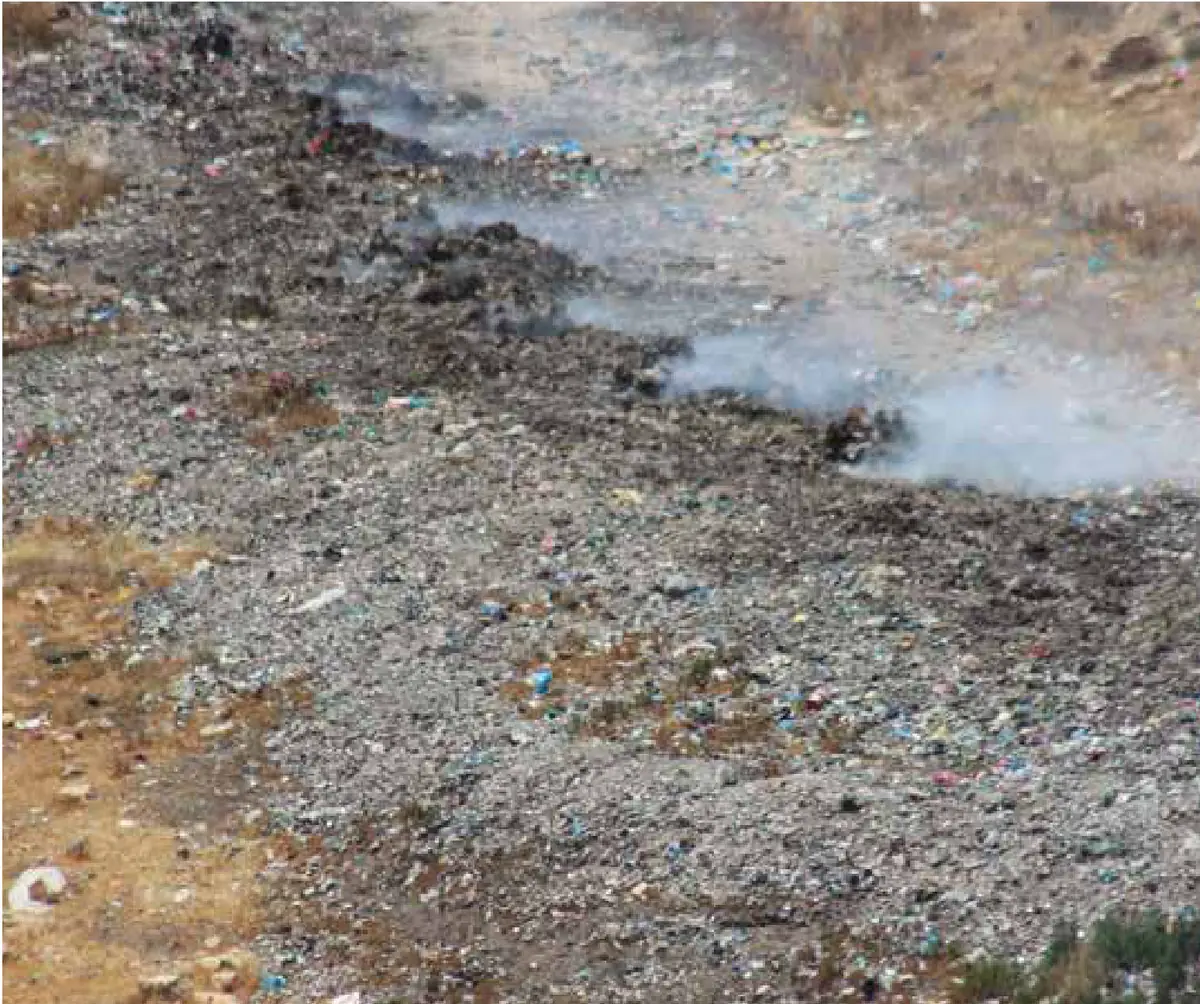
3. Beit Furik
- Area
- 10.8 dunams
- Type of Waste
- Domestic
- Proximity to sensitive sites
- Stream, farm
- Status of hazard
- Ongoing
- Incineration status
- Alight at the time of survey
- Area
- B
- GPS Coordinates
- 32.16554,35.38039
- General
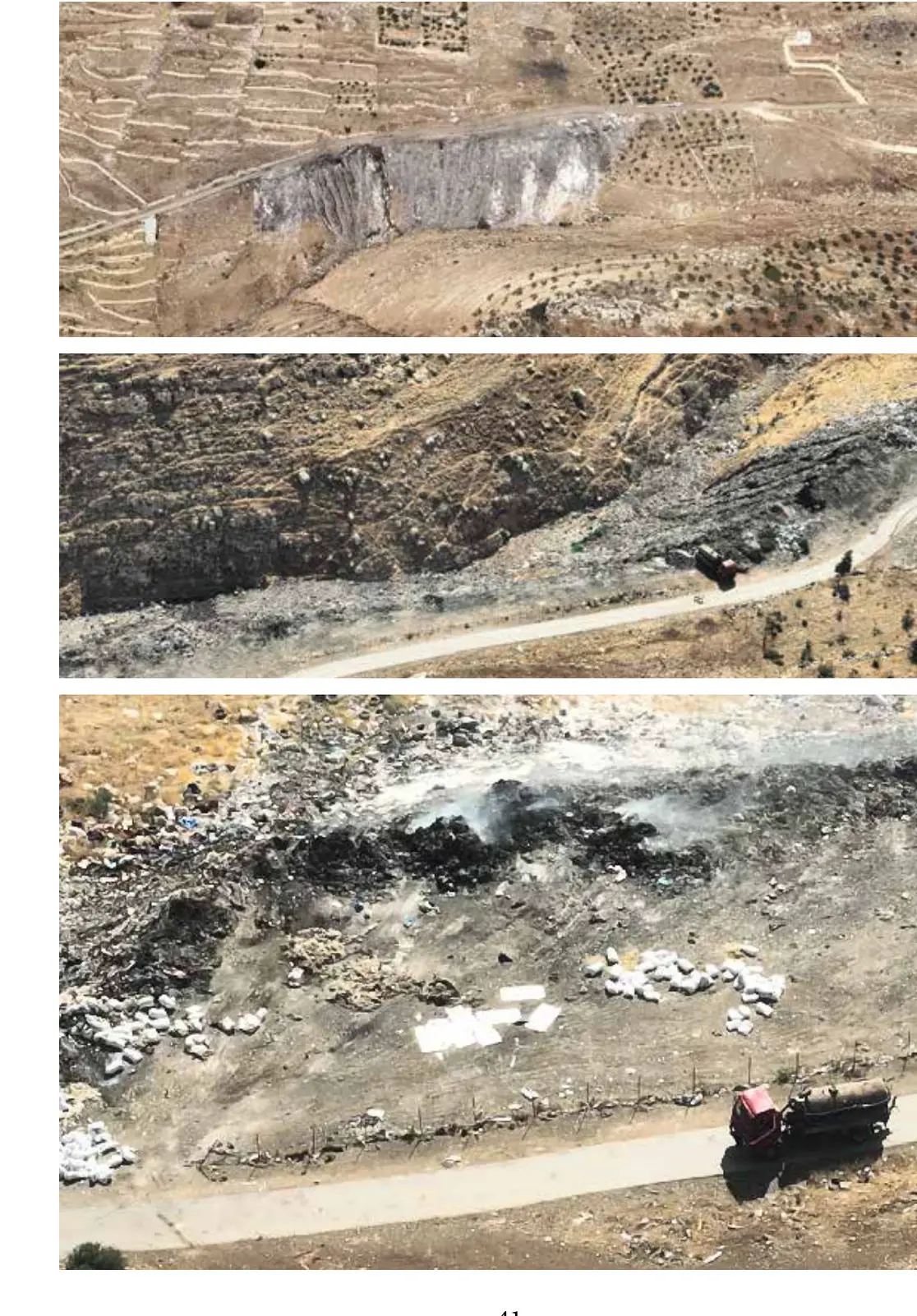
- Local dumping site. The center photo shows a sewage truck emptying untreated liquid sewage in the vicinity of the dump. The lower photo documents the sewage truck leaving the site
4. Jouis
- Area
- 6.3 dunams
- Type of Waste
- Domestic
- Proximity to sensitive sites
- stream
- Status of hazard
- Ongoing
- Incineration status
- Alight at the time of survey
- Area
- C
- GPS Coordinates
- 32.19105,35.03104
- General
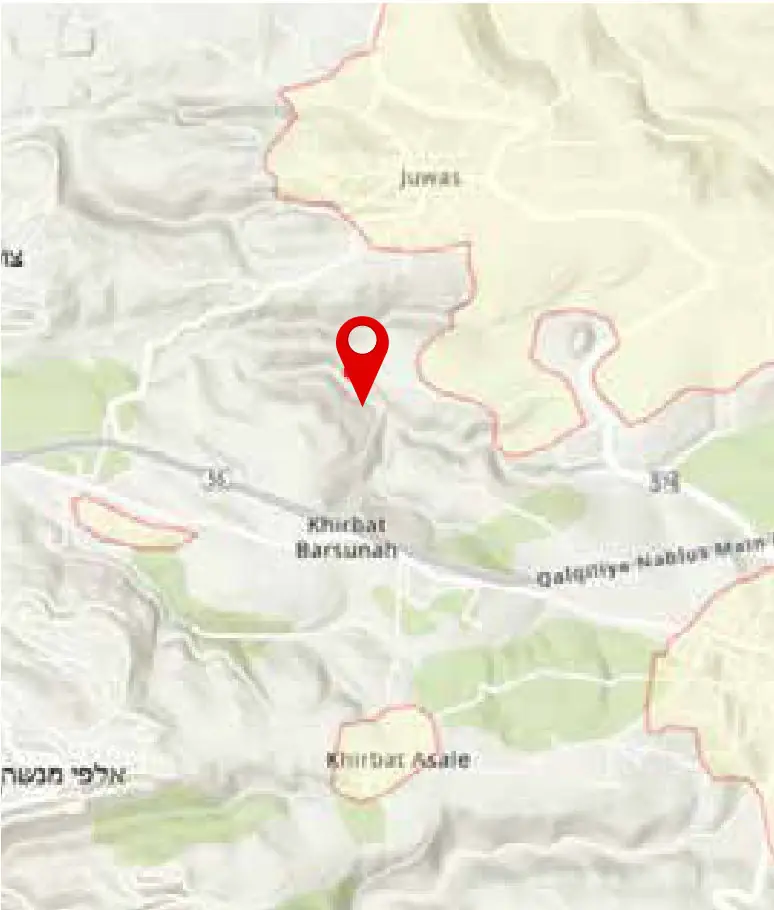
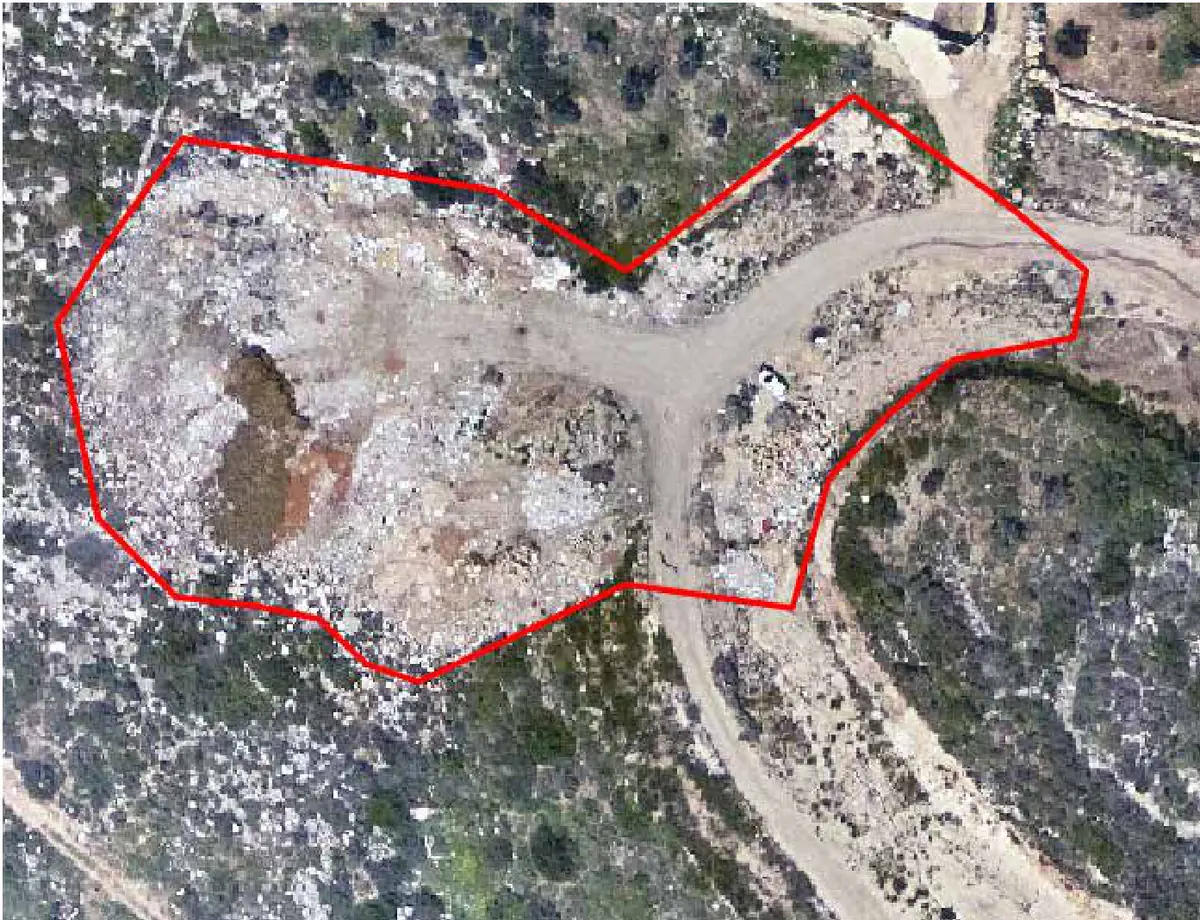
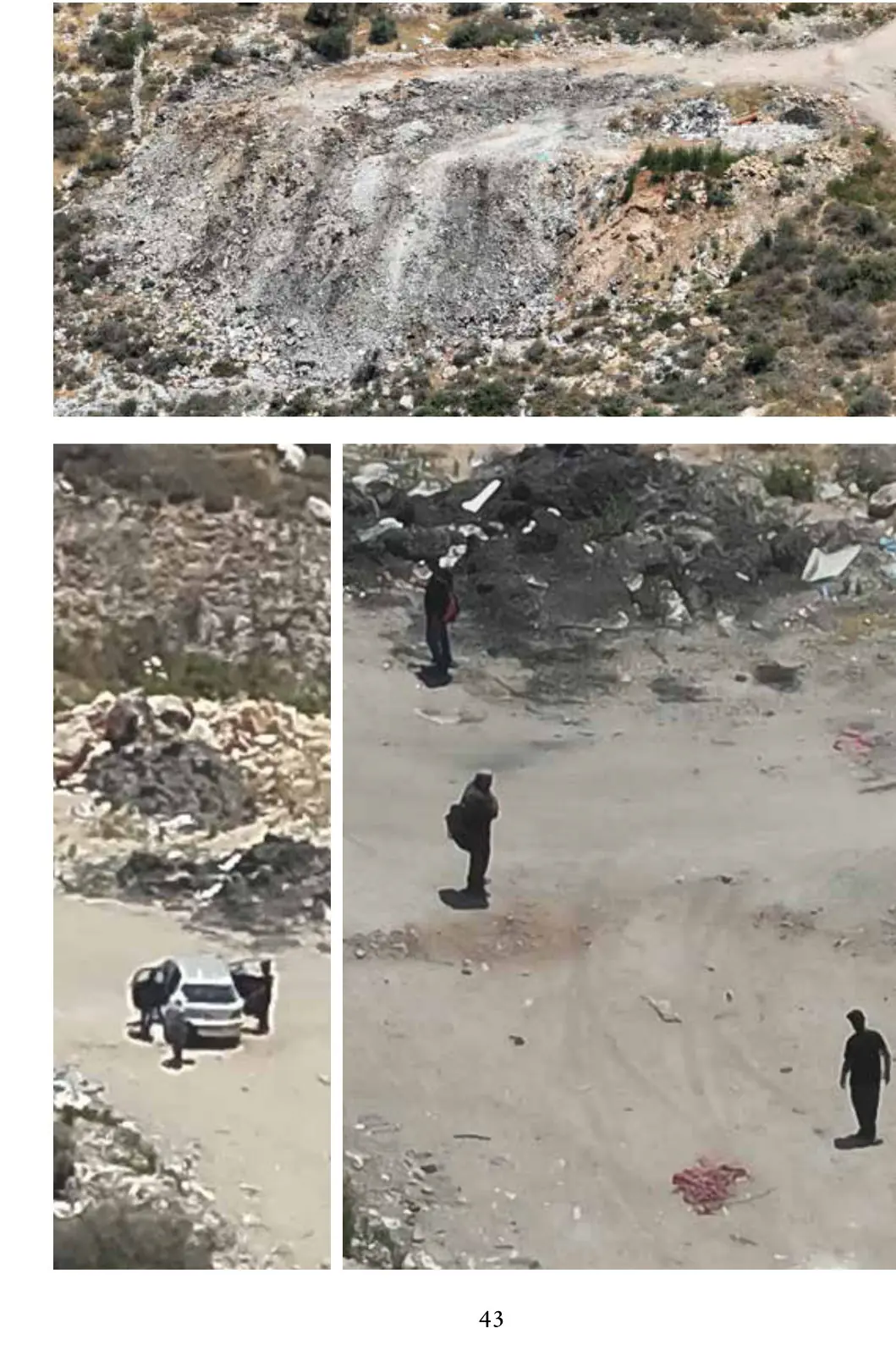
- Local dumping site. Photos document scavengers picking through the waste
5. Zeita
- Area
- 14.7 dunams
- Type of Waste
- Domestic and sanitation waste
- Proximity to sensitive sites
- stream
- Status of hazard
- Ongoing
- Incineration status
- Alight at the time of survey
- Area
- B
- GPS Coordinates
- 32.16649,35.17734
- General
- Local dumping site. Photos document scavengers picking through the waste
6. Awarta
- Area
- 13.9 dunams
- Type of Waste
- Domestic
- Proximity to sensitive sites
- stream, community
- Status of hazard
- Ongoing
- Incineration status
- Evidence of incineration
- Area
- B
- GPS Coordinates
- 32.15457,35.31785
- General
- Large dumping site. Photos document the large solar energy installation nearby, and scavengers picking through the waste
- Area
- 24.2 dunams
- Type of Waste
- Domestic
- Proximity to sensitive sites
- stream, farm
- Status of hazard
- Ongoing
- Incineration status
- Alight at the time of survey
- Area
- B
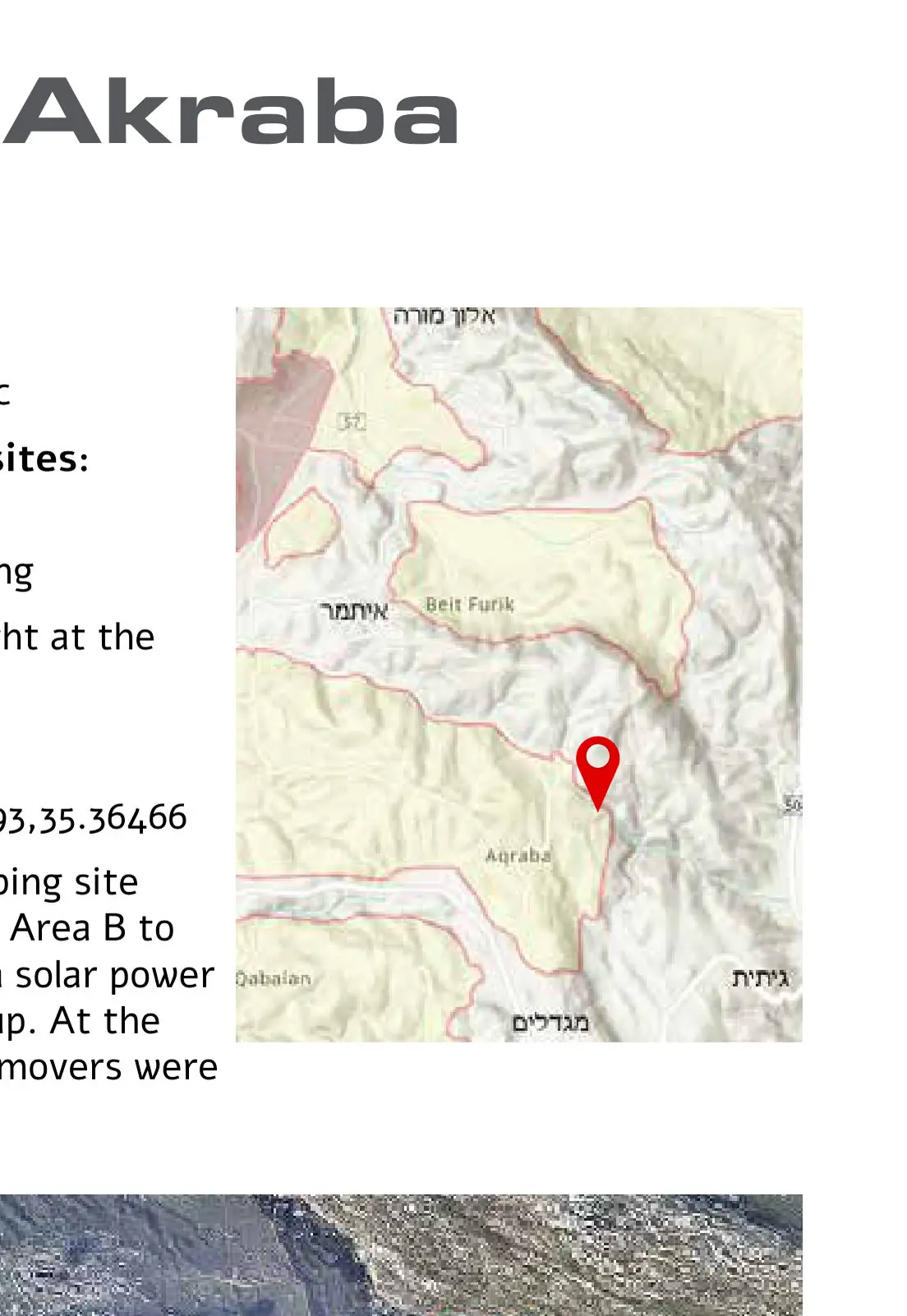
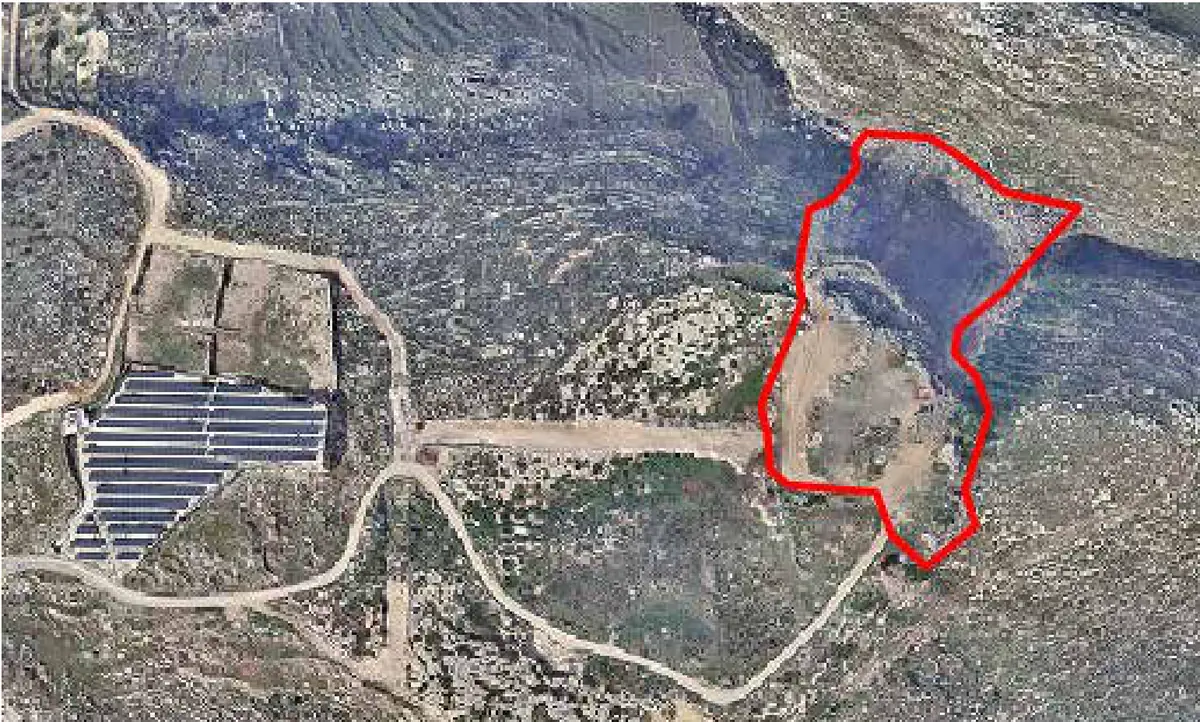
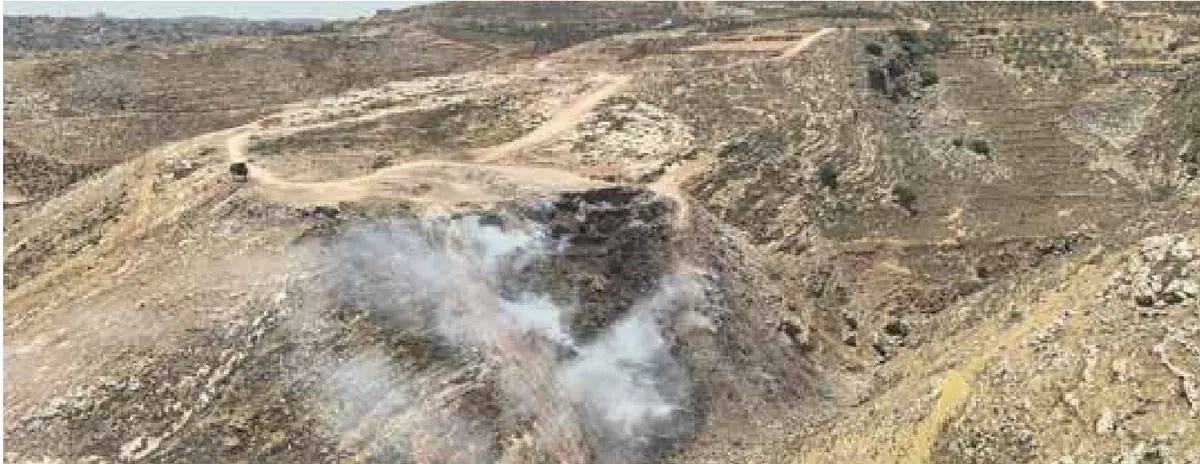
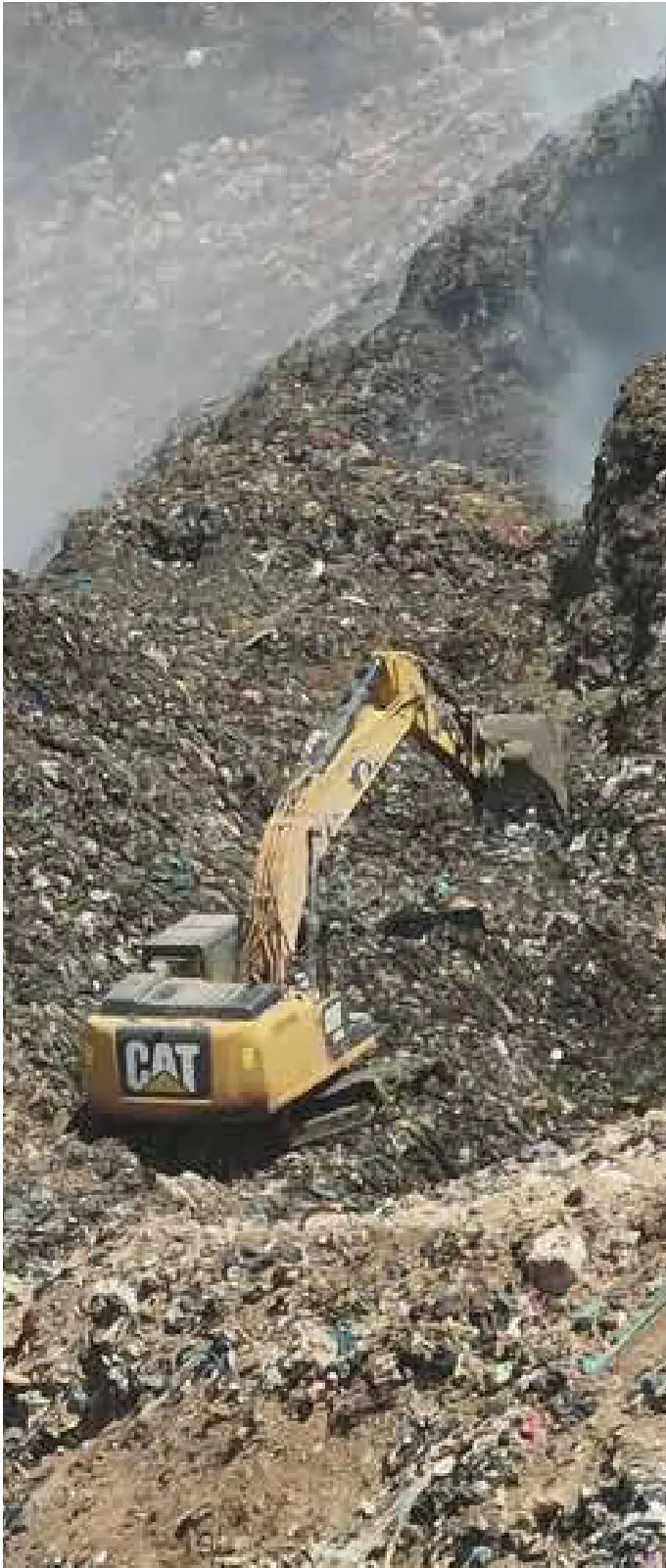
- GPS Coordinates
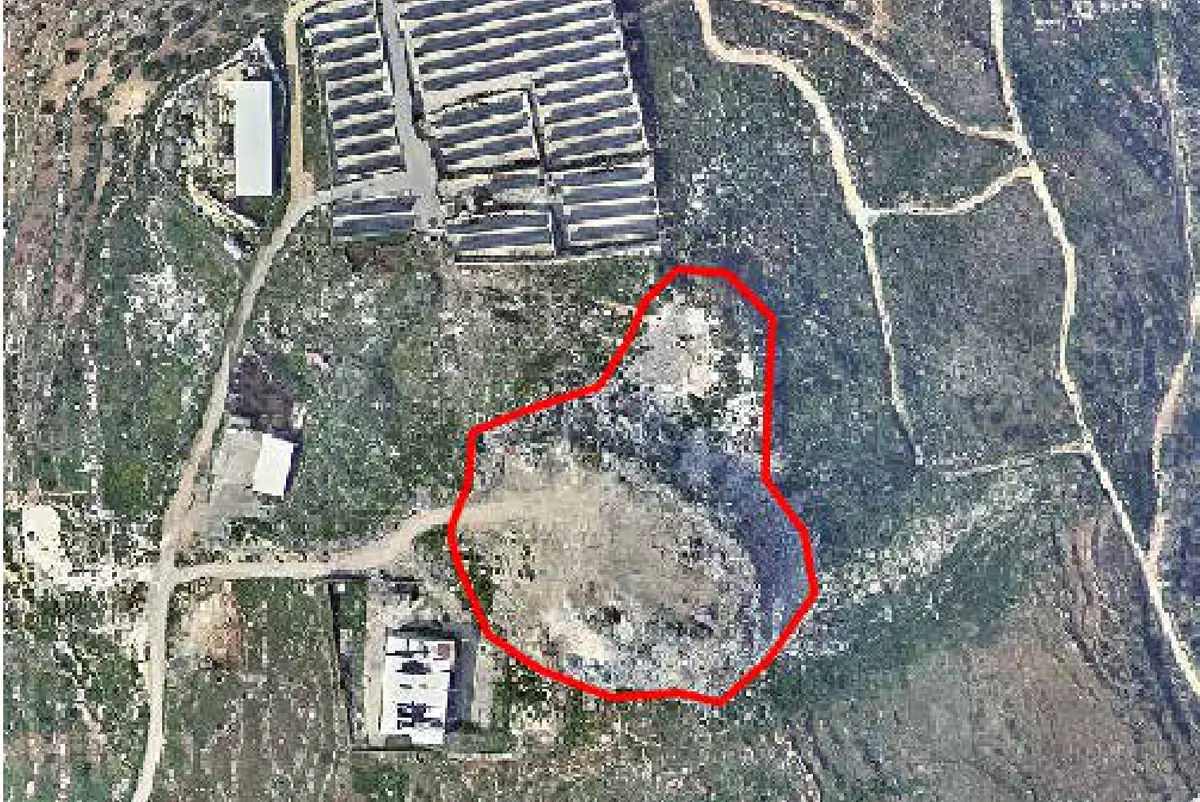
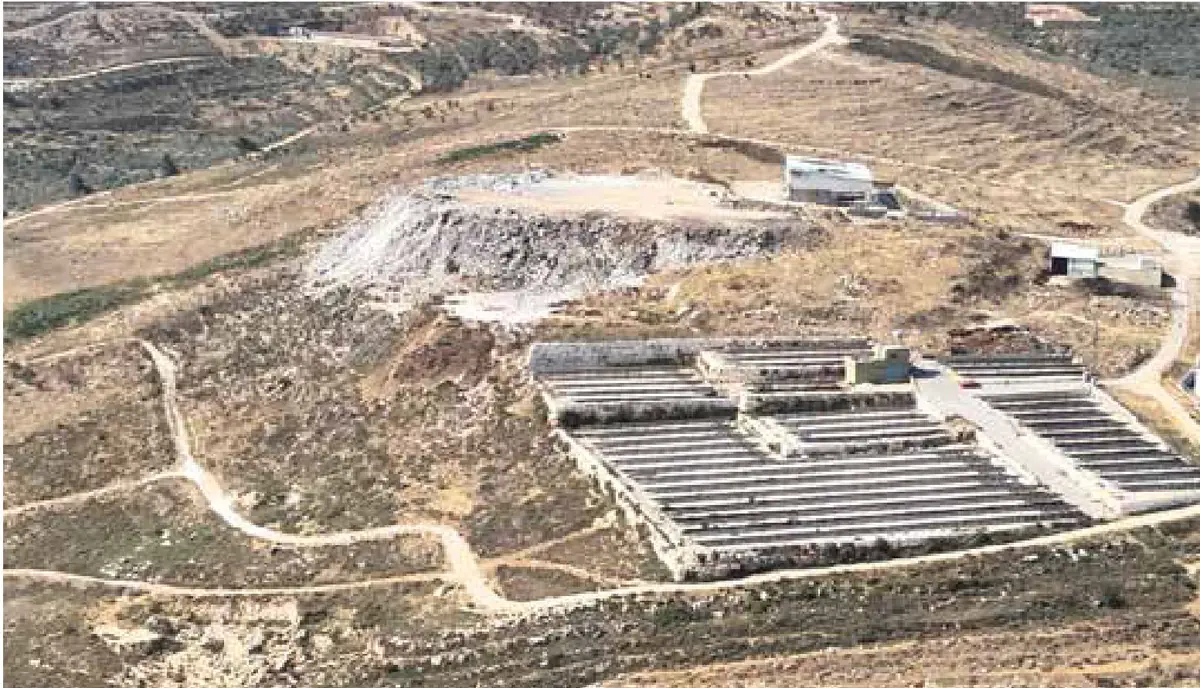
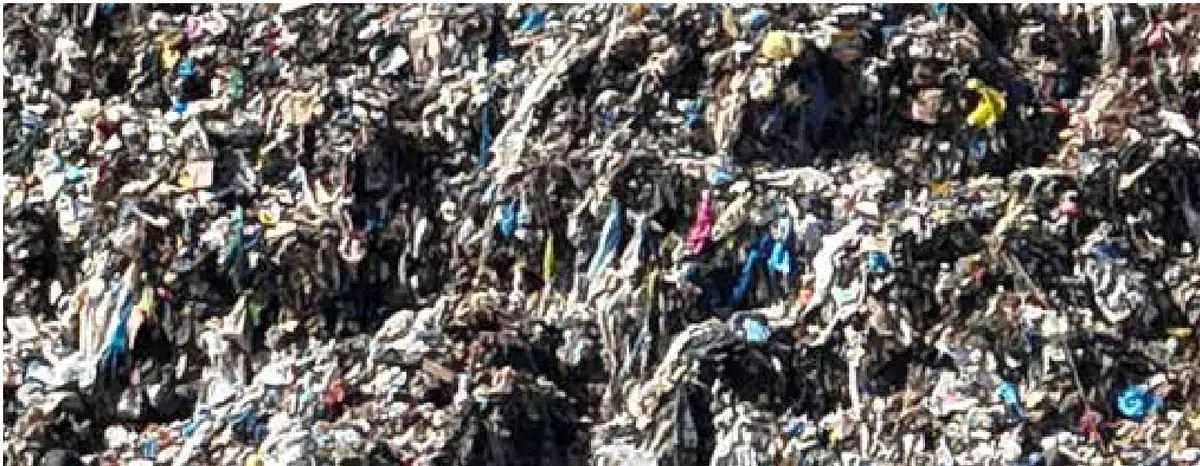
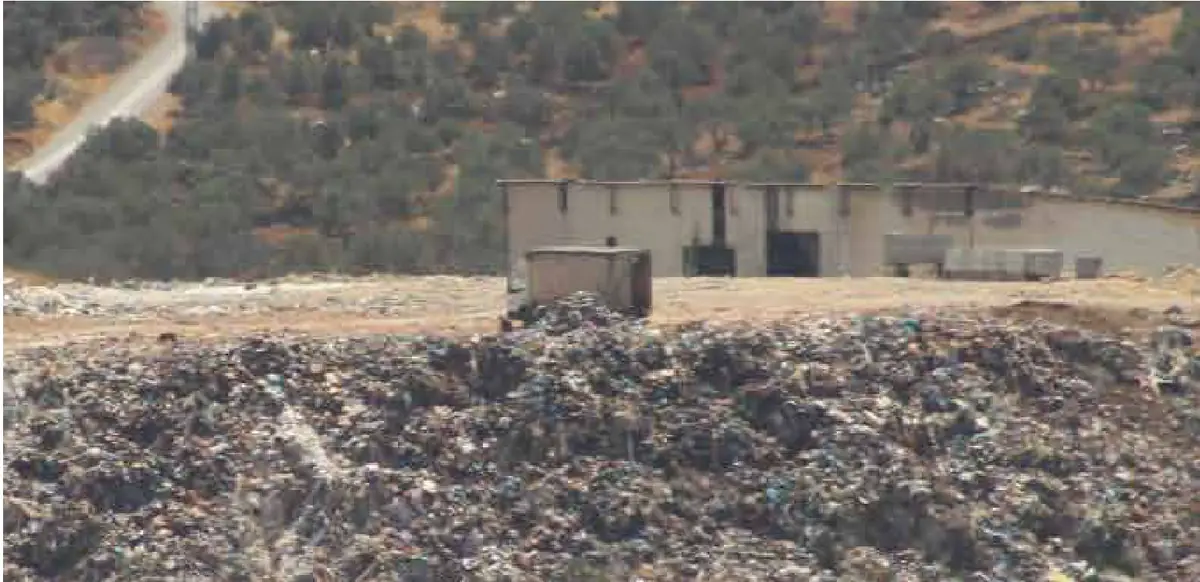
- 32.13593,35.36466
- General
- Large local dumping site that has spilled over from Area B to Area C. West of the site a solar power installation has been set up. At the time of the survey, earthmovers were working at the site
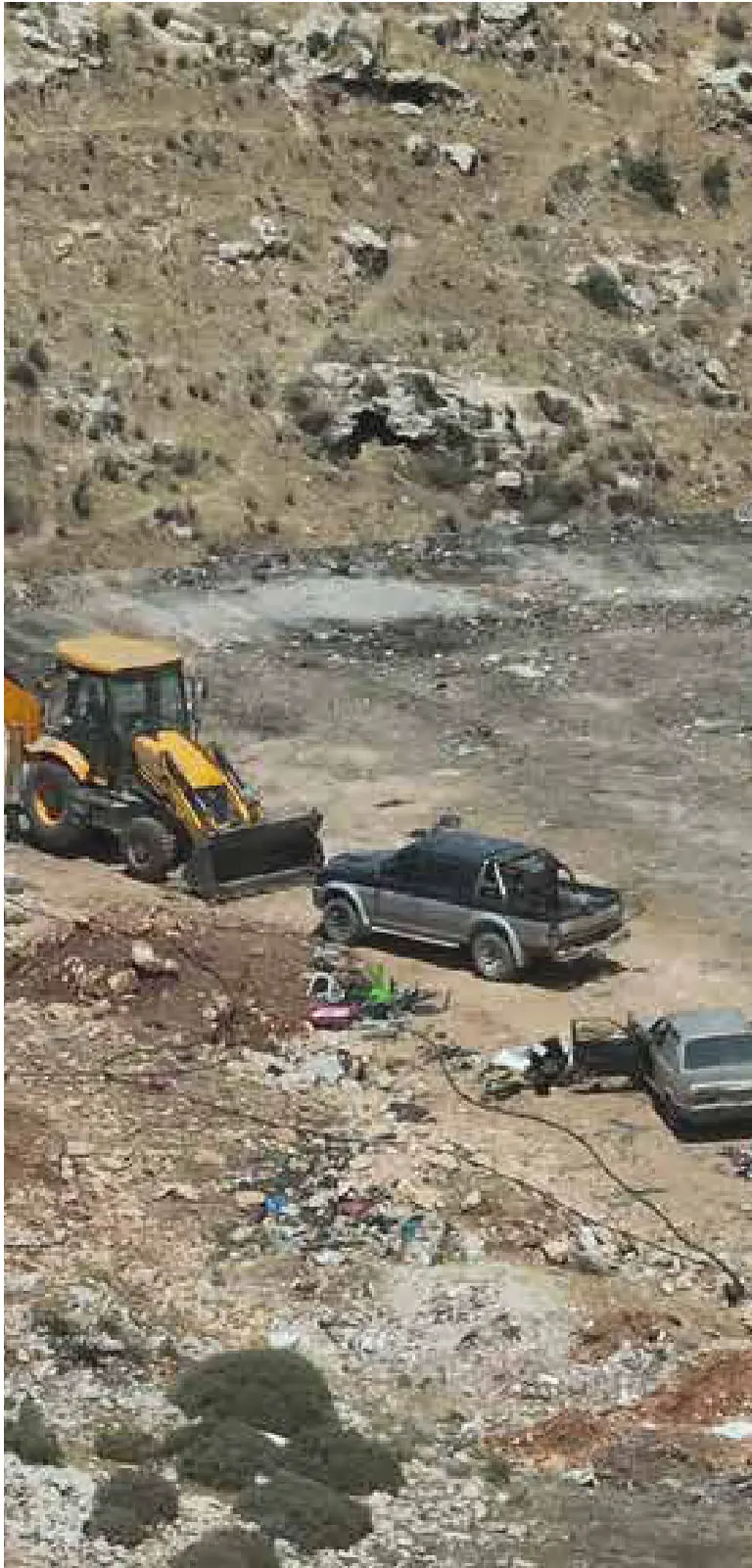
8. Karwat Bani Hassan
- Area
- 10.3 dunams
- Type of Waste
- Domestic
- Proximity to sensitive sites
- stream
- Status of hazard
- Ongoing
- Incineration status
- Alight at the time of survey
- Area
- C
- GPS Coordinates
- 32.13808,35.07545
- General
- Large dumping site
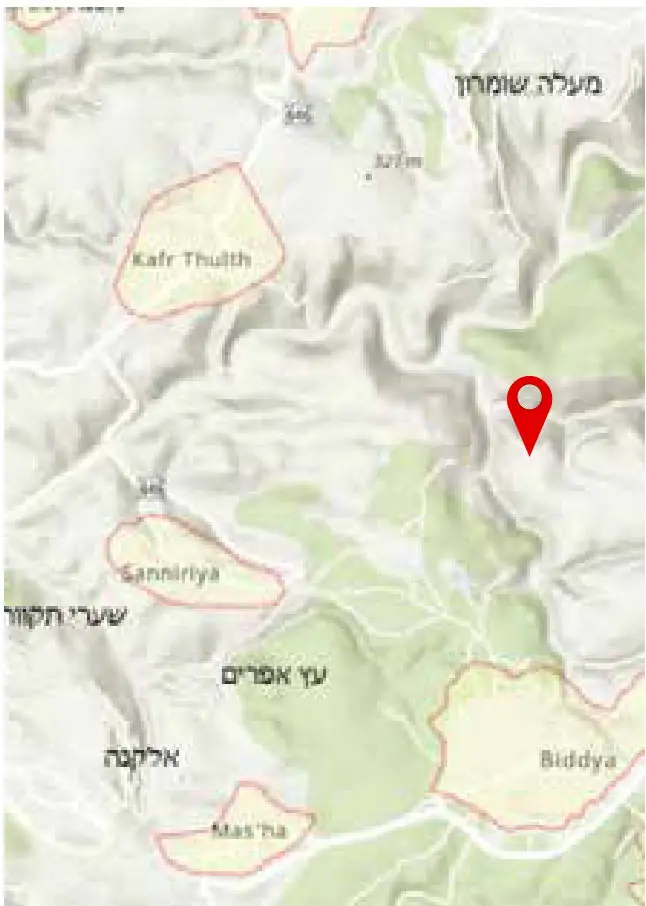
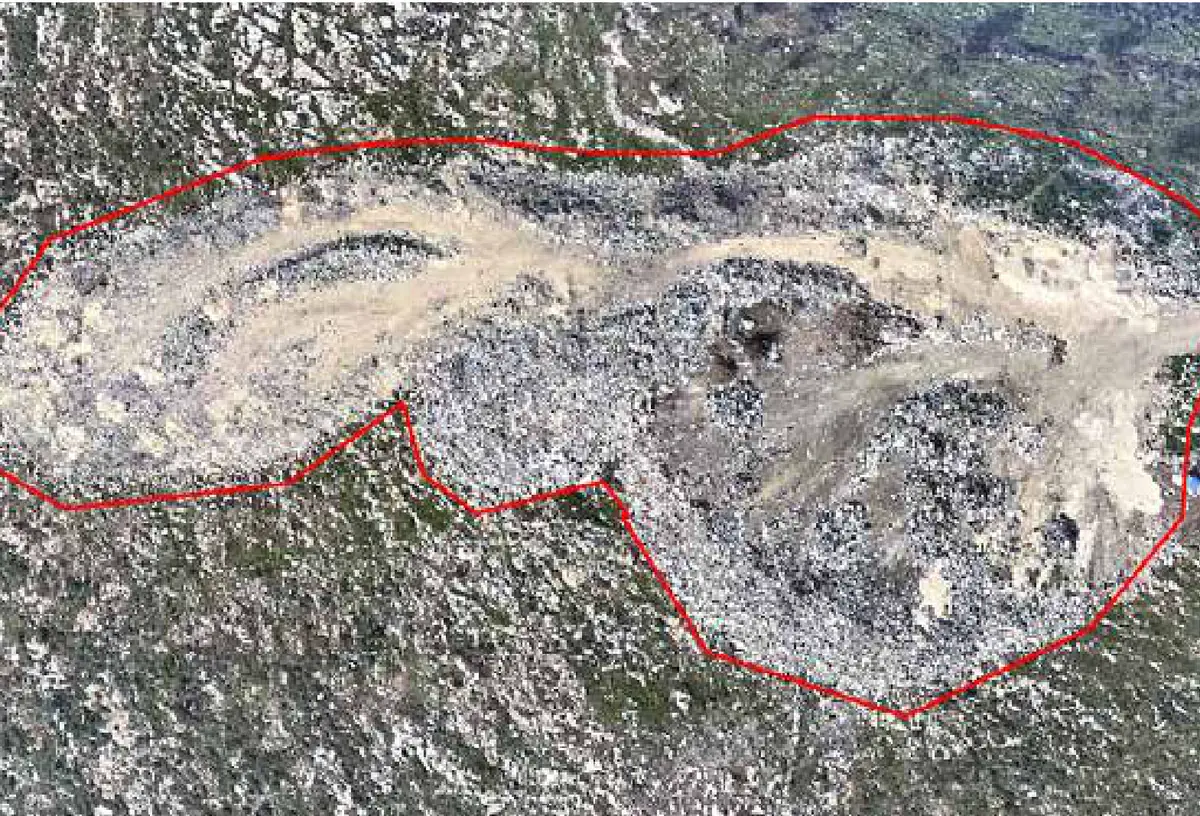
Credit: Eitan Margalit – Samaria Land Department
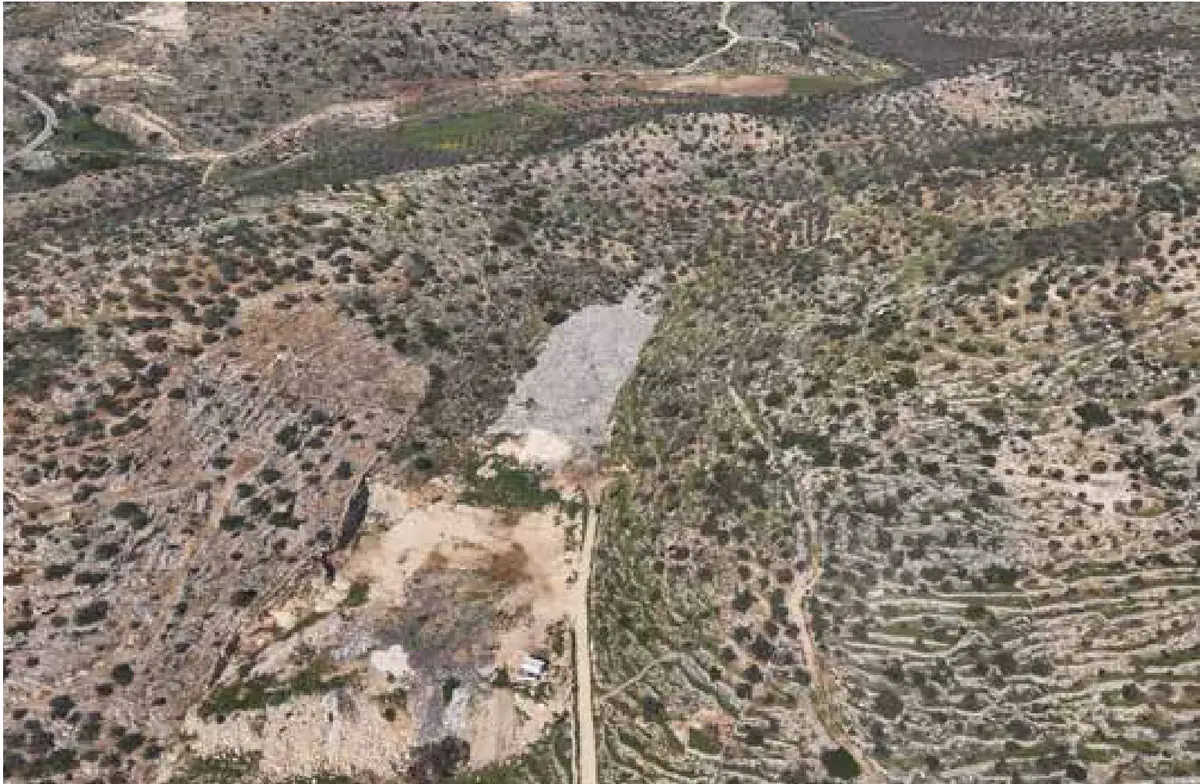
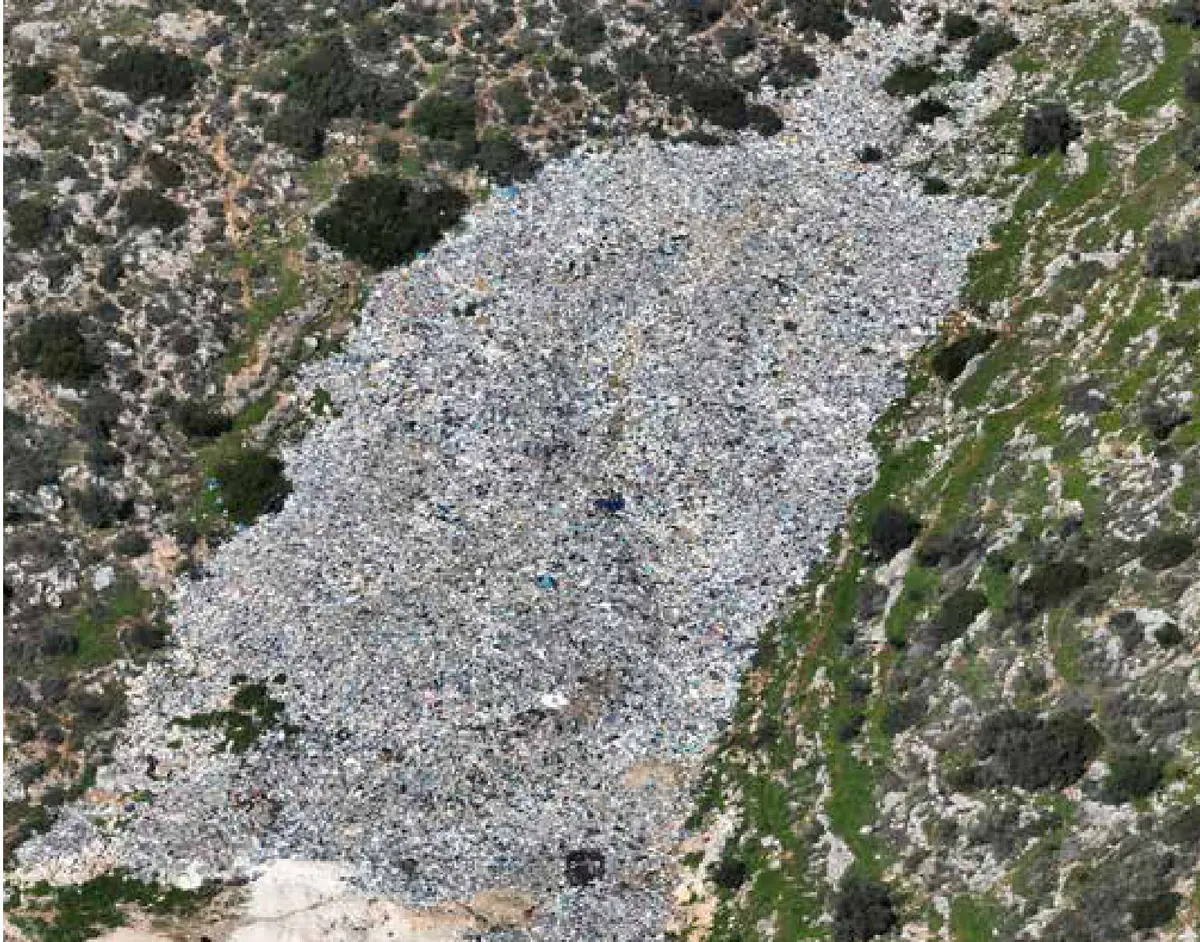
9. Siniriya
- Area
- 17.6 dunams
- Type of Waste
- Domestic and groundwork surplus
- Proximity to sensitive sites
- stream, village
- Status of hazard
- Ongoing
- Incineration status
- None
- Area
- C
- GPS Coordinates
- 32.13657,35.04371
- General
- Local dumping site
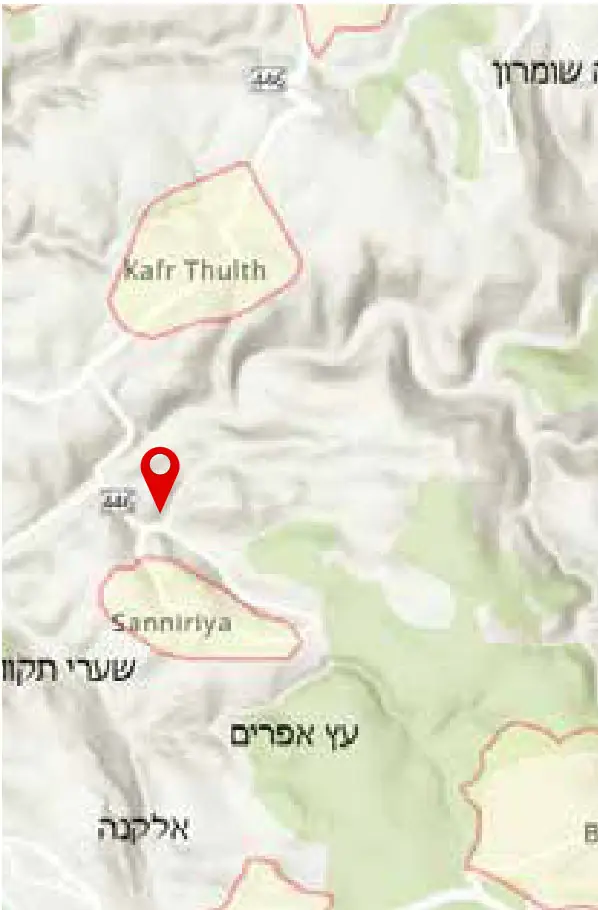
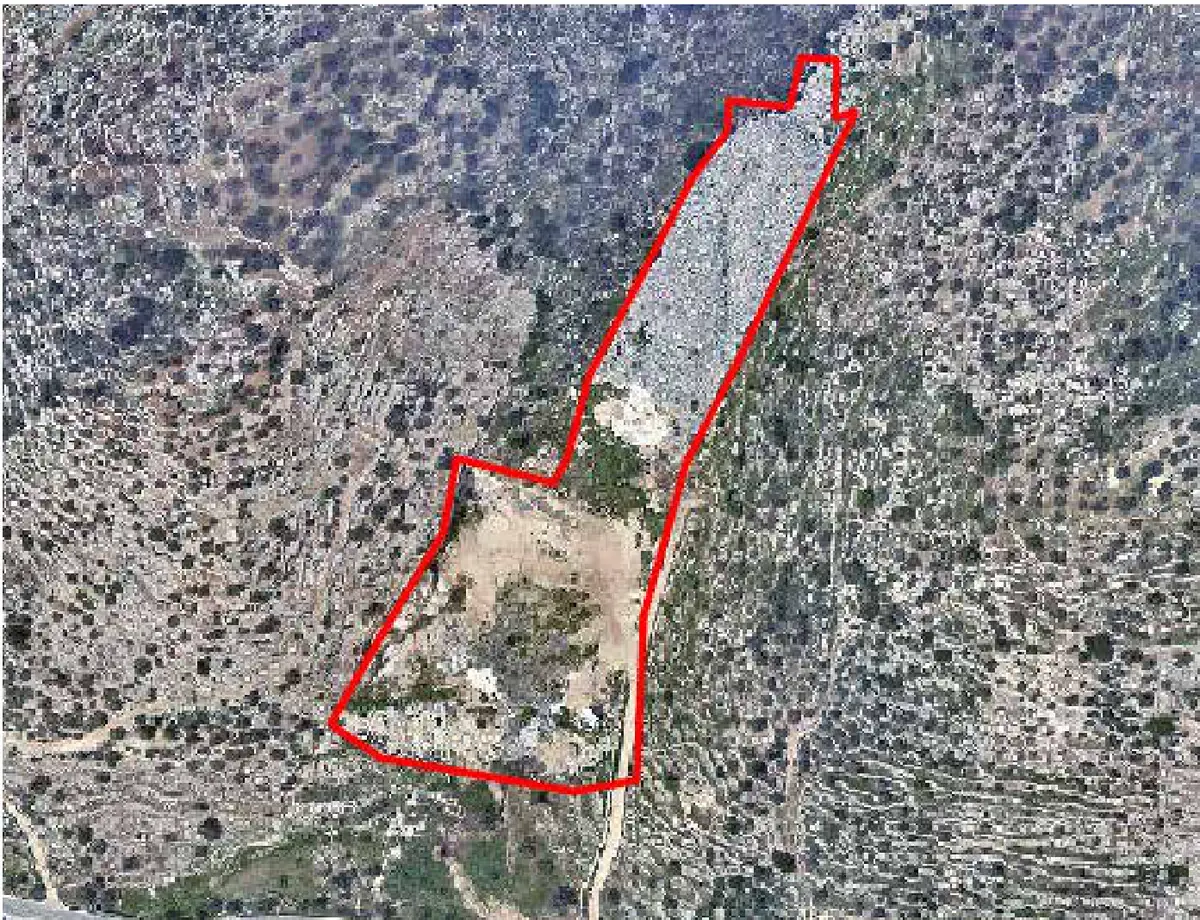
Credit: Eitan Margalit – Samaria Land Department
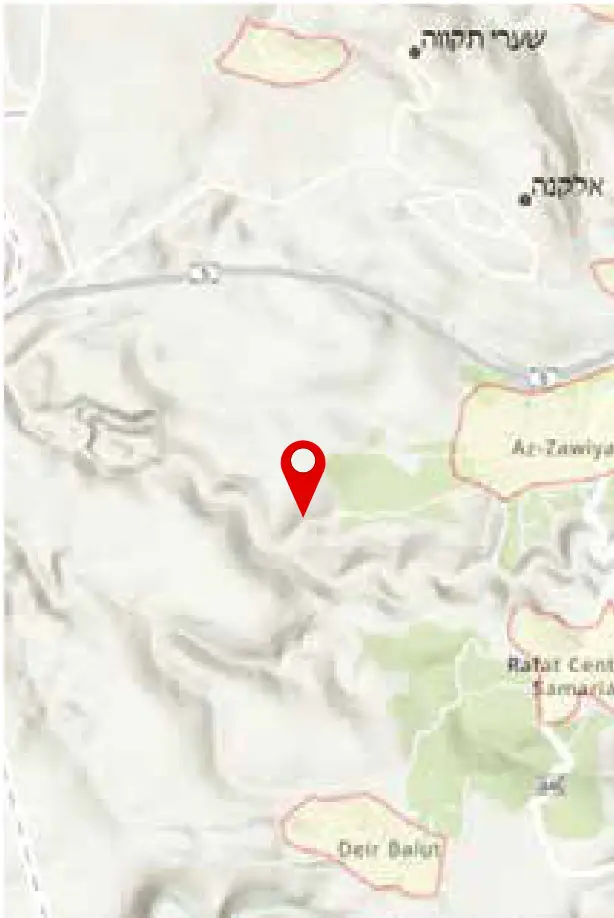
10. a-Zawiya
- Area
- 15 dunams
- Type of Waste
- Domestic
- Proximity to sensitive sites
- stream, separation barrier
- Status of hazard
- Ongoing
- Incineration status
- Alight at the time of survey
- Area
- C
- GPS Coordinates
- 32.08964,35.0187
- General
- Large local dumping site
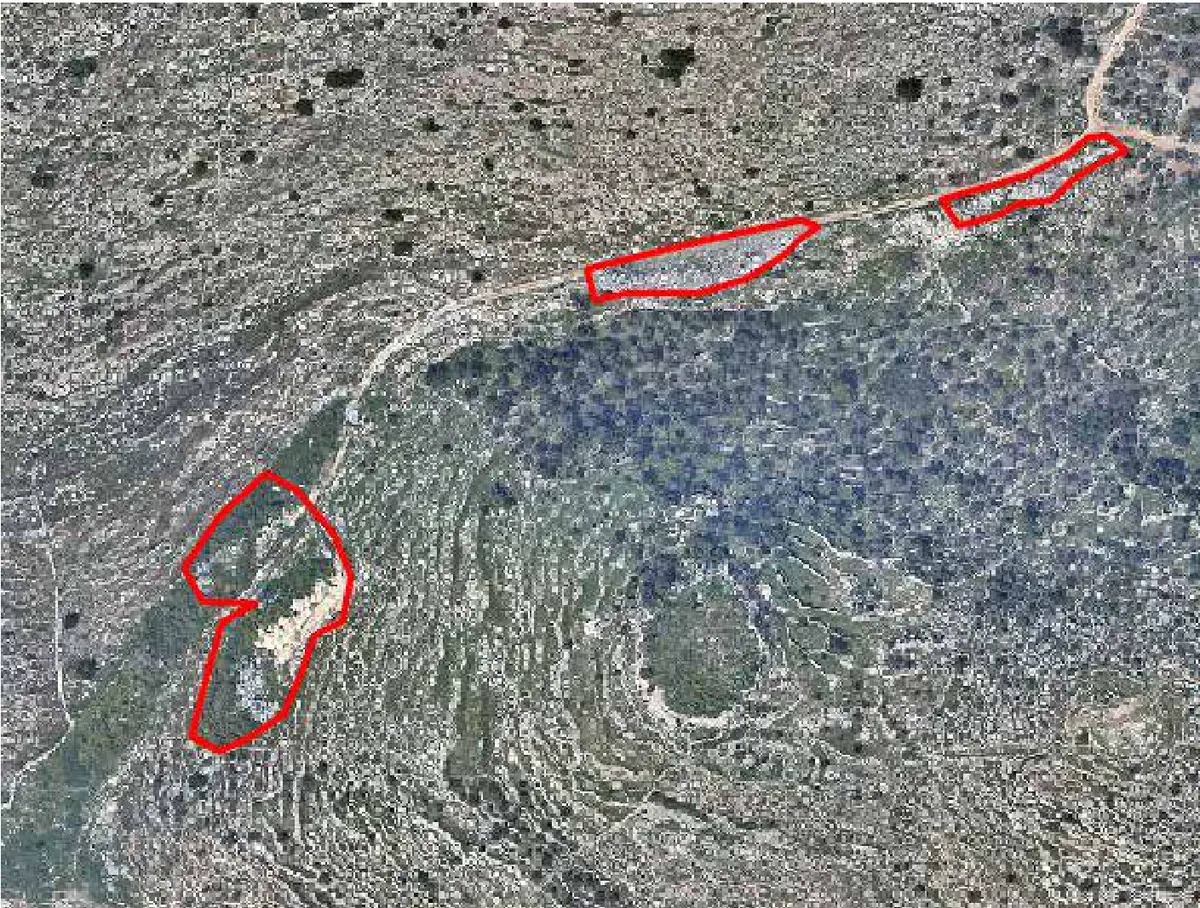
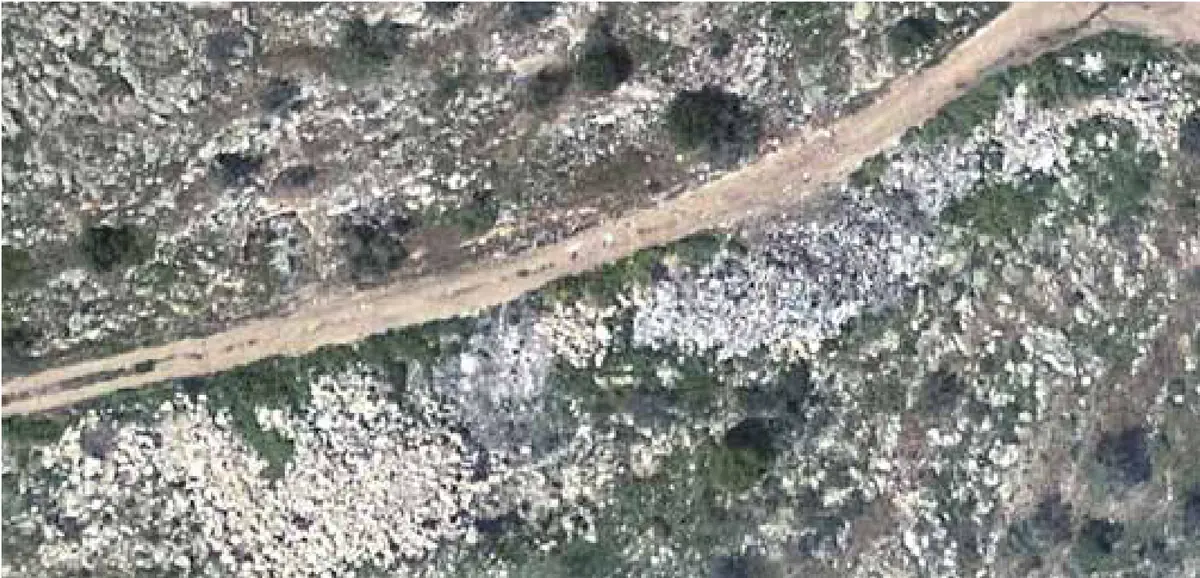
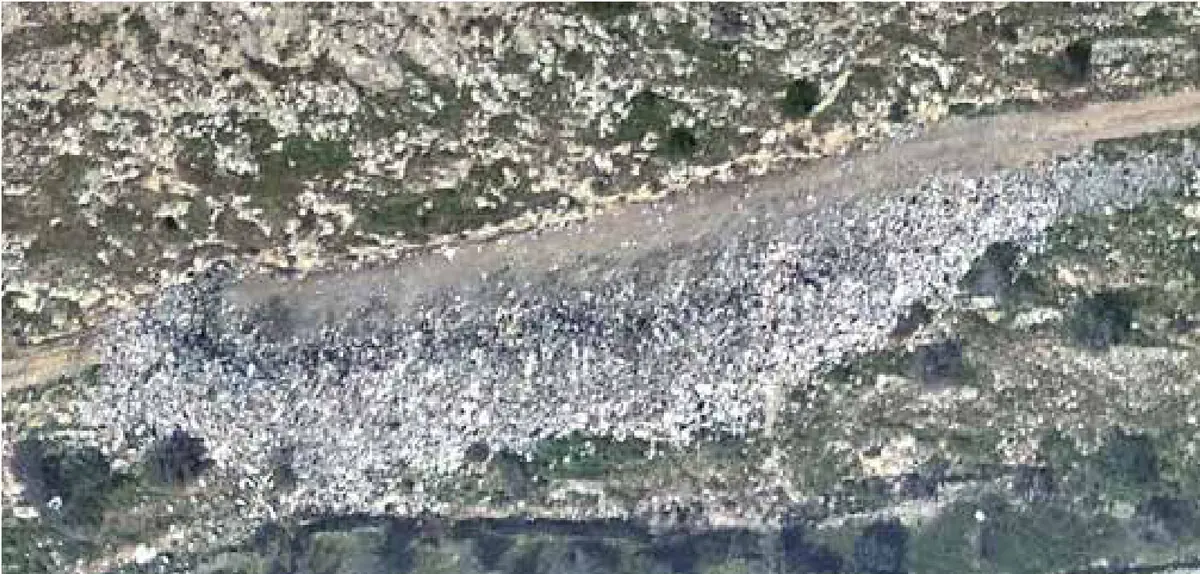
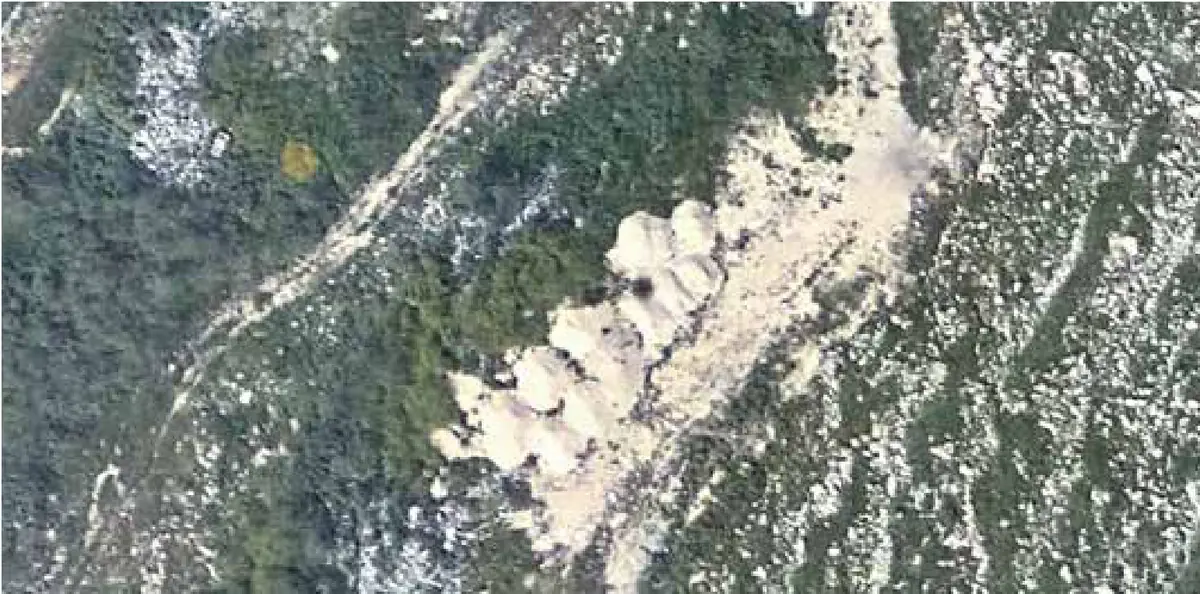
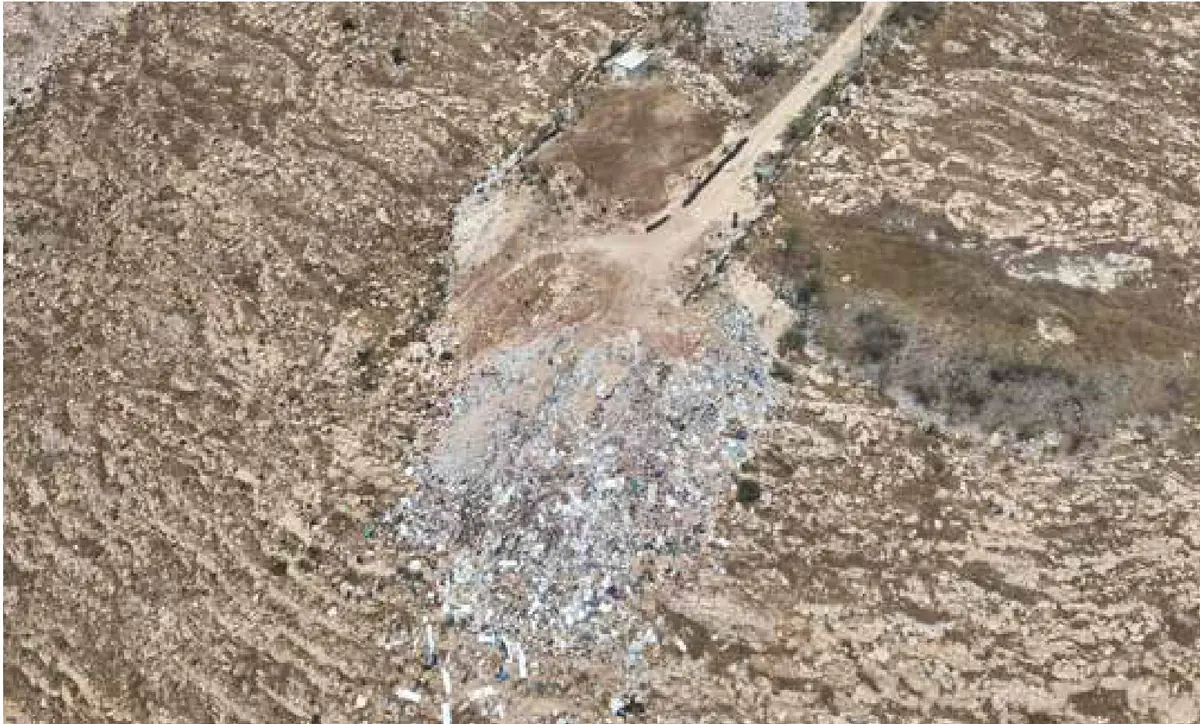
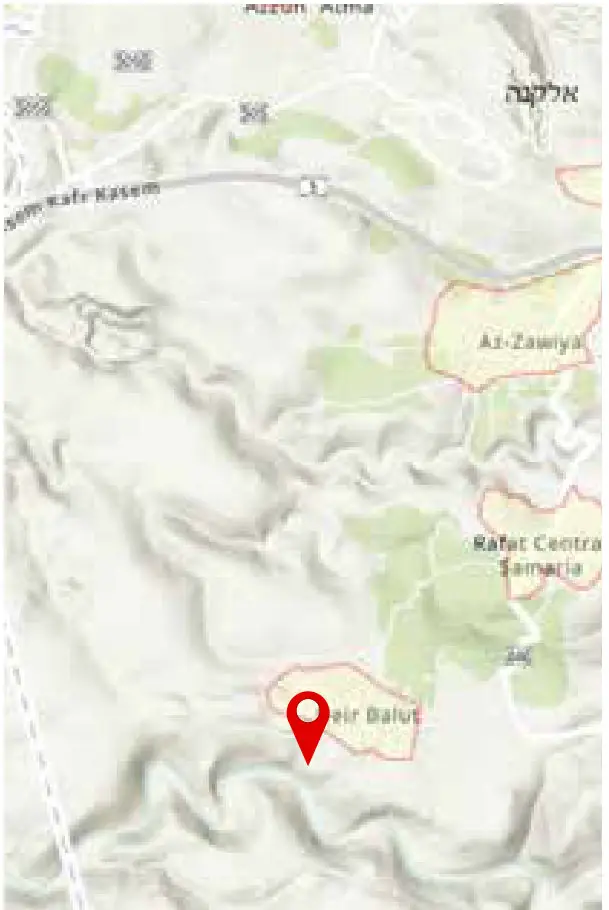
11. Dir Balut (1)
- Area
- 10.4 dunams
- Type of Waste
- Domestic
- Proximity to sensitive sites
- stream, separation barrier
- Status of hazard
- Ongoing
- Incineration status
- None
- Area
- C
- GPS Coordinates
- 32.06454,35.00457
- General
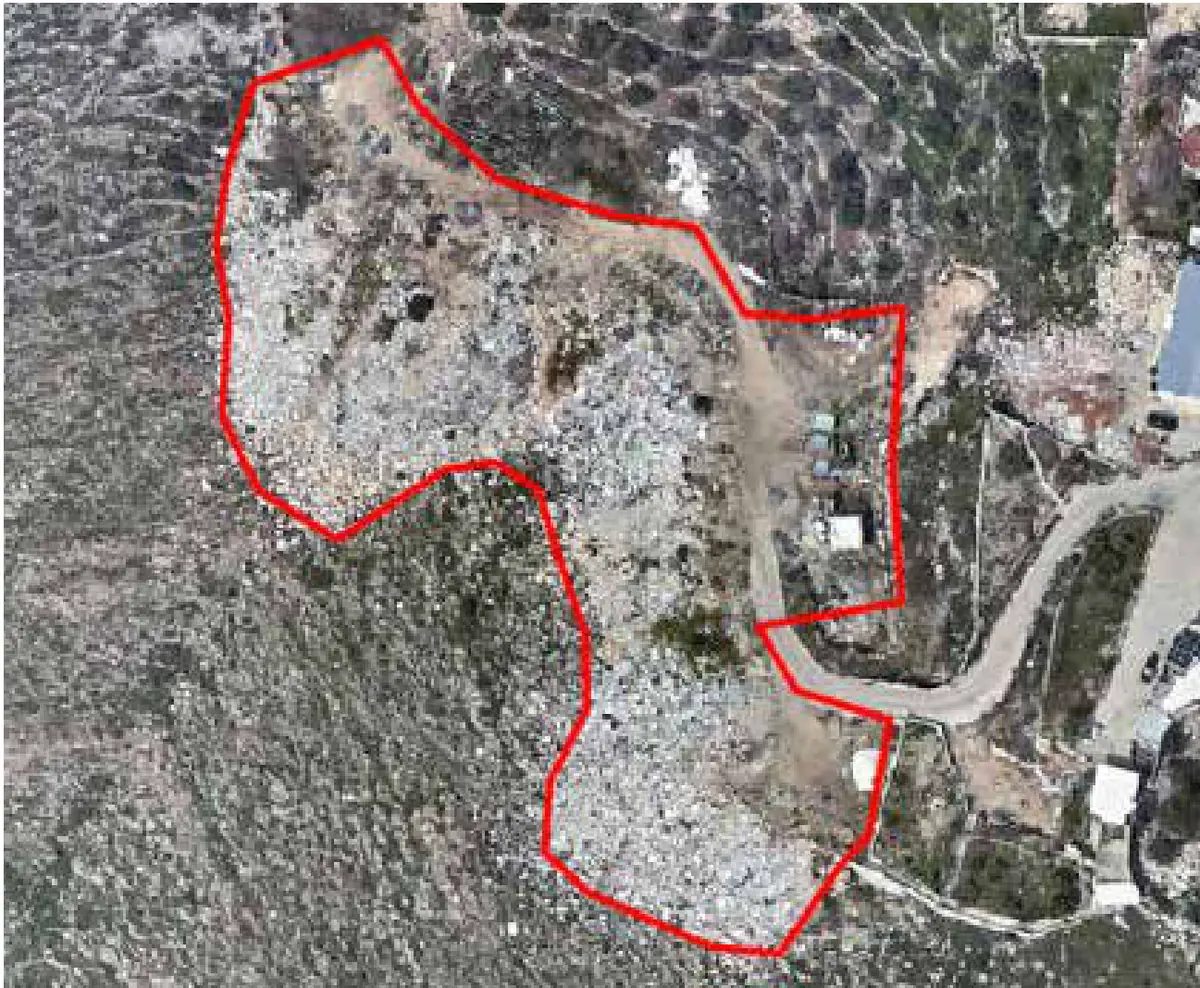
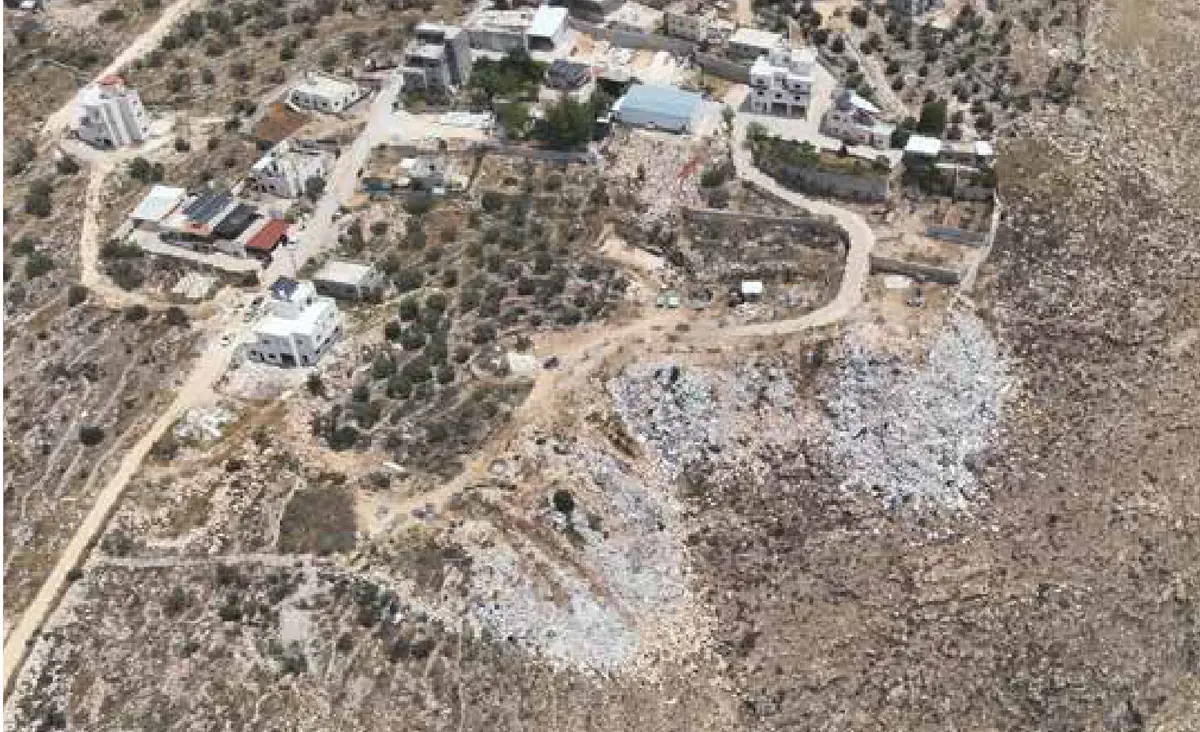
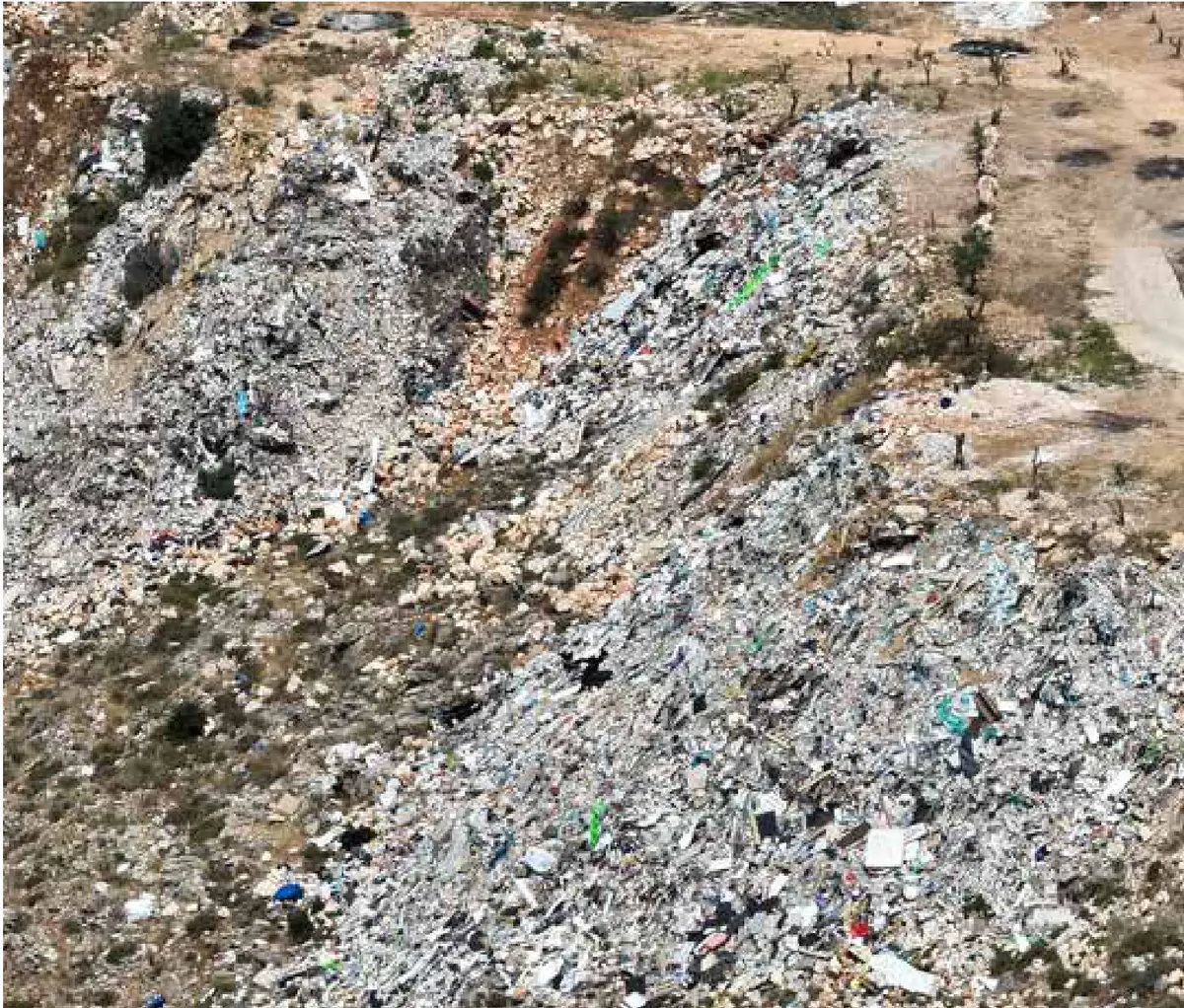
- Landfill located in IDF Firing Zone 203
| 12. Dir | Bal | |
|---|---|---|
| Area: 7.3 Type of Proximit stream, s Status o Incinerat Area: C GPS Coo General: Zone 203 | dunams Waste: Domestic y to sensitive site eparation barrier f hazard: Ongoing ion status: None rdinates: 32.06451,3 Landfill located in ID | s: 5.00626 F Firing |
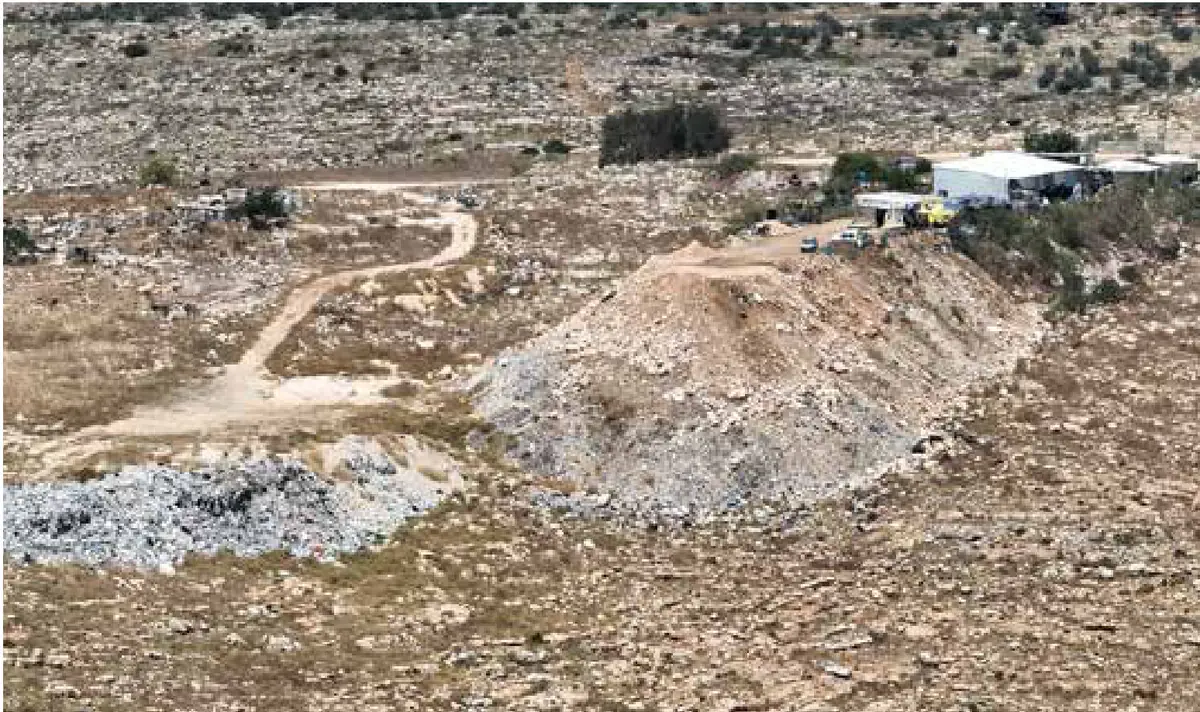
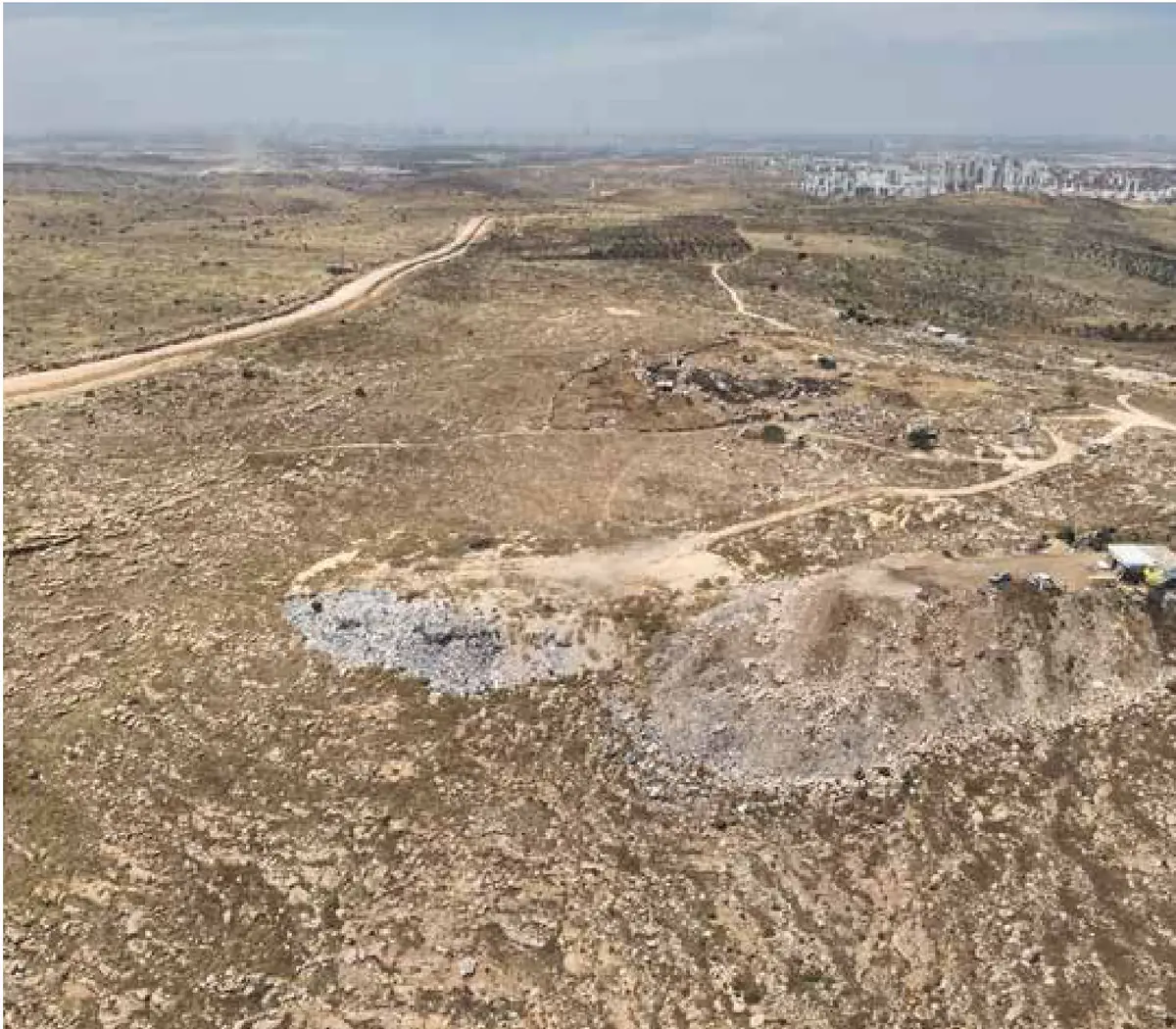
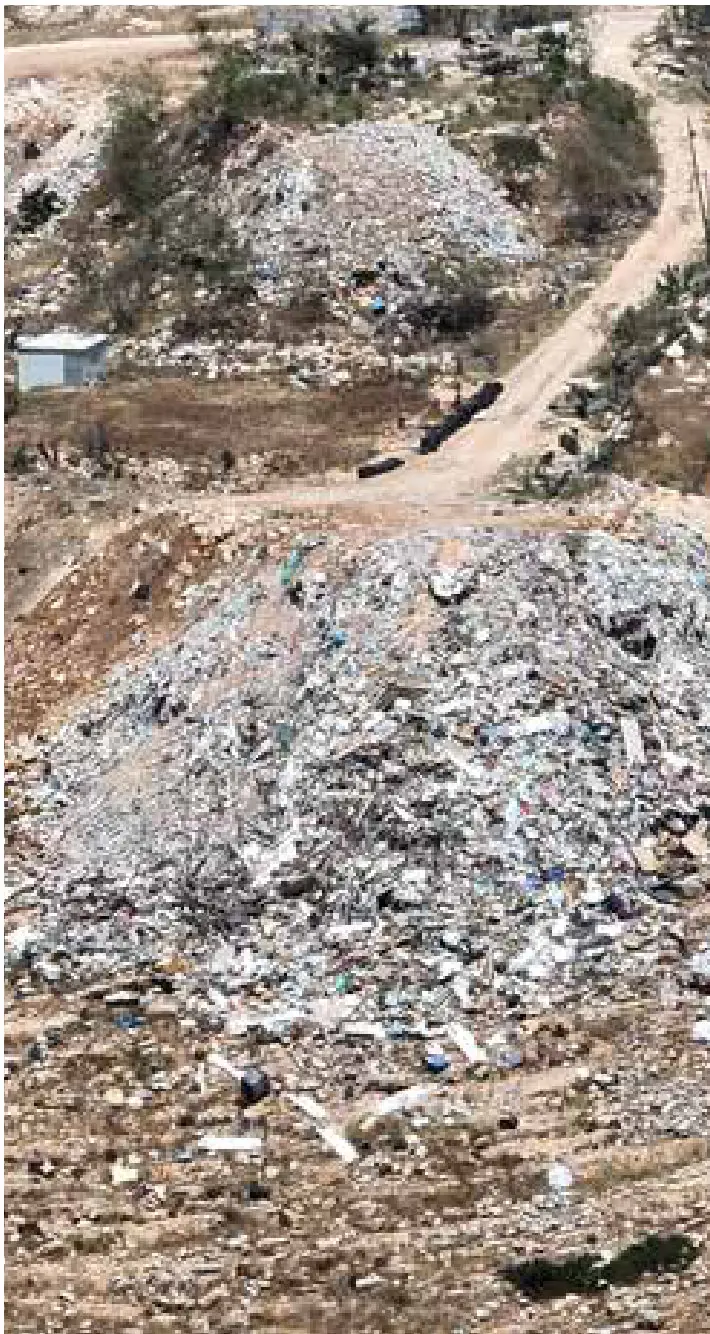
13. Dir Balut (3)
- Area
- 7.9 dunams
- Type of Waste
- Domestic
- Proximity to sensitive sites
- stream, village
- Status of hazard
- Ongoing
- Incineration status
- None
- Area
- C
- GPS Coordinates
- 32.06175,35.01889
- General
- Local landfill
14. Beit Rima
- Area
- 4.2 dunams
- Type of Waste
- Domestic
- Proximity to sensitive sites
- None
- Status of hazard
- Ongoing
- Incineration status
- Alight at the time of survey
- Area
- B
- GPS Coordinates
- 32.02264,35.08402
- General
- Local dumping site. Photos document scavenger collecting plastics from the waste
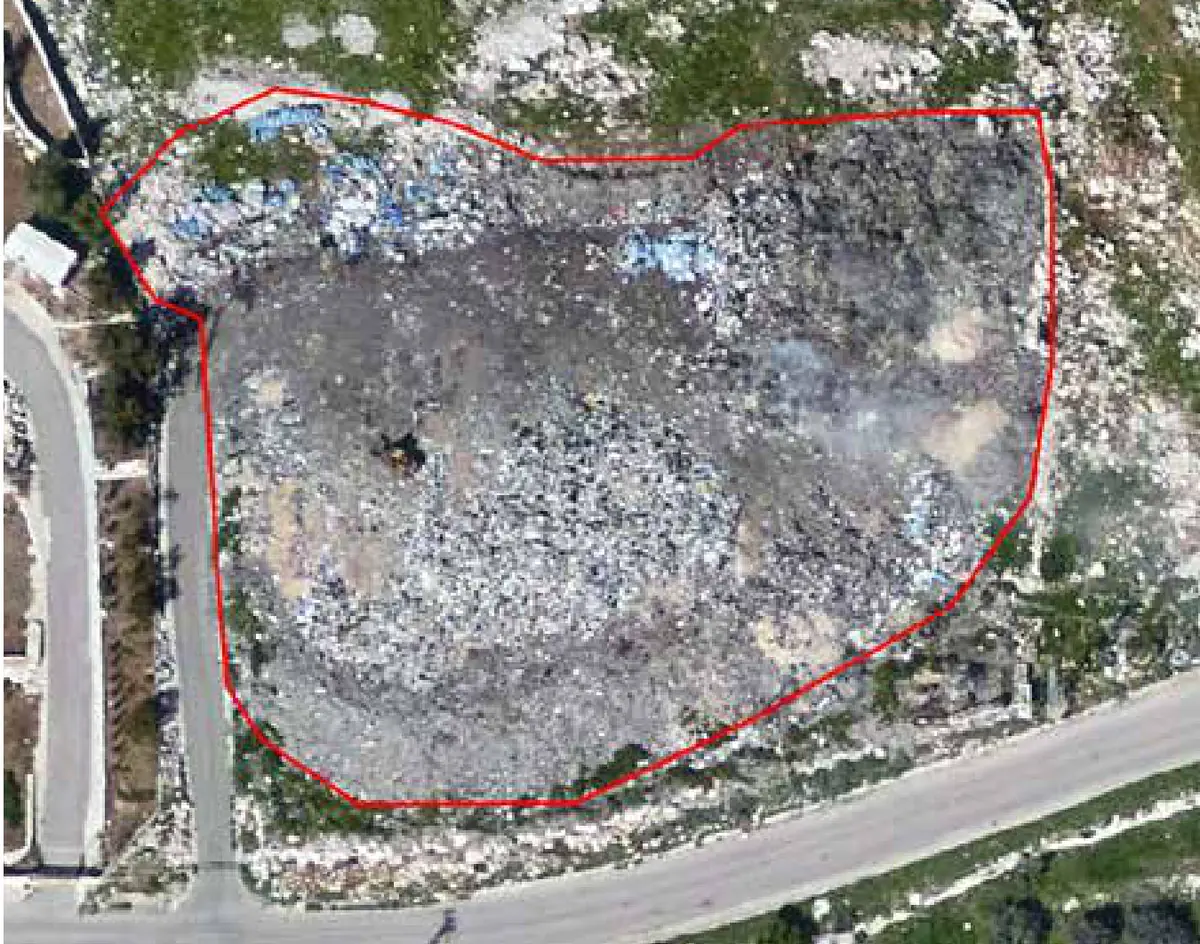
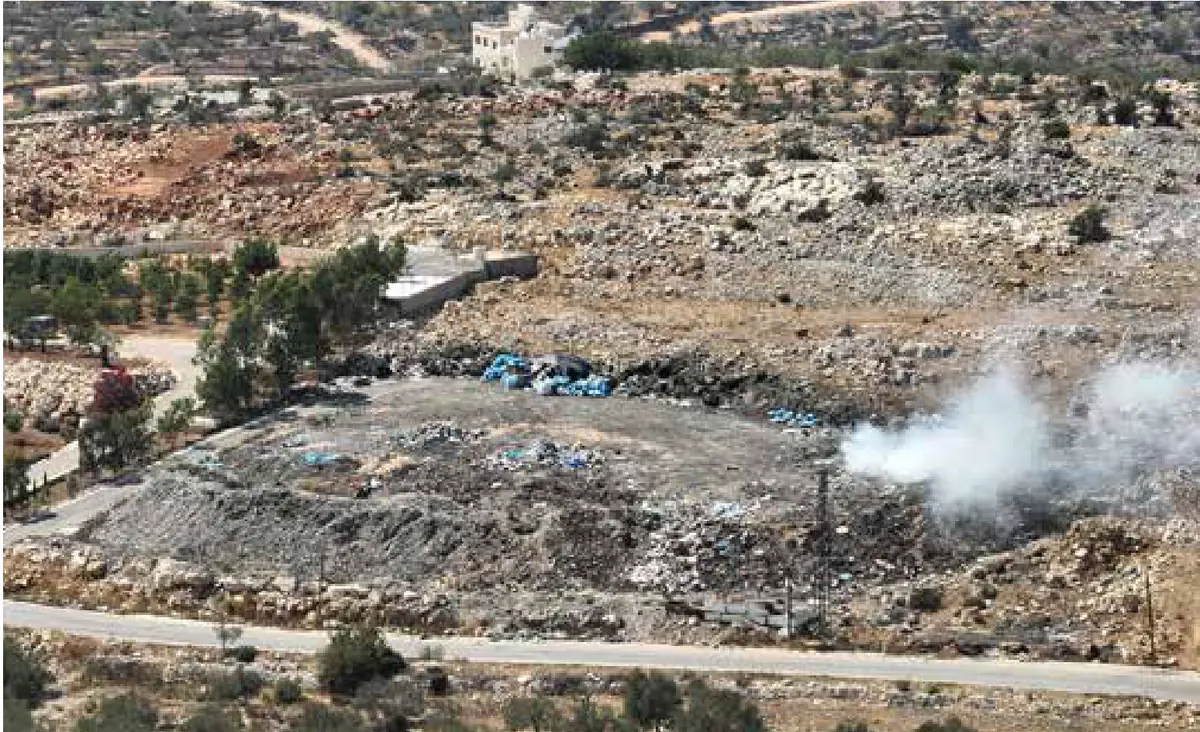
15. Dir Nizam
- Area
- 2.9 dunams
- Type of Waste
- Domestic
- Proximity to sensitive sites
- stream
- Status of hazard
- Ongoing
- Incineration status
- Alight at the time of survey
- Area
- C
- GPS Coordinates
- 31.99932,35.1137
- General
- Local dump
16. Shukba
- Area
- 4.9 dunams
- Type of Waste
- Domestic
- Proximity to sensitive sites
- stream, separation barrier
- Status of hazard
- Ongoing
- Incineration status
- Alight at the time of survey
- Area
- C
- GPS Coordinates
- 32.00095,35.0129
- General
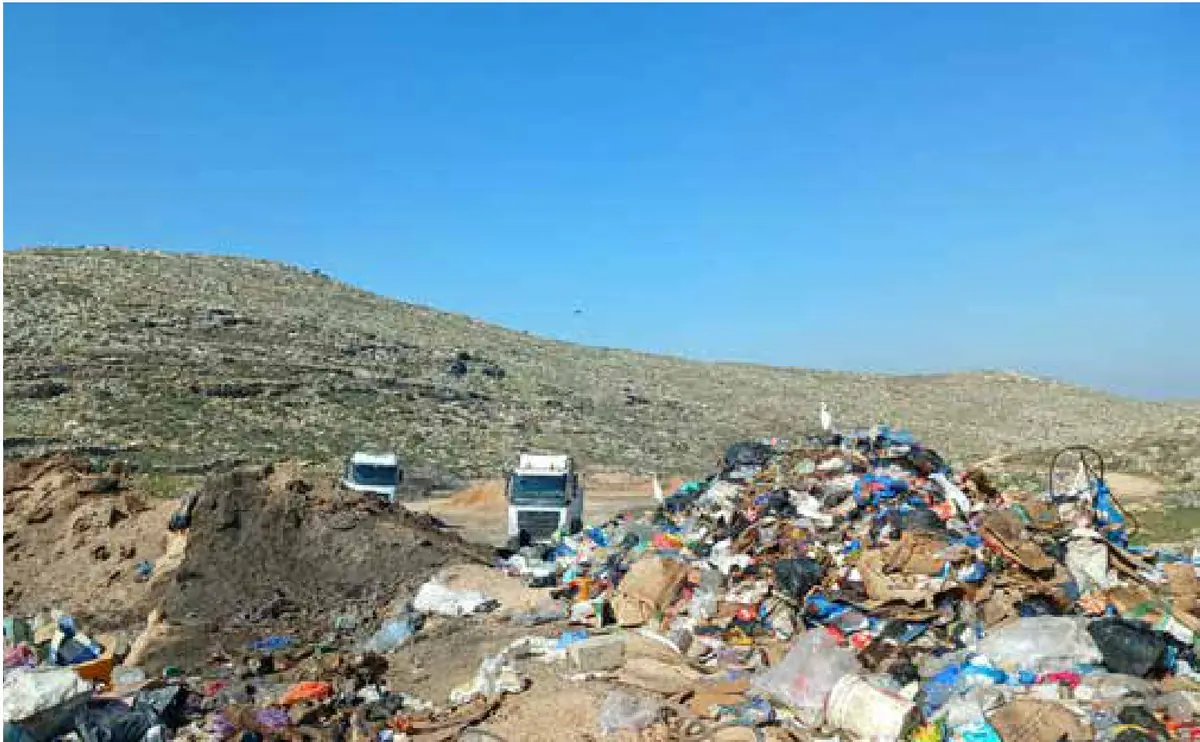
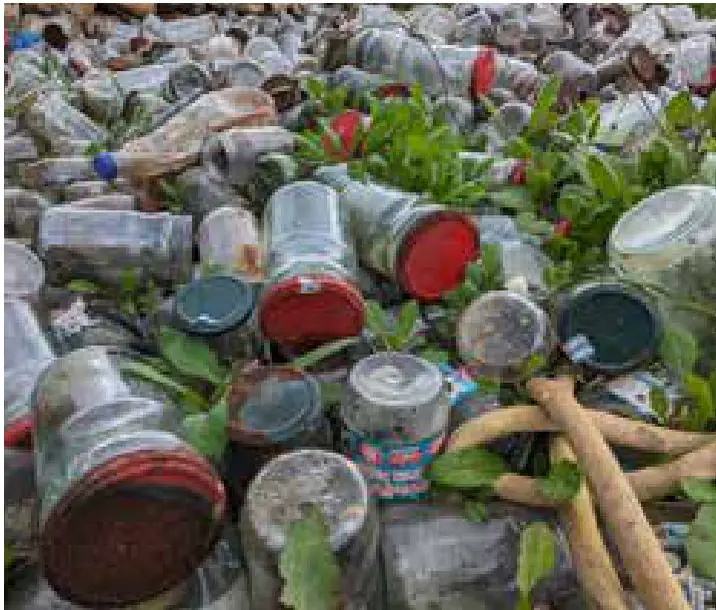
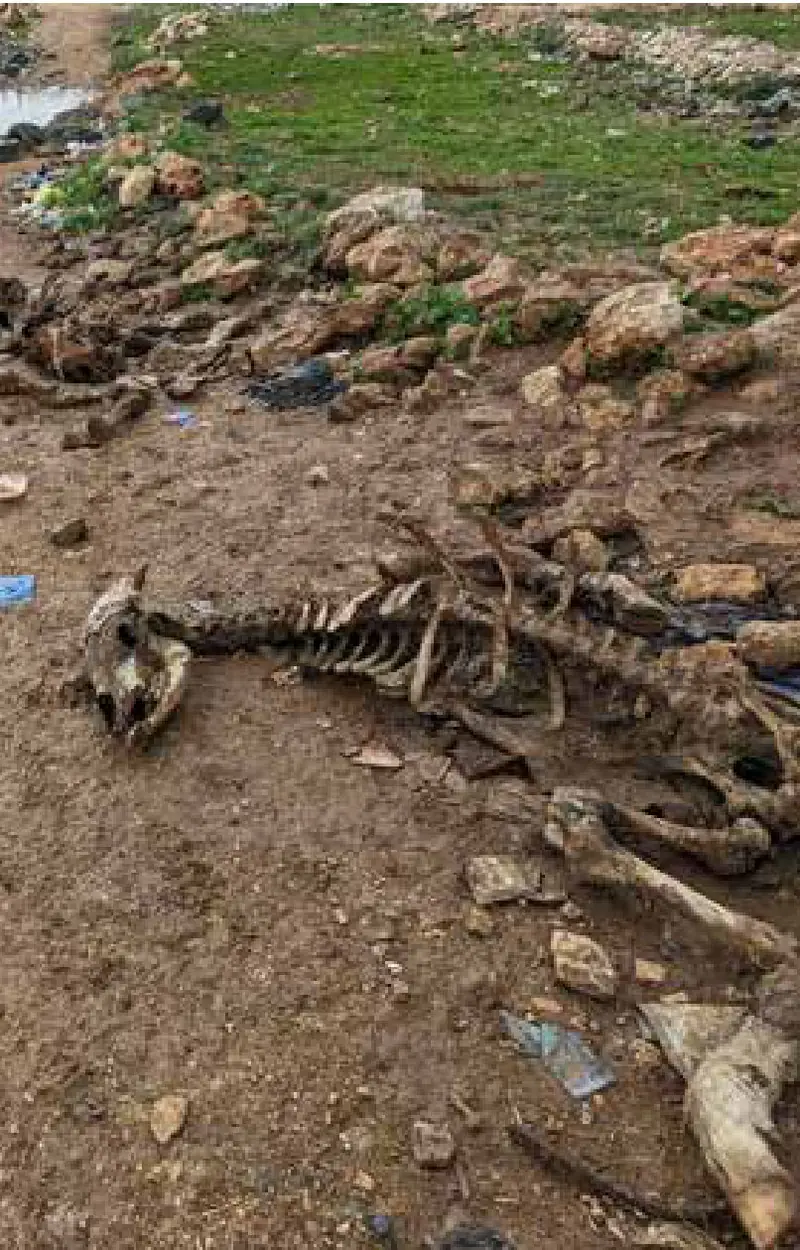
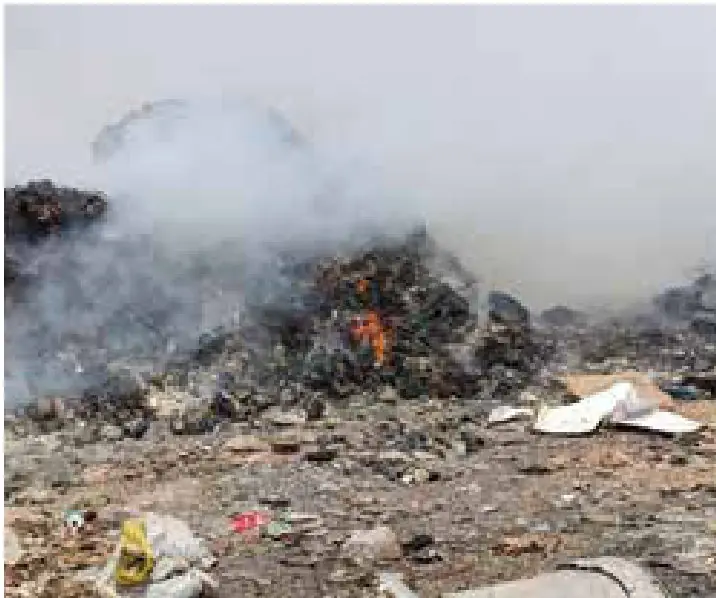
- Large local dump in IDF Firing Zone 203. The Civil Administration sent a contractor to the site to extinguish the burning garbage – to no avail
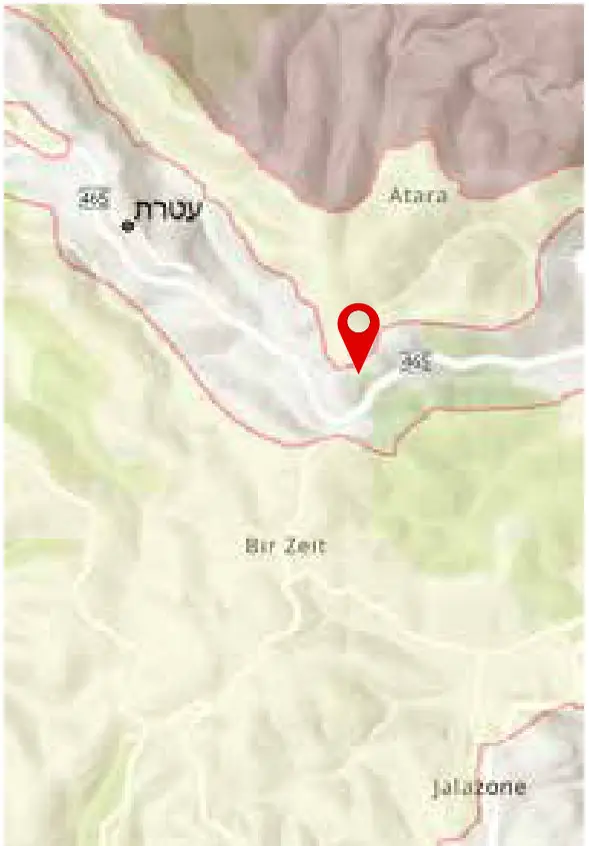
17. Atra (Bir Zeit)
- Area
- 39.4 dunams
- Type of Waste
- Domestic
- Proximity to sensitive sites
- village, roadway
- Status of hazard
- Ongoing
- Incineration status
- None
- Area
- C
- GPS Coordinates
- 31.98828,35.20227
- General
- Regional landfill
18. Kubar
- Area
- 9.7 dunams
- Type of Waste
- Domestic and groundwork surplus soil
- Proximity to sensitive sites
- stream
- Status of hazard
- Ongoing
- Incineration status
- Signs of incineration
- Area
- C
- GPS Coordinates
- 31.9894,35.13397
- General
- Local dump
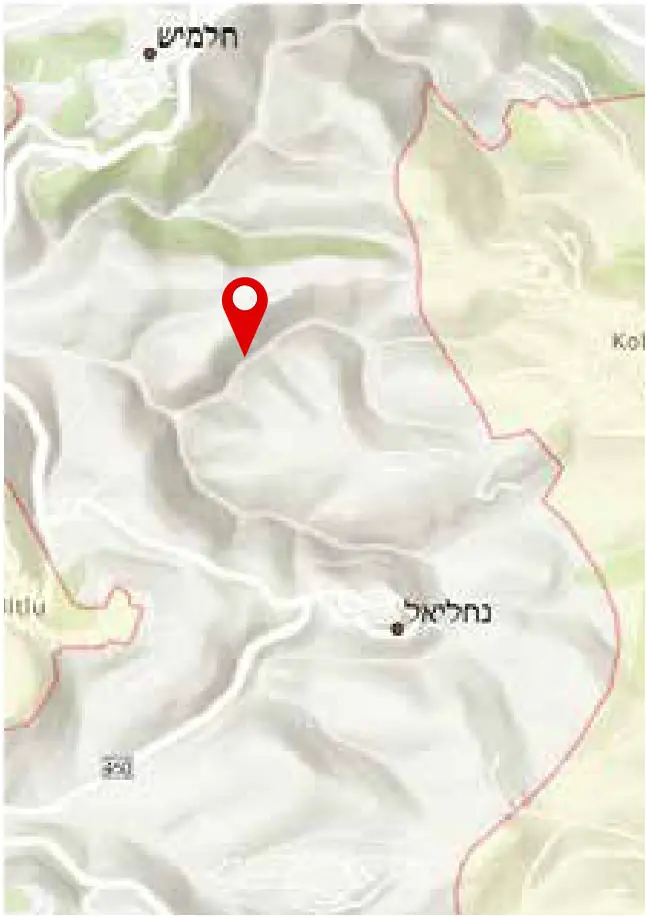
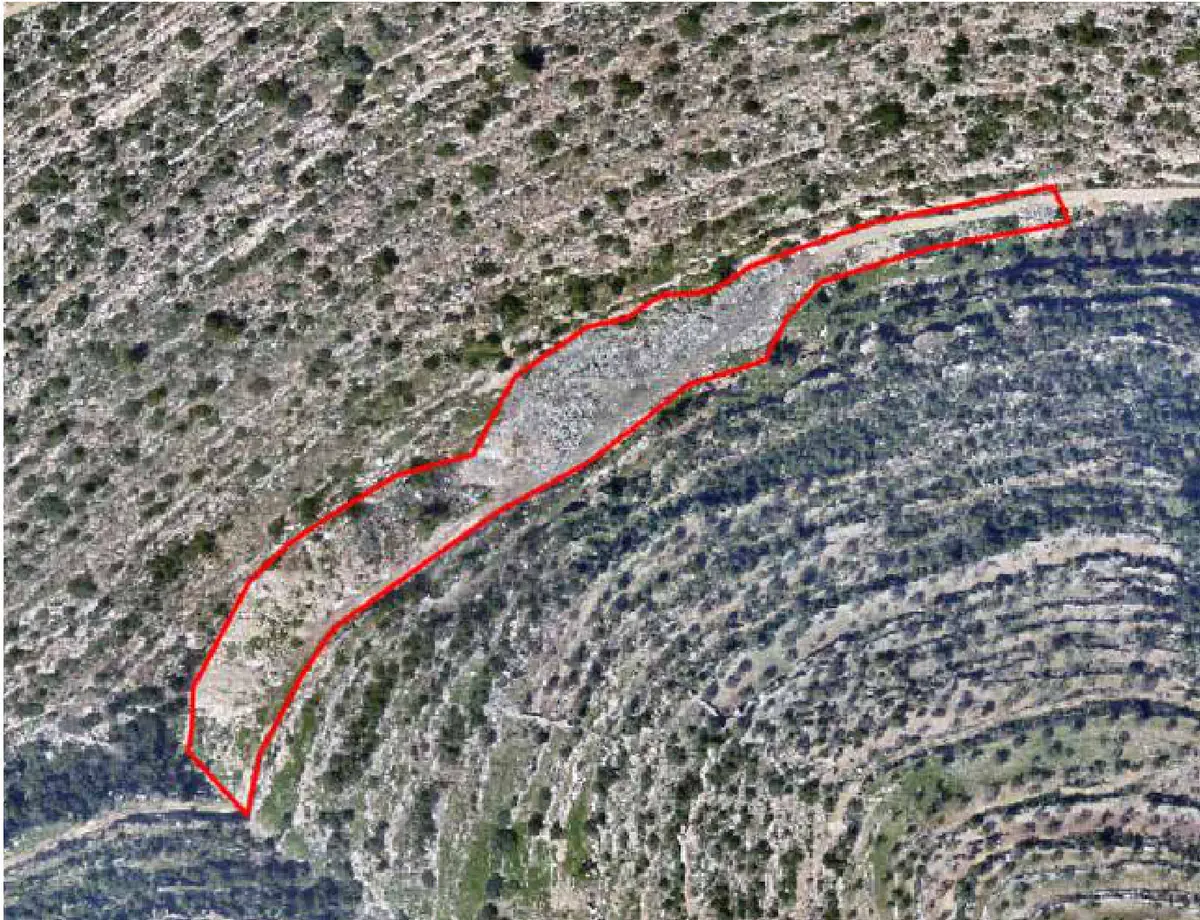
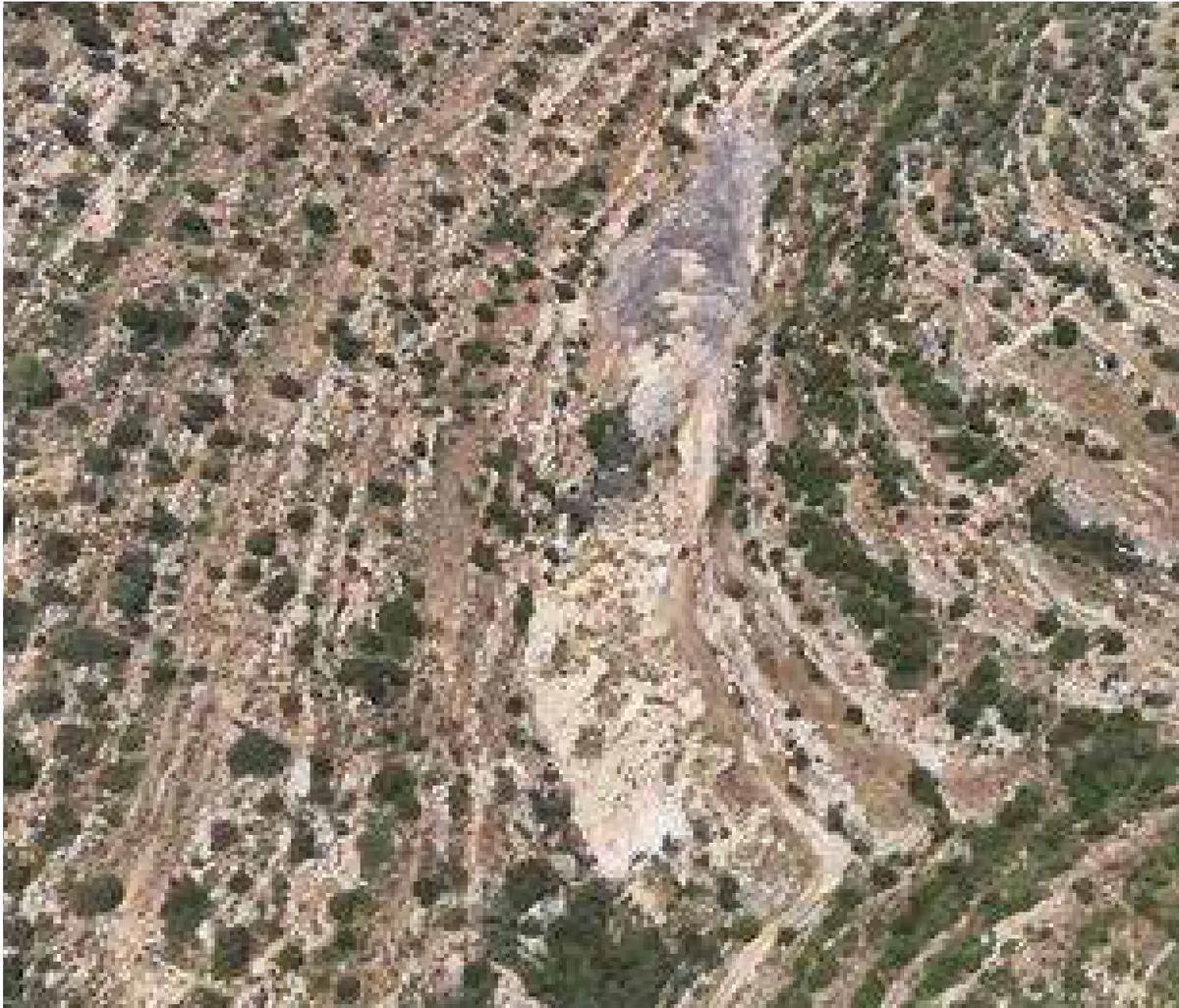
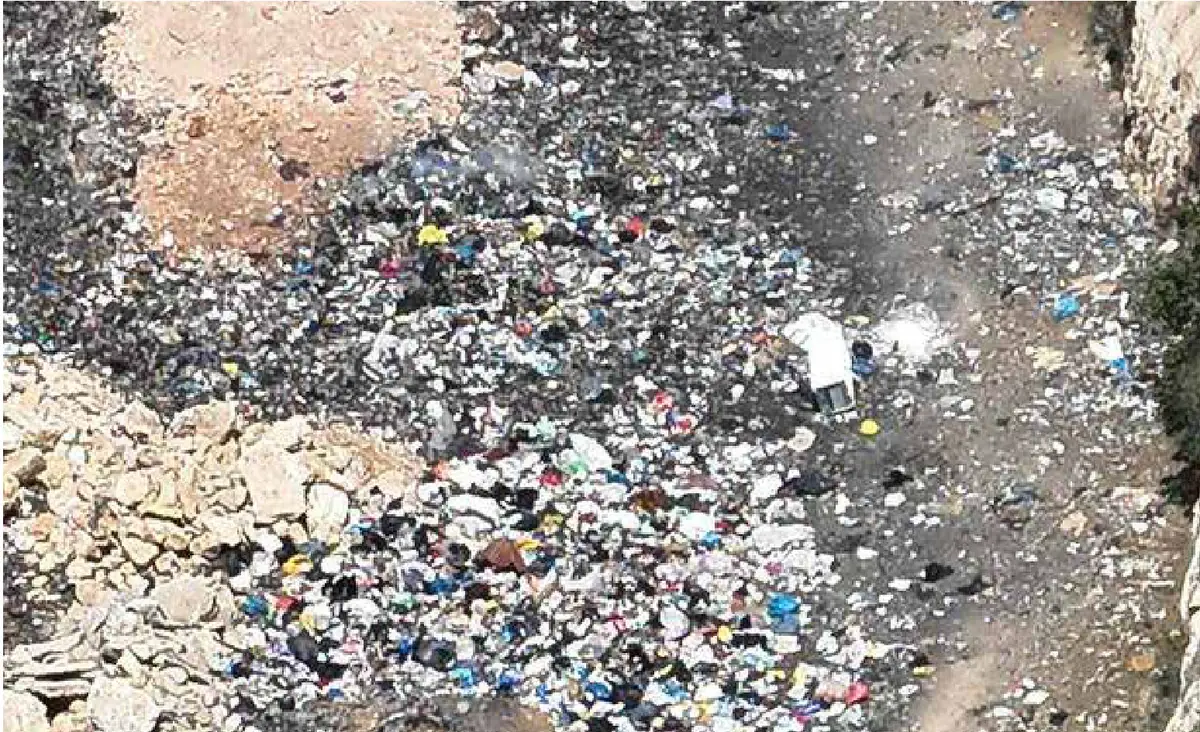
19. Dir Abu Mash’al
- Area
- 5.1 dunams
- Type of Waste
- Domestic
- Proximity to sensitive sites
- stream, village
- Status of hazard
- Ongoing
- Incineration status
- Alight at the time of survey
- Area
- B
- GPS Coordinates
- 31.98729,35.05918
- General
- Local dump
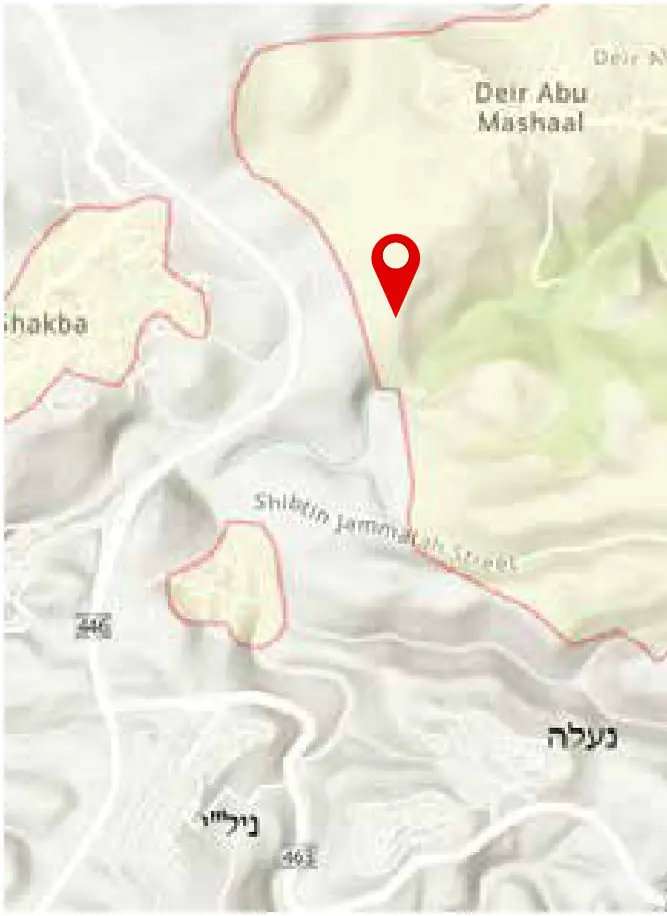
20. Shibtin
- Area
- 15.5 dunams
- Type of Waste
- Domestic
- Proximity to sensitive sites
- stream
- Status of hazard
- Inactive
- Incineration status
- Alight at the time of survey
- Area
- C
- GPS Coordinates
- 31.98053,35.05667
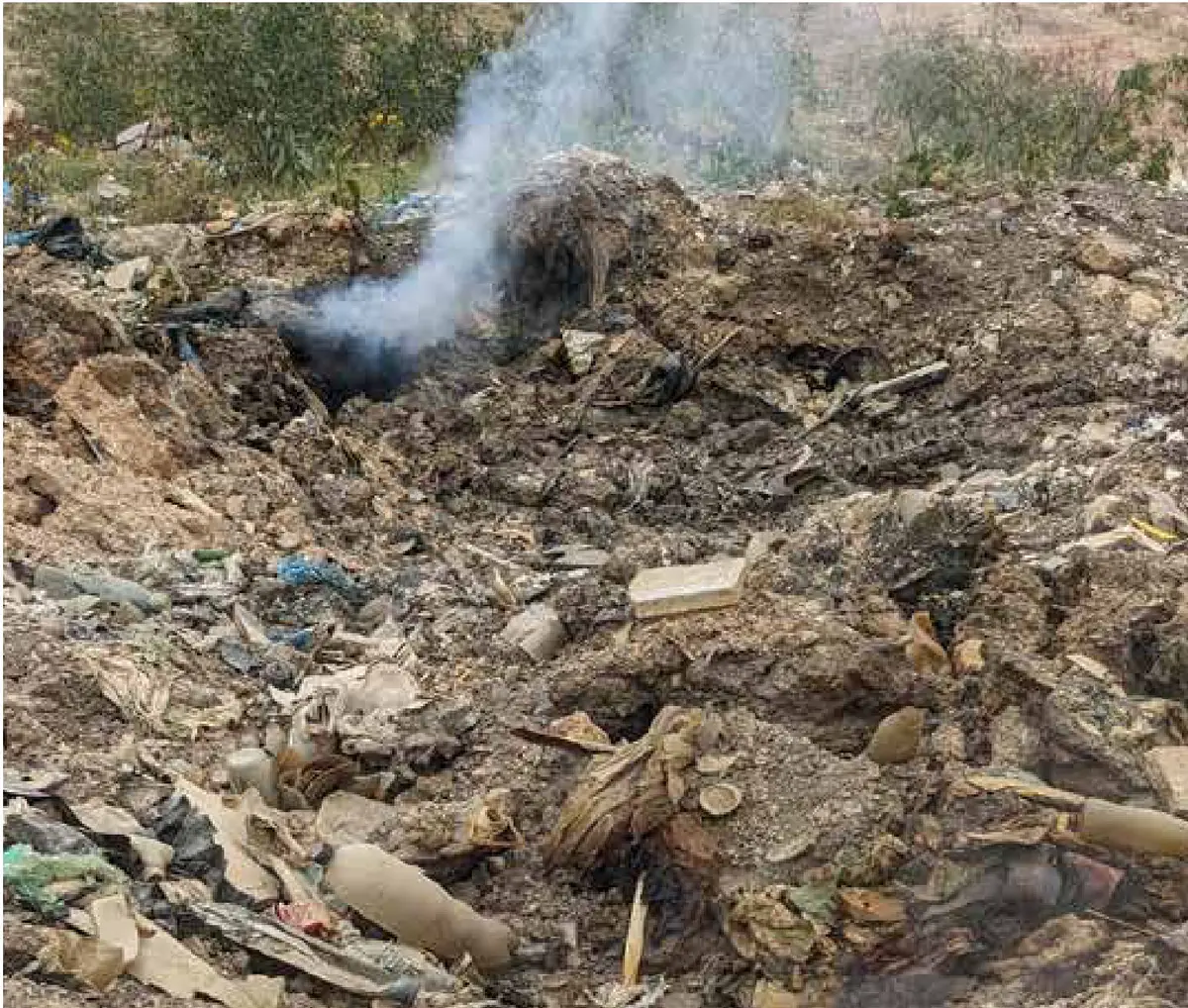
- General
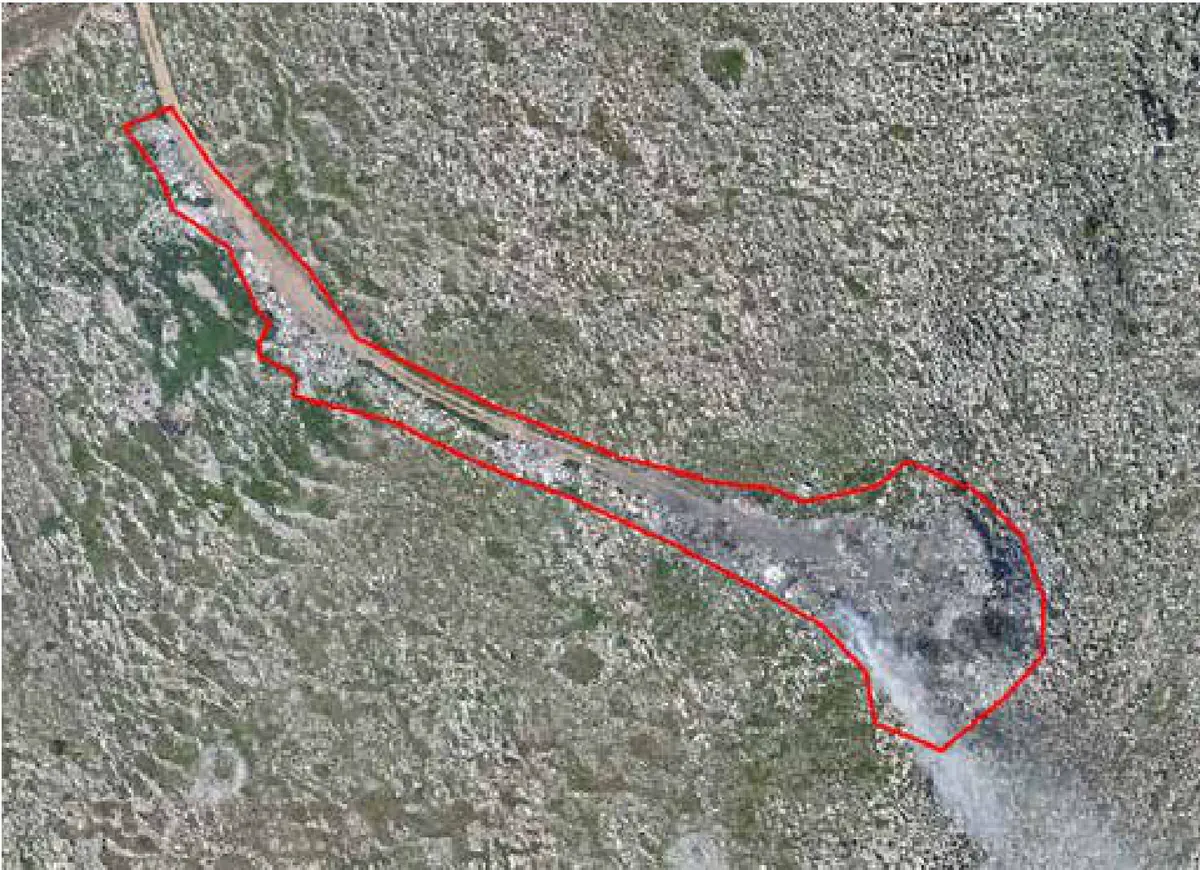
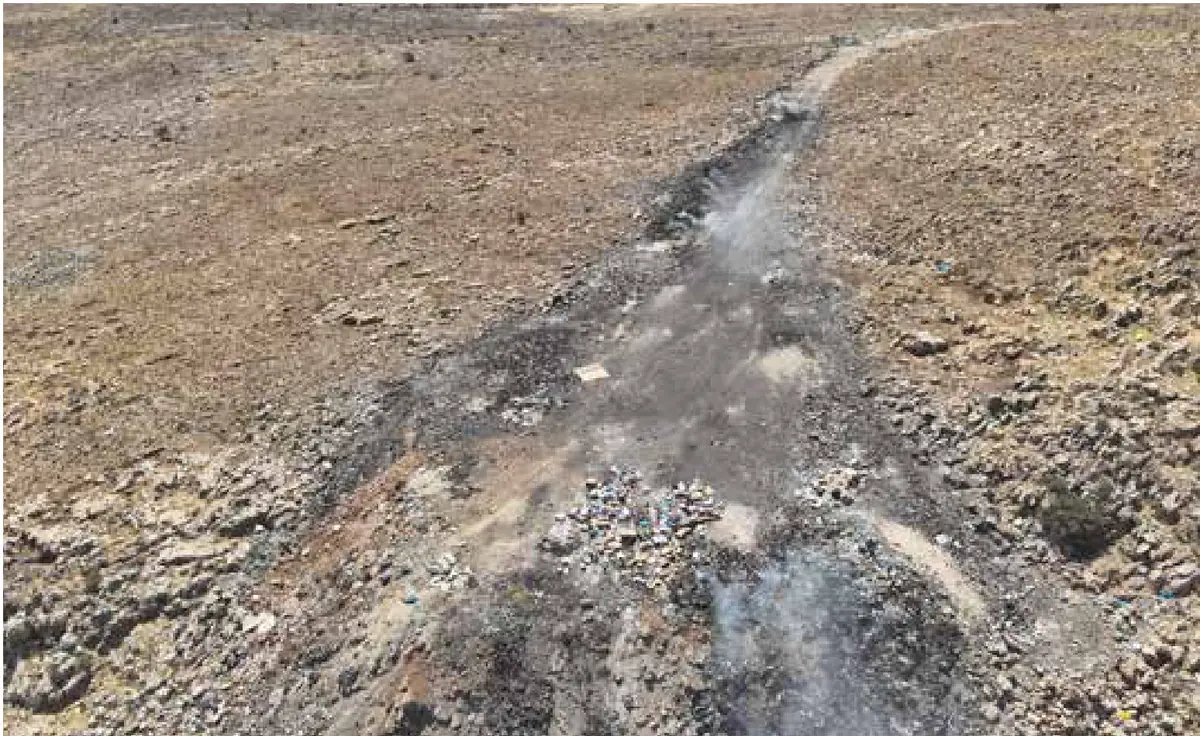
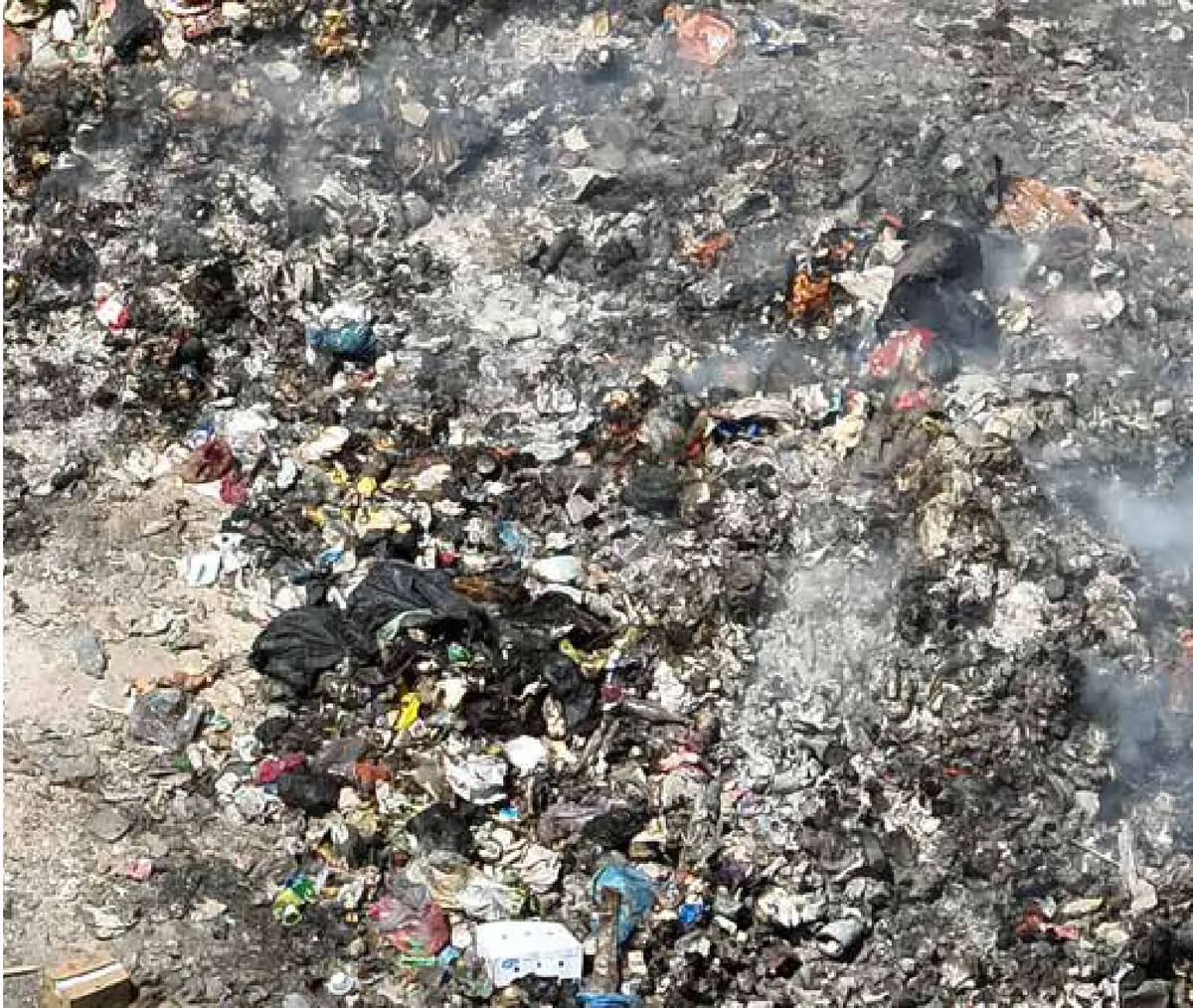
- Large local landfill that was shut down by the Civil Administration but fire continues to burn at the core of the heap (“The Devil’s Pits”)
21. Bitilu
- Area
- 4.6 dunams
- Type of Waste
- Domestic
- Proximity to sensitive sites
- stream
- Status of hazard
- Ongoing
- Incineration status
- Alight at the time of survey
- Area
- B
- GPS Coordinates
- 31.97872,35.09826
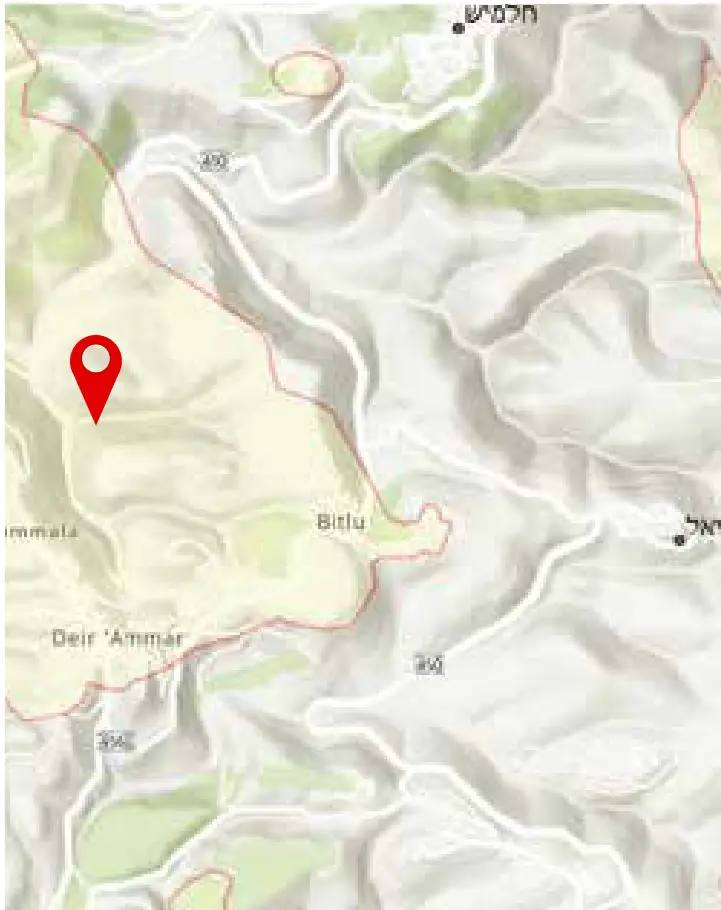
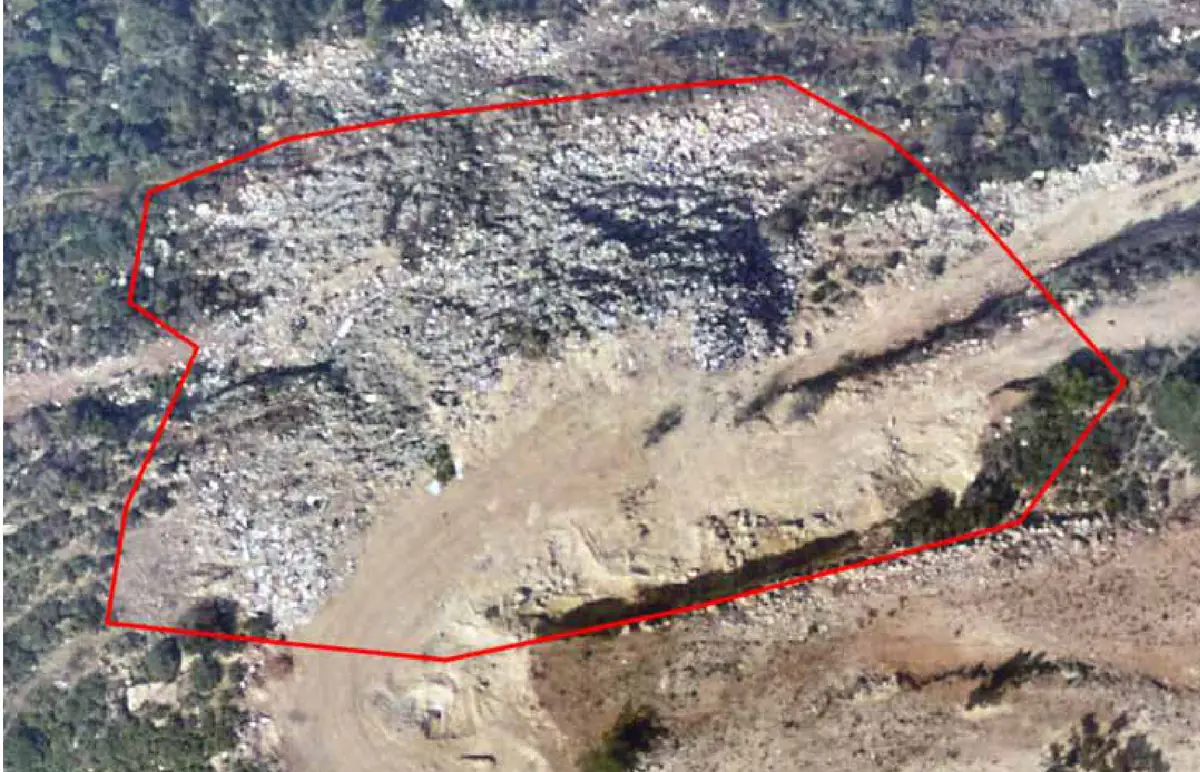
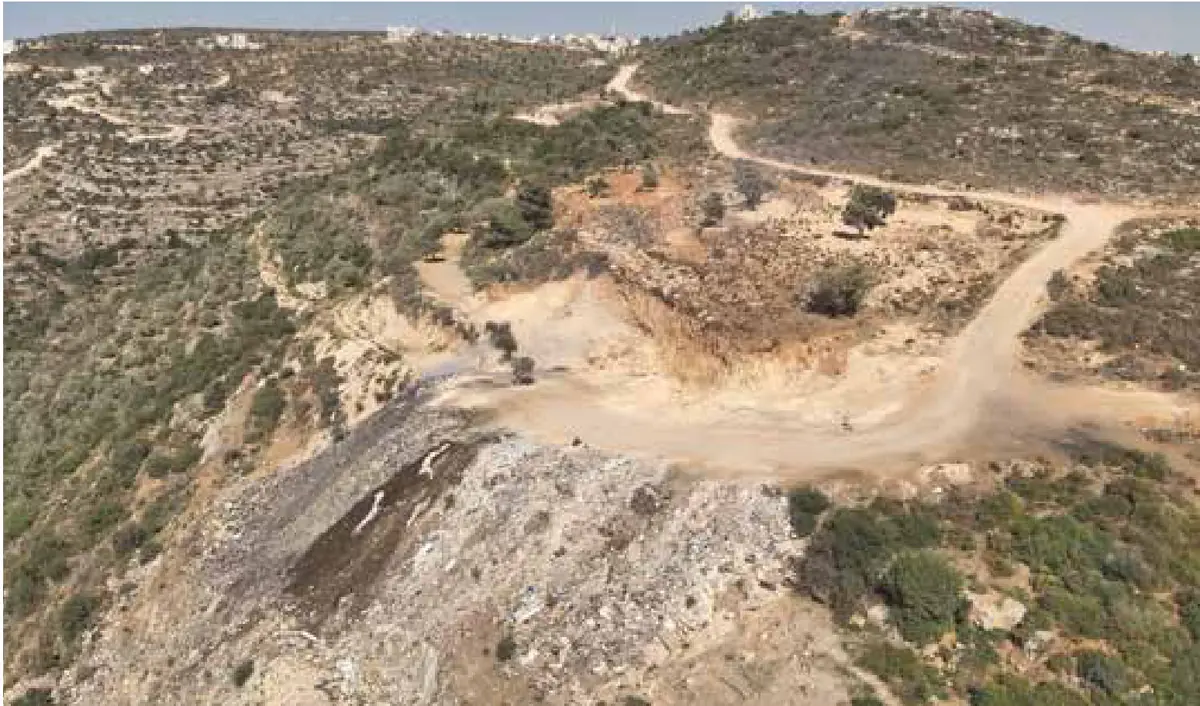
- General
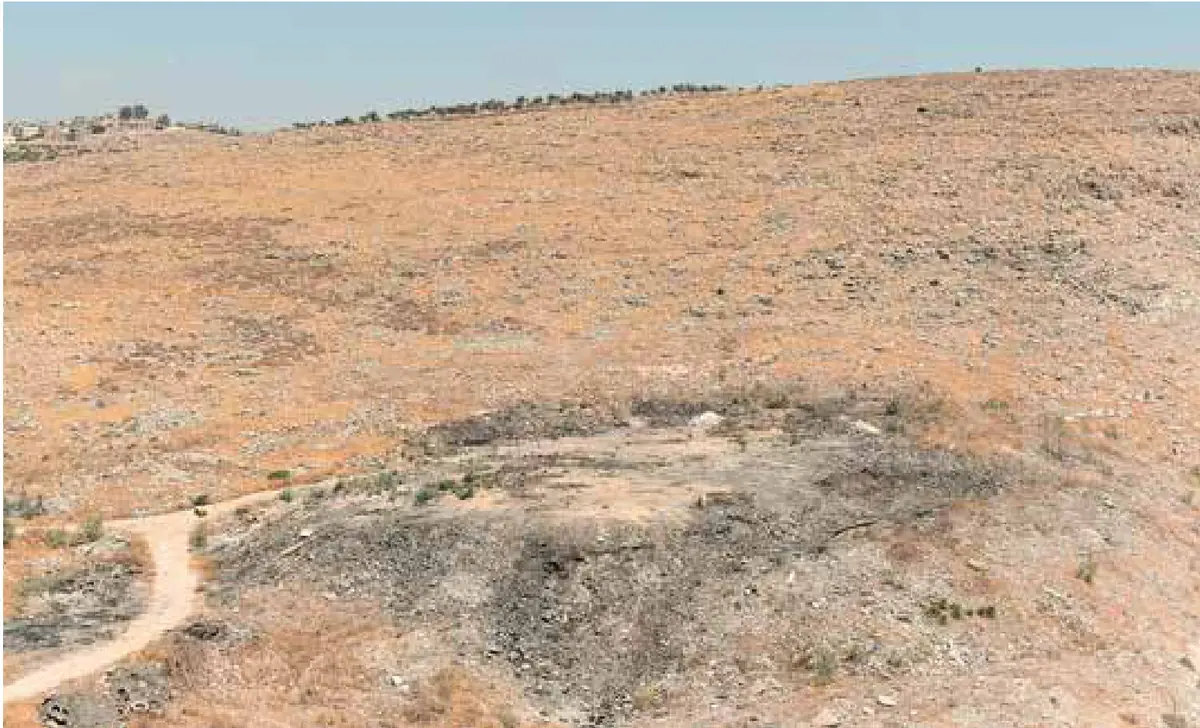
- Local dump that replaces the large dump to its north that was leveled to clear the ground for construction of an industrial structure
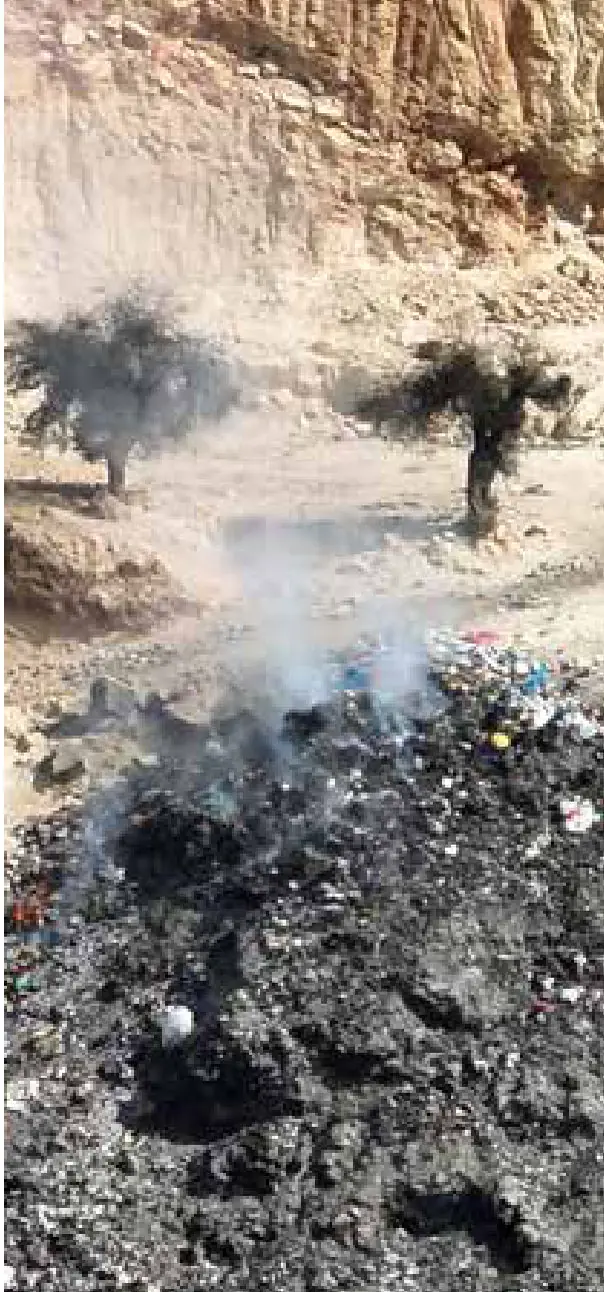
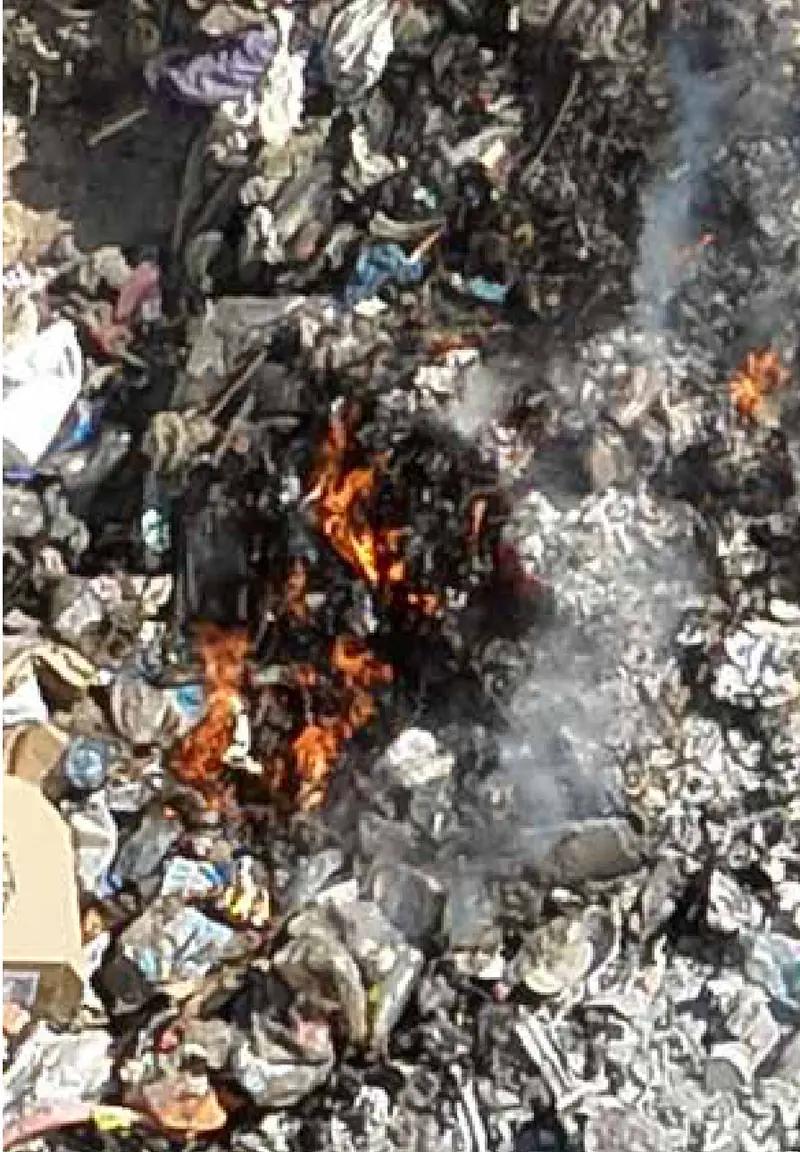
22. Kibiya
- Area
- 14.7 dunams
- Type of Waste
- Domestic
- Proximity to sensitive sites
- stream, village, farm
- Status of hazard
- Ongoing
- Incineration status
- Alight at the time of survey
- Area
- C
- GPS Coordinates
- 31.96681,35.02244
- General
- Large landfill
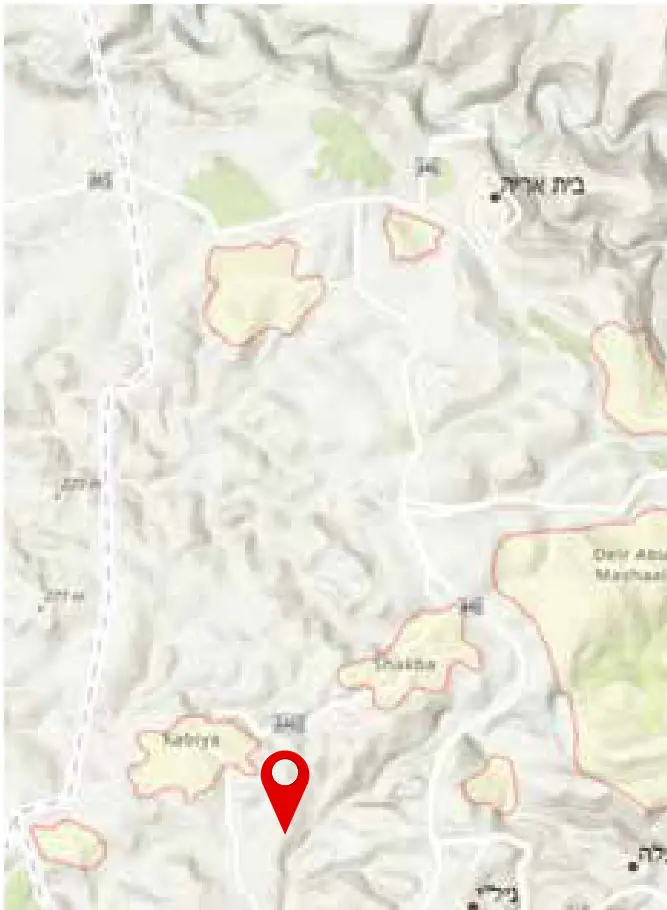
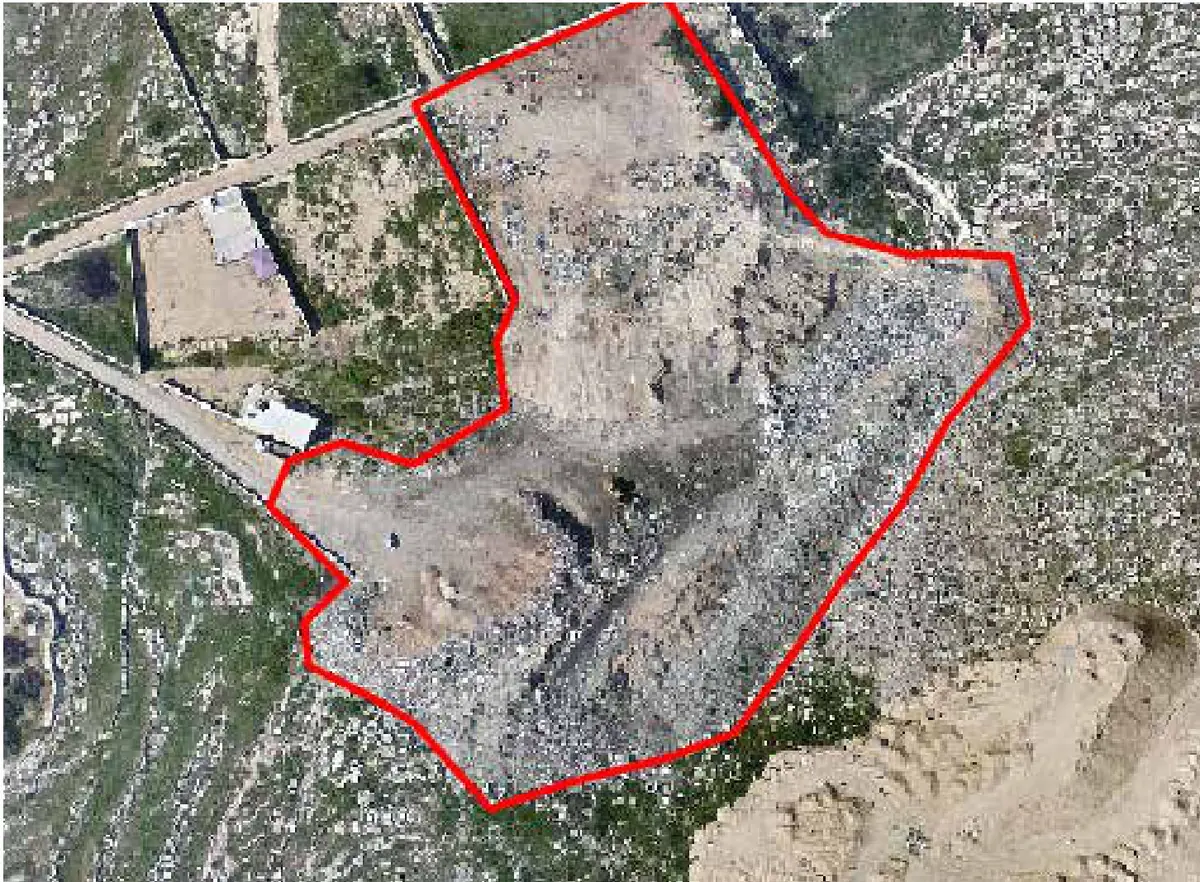
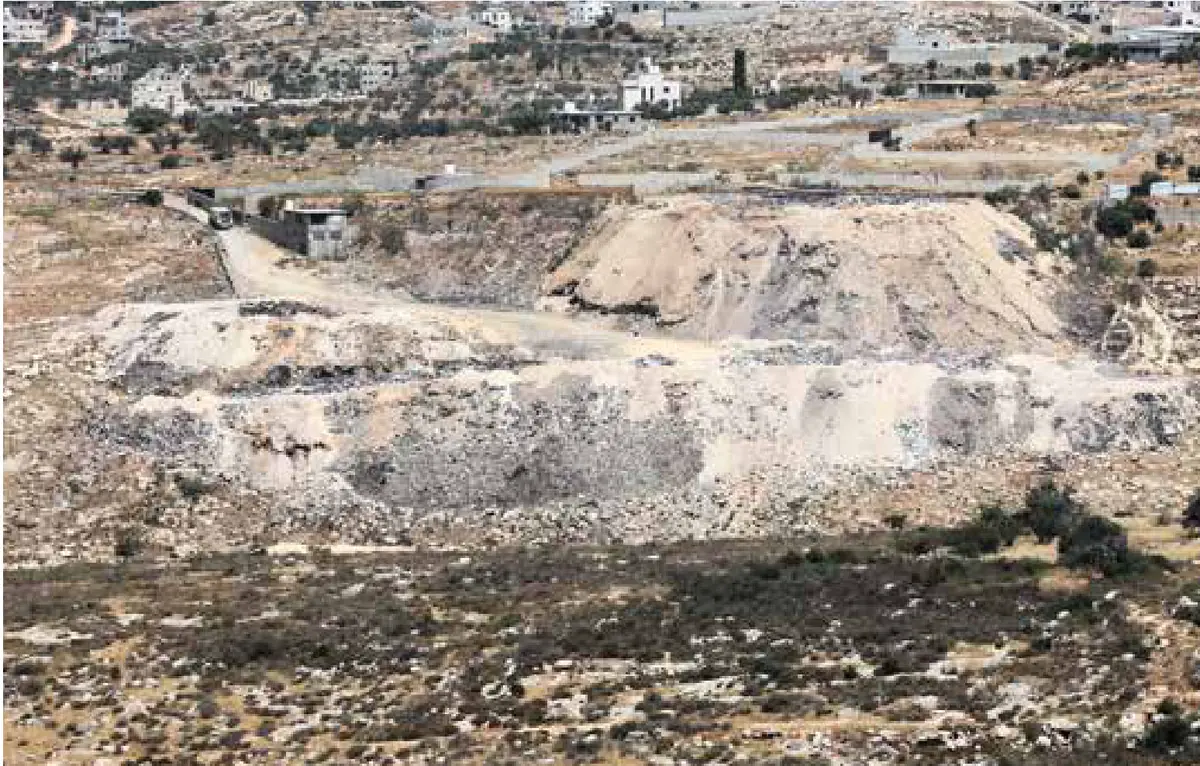
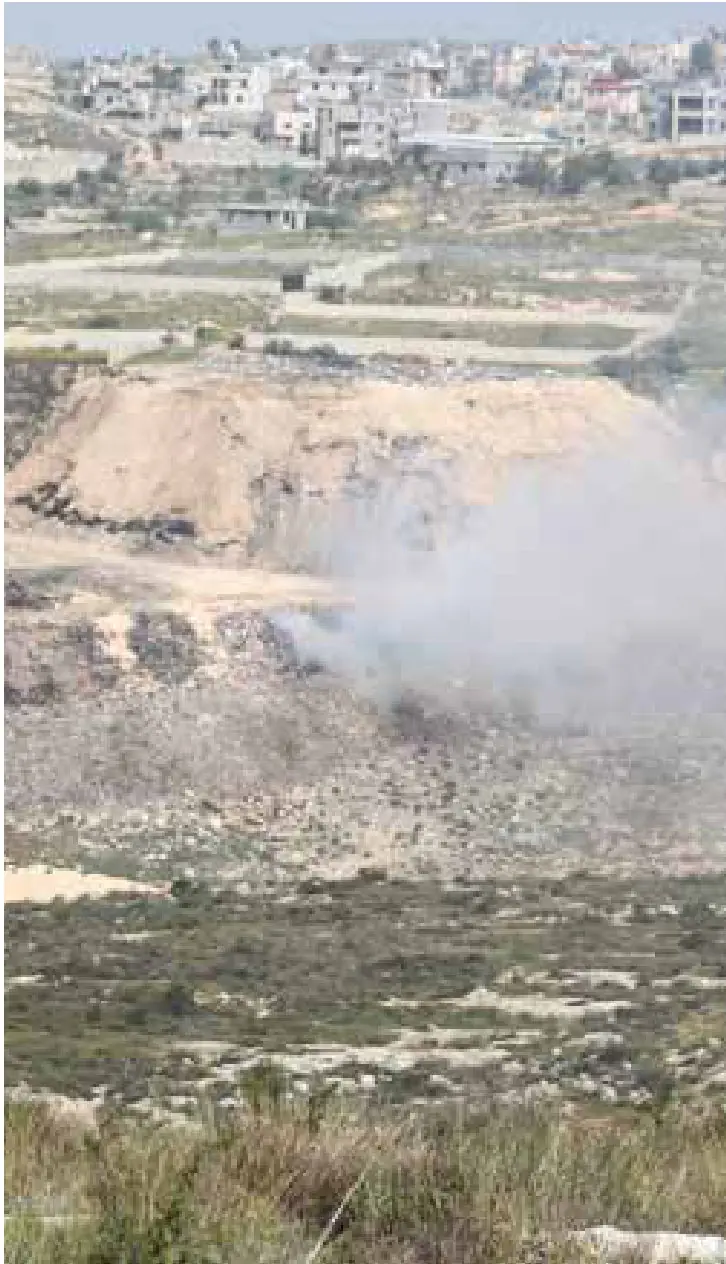
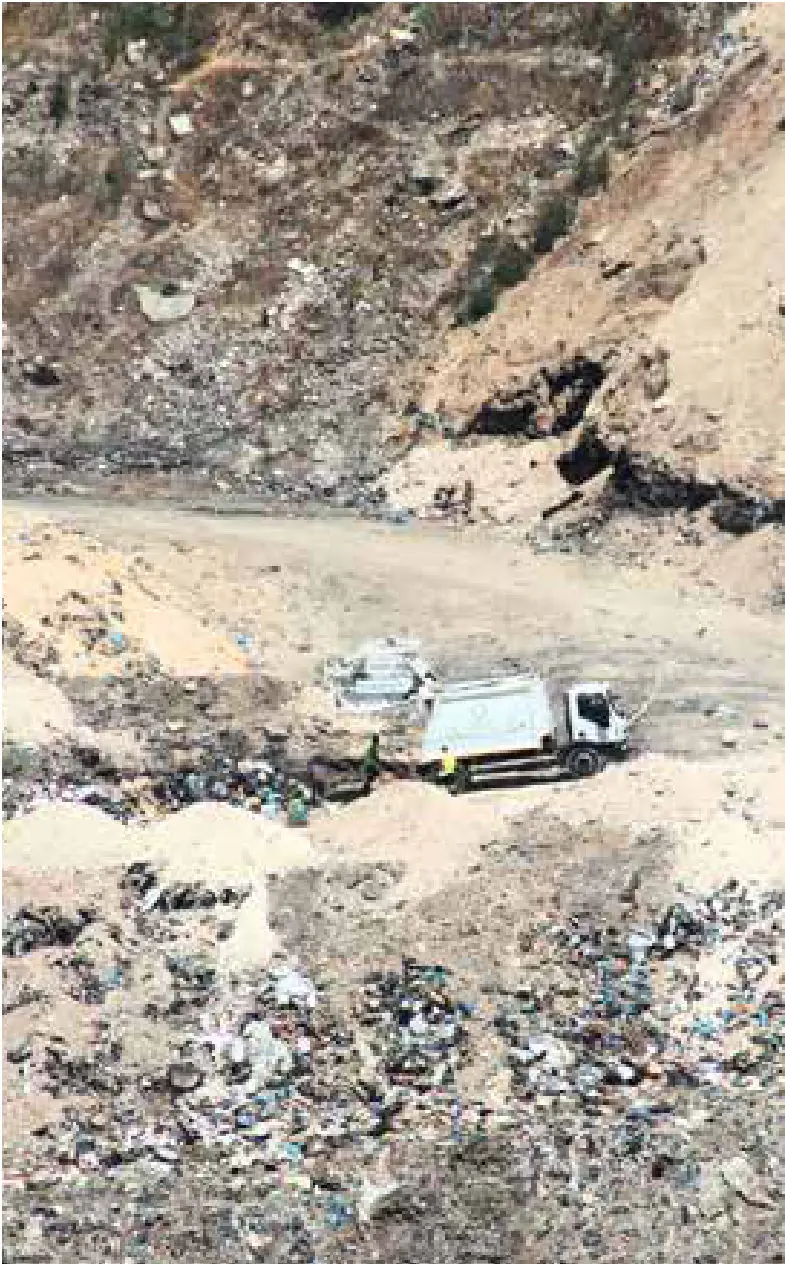
23. Na’alin
- Area
- 29.4 dunams
- Type of Waste
- Domestic
- Proximity to sensitive sites
- stream, village, separation barrier
- Status of hazard
- Ongoing
- Incineration status
- Alight at the time of survey
- Area
- C
- GPS Coordinates
- 31.94935,35.00959
- General
- Large landfill site. Photo documents scavengers picking through the waste
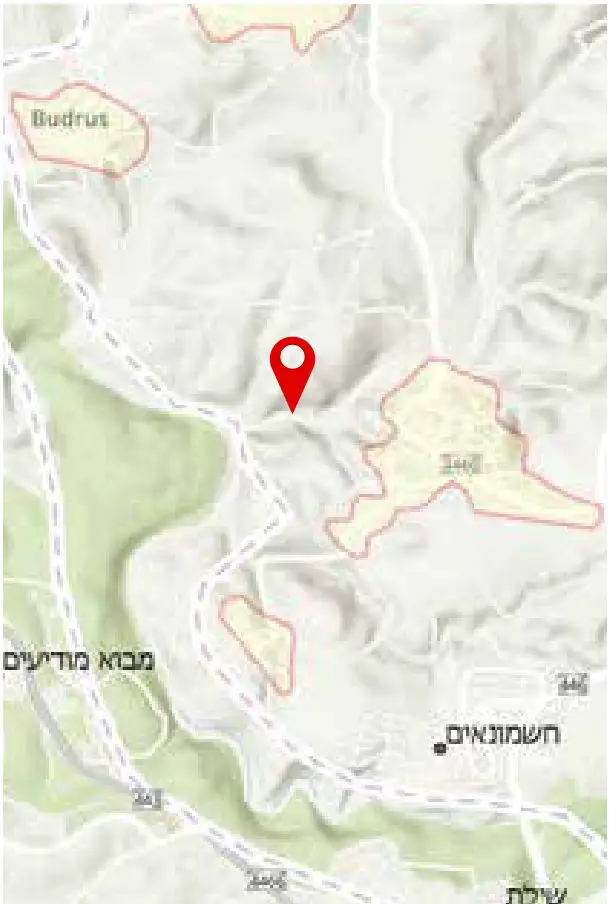
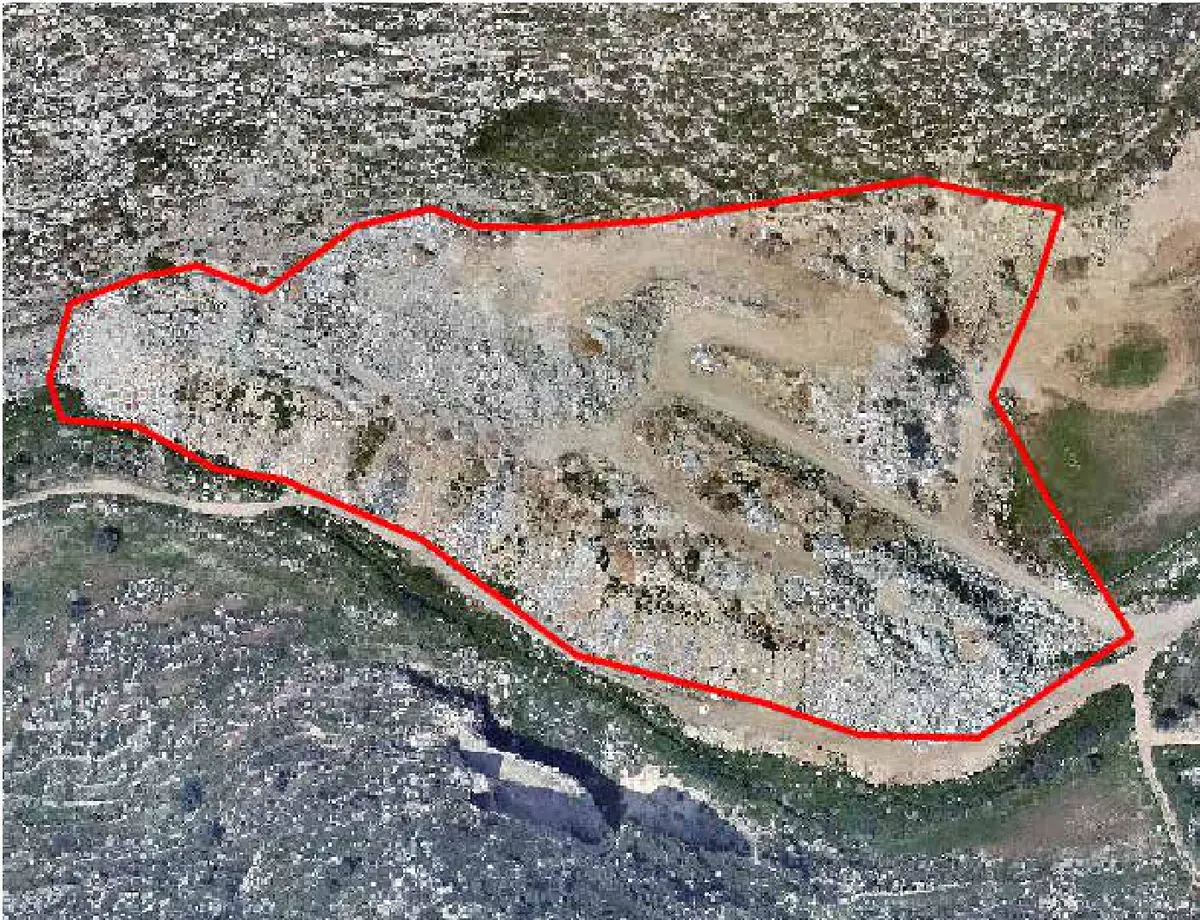
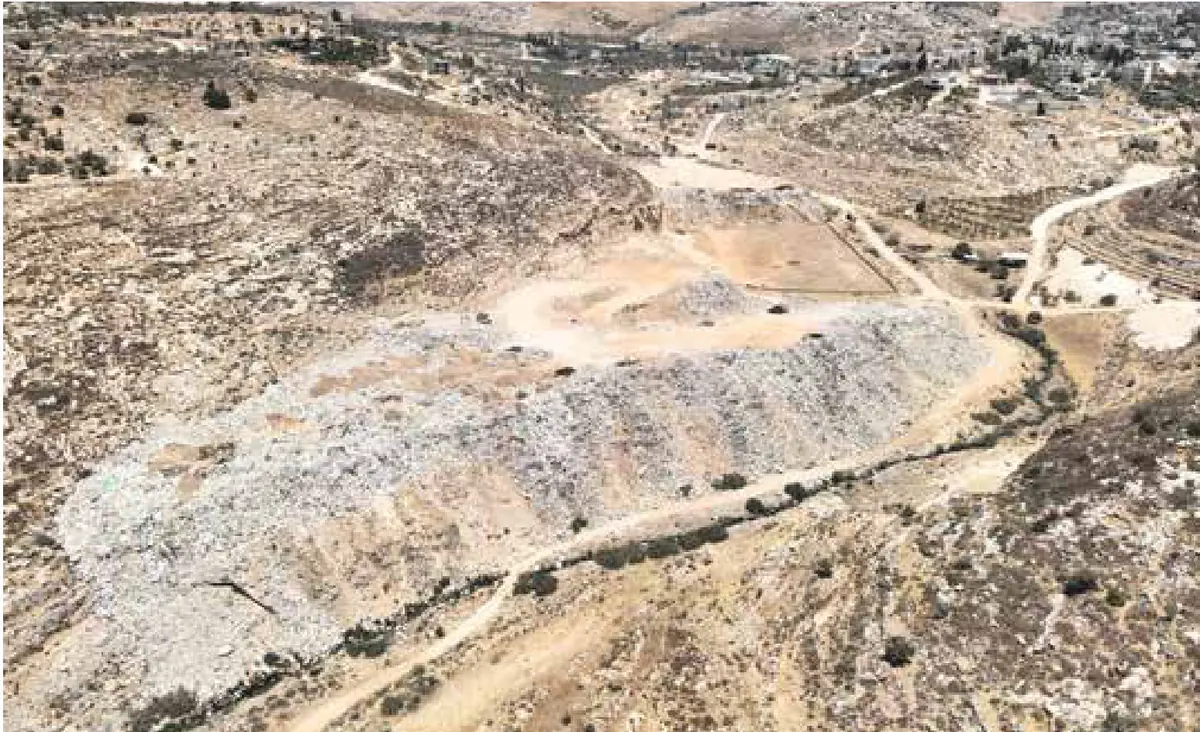
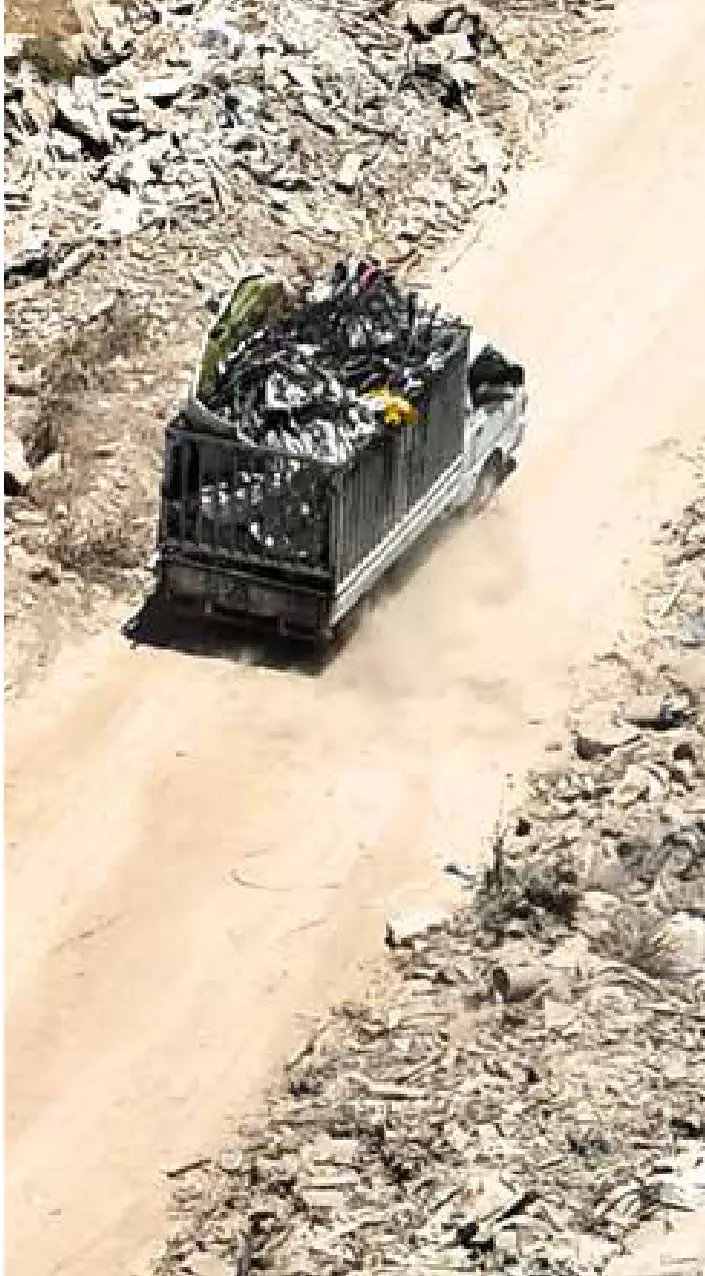
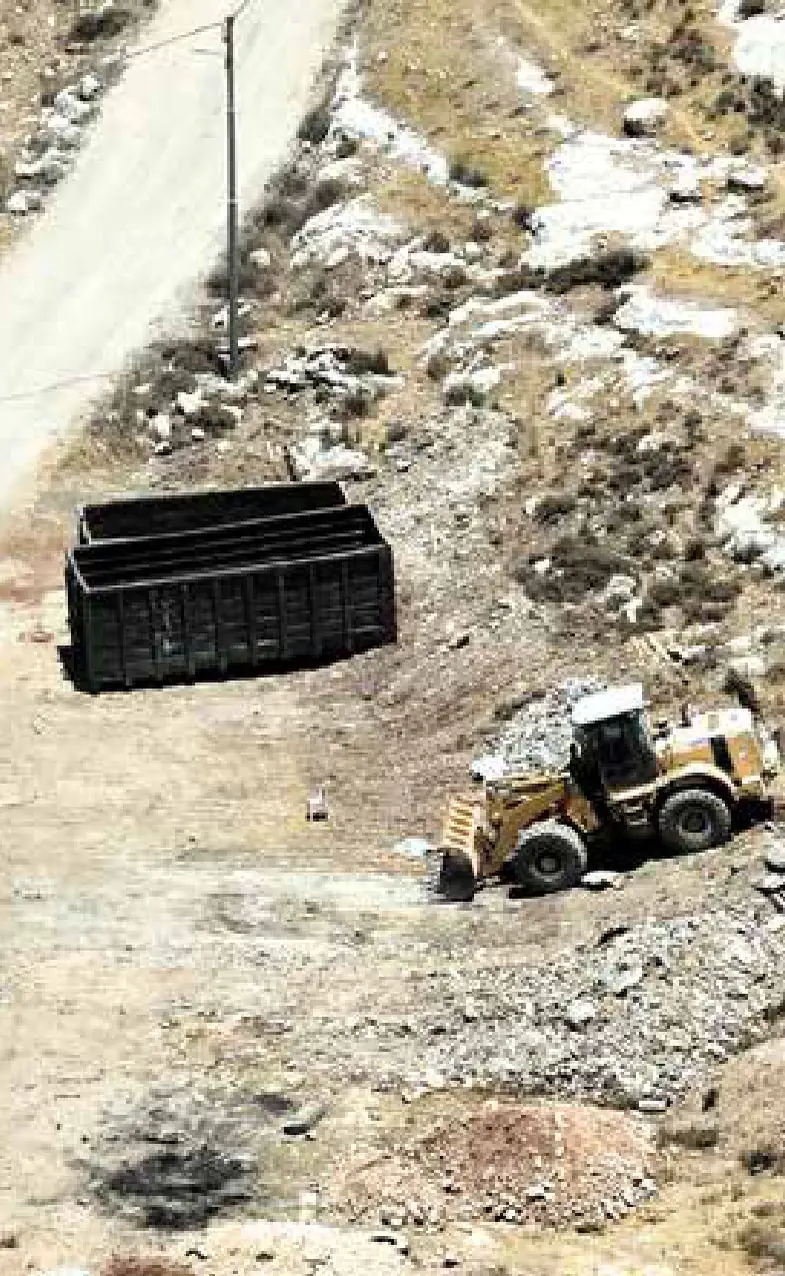
24. Ras Karkar (1)
- Area
- 4.1 dunams
- Type of Waste
- Domestic and construction waste
- Proximity to sensitive sites
- village
- Status of hazard
- Ongoing
- Incineration status
- None
- Area
- C
- GPS Coordinates
- 31.93944,35.10568
- General
- Local dump
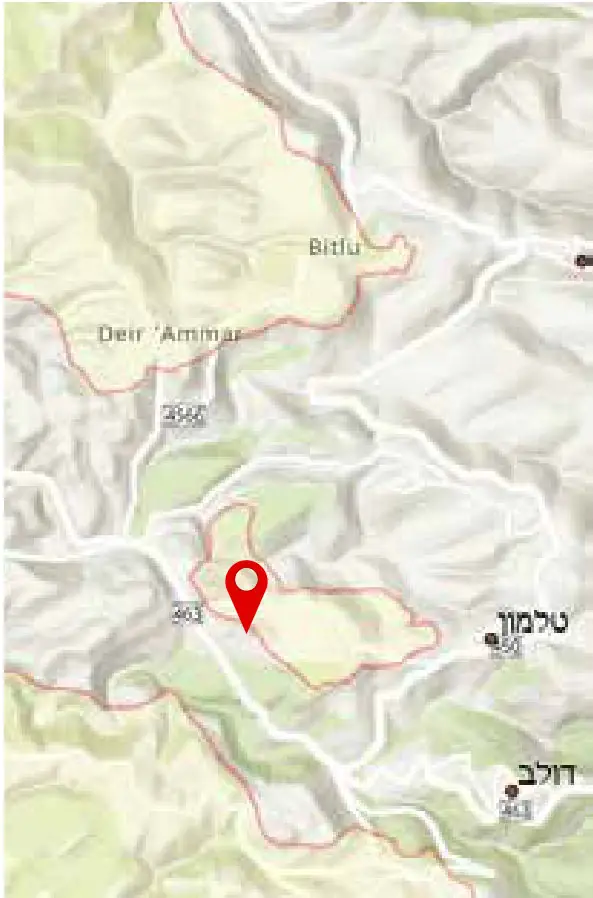
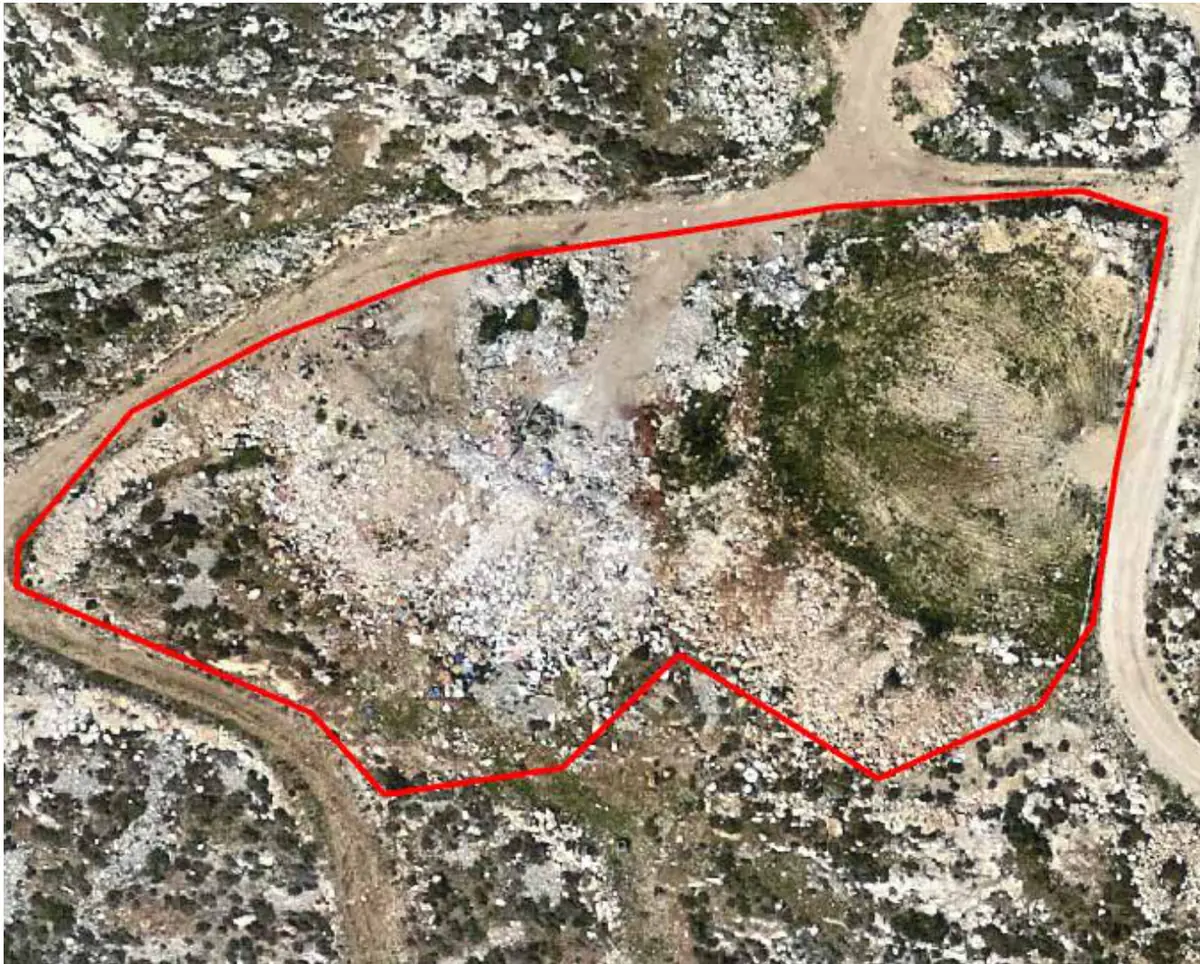
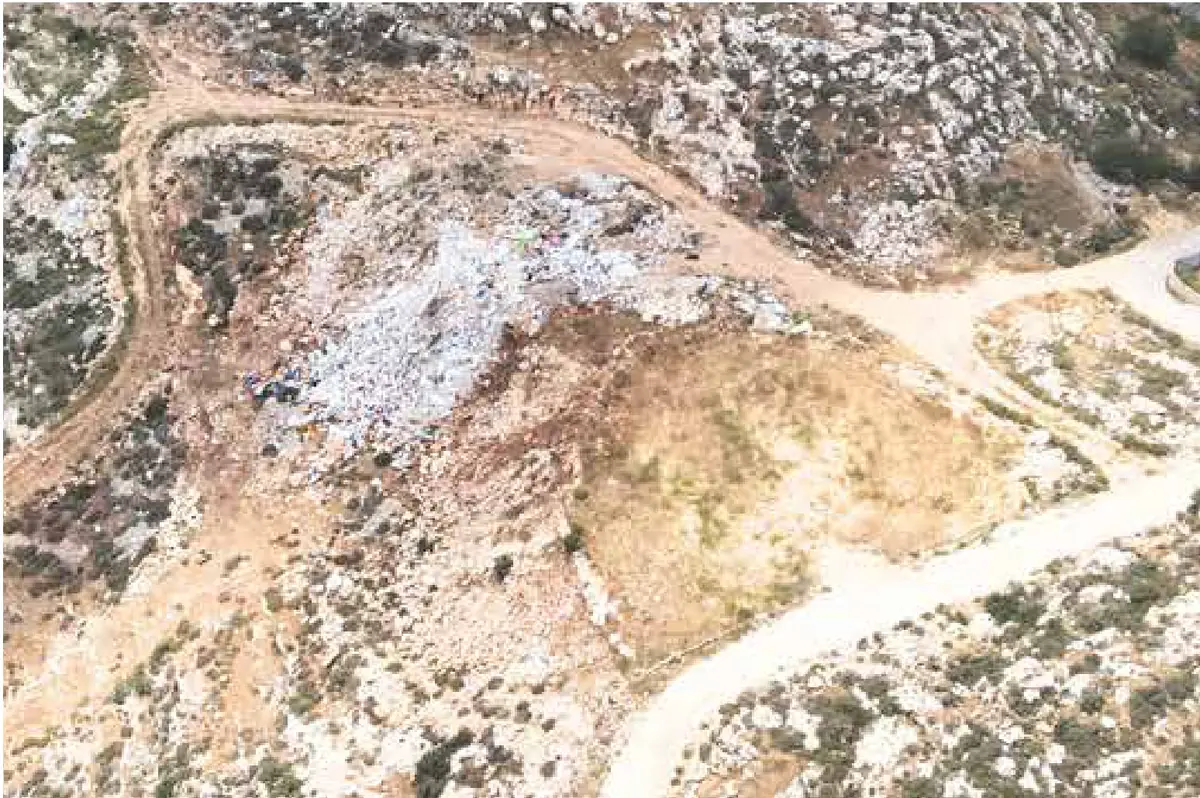
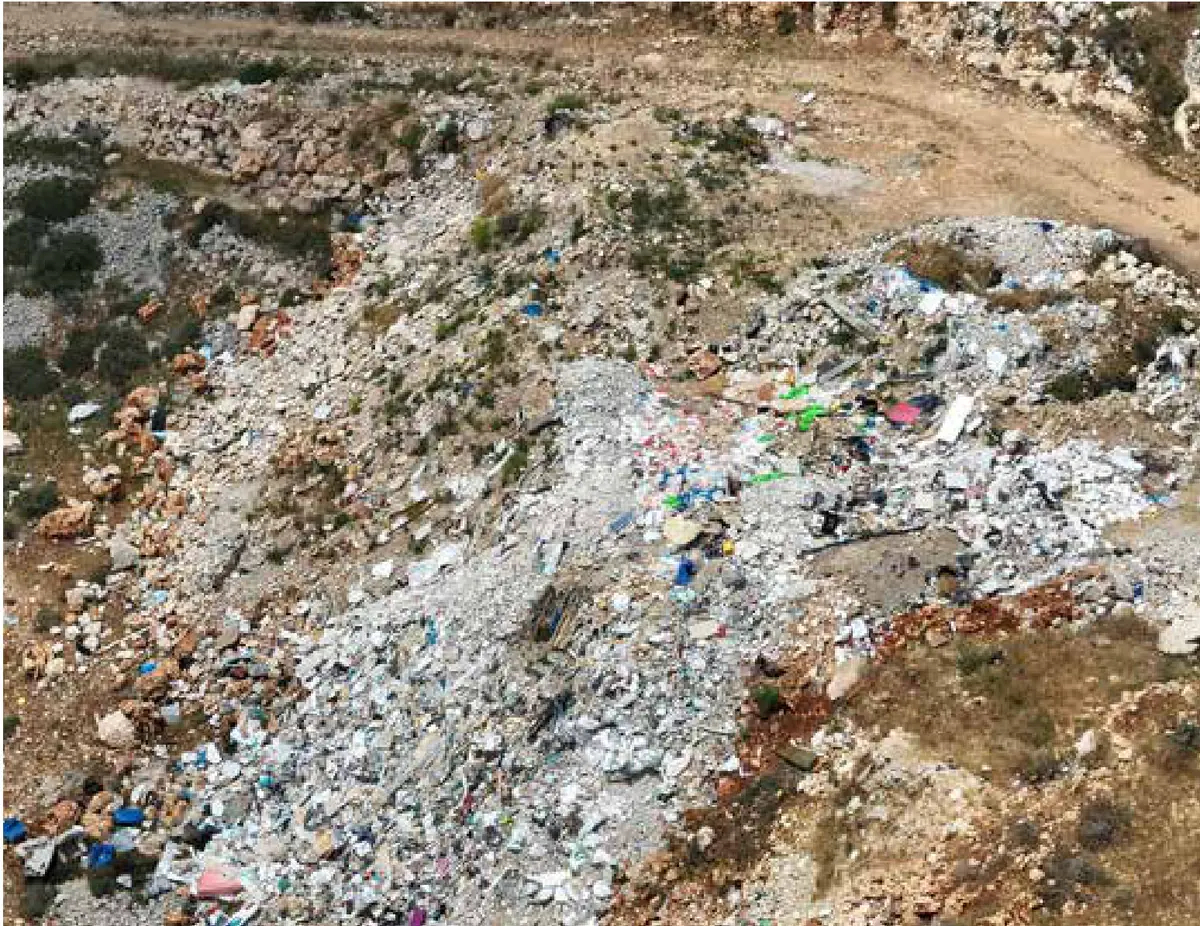
25. Ras Karkar (2)
- Area
- 3.9 dunams
- Type of Waste
- Domestic and surplus earth
- Proximity to sensitive sites
- stream, village
- Status of hazard
- Ongoing
- Incineration status
- None
- Area
- C
- GPS Coordinates
- 31.94354,35.10795
- General
- Local dump in process of development as a construction site
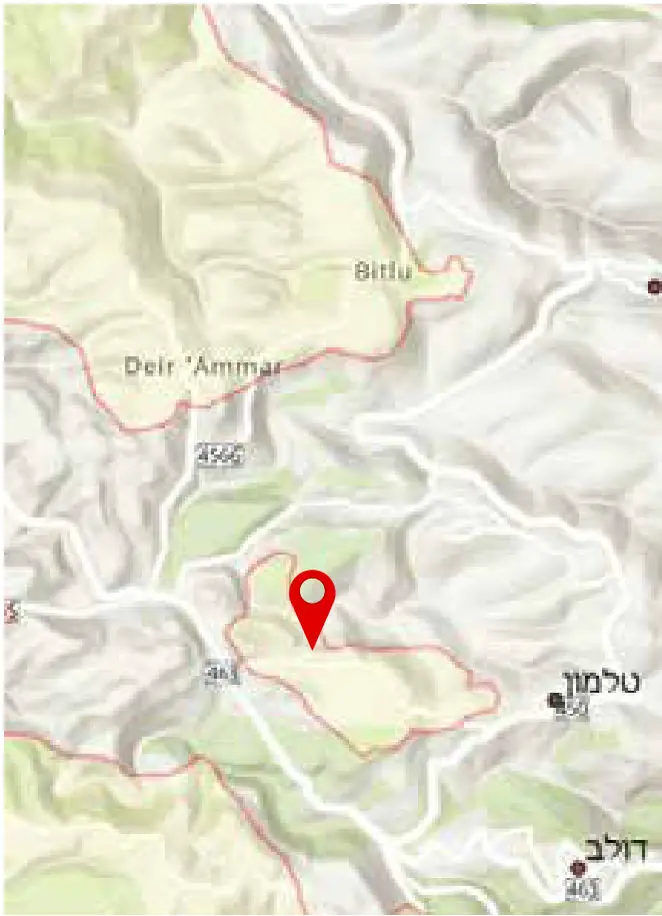
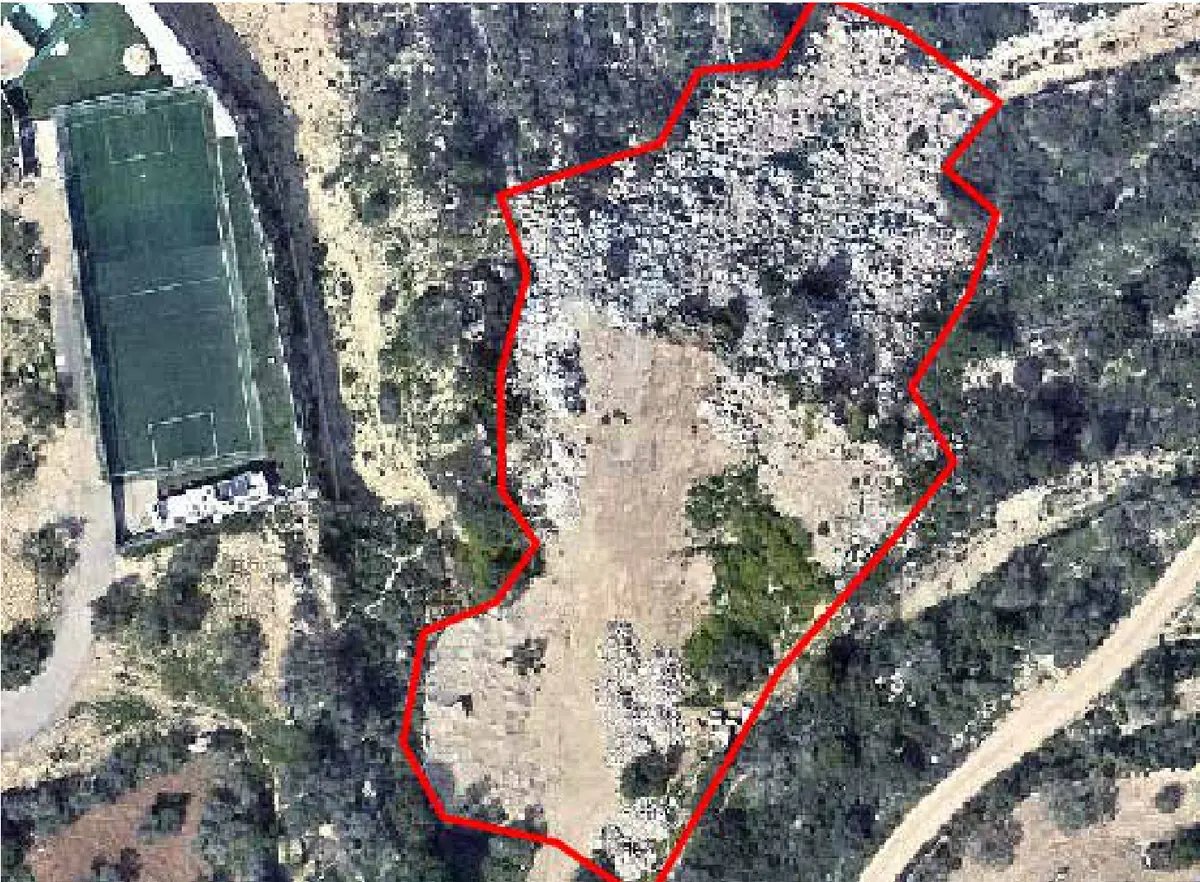
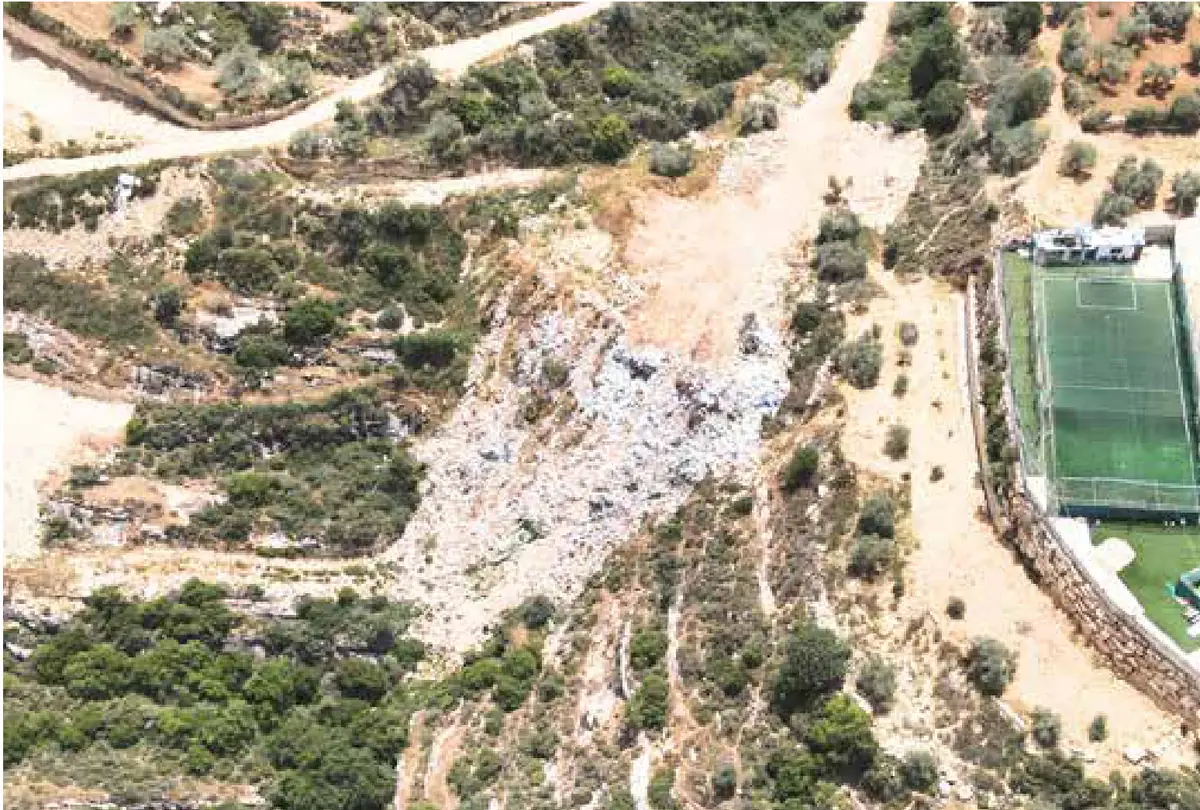
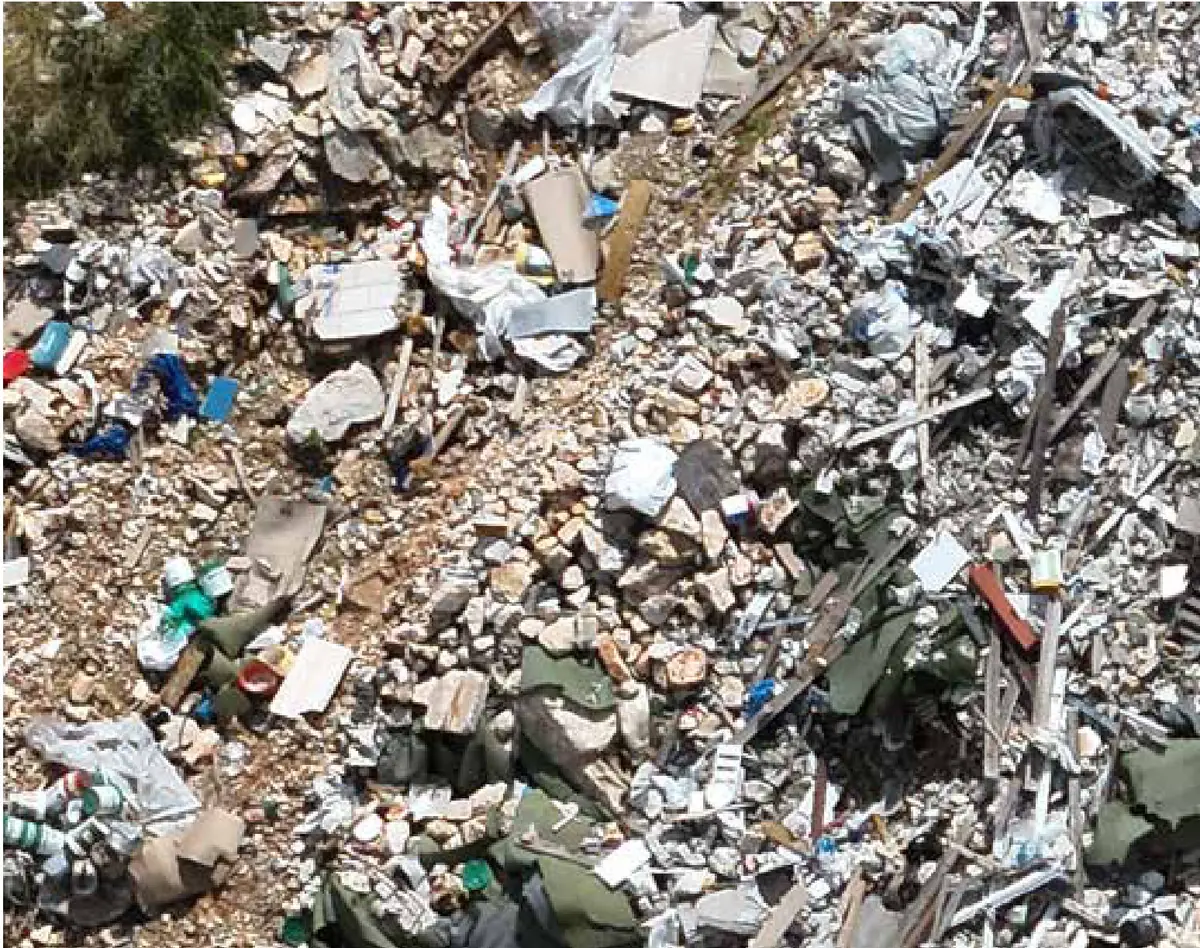
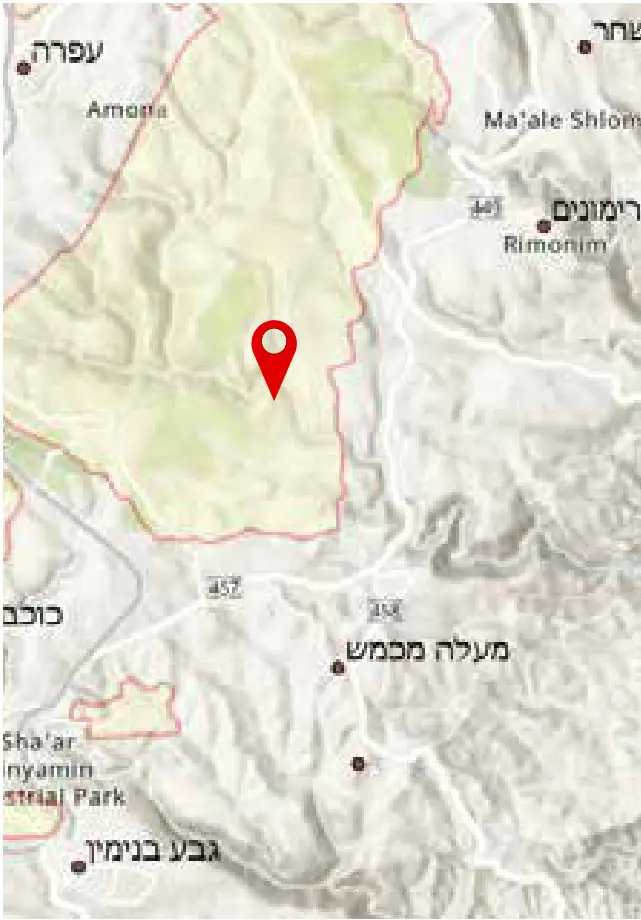
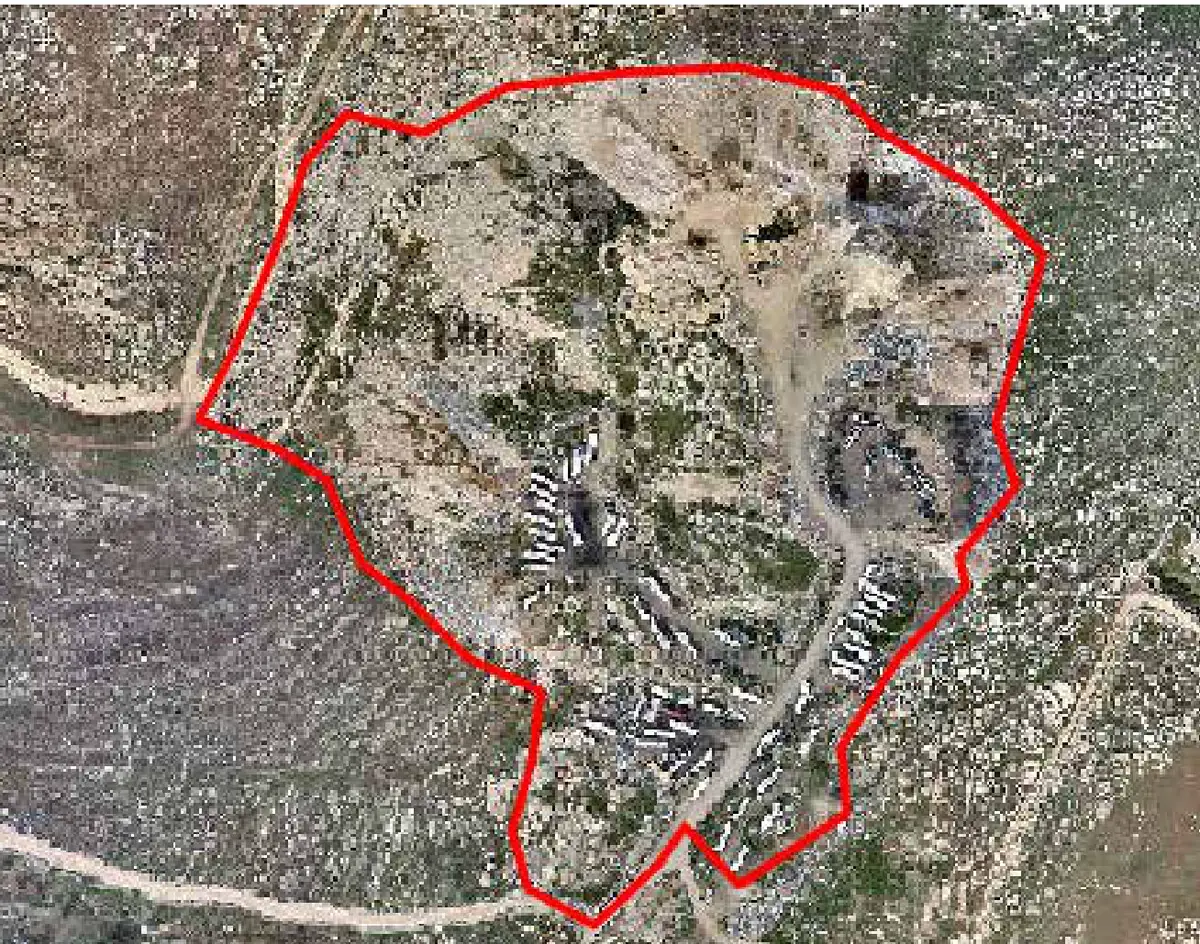
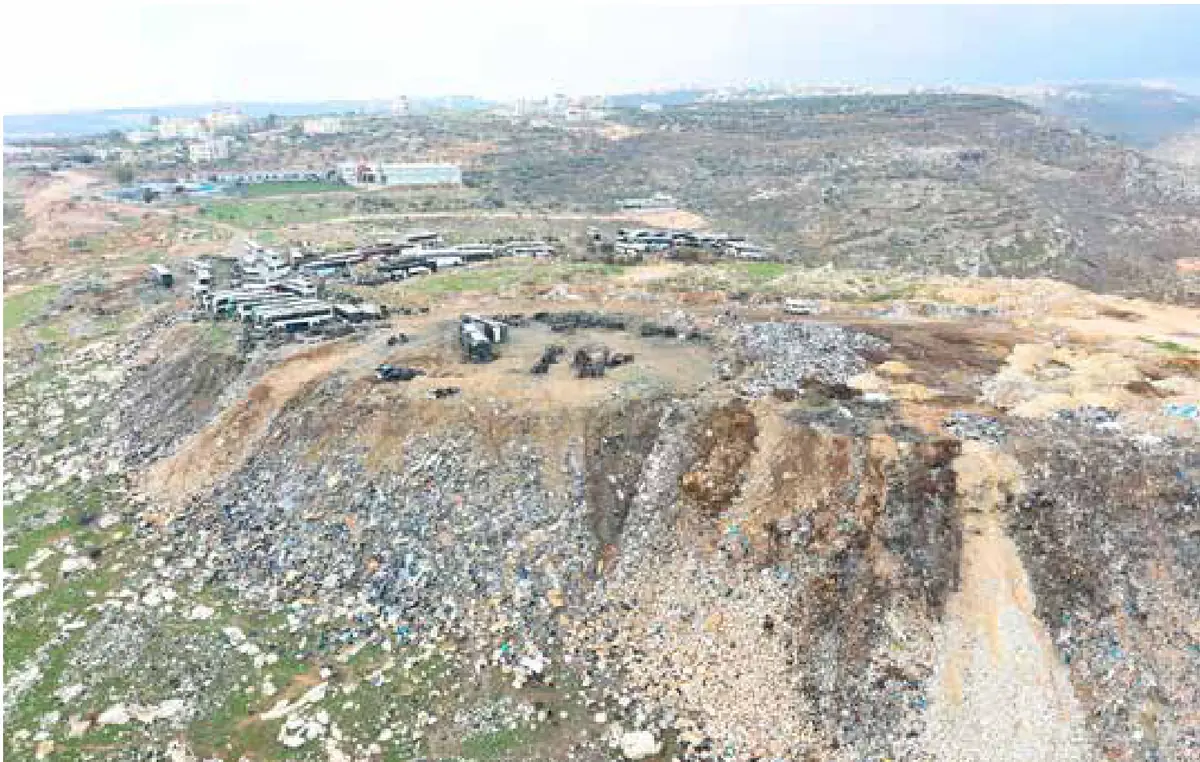
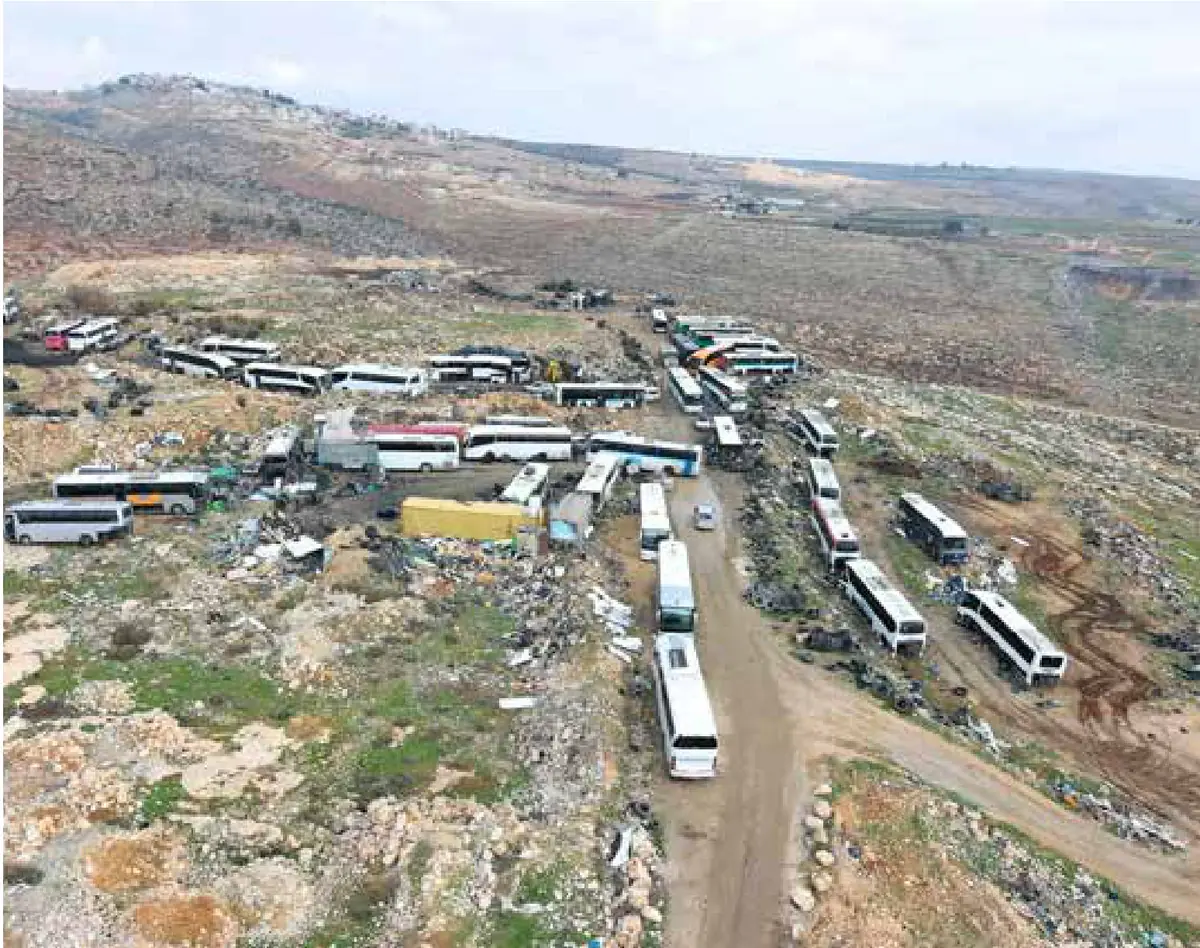
26. Dir Dibwan
- Area
- 67.5 dunams
- Type of Waste
- Domestic, sanitation, scraps of junked buses, groundwork surplus soil
- Proximity to sensitive sites
- stream, village
- Status of hazard
- Ongoing
- Incineration status
- Alight at the time of survey
- Area
- B
- GPS Coordinates
- 31.9129,35.29537
- General
- Large landfill, also operating on the site is a scrapyard that disassembles Israeli buses
Credit: Roi Drucker – Regavim Field Department
27. Raamon
- Area
- 9.3 dunams
- Type of Waste
- Domestic
- Proximity to sensitive sites
- stream, village, farm
- Status of hazard
- Ongoing
- Incineration status
- Alight at the time of survey
- Area
- B
- GPS Coordinates
- 31.9138,35.3016
- General
- Large local landfill. The site also serves for discharge of sewage trucks
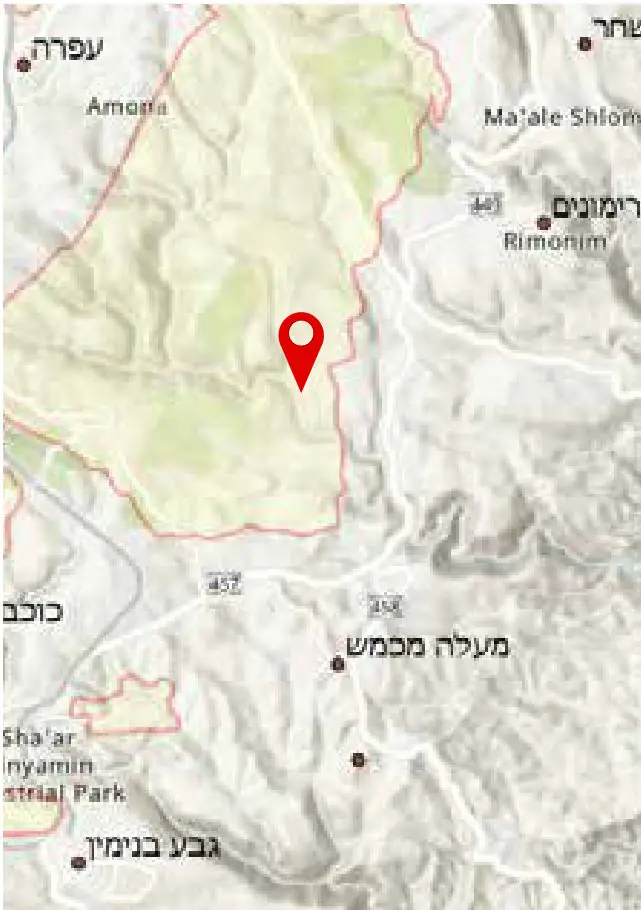
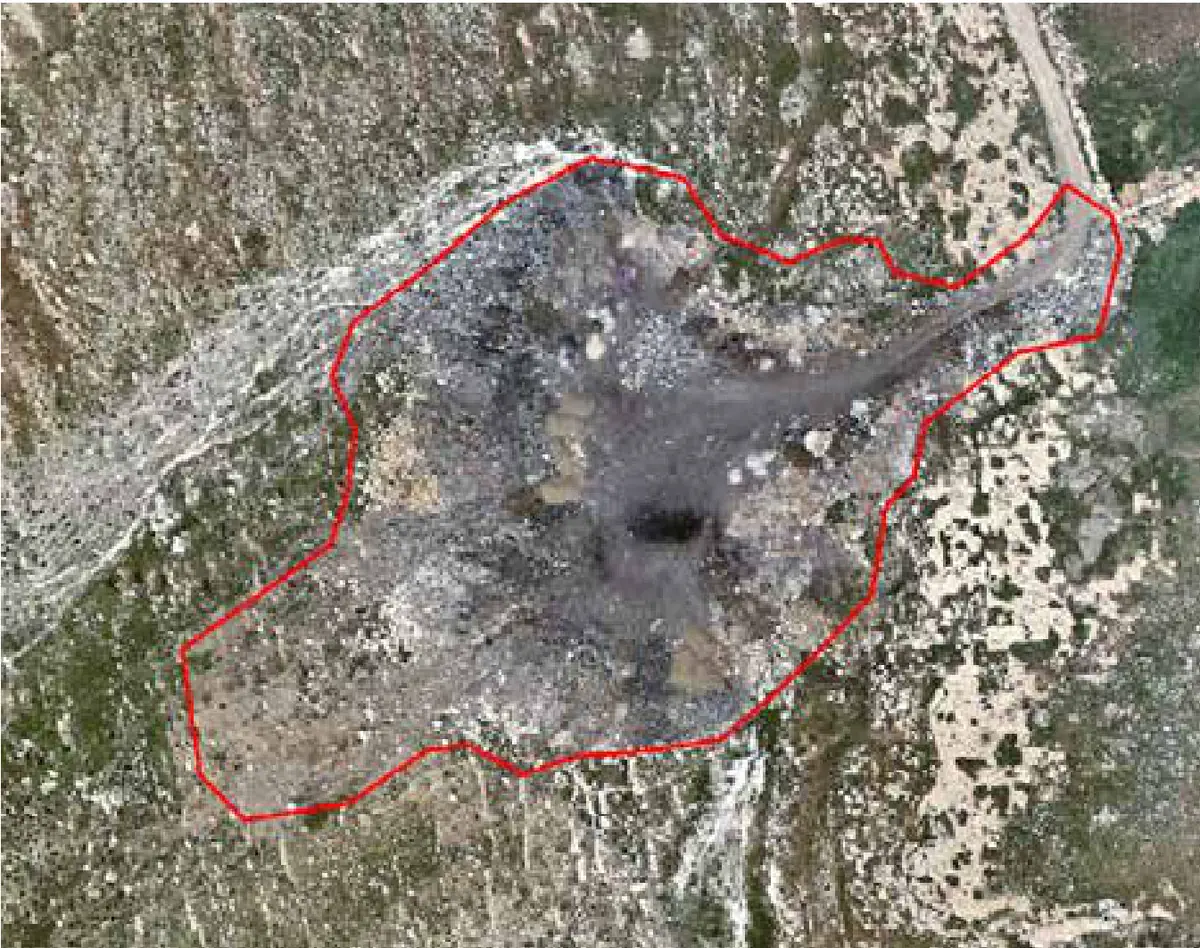
Credit: Roi Drucker – Regavim Field Department
28. El Bireh
- Area
- 21.4 dunams
- Type of Waste
- Domestic, construction, commercial and automotive waste
- Proximity to sensitive sites
- stream, village, community
- Status of hazard
- Ongoing
- Incineration status
- Evidence of incineration
- Area
- C
- GPS Coordinates
- 31.90421,35.22676
- General
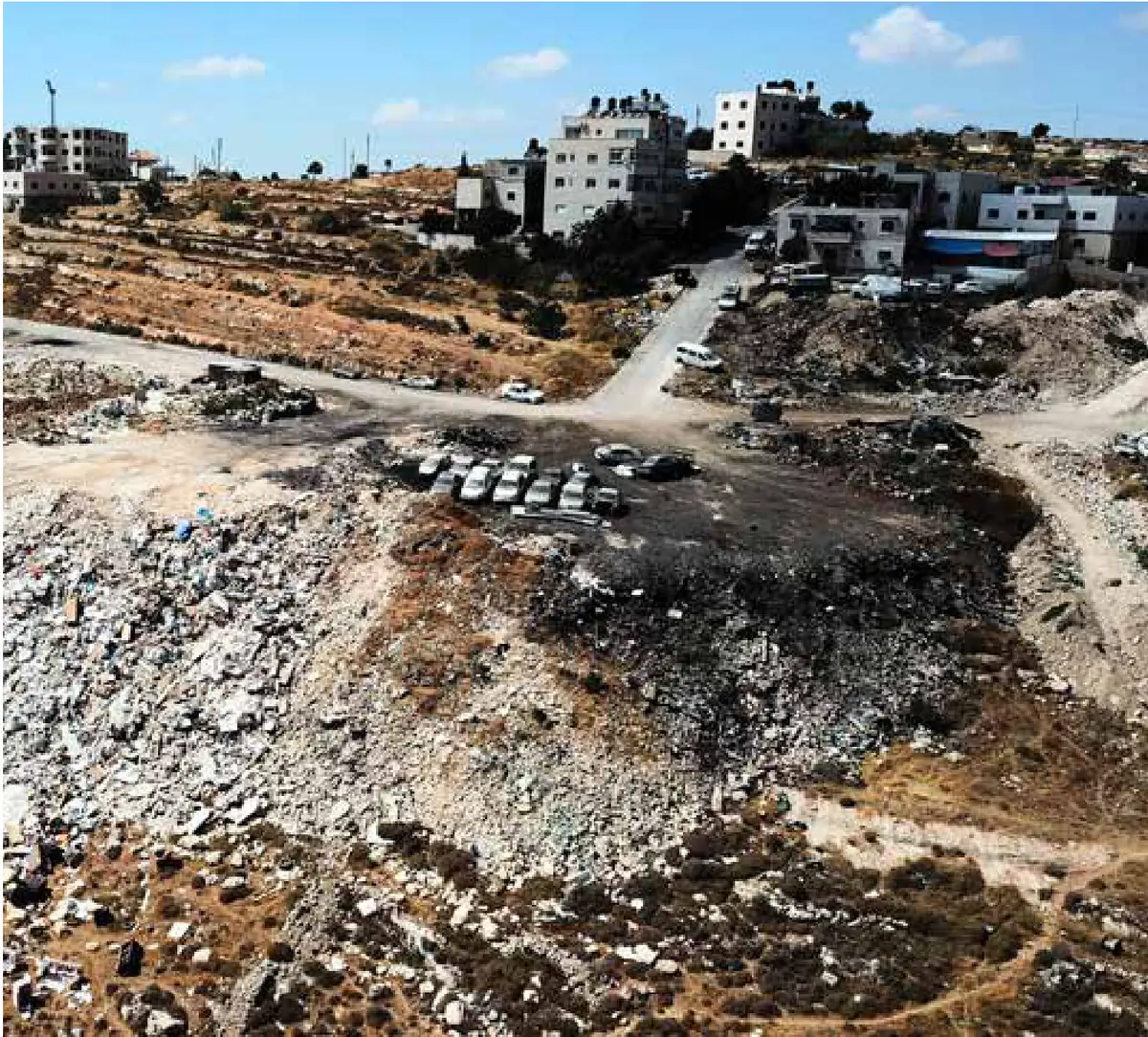
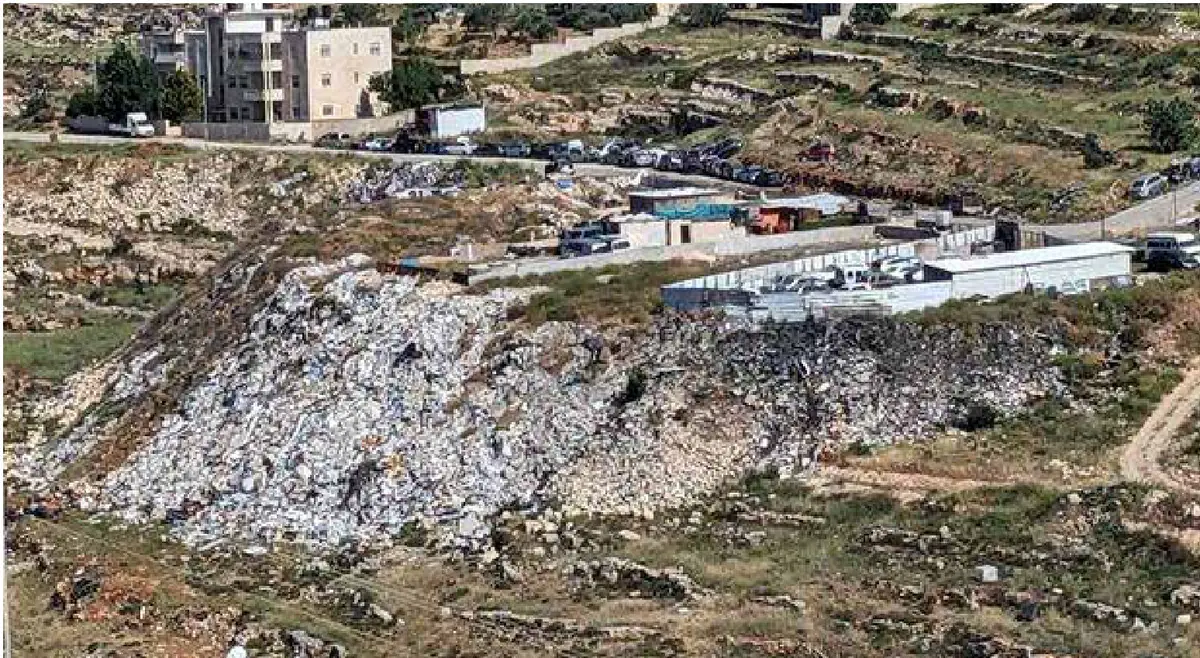
- Local landfill, which evolved into a car scrapyard. Upper photo documents the site in 2023. The lower photo and aerial photo document the situation on the ground in 2025
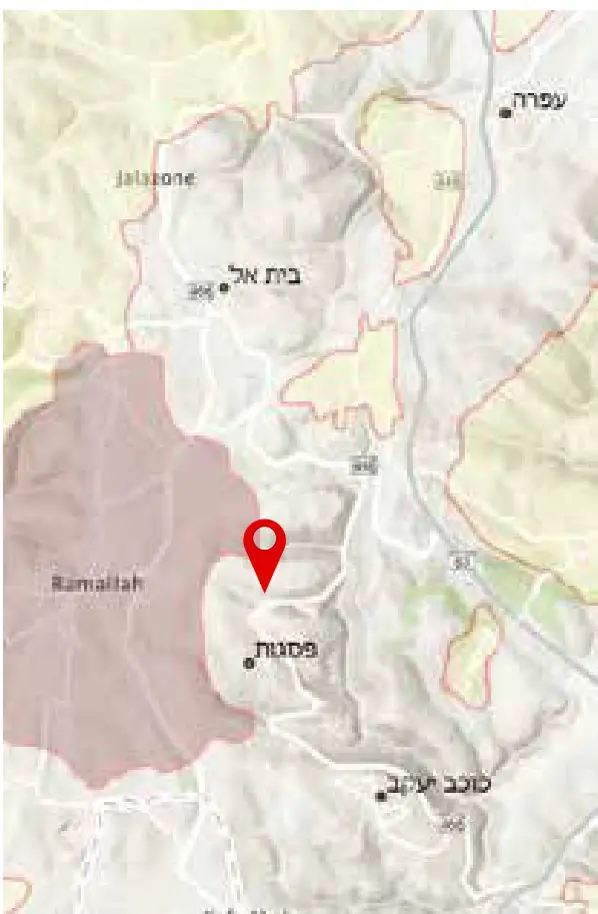
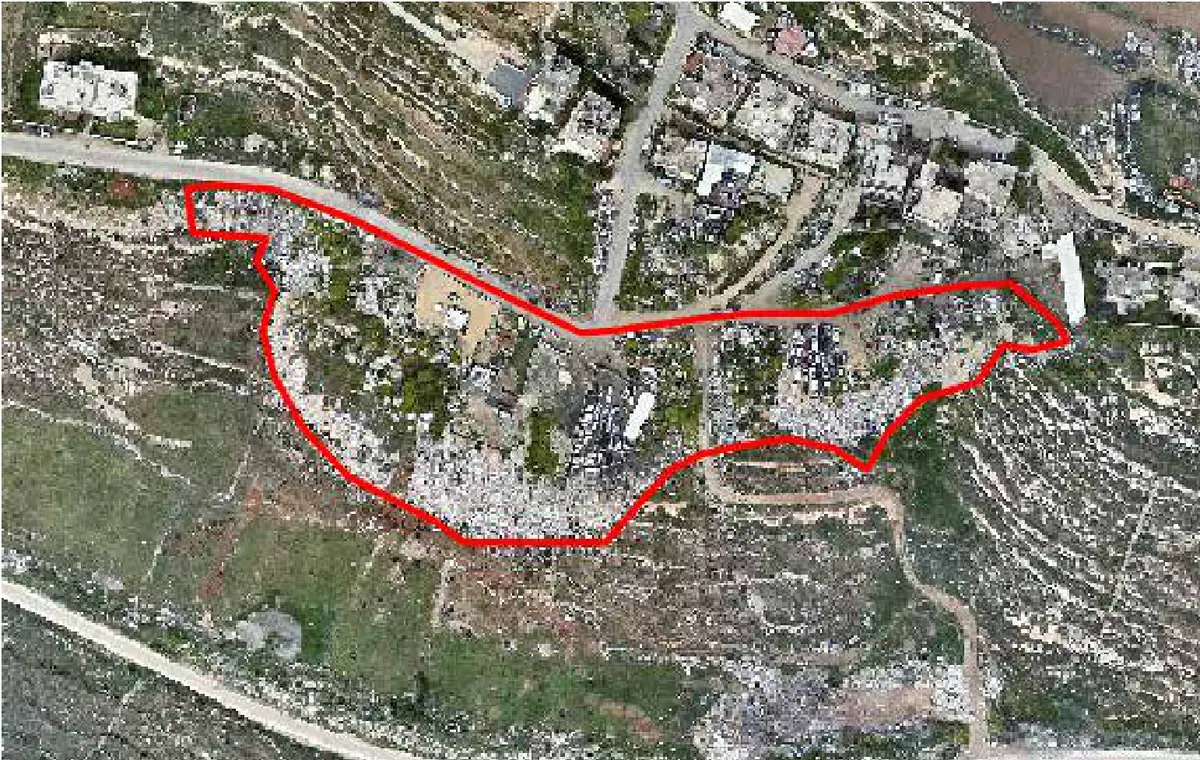
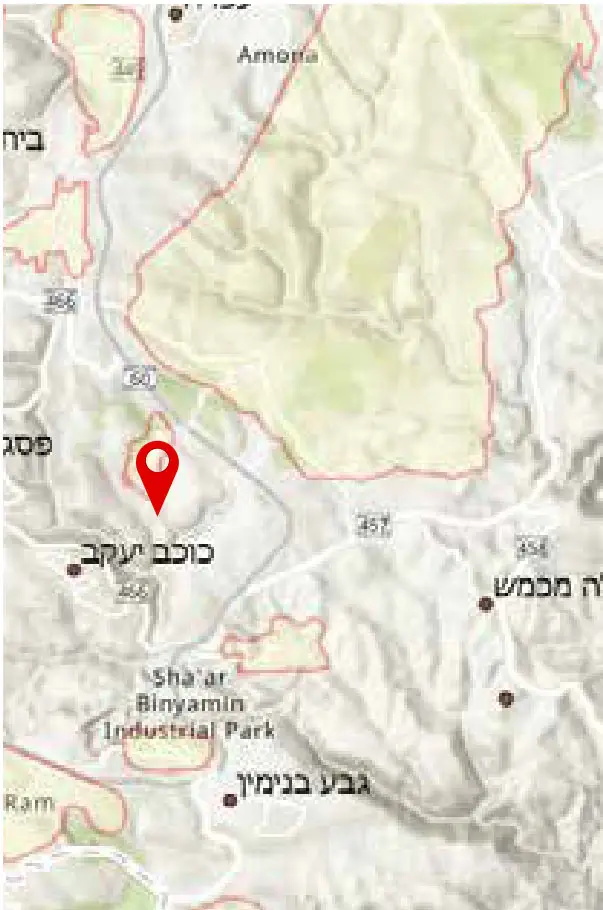
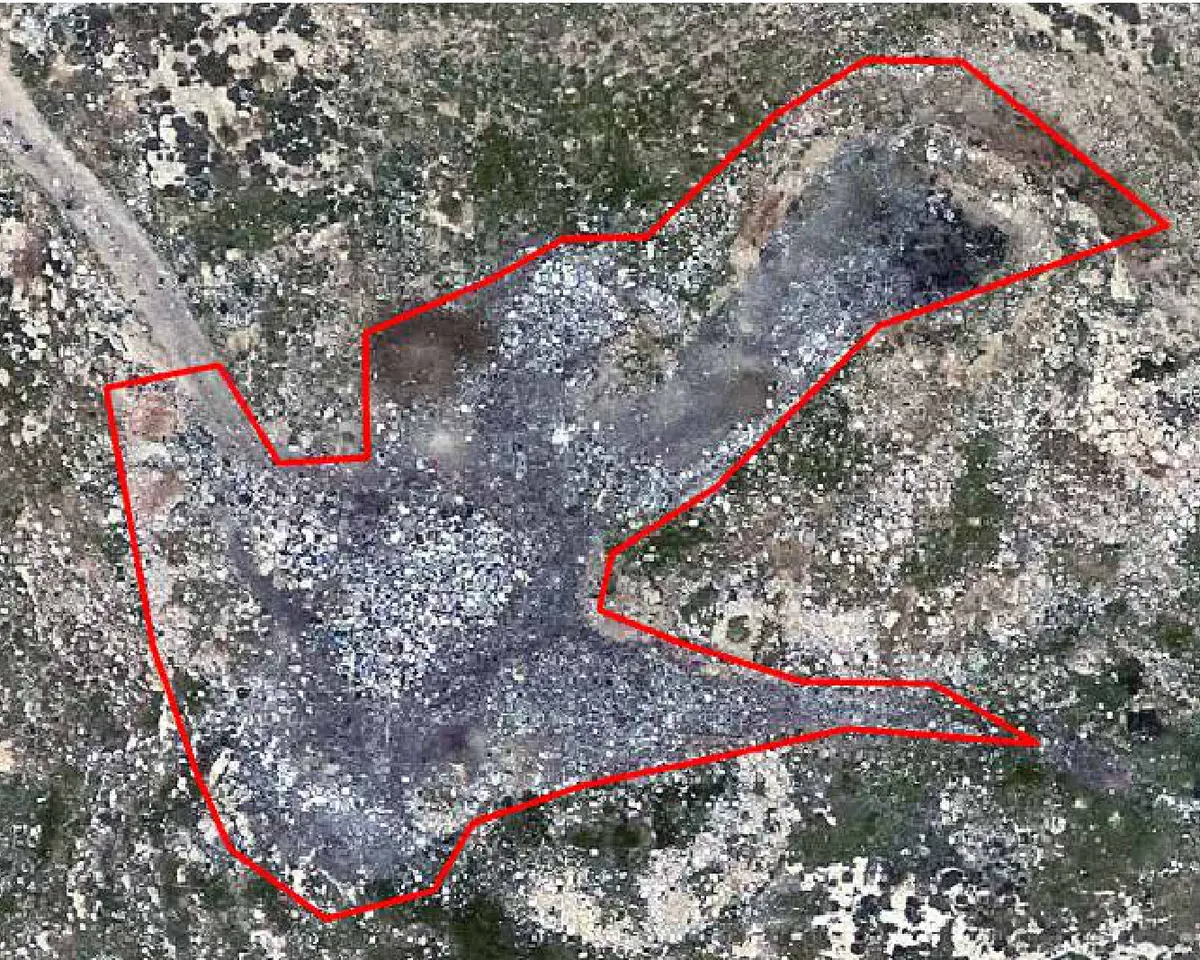
29. Burka
- Area
- 3.1 dunams
- Type of Waste
- Domestic
- Proximity to sensitive sites
- stream, village, Israeli community
- Status of hazard
- Ongoing
- Incineration status
- Alight at the time of survey
- Area
- C
- GPS Coordinates
- 31.8874,35.25662
- General
- Local dump
| 30. | A-R | |
|---|---|---|
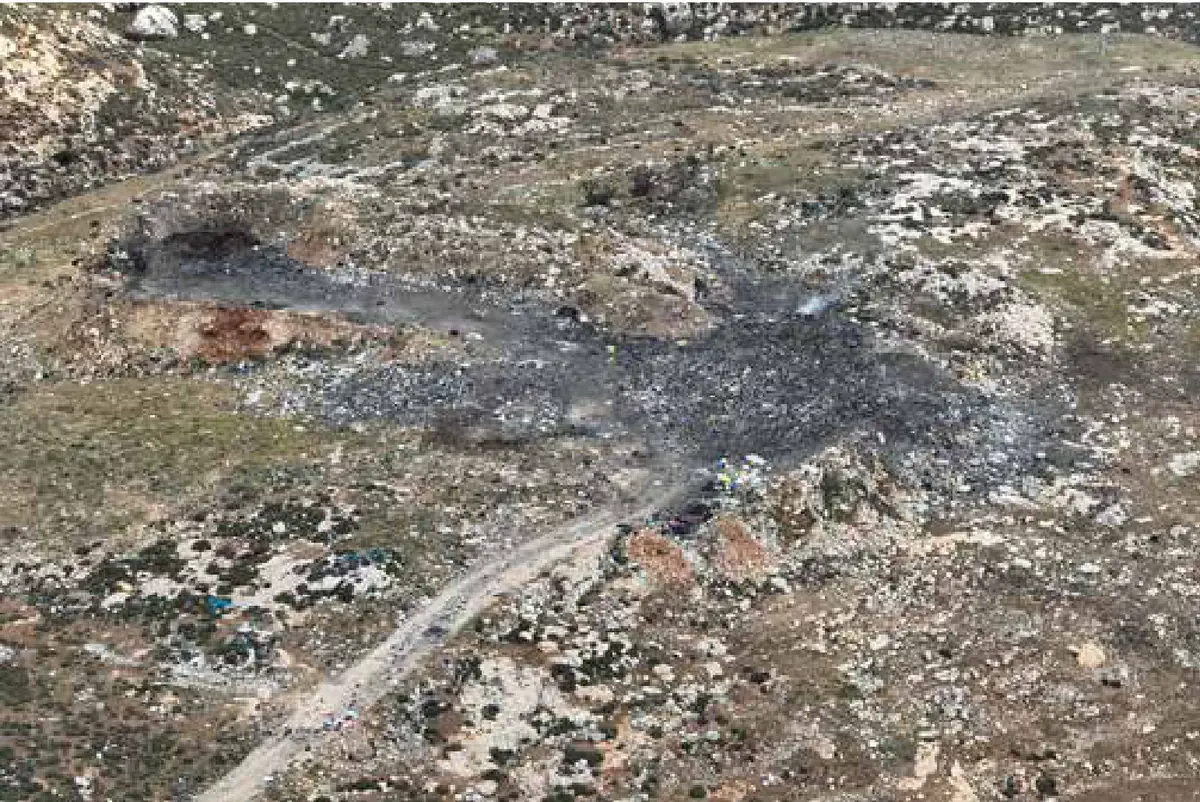
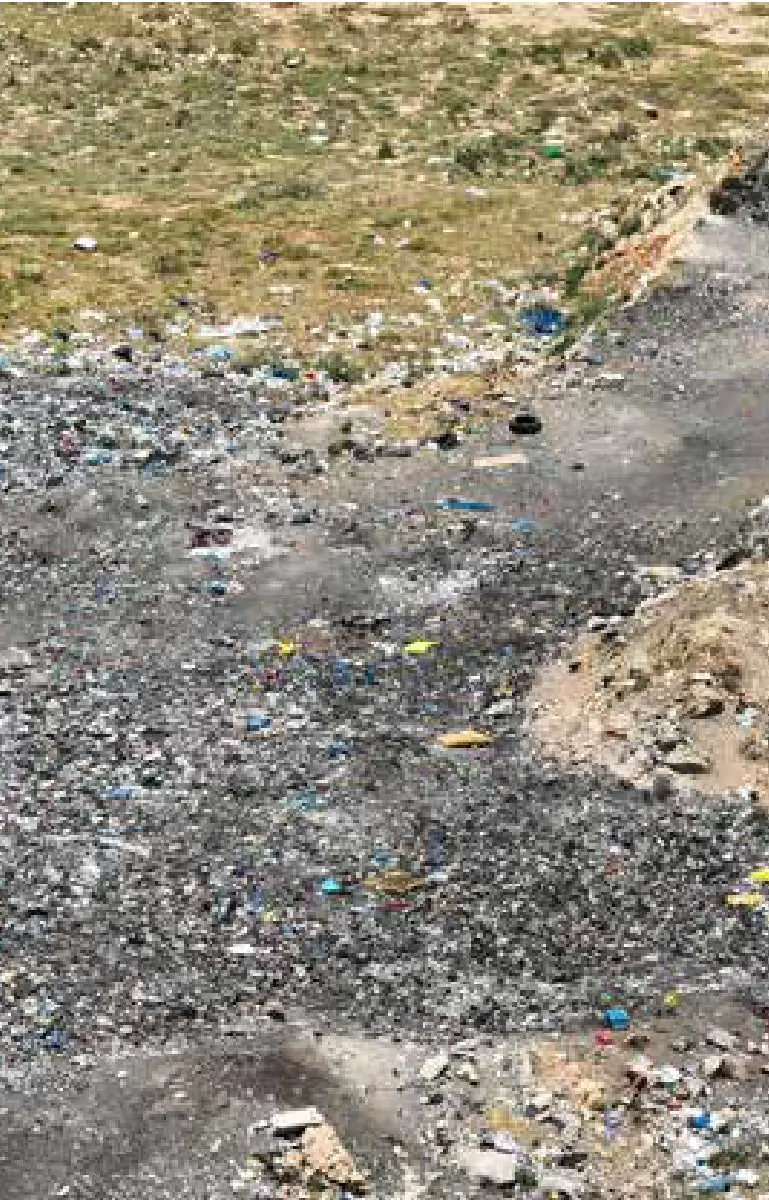
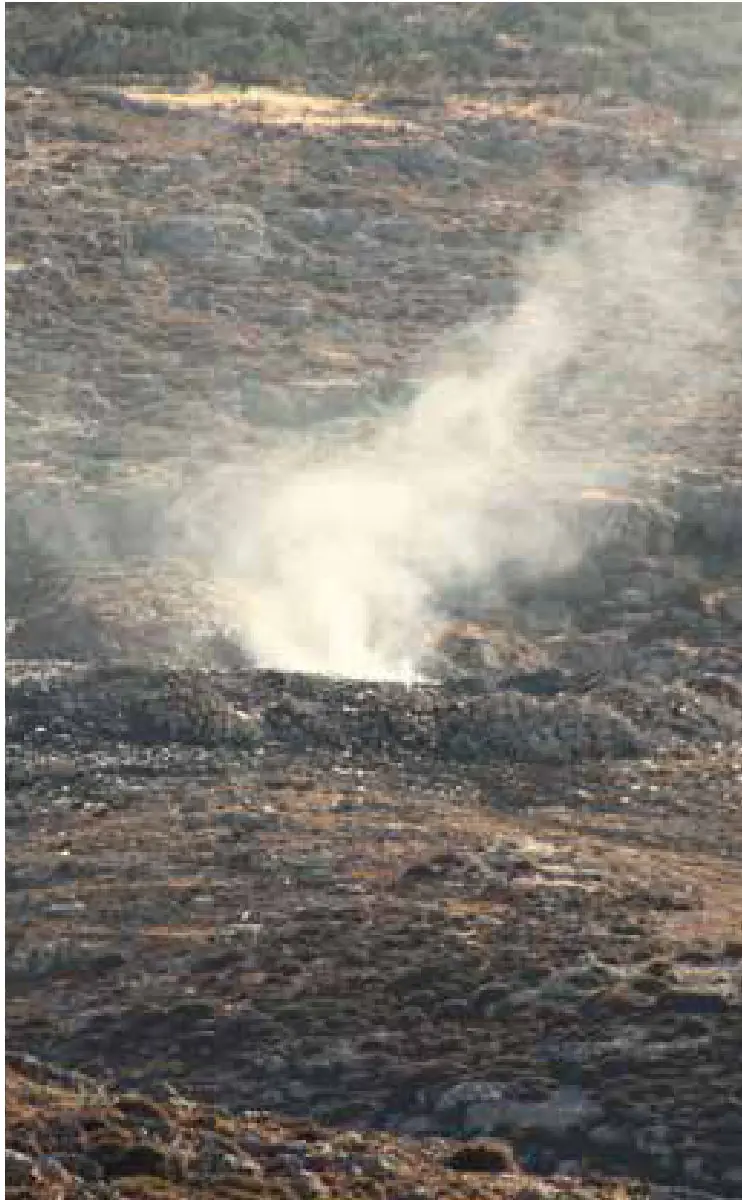
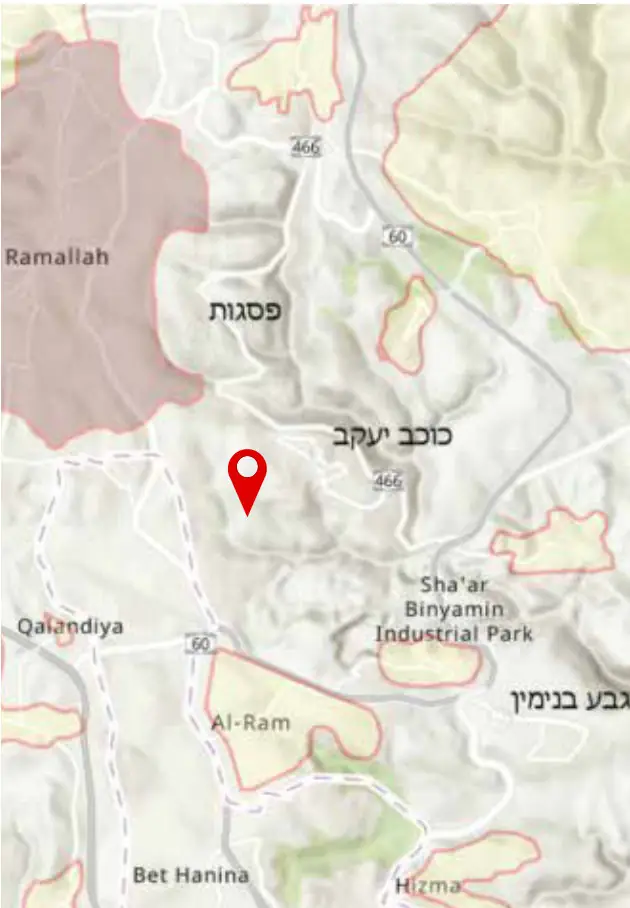
| Area: 55 Type of Proximi village, I Status o Incinera time of s Area: C GPS Coo General | dunams Waste: Domestic ty to sensitive sites sraeli community f hazard: Ongoing tion status: Alight a urvey rdinates: 31.86694,3 : Large landfill in a qu | : stream, t the 5.23632 arry |
Credite: Binyamin Land Department
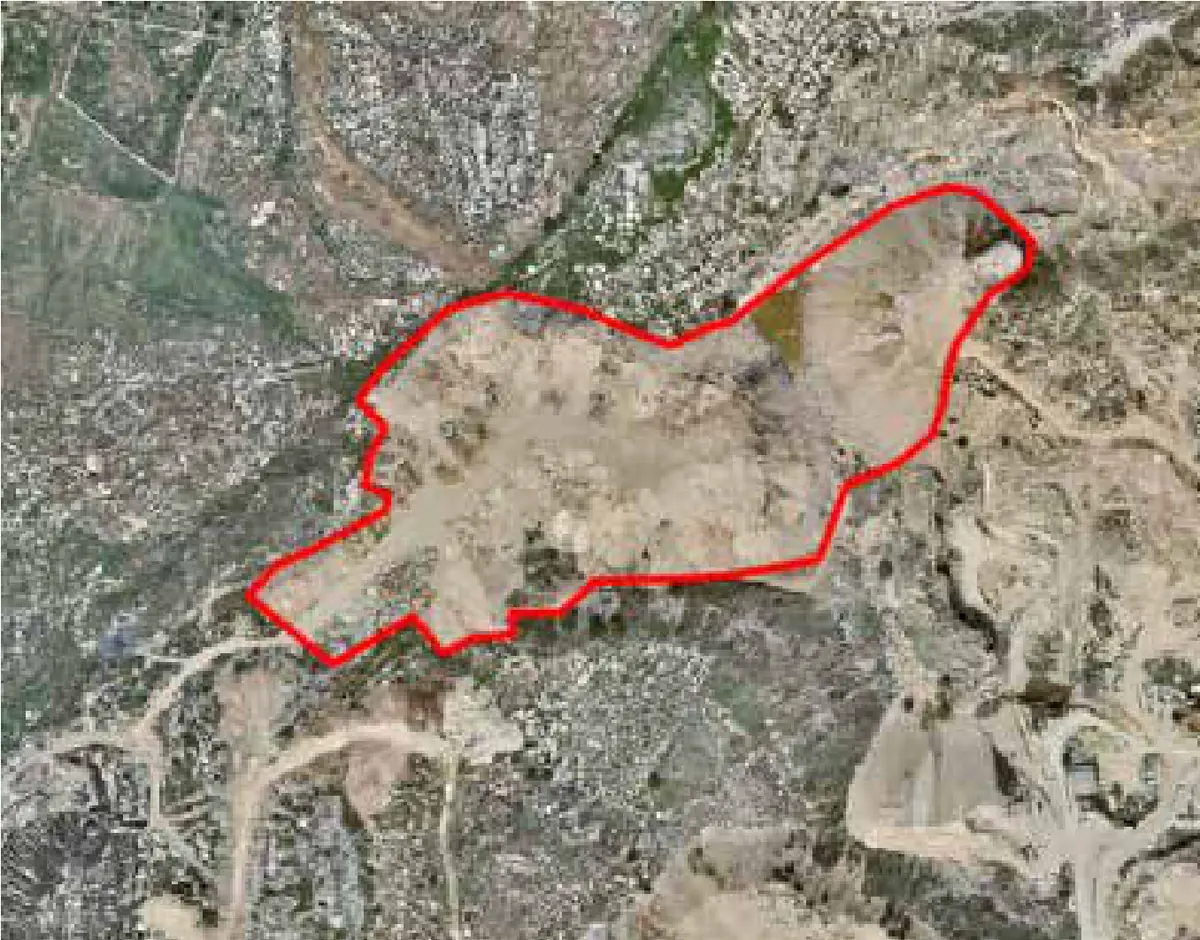
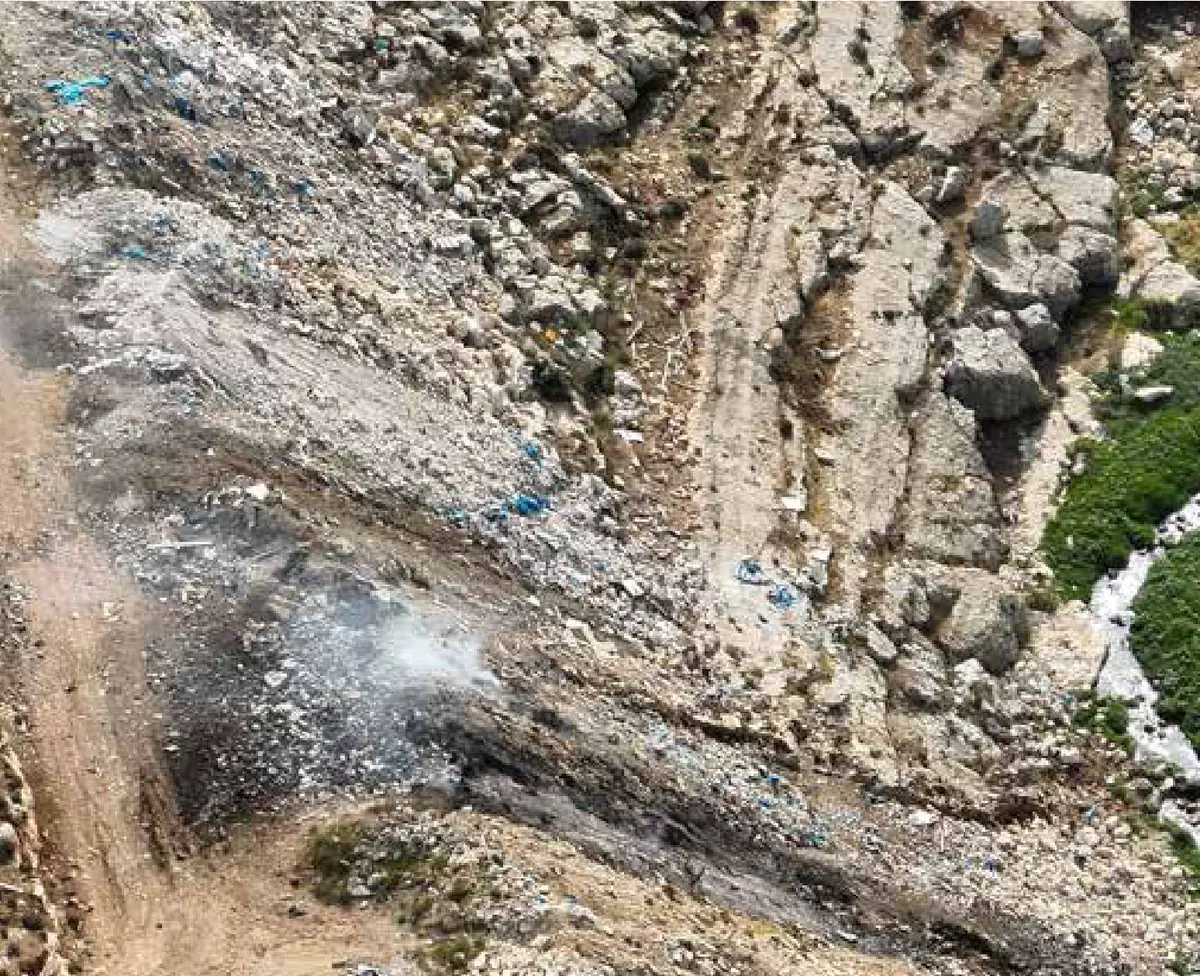
31. Mukhmus (1)
- Area
- 4.5 dunams
- Type of Waste
- Domestic , construction, groundwork surplus
- Proximity to sensitive sites
- village, Shaar Binyamin Commercial Center
- Status of hazard
- Ongoing
- Incineration status
- Alight at the time of survey
- Area
- C
- GPS Coordinates
- 31.8665,35.27636
- General
- Local dump
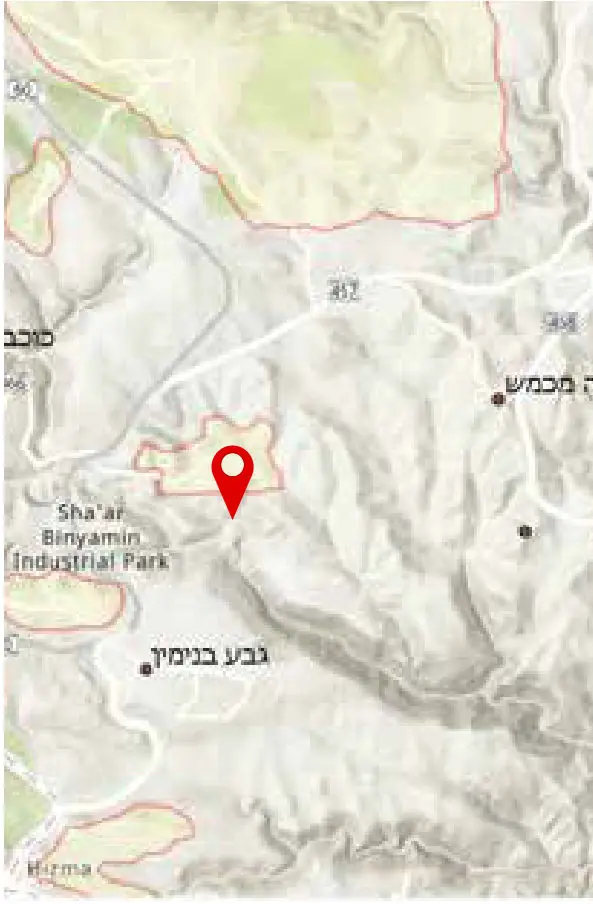
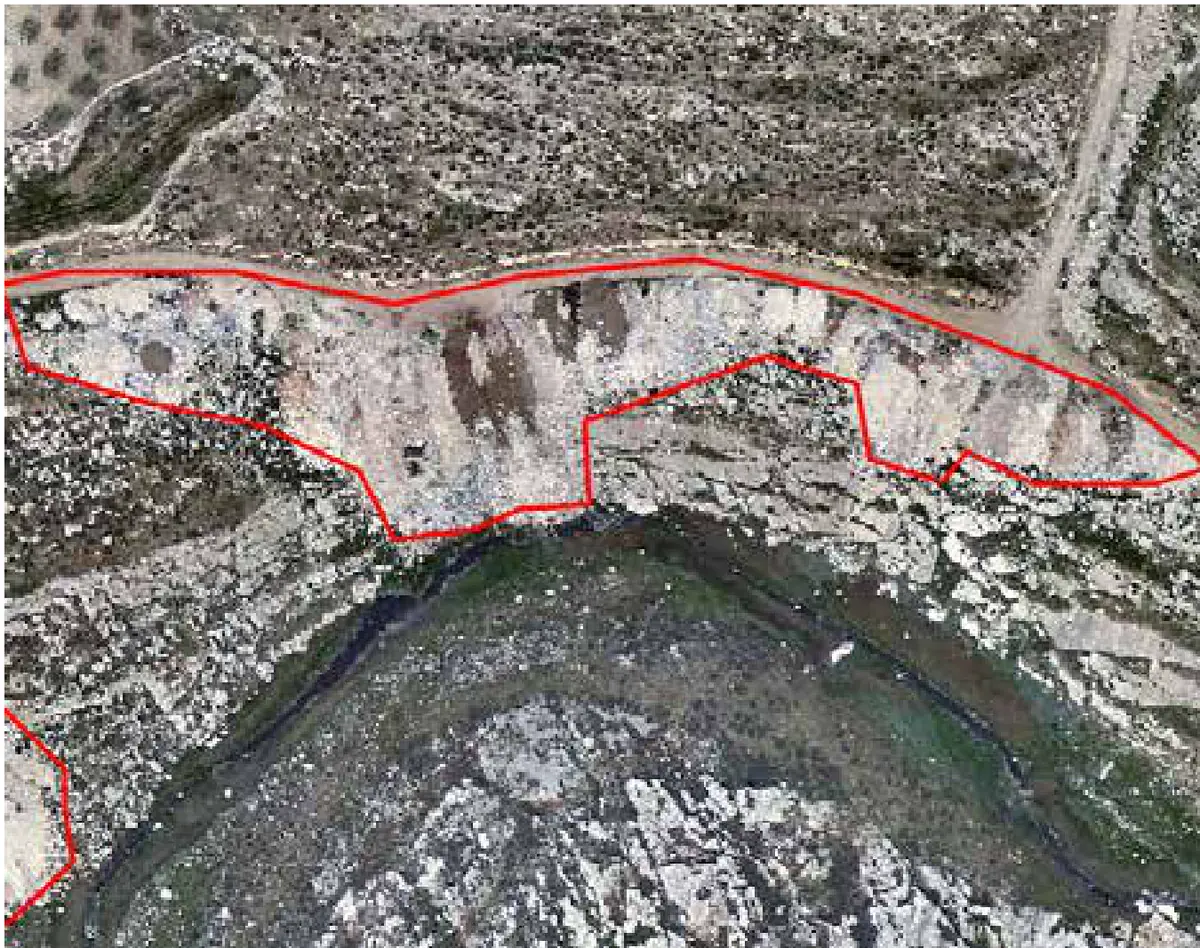
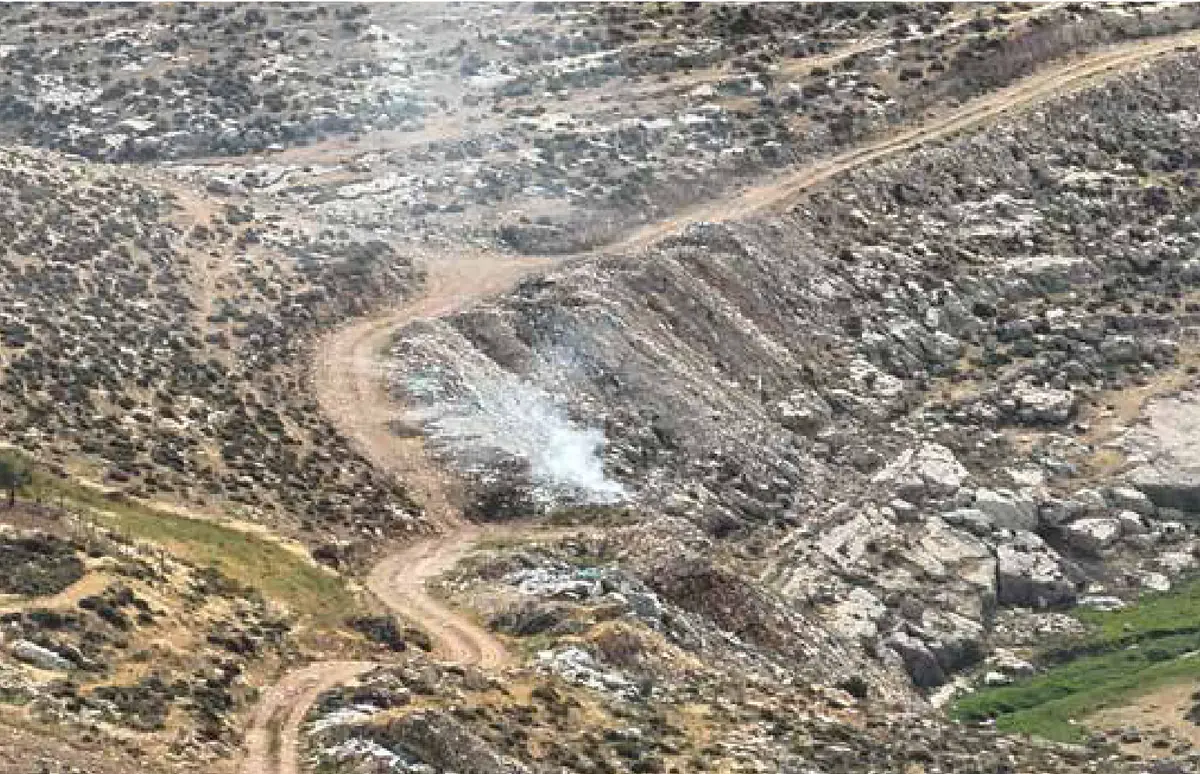
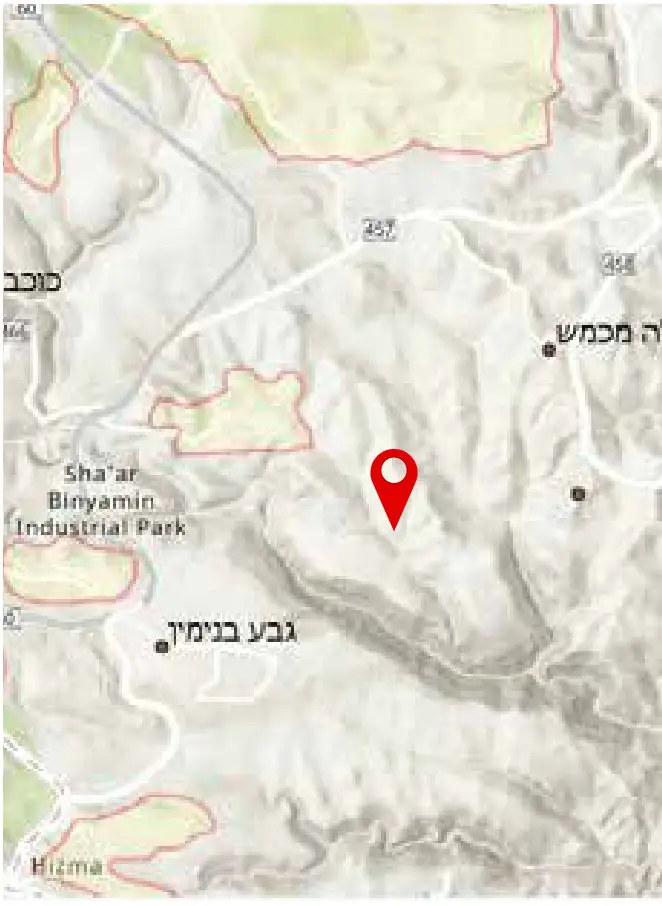
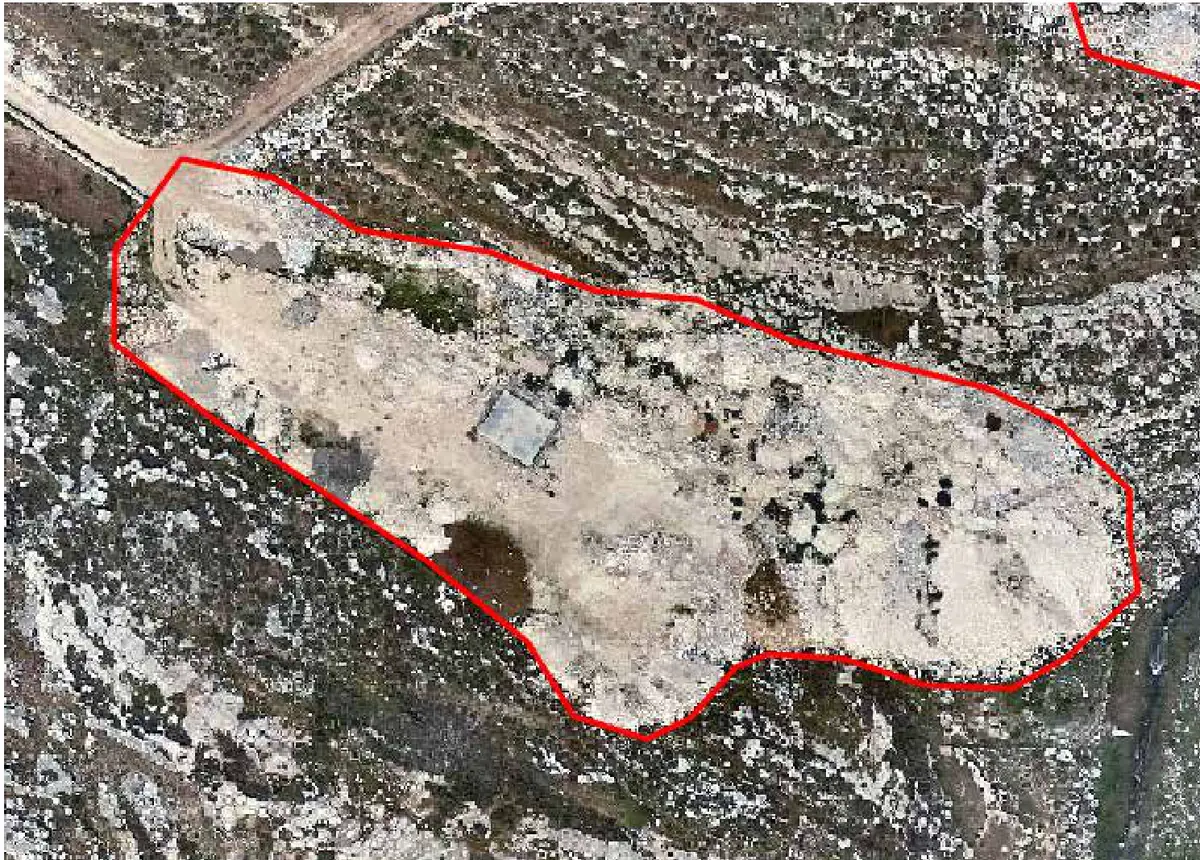
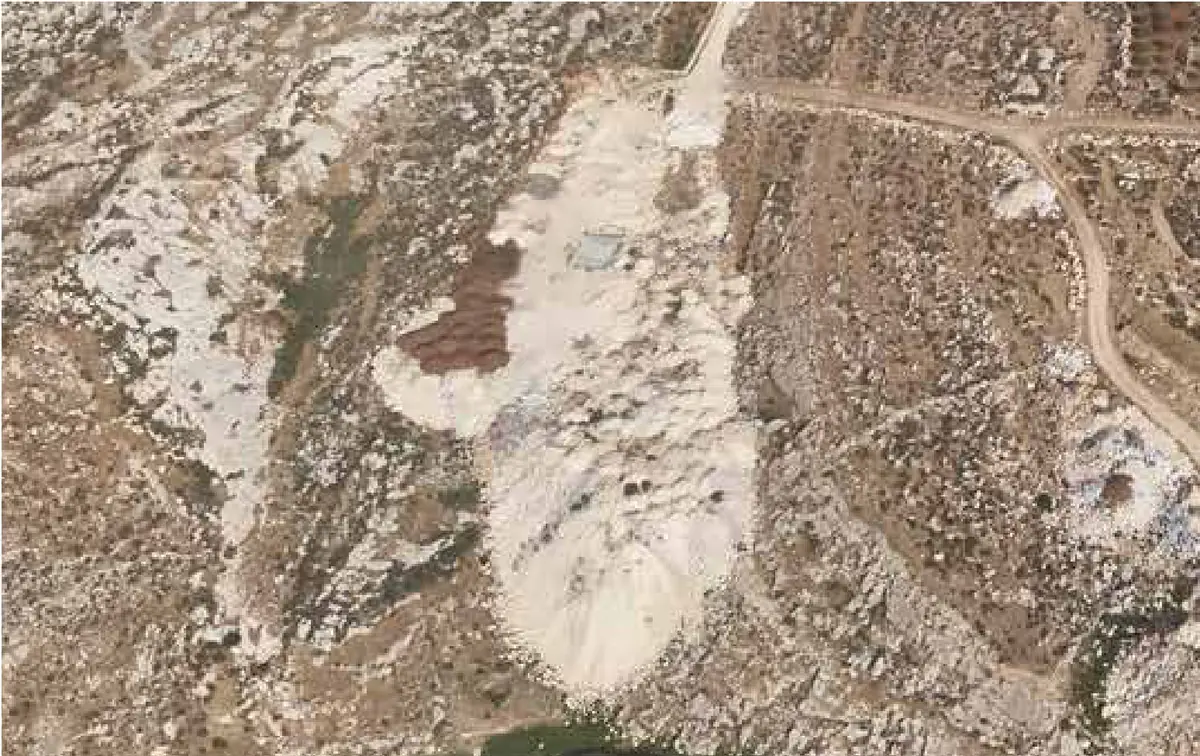
32. Mukhmus (2)
- Area
- 6.3 dunams
- Type of Waste
- Domestic, construction and earthworks surplus
- Proximity to sensitive sites
- stream, Shaar Binyamin Commercial Center, village
- Status of hazard
- Ongoing
- Incineration status
- None
- Area
- C
- GPS Coordinates
- 31.86597,35.27469
- General
- Local landfill
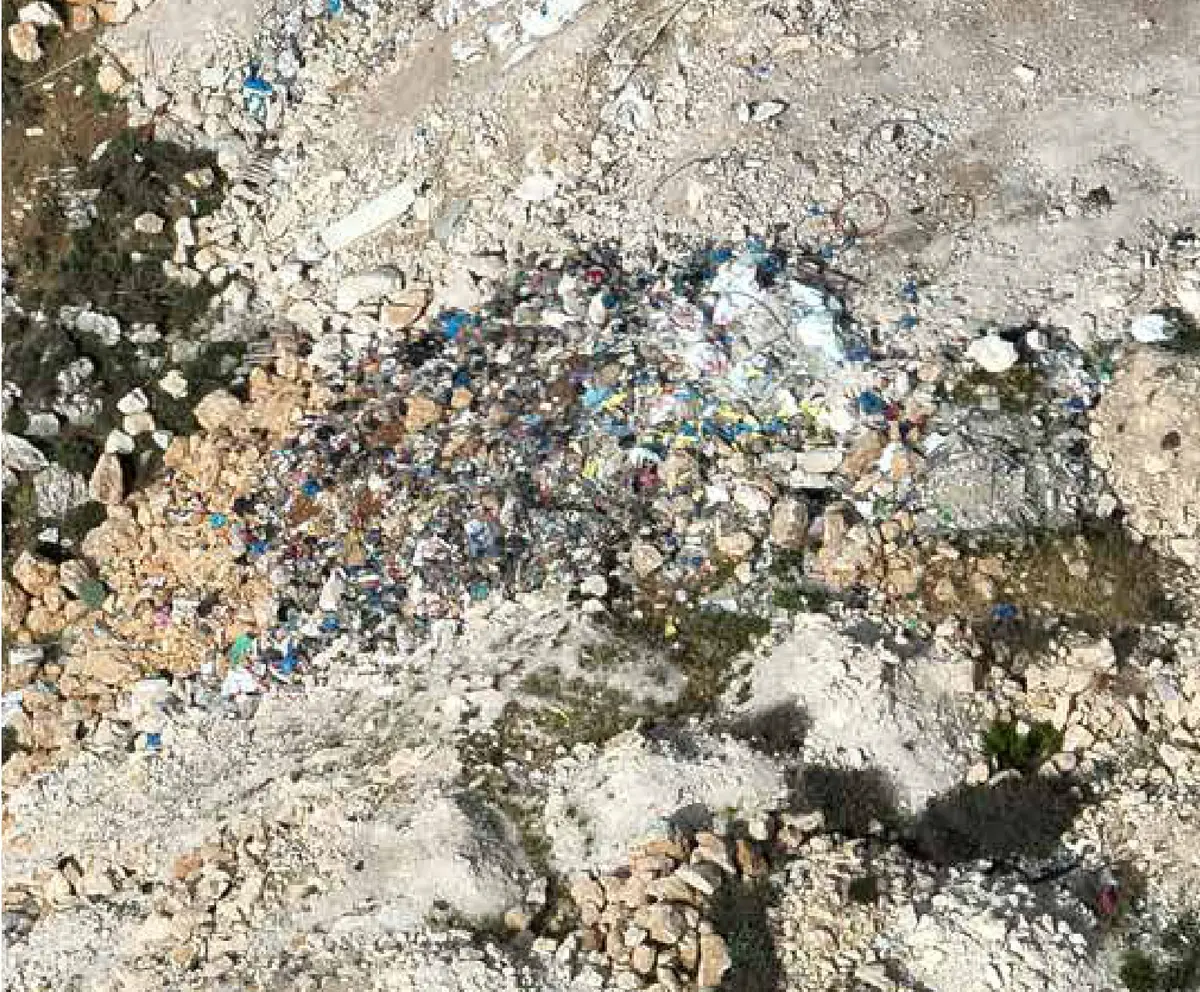
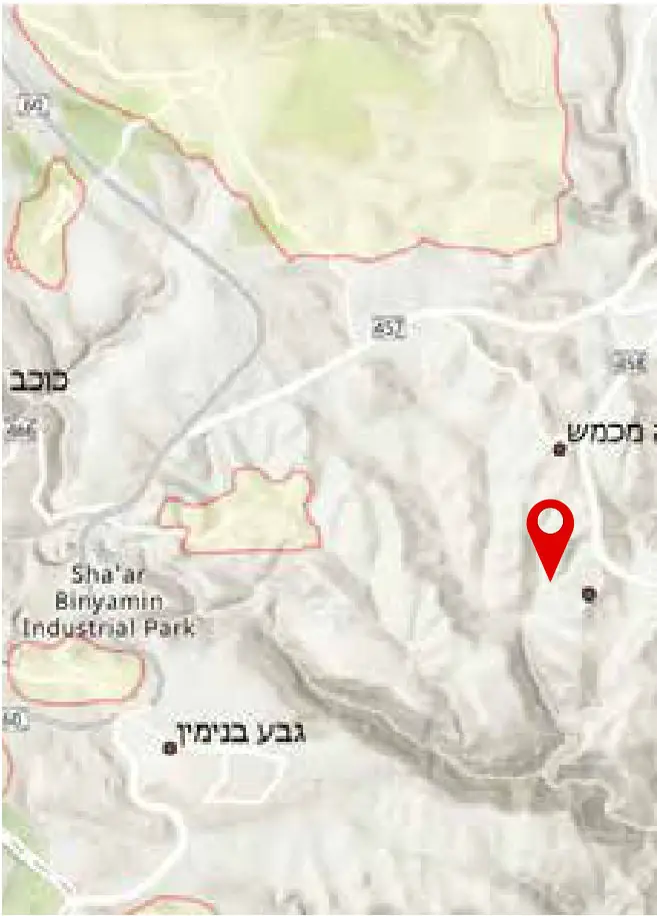
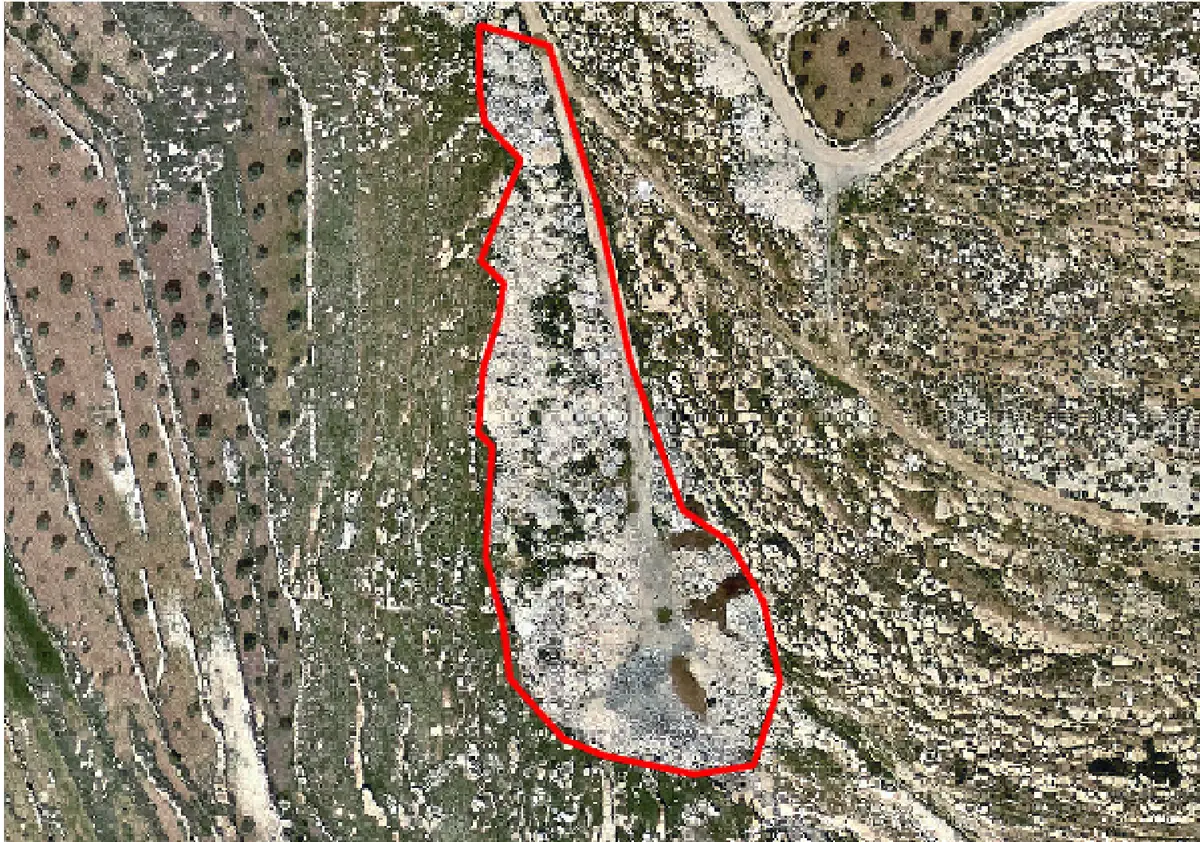
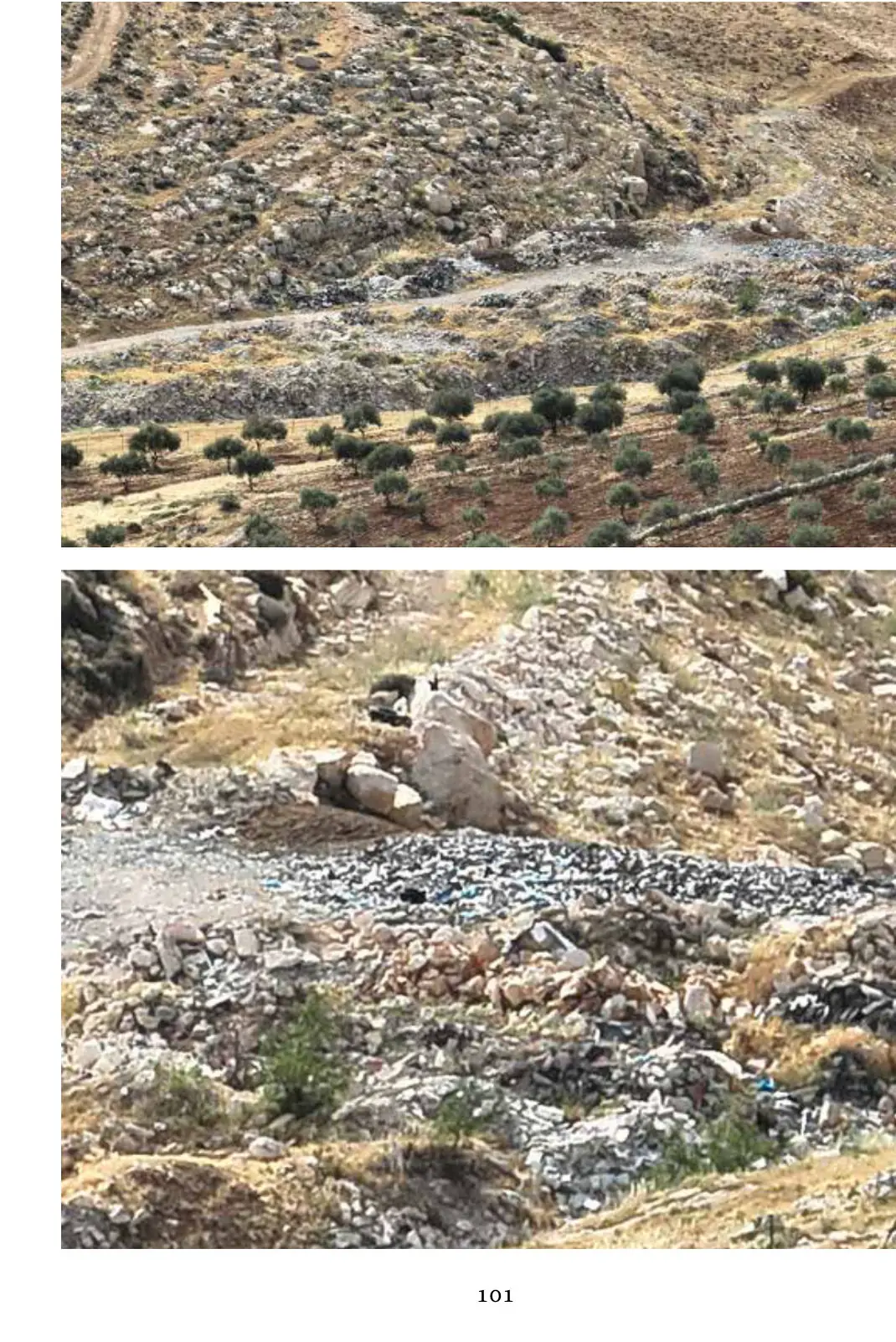
33. Mukhmus (3)
- Area
- 5 dunams
- Type of Waste
- Domestic
- Proximity to sensitive sites
- stream, Shaar Binyamin Commercial Center, village
- Status of hazard
- Ongoing
- Incineration status
- Alight at the time of survey
- Area
- C
- GPS Coordinates
- 31.85829,35.29252
- General
- Local dump
34. Beit Anan
- Area
- 59.3 dunams
- Type of Waste
- Domestic, earthworks surplus
- Proximity to sensitive sites
- stream, separation barrier, IDF Firing Zone
- Status of hazard
- Ongoing
- Incineration status
- Evidence of incineration
- Area
- C
- GPS Coordinates
- 31.86218,35.08151
- General
- Illegal landfill. Photo on lower left is a parking area for garbage trucks and earthmovers
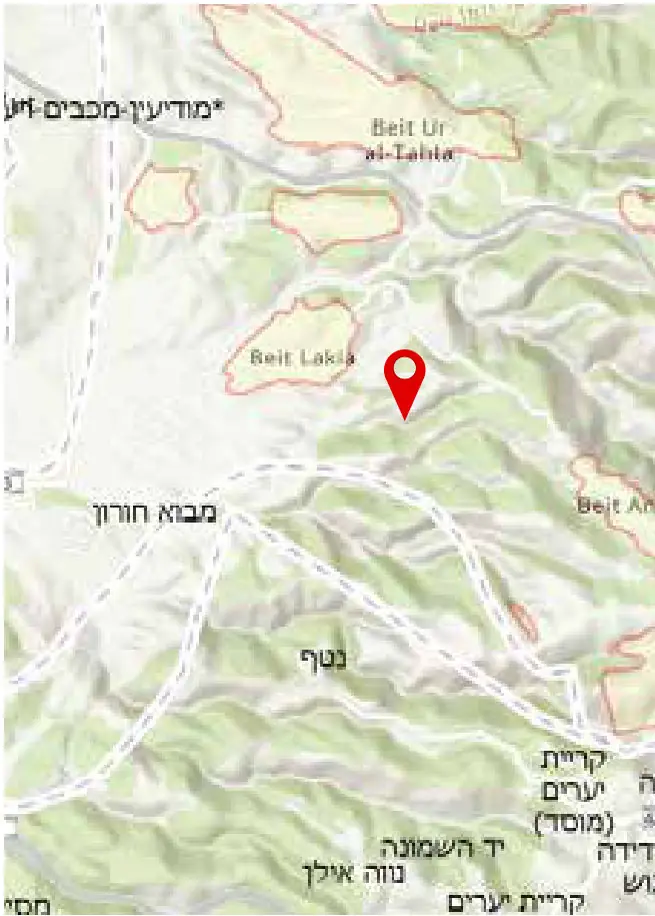
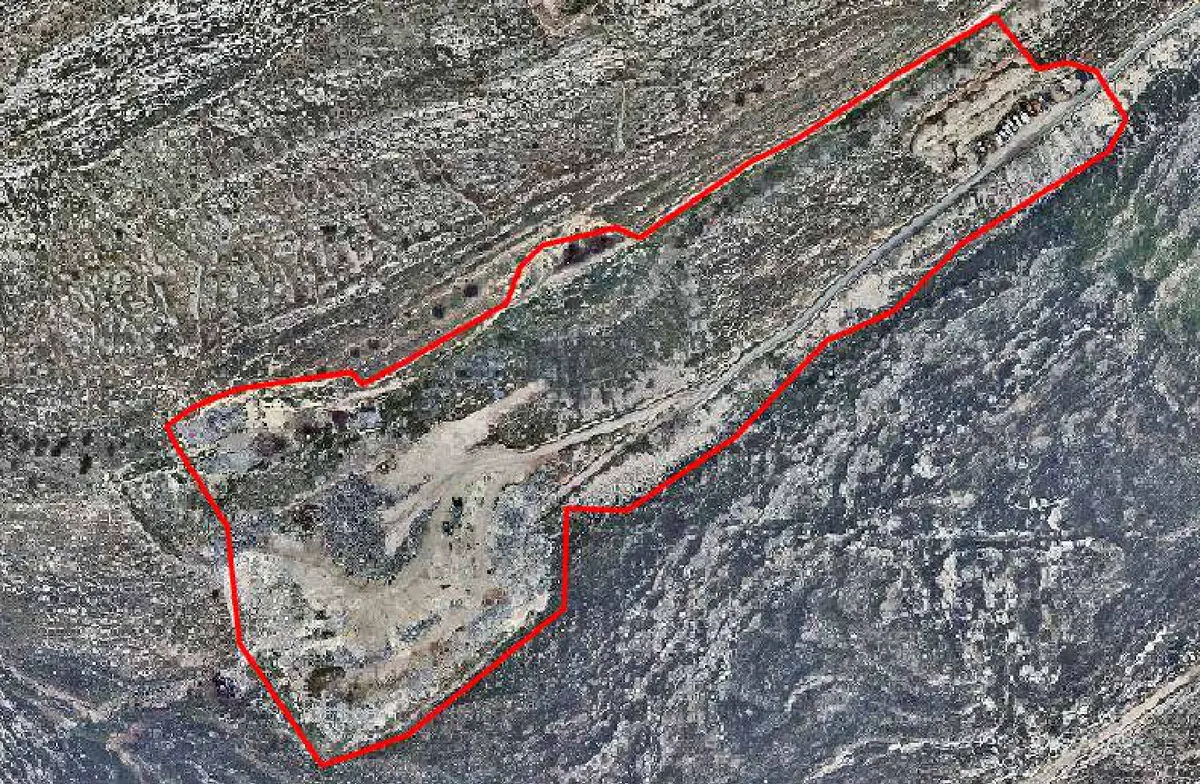
Credit: Binyamin Land Department
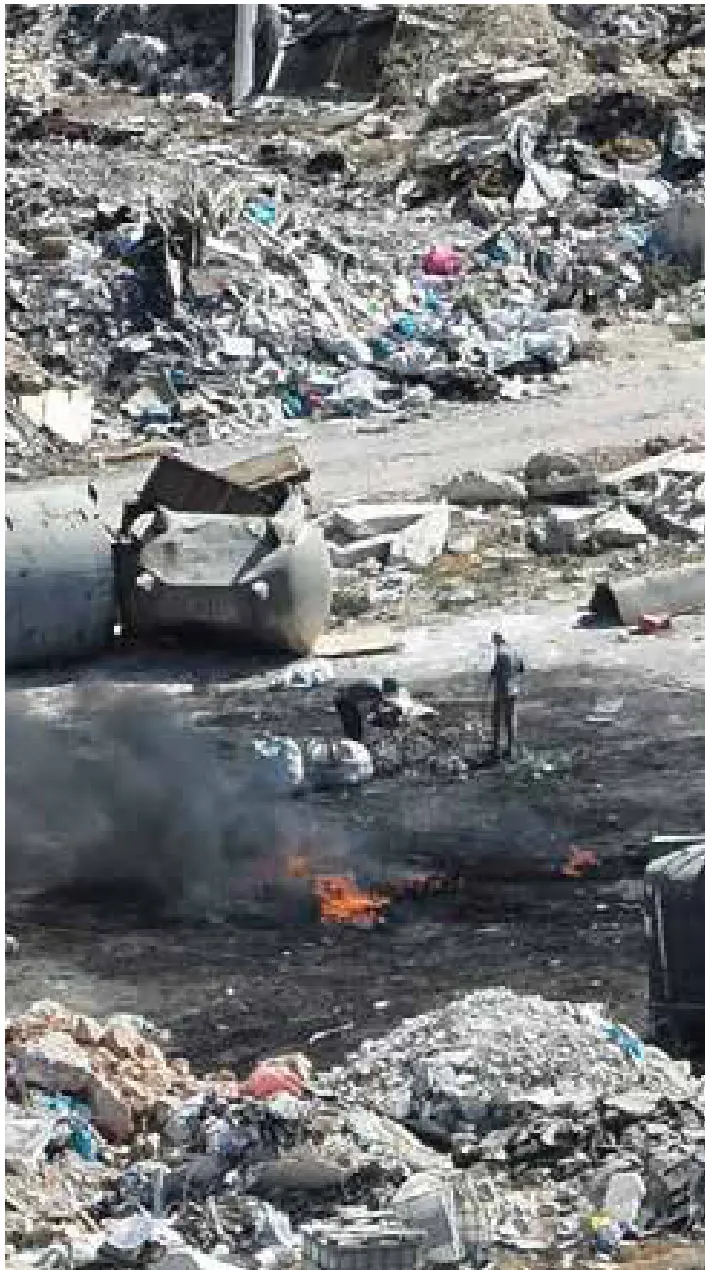
35. Anata
- Area
- 52 dunams
- Type of Waste
- Domestic, car wrecks, industrial and mixed
- Proximity to sensitive sites
- separation barrier, IDF military base (Anatot), Anata Bypass Road
- Status of hazard
- Ongoing
- Incineration status
- Alight at the time of survey
- Area
- C
- GPS Coordinates
- 31.8185,35.27249
- General
- Large dump aggregating numerous types of waste hazards
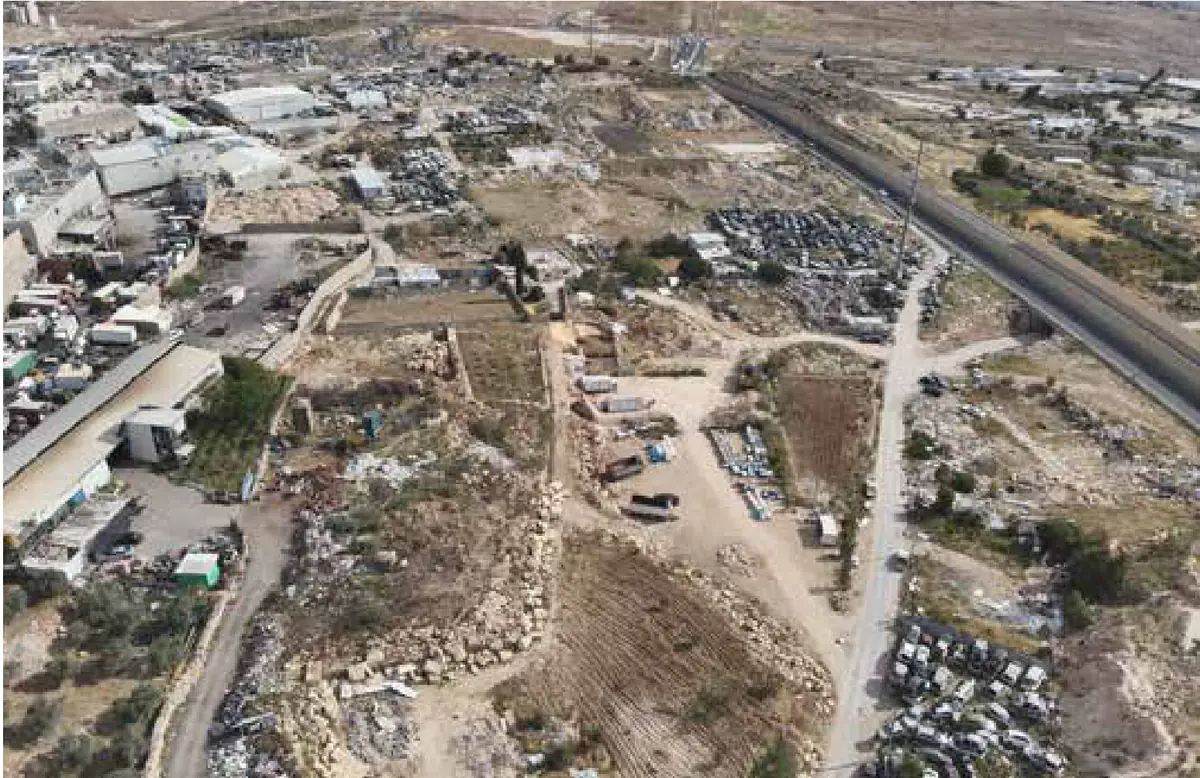
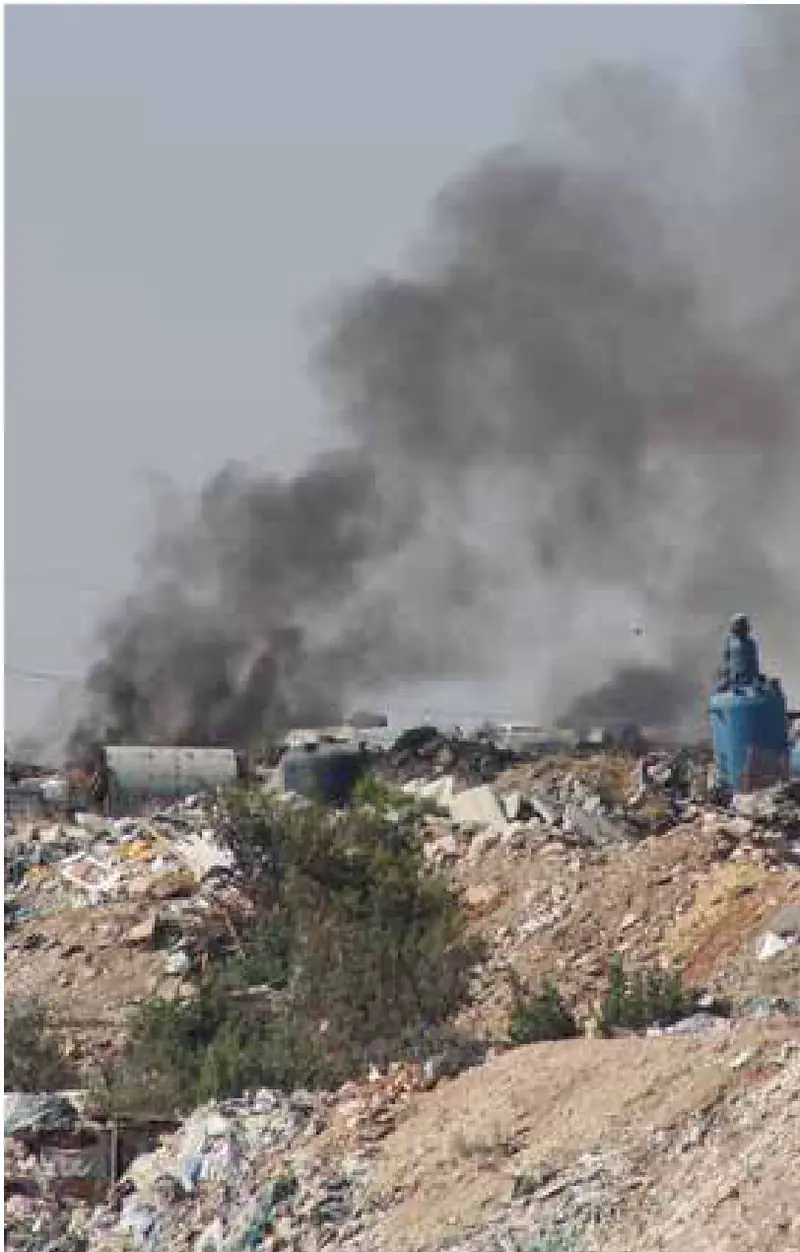
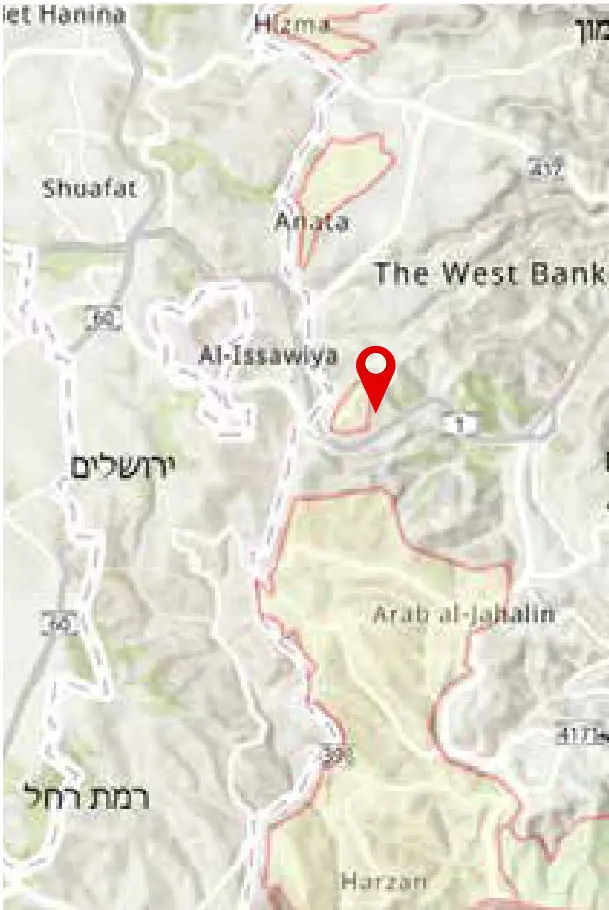
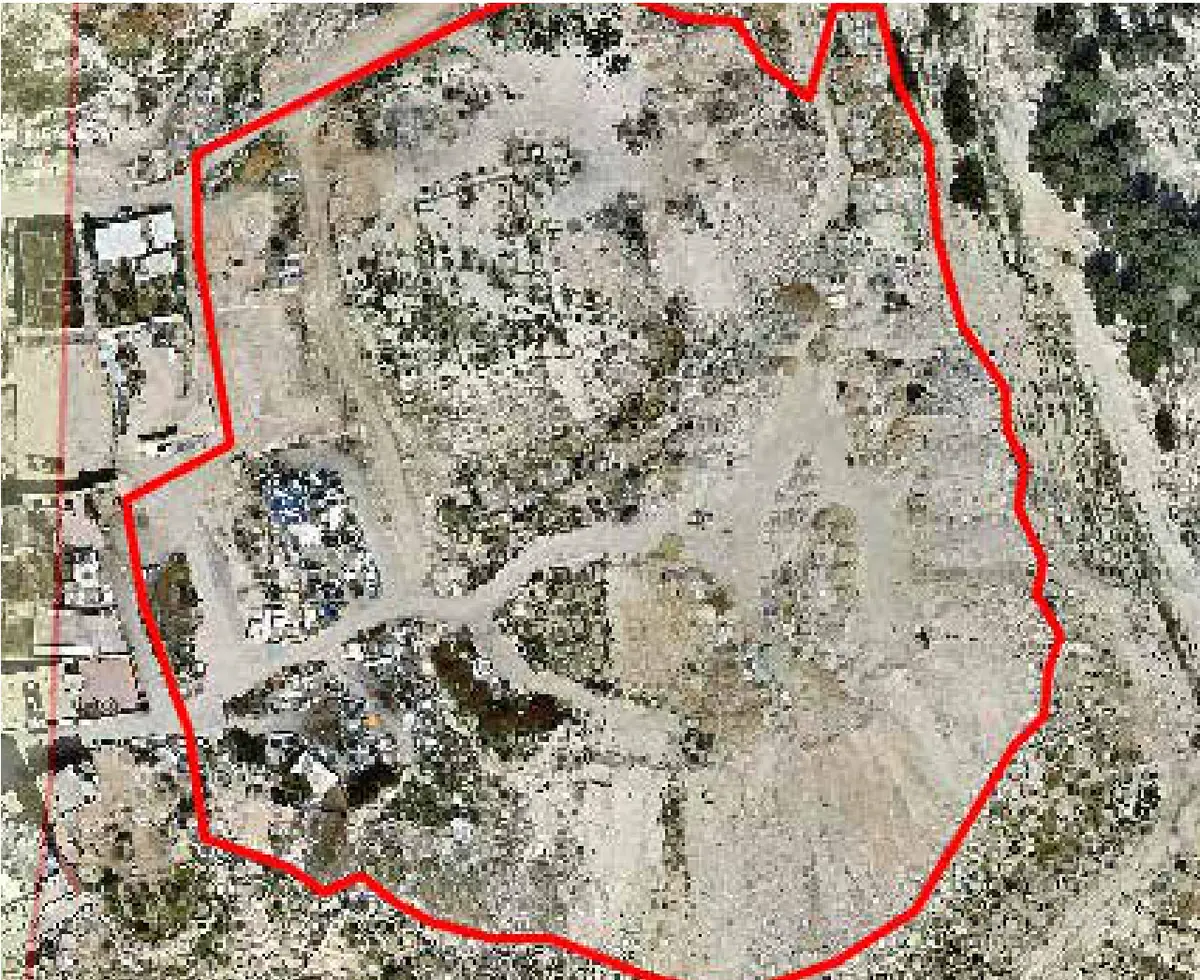
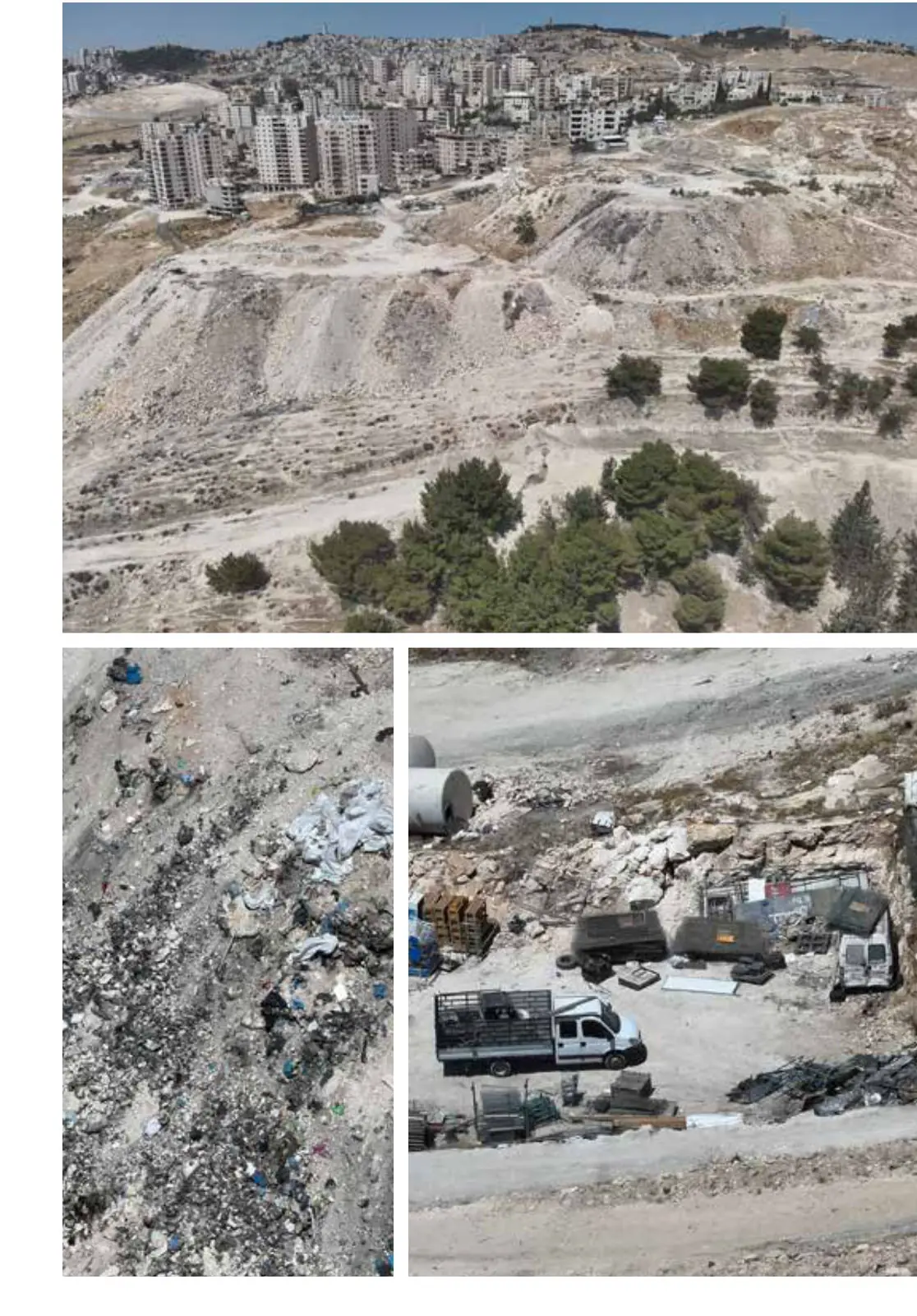
36. A Zayim (1)
- Area
- 38.8 dunams
- Type of Waste
- Domestic, automotive, earthworks surplus
- Proximity to sensitive sites
- village, highway, reforestation project
- Status of hazard
- Ongoing
- Incineration status
- Evidence of incineration
- Area
- C
- GPS Coordinates
- 31.78785,35.2688
- General
- Illegal landfill
37. A Zayim (2)
- Area
- 17.5 dunams
- Type of Waste
- Domestic, automotive, earthworks surplus
- Proximity to sensitive sites
- village, highway, reforestation project
- Status of hazard
- Ongoing
- Incineration status
- Evidence of incineration
- Area
- C
- GPS Coordinates
- 31.79108,35.27127
- General
- Illegal landfill
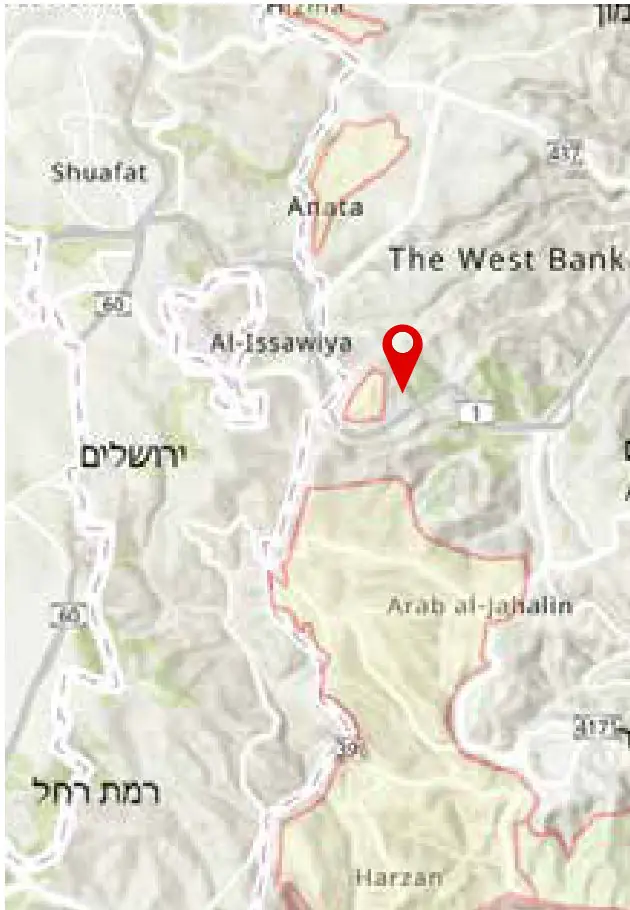
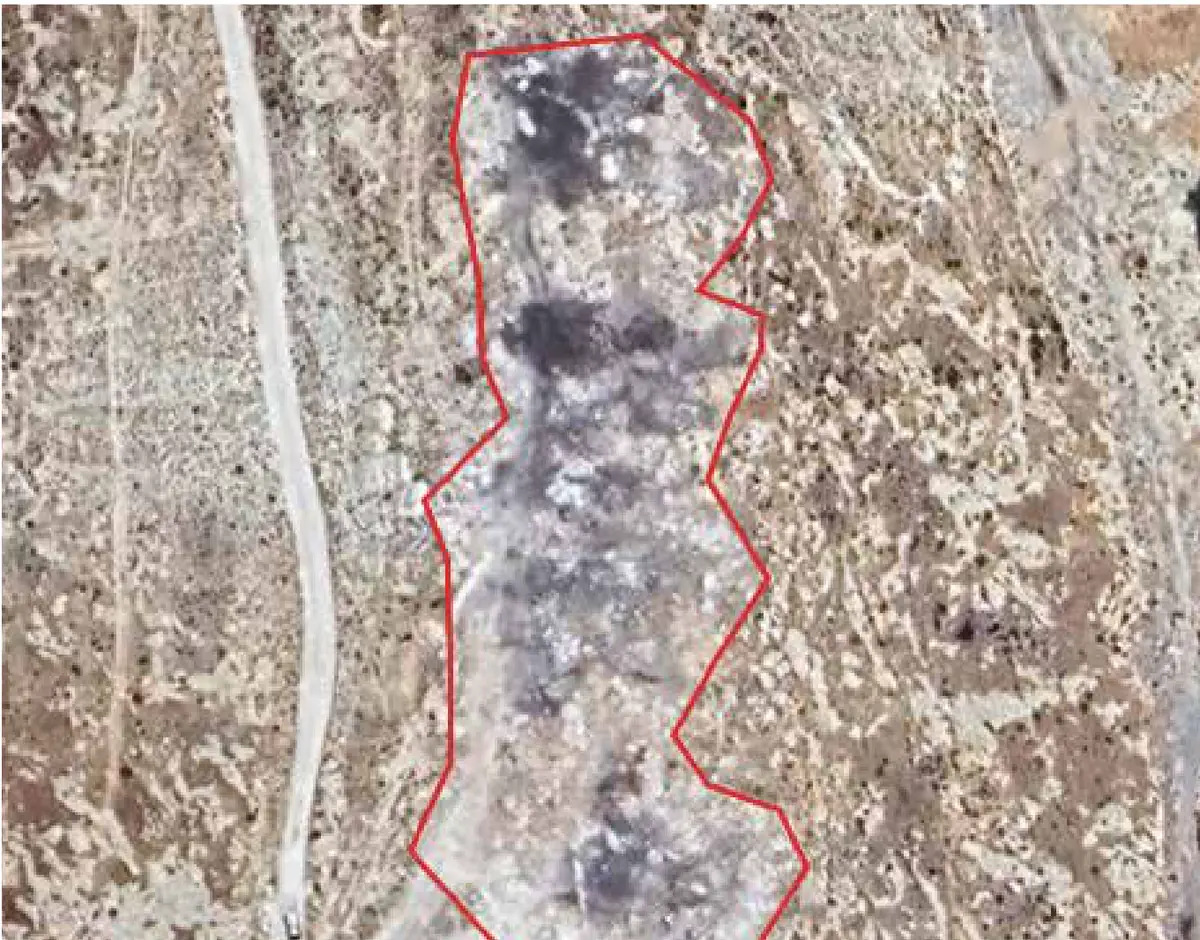
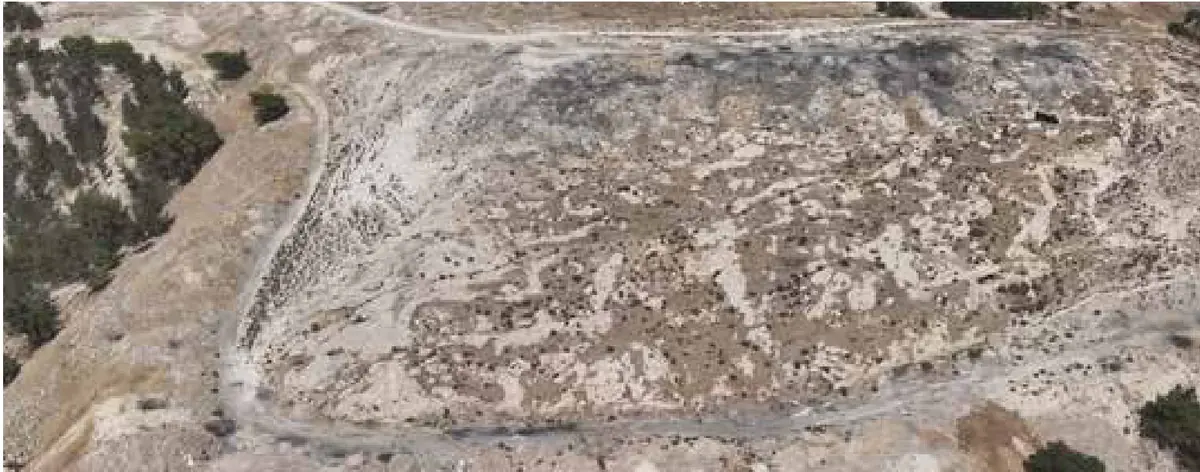
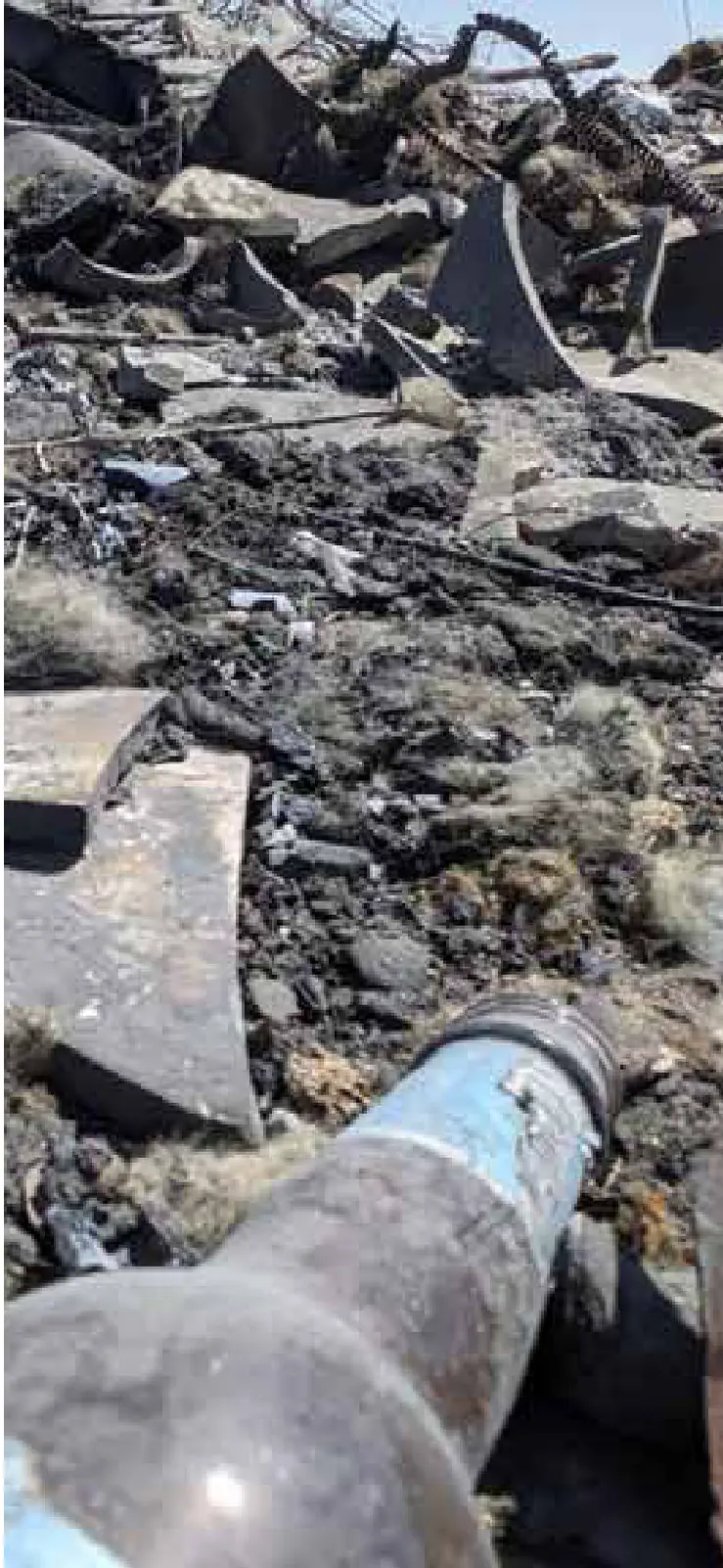
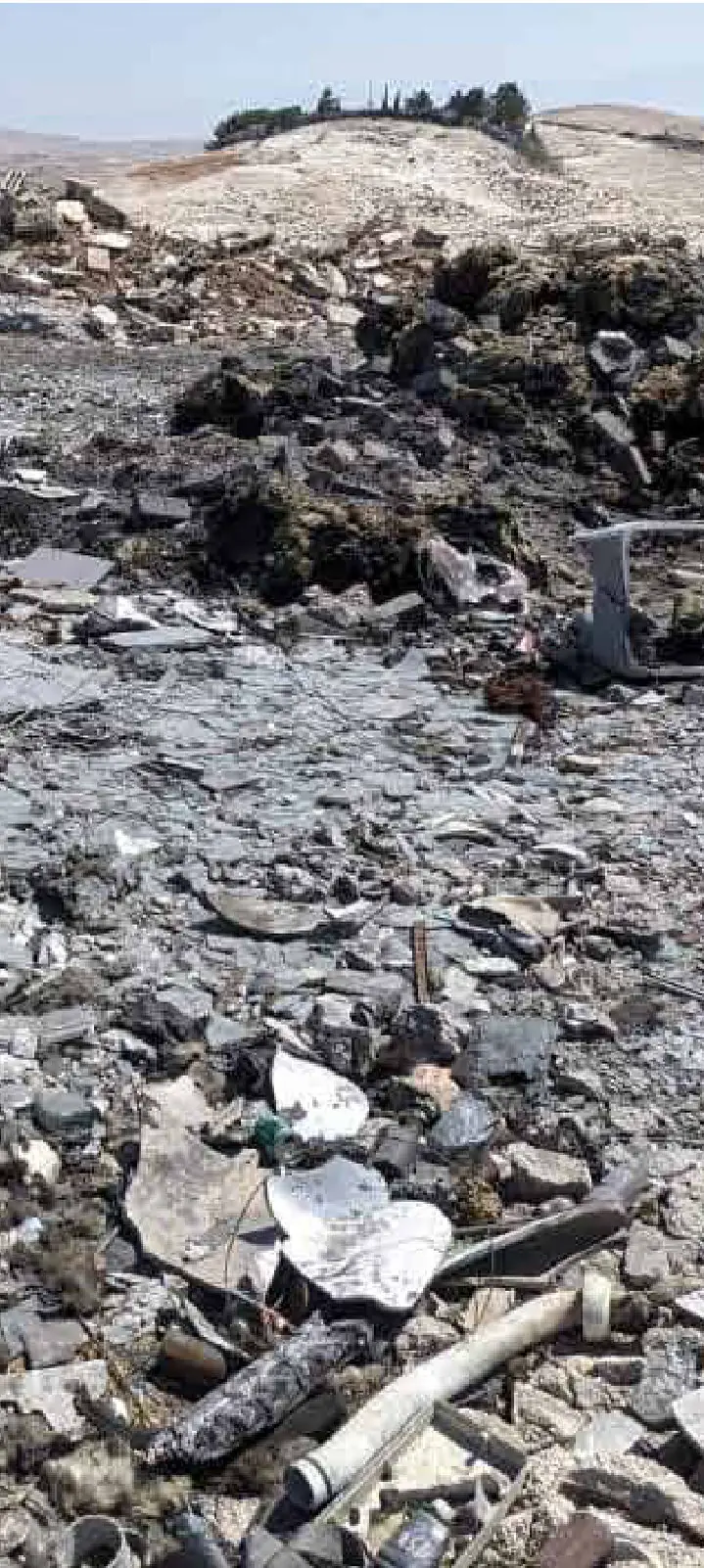
38. A Zayim (3)
- Area
- 8.6 dunams
- Type of Waste
- Domestic, earthworks surplus
- Proximity to sensitive sites
- stream
- Status of hazard
- Ongoing
- Incineration status
- Evidence of incineration
- Area
- C
- GPS Coordinates
- 31.79699,35.274
- General
- Illegal landfill. Left photo documents scavengers picking through the waste
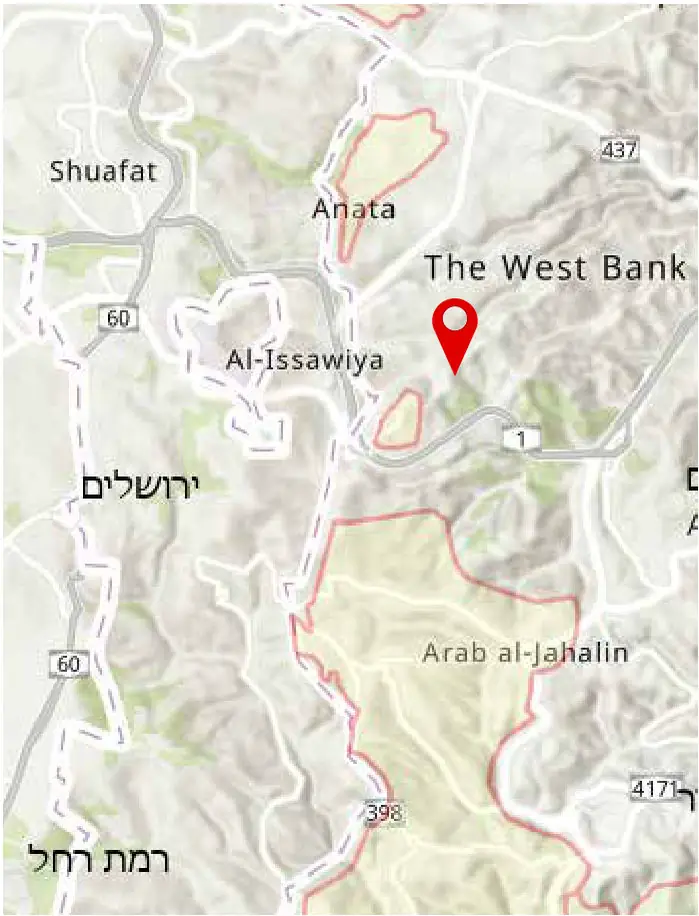
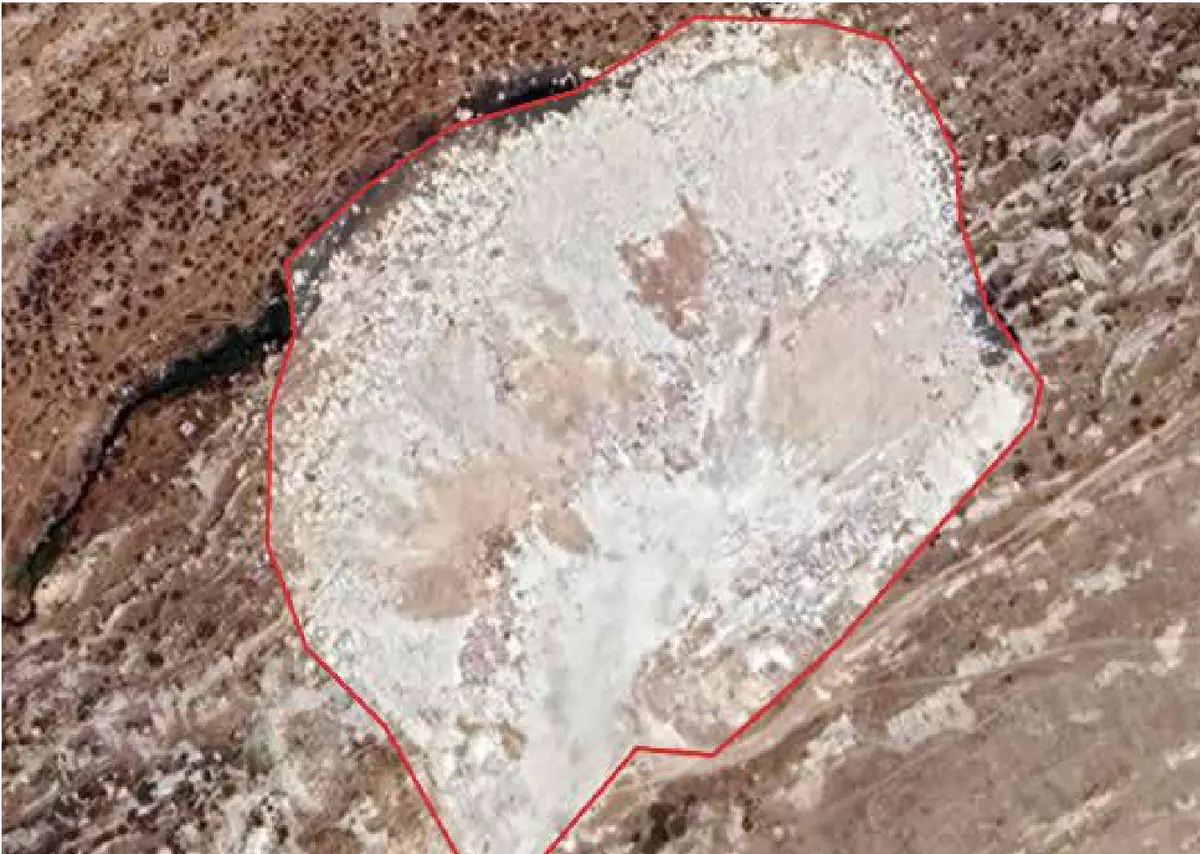
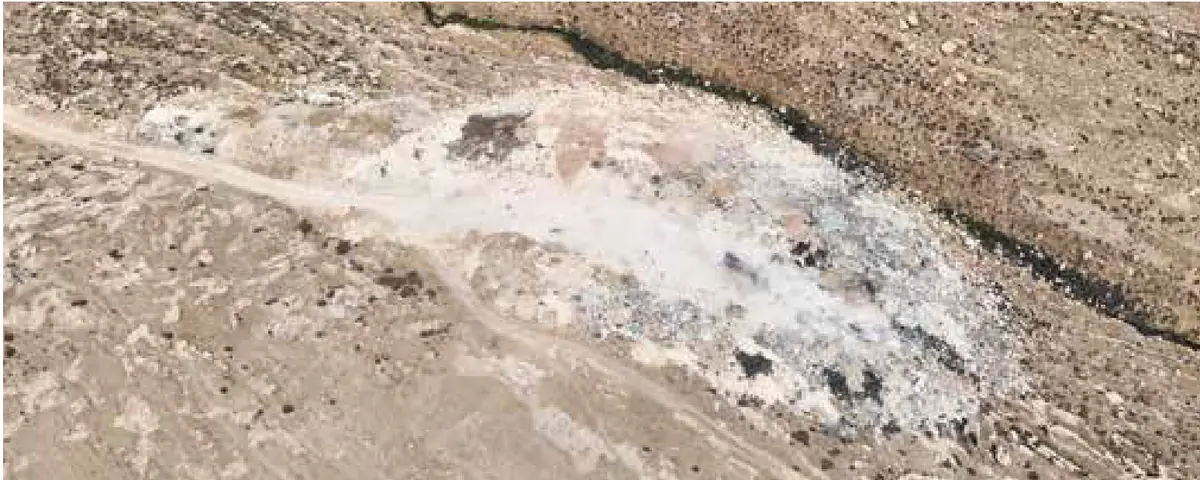
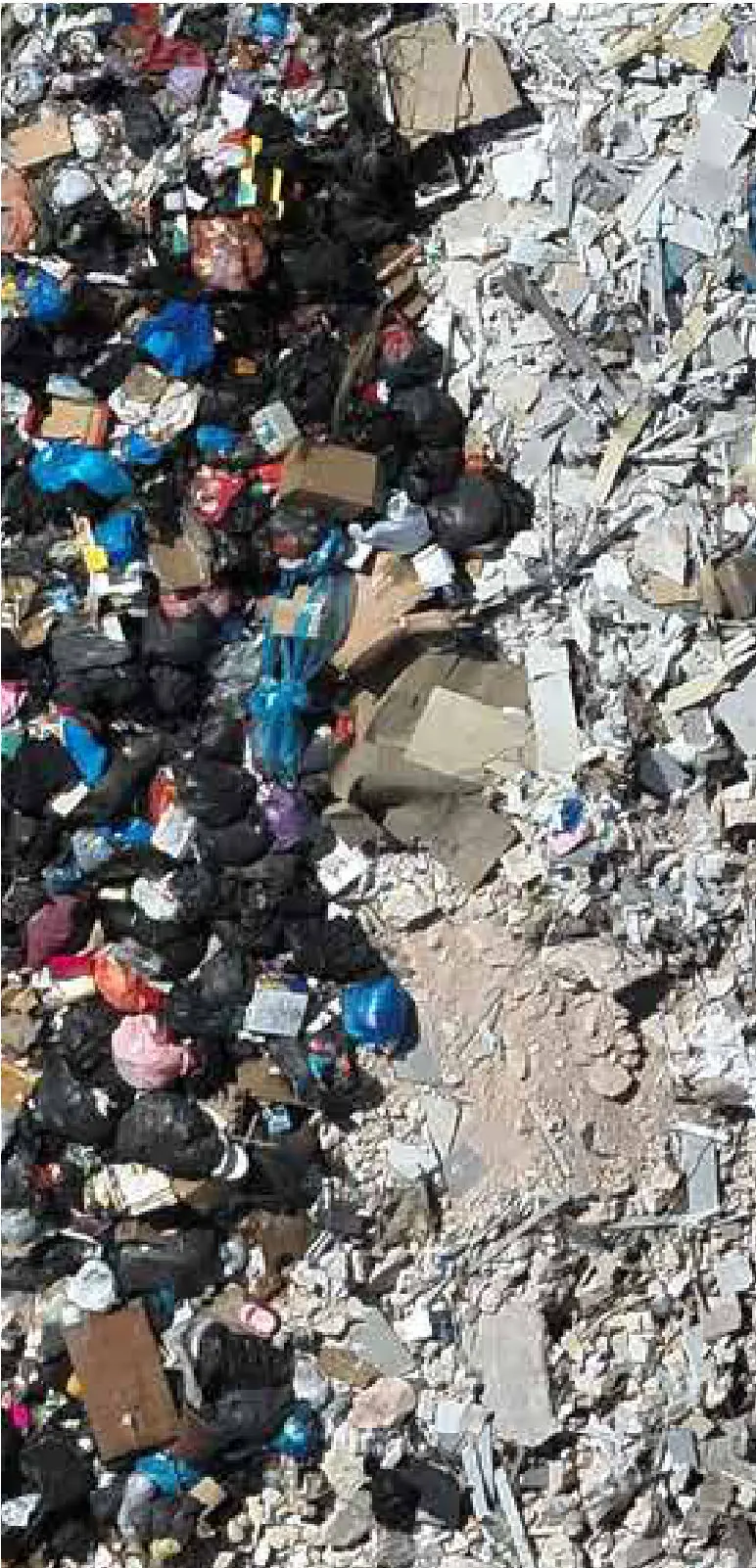
39. Arab al Jahalin (1)
- Area
- 21.8 dunams
- Type of Waste
- Domestic, automotive, earthworks surplus
- Proximity to sensitive sites
- stream, roadway, village
- Status of hazard
- Ongoing
- Incineration status
- Evidence of incineration
- Area
- C
- GPS Coordinates
- 31.75028,35.29284
- General
- Illegal landfill
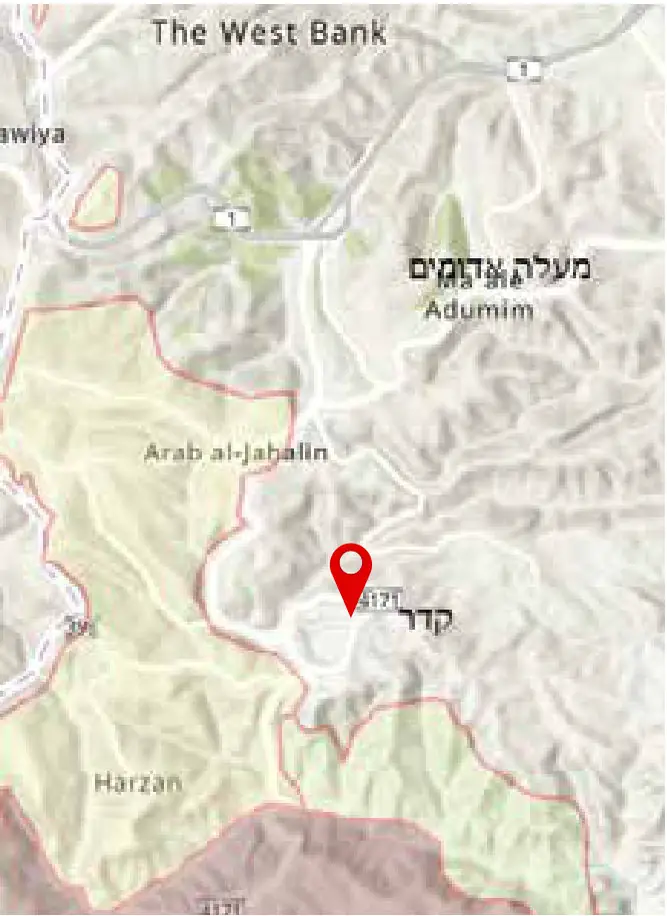
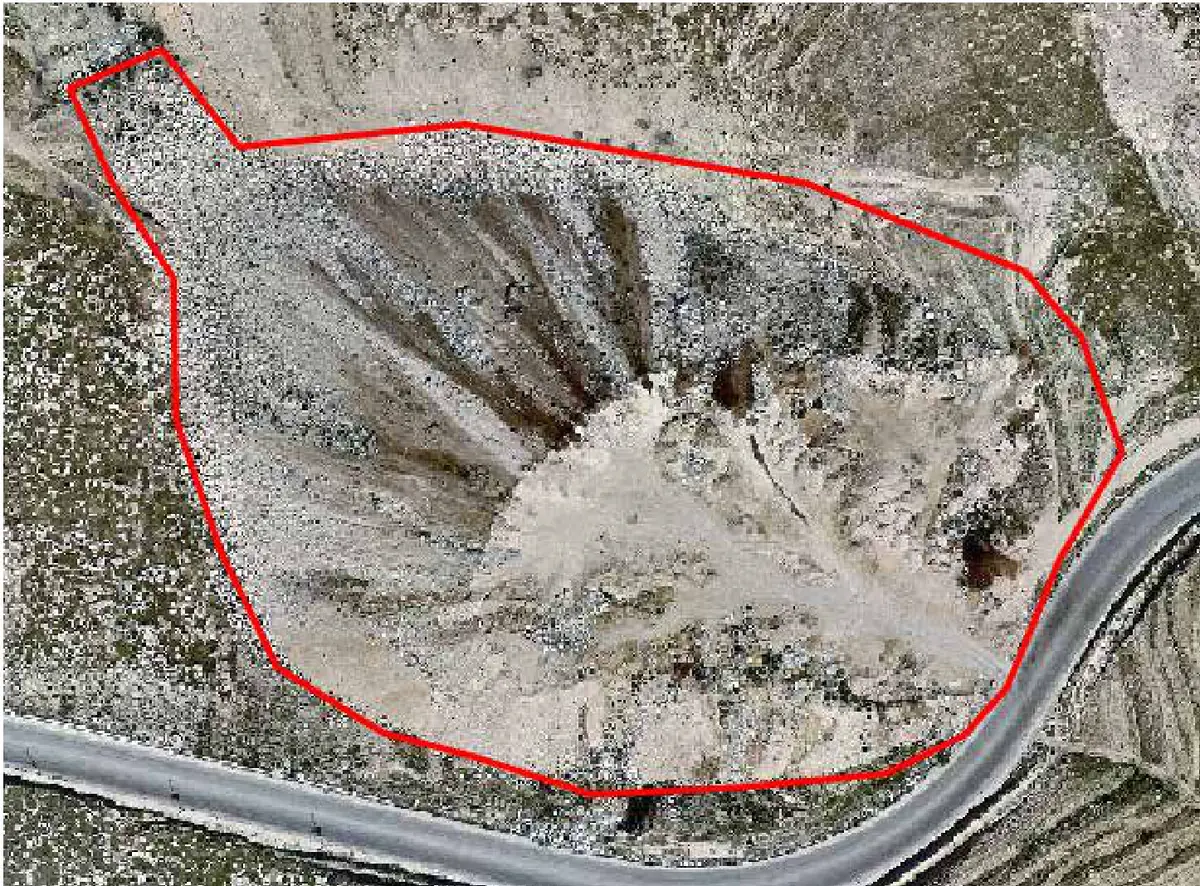
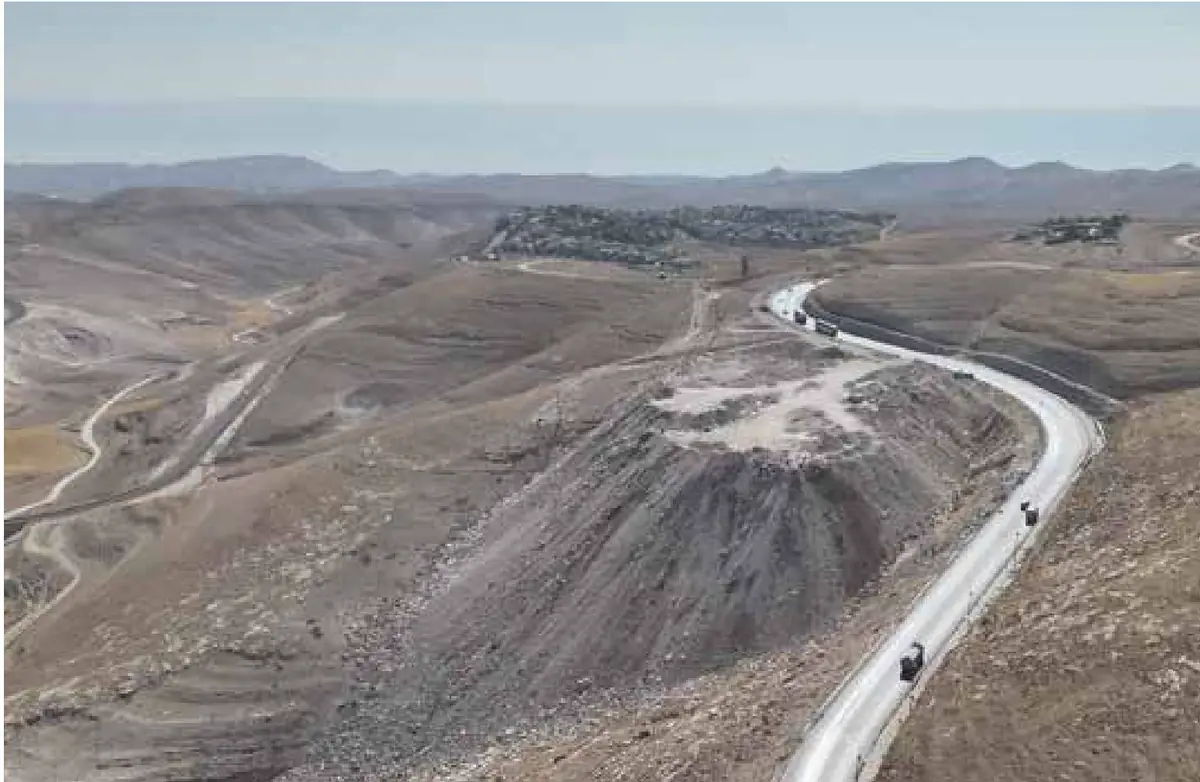
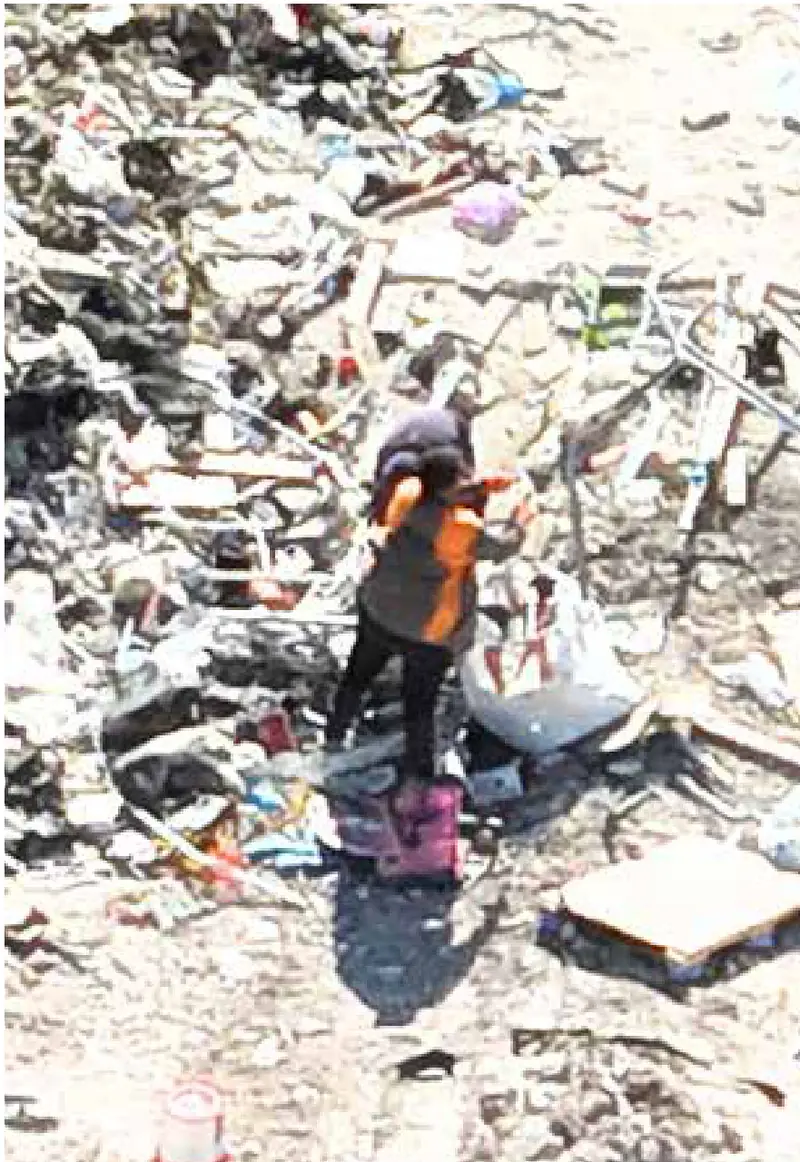
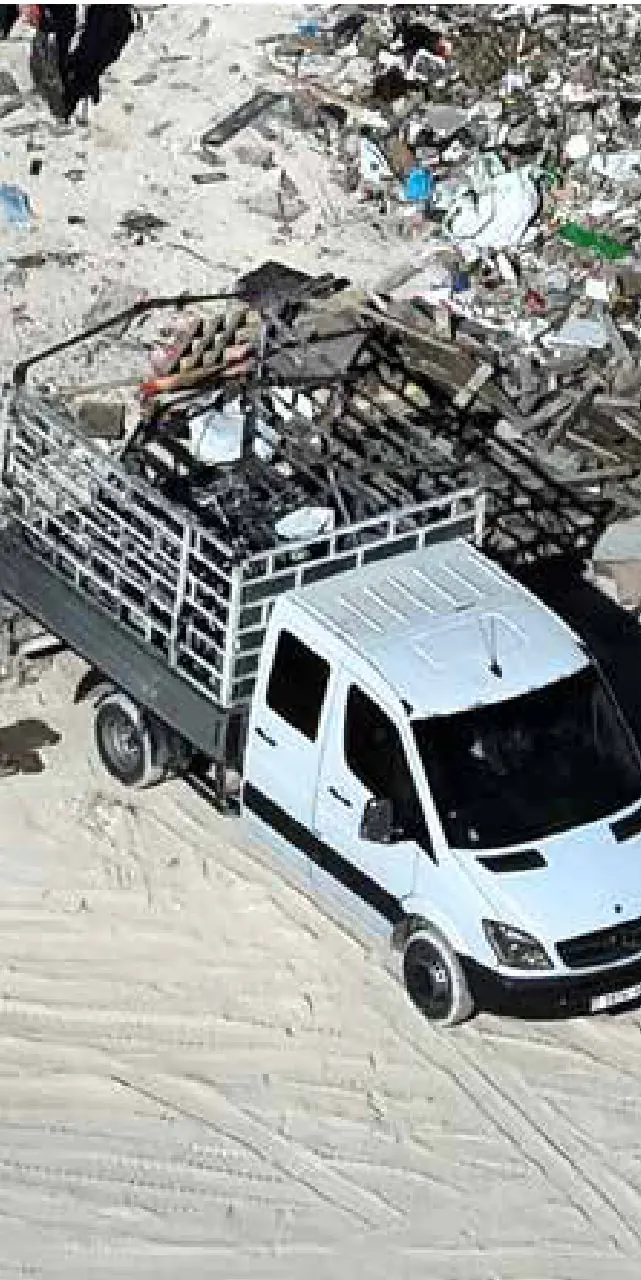
40. Arab al Jahalin (2)
- Area
- 38.1 dunams
- Type of Waste
- Domestic, automotive, tires, earthworks surplus
- Proximity to sensitive sites
- stream, roadway, village
- Status of hazard
- Ongoing
- Incineration status
- Evidence of incineration
- Area
- C
- GPS Coordinates
- 31.74802,35.28535
- General
- Illegal landfill
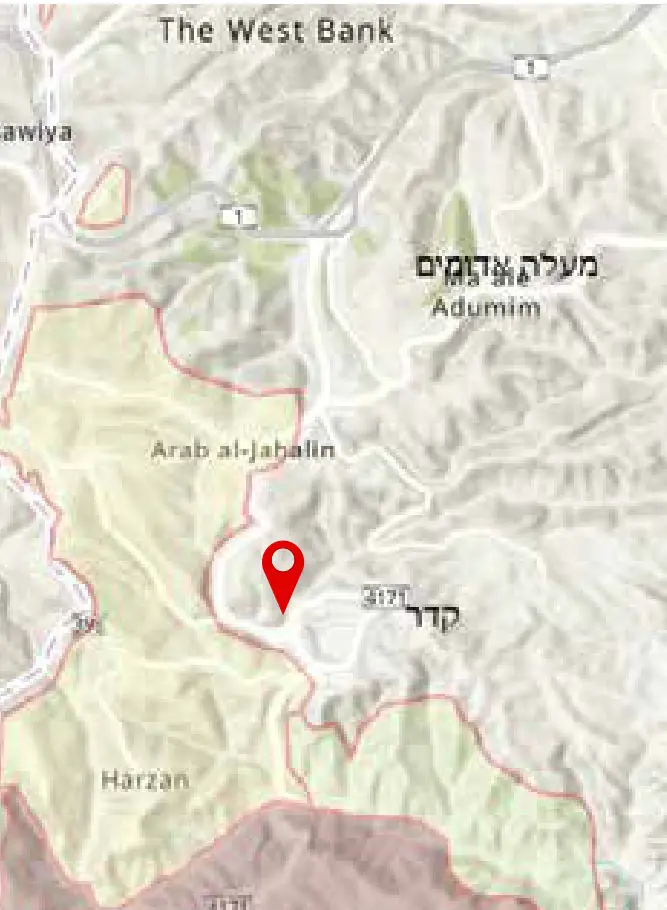
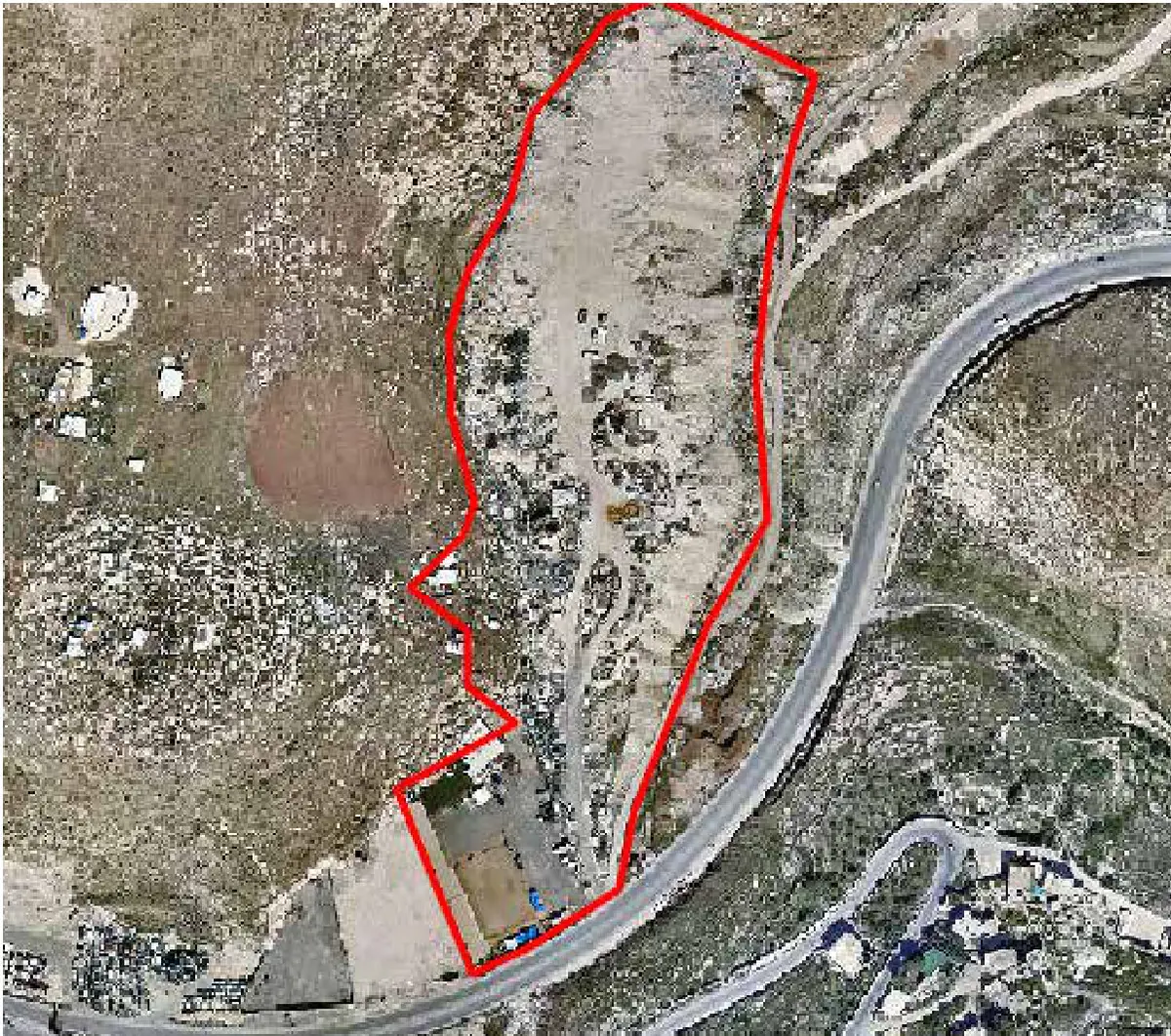
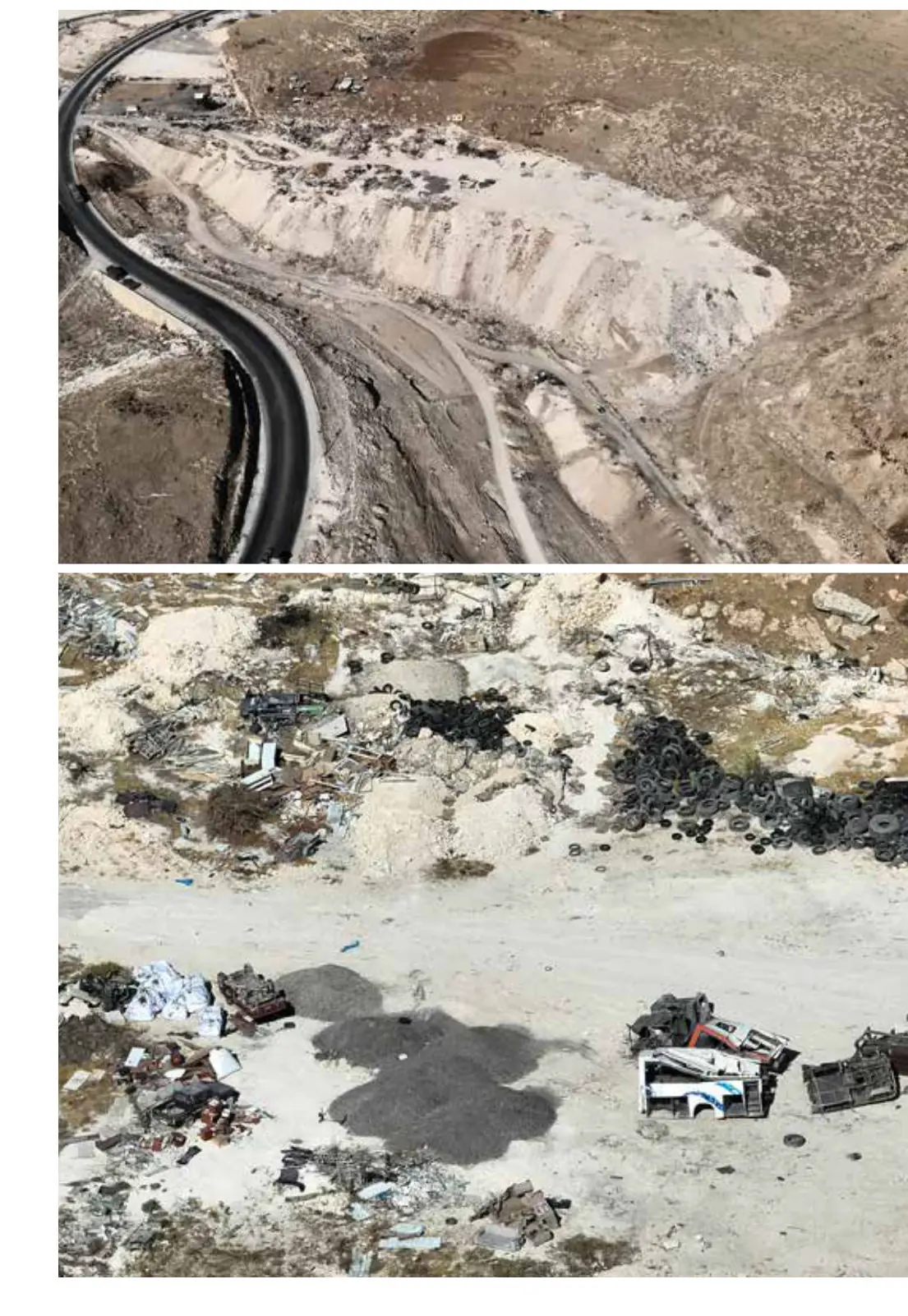
41. Arab al Jahalin (3)
- Area
- 26 dunams
- Type of Waste
- Electronic
- Proximity to sensitive sites
- village, roadway
- Status of hazard
- Ongoing
- Incineration status
- Evidence of incineration
- Area
- C
- GPS Coordinates
- 31.75316,35.2807
- General
- Electronic waste incineration site
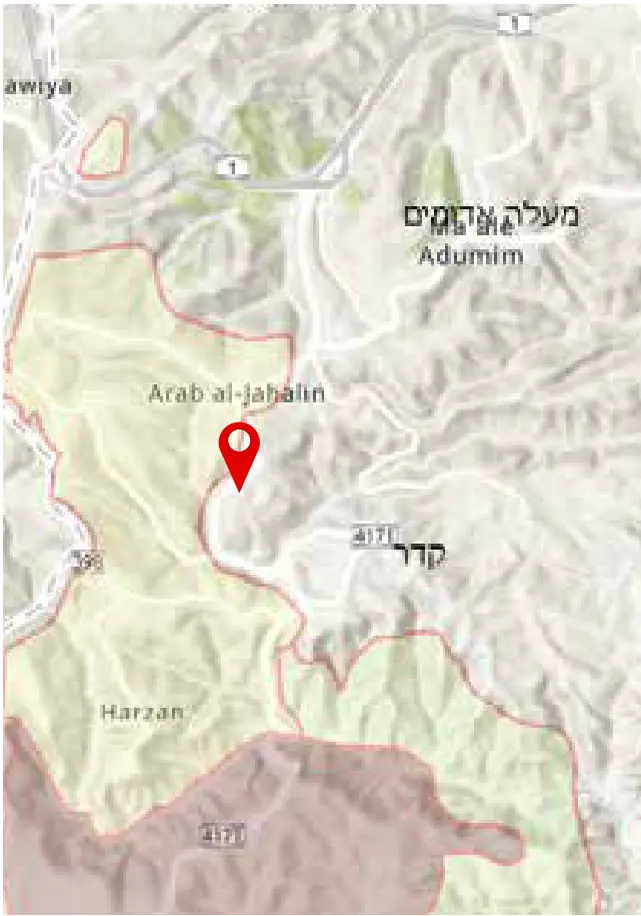
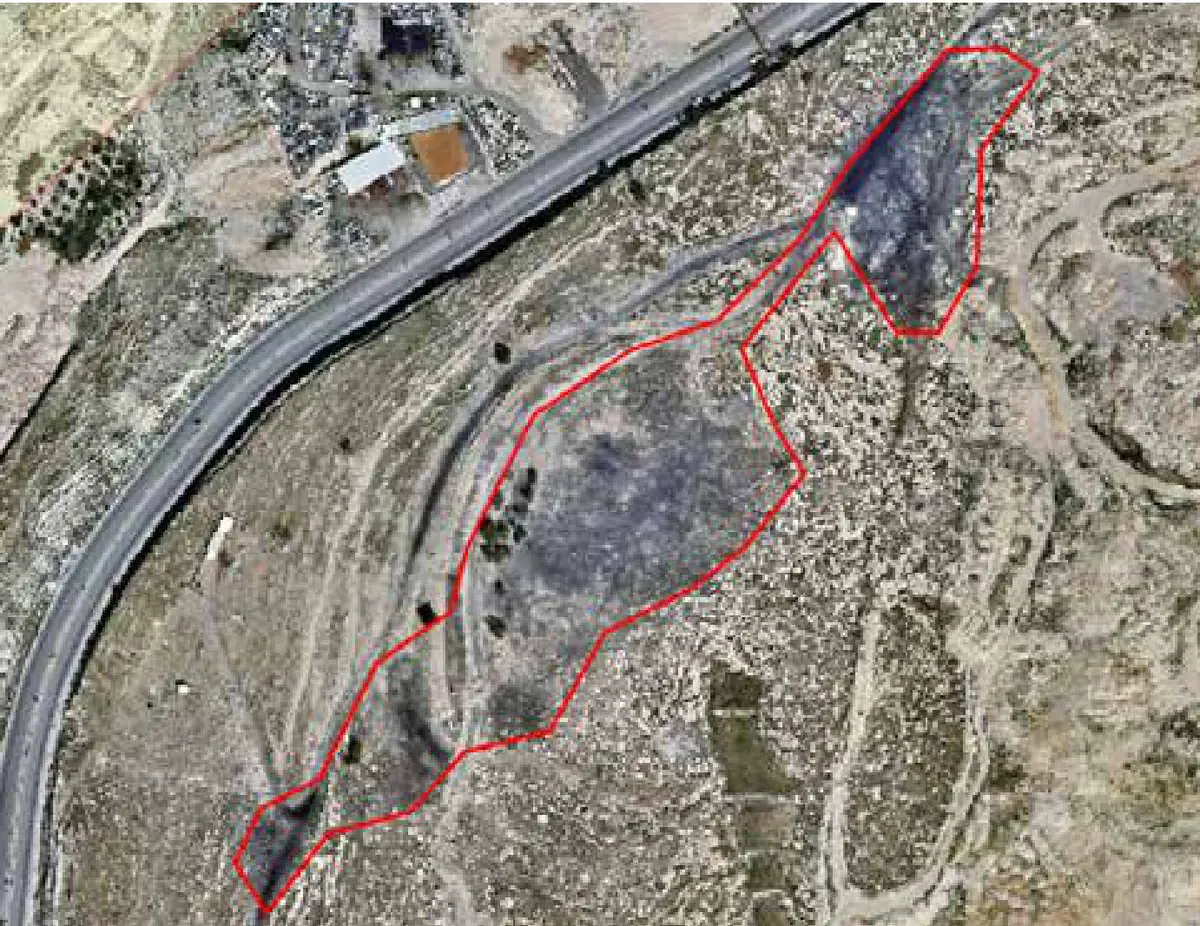
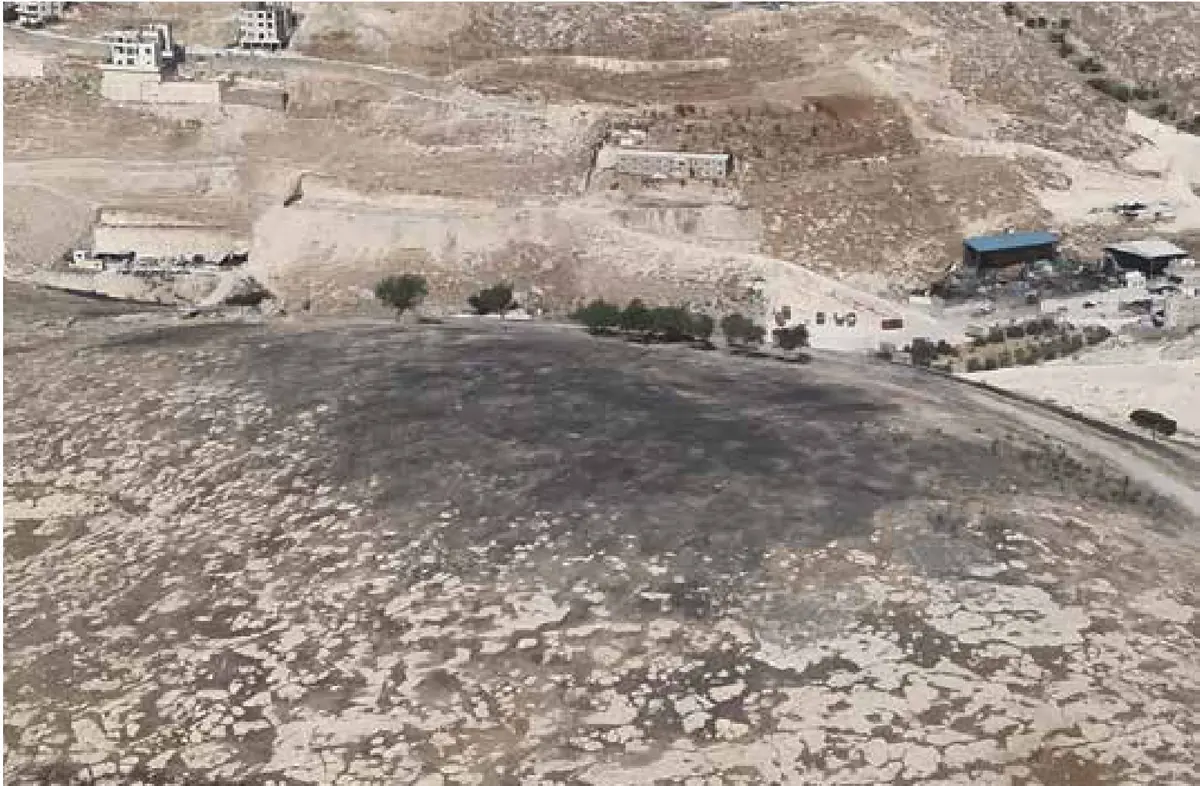
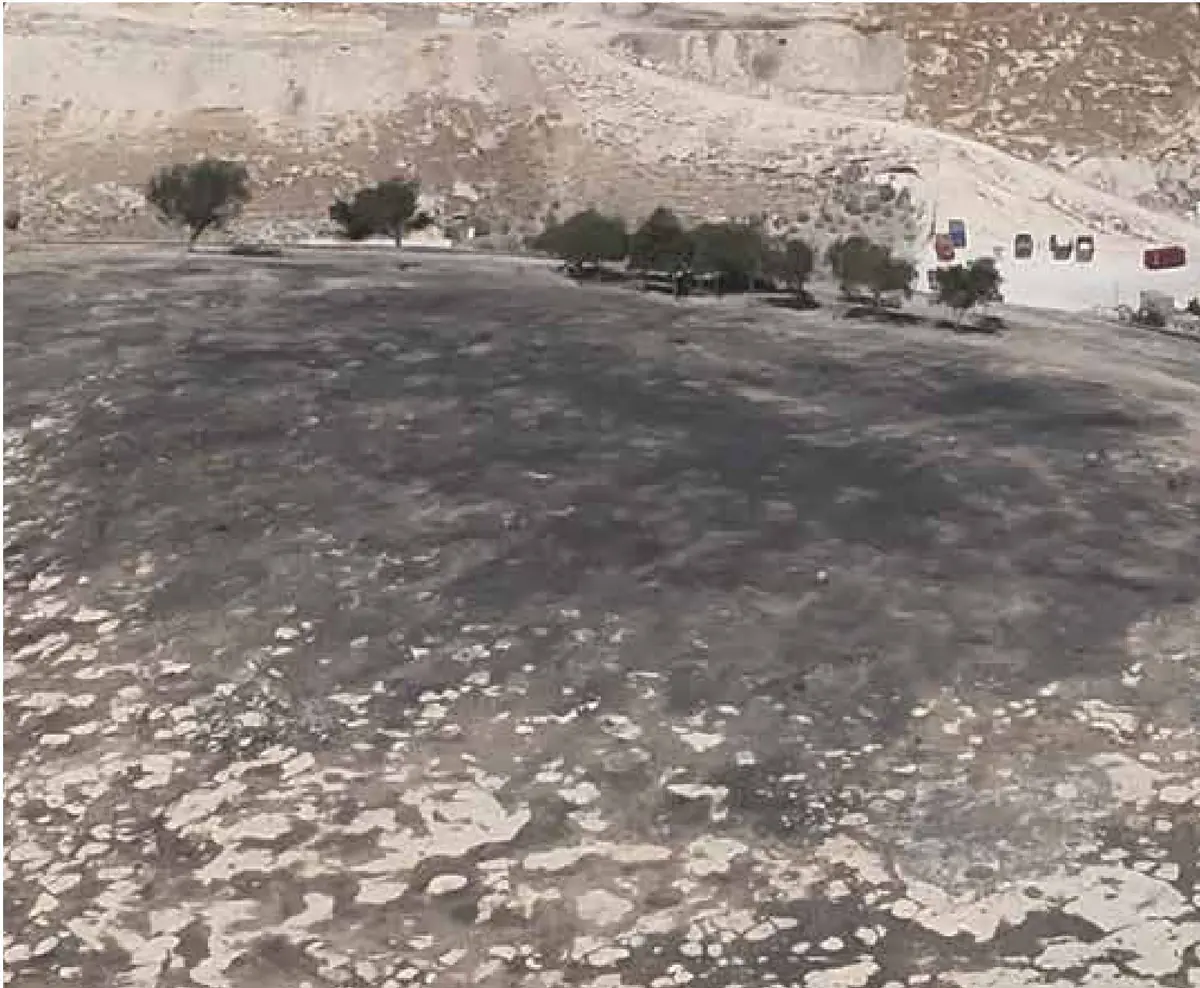
42. Al Khader
- Area
- 19.4 dunams
- Type of Waste
- Domestic, earthworks surplus
- Proximity to sensitive sites
- village, Route 60, separation barrier
- Status of hazard
- Ongoing
- Incineration status
- None
- Area
- C
- GPS Coordinates
- 31.69584,35.15556
- General
- Source of the waste is apparently Jerusalem
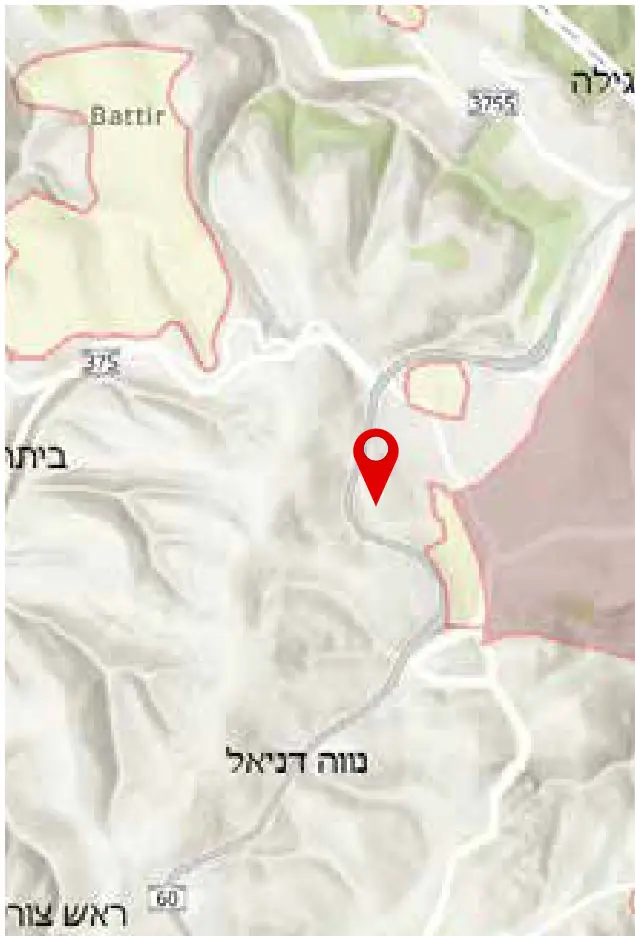
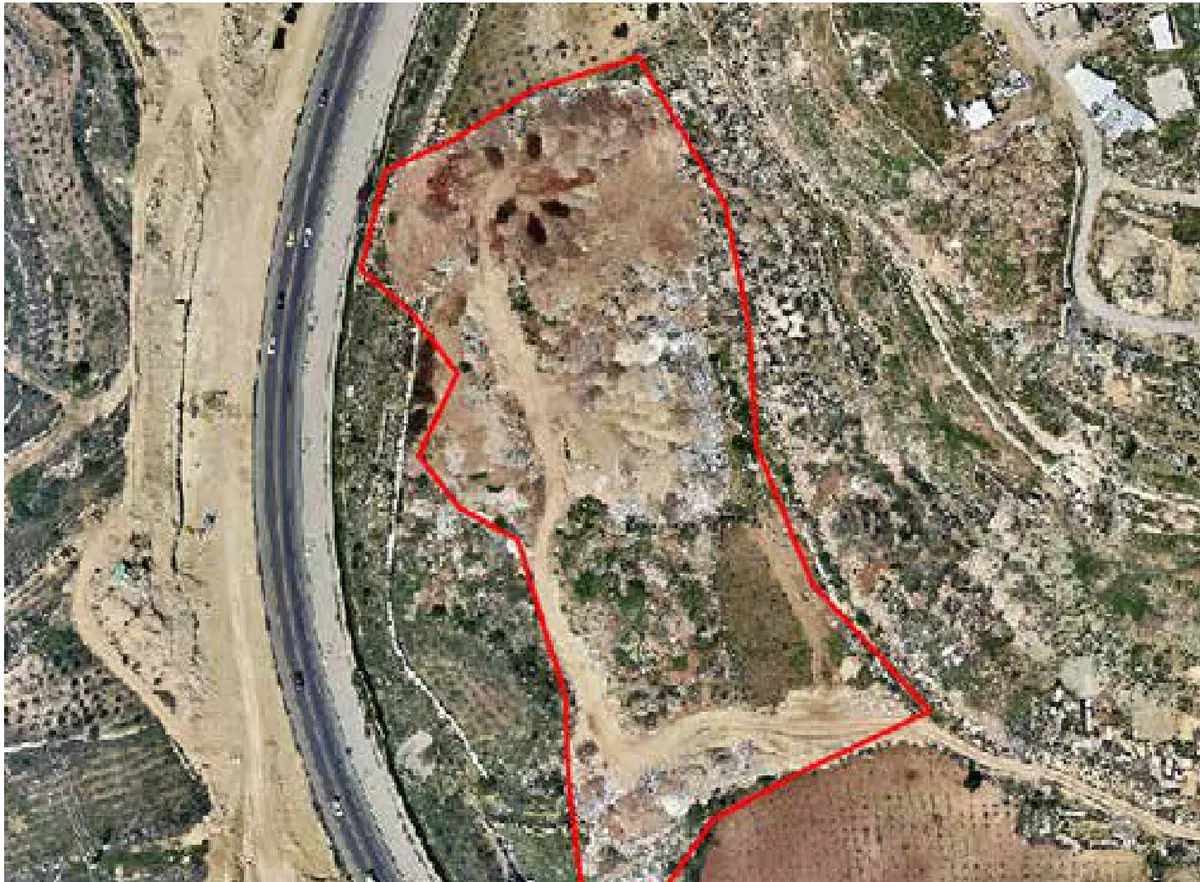
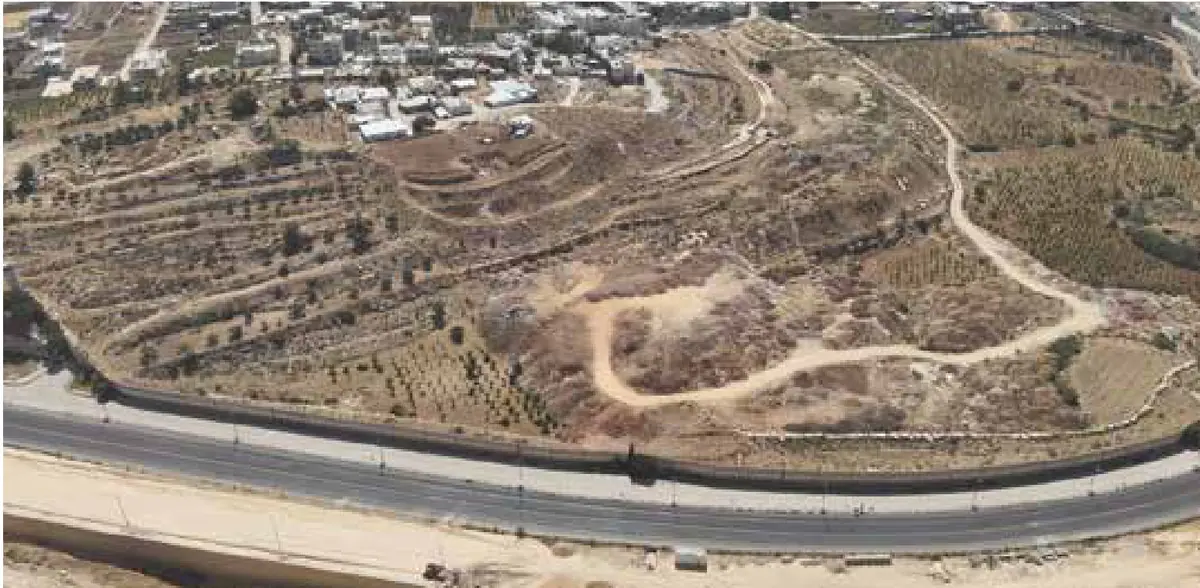
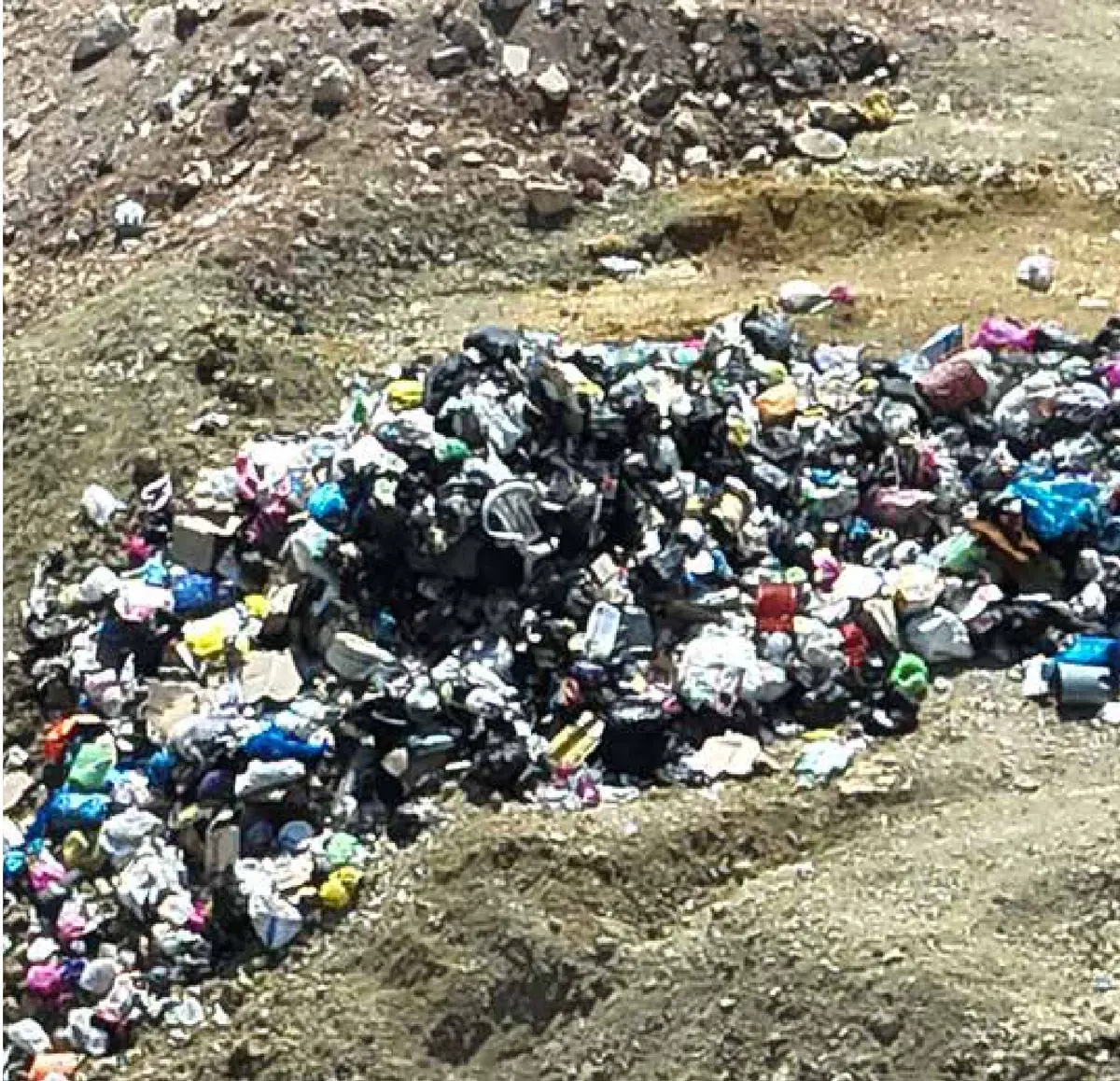
43. Nahalin
- Area
- 3.5 dunams
- Type of Waste
- Domestic, automotive, earthworks surplus, construction, sanitation
- Proximity to sensitive sites
- stream, village, Israeli community
- Status of hazard
- Inactive
- Incineration status
- None
- Area
- C
- GPS Coordinates
- 31.68698,35.13343
- General
- Local dump. In the aftermath of October 7th access to the site was blocked by the IDF. Since then, waste (mostly sanitation waste) has been dumped downstream, near the village
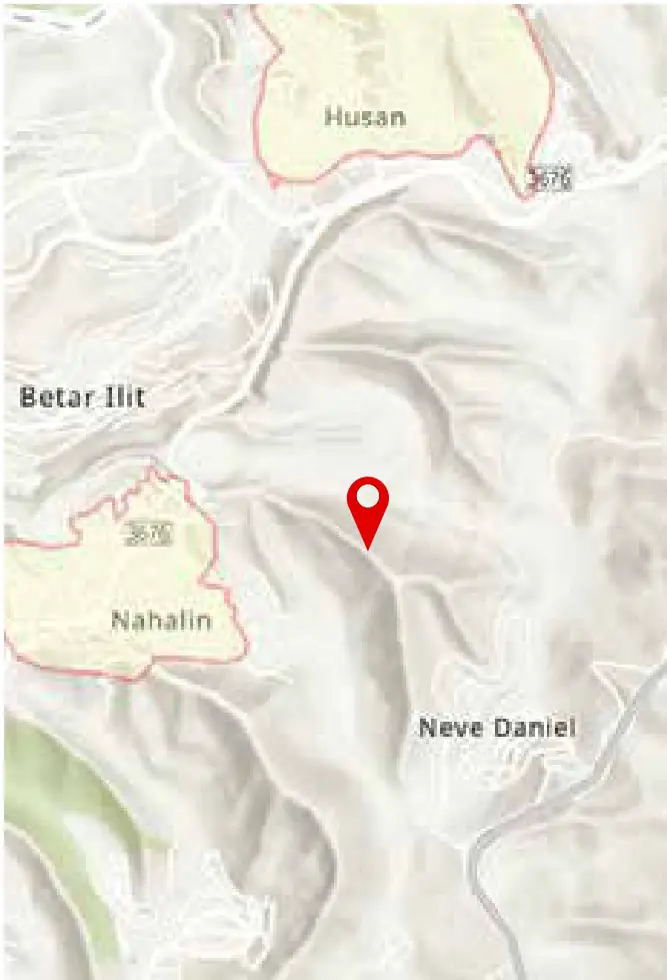
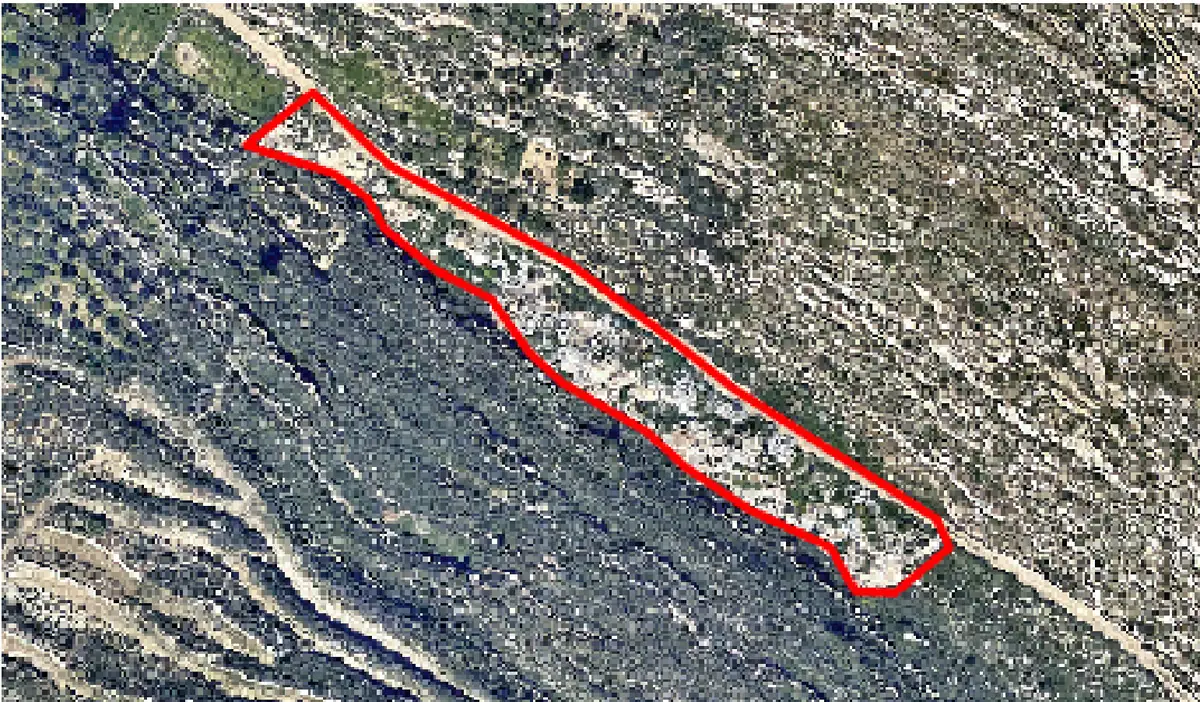
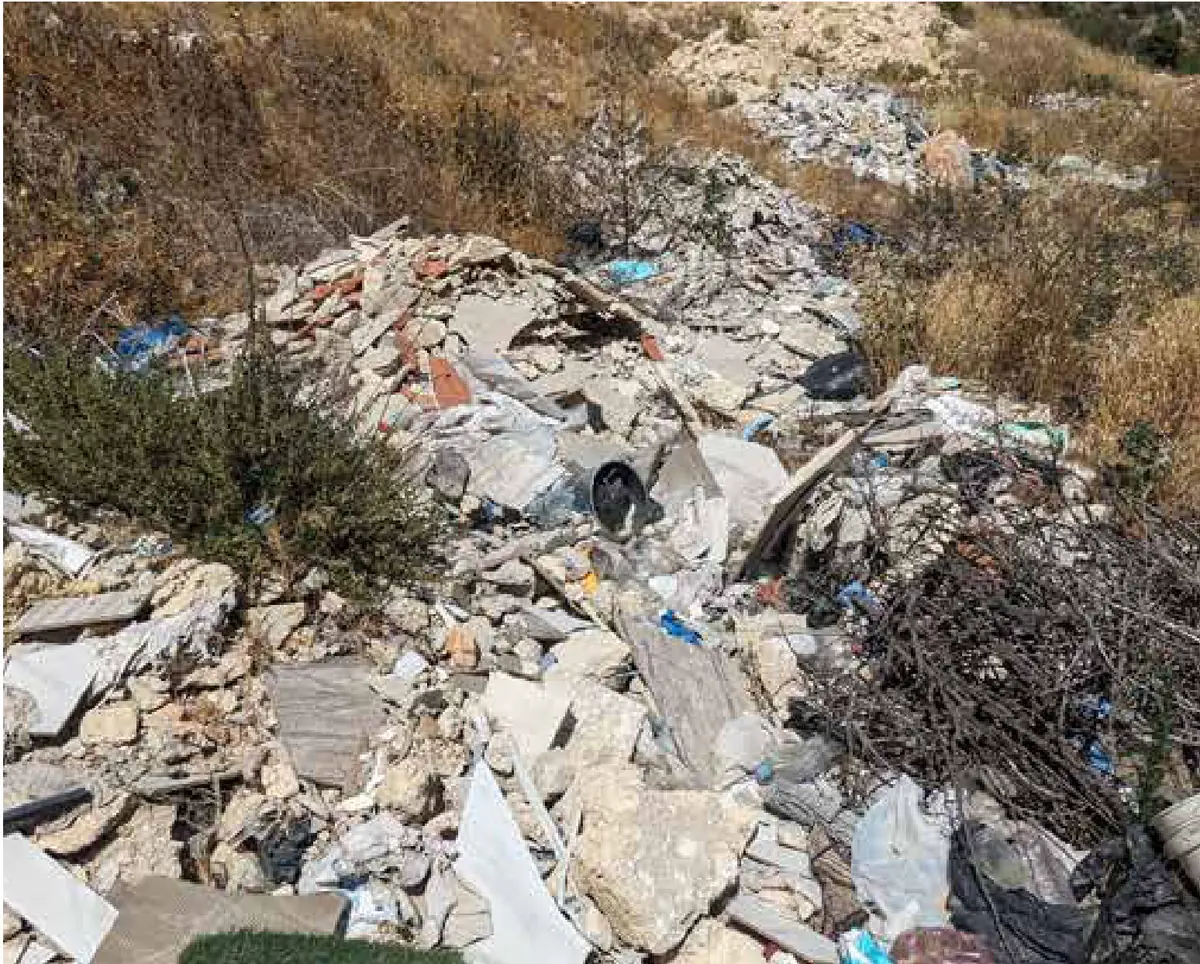
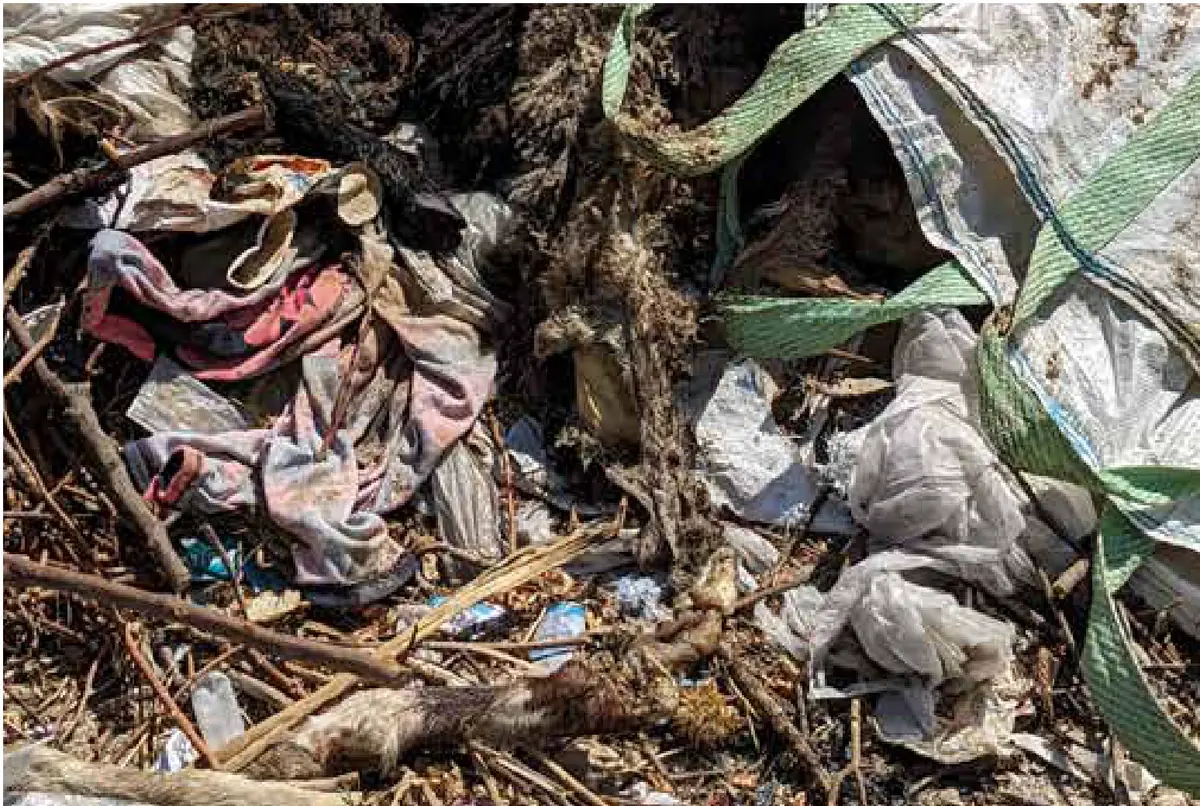
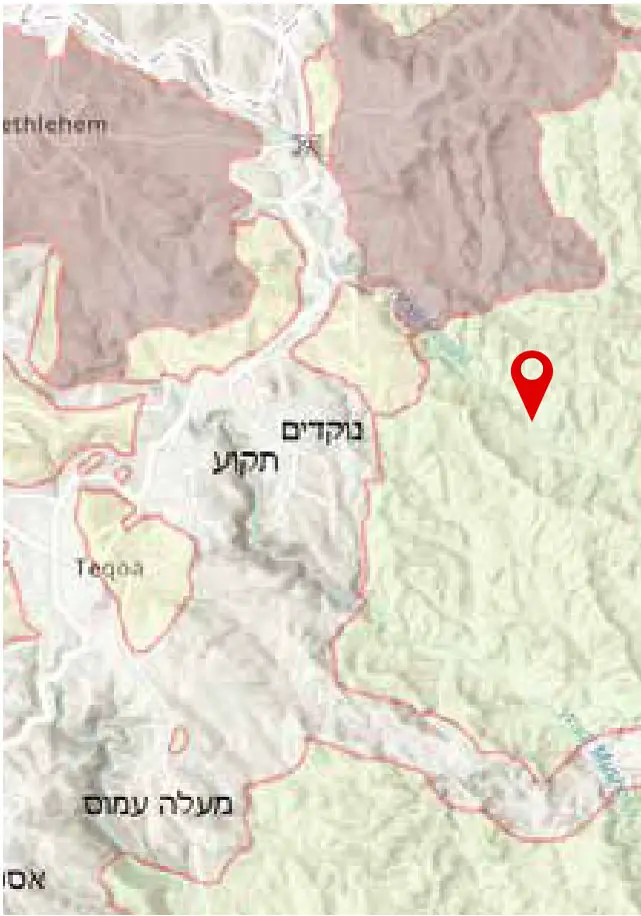
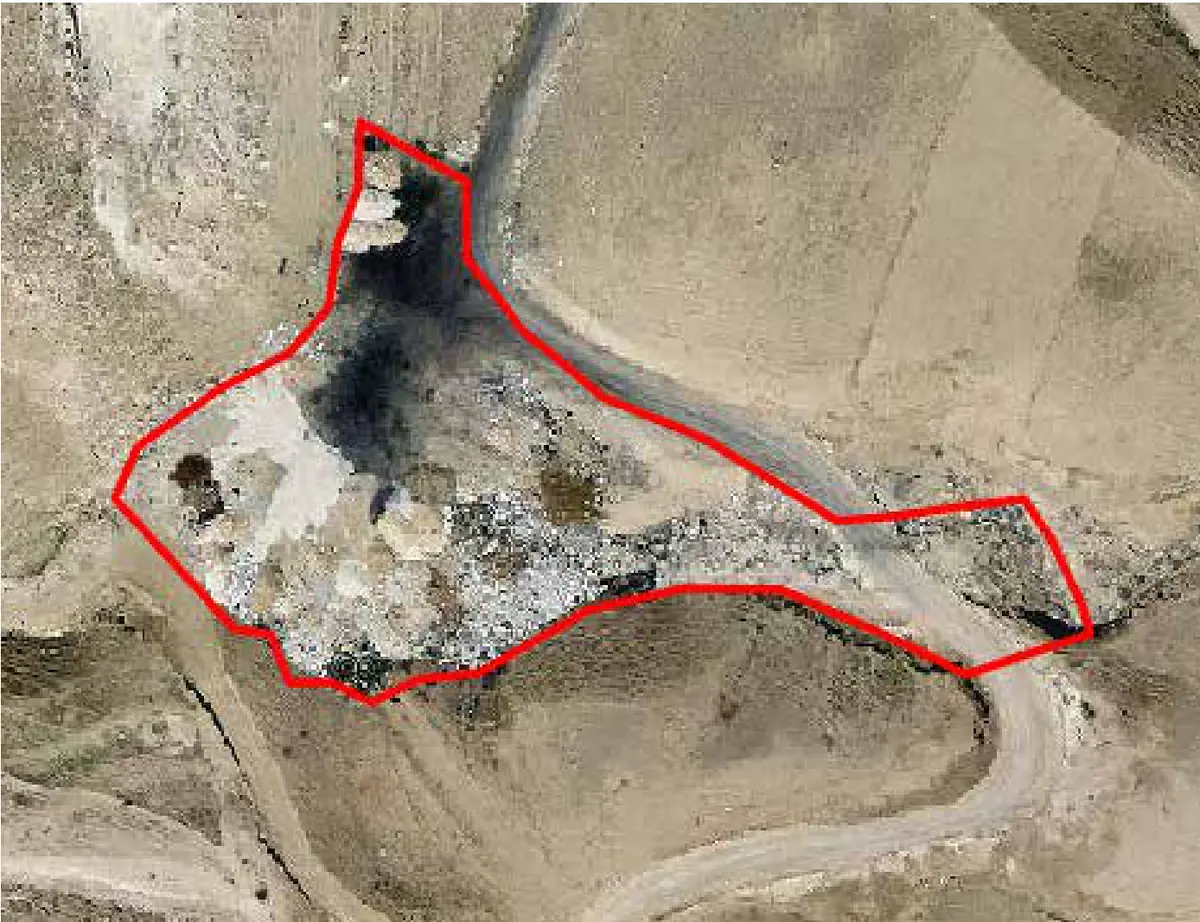
44. Wye-designated nature reserve (1)
- Area
- 5.7 dunams
- Type of Waste
- Domestic, automotive, electronic
- Proximity to sensitive sites
- stream
- Status of hazard
- Ongoing
- Incineration status
- Evidence of incineration
- Area
- B (Nature Reserve)
- GPS Coordinates
- 31.6579,35.2884
- General
- Illegal dump, electronic waste incineration site
| 45 n | . Wye ature | -de res |
|---|---|---|
| Area: 14 d Type of W automotiv Proximity stream Status of Incinerati Area:B (N GPS Coord General: Il | unams aste: Domestic, e to sensitive site hazard: Ongoing on status: None ature Reserve) inates: 31.66607, legal landfill | s: 35.28019 |
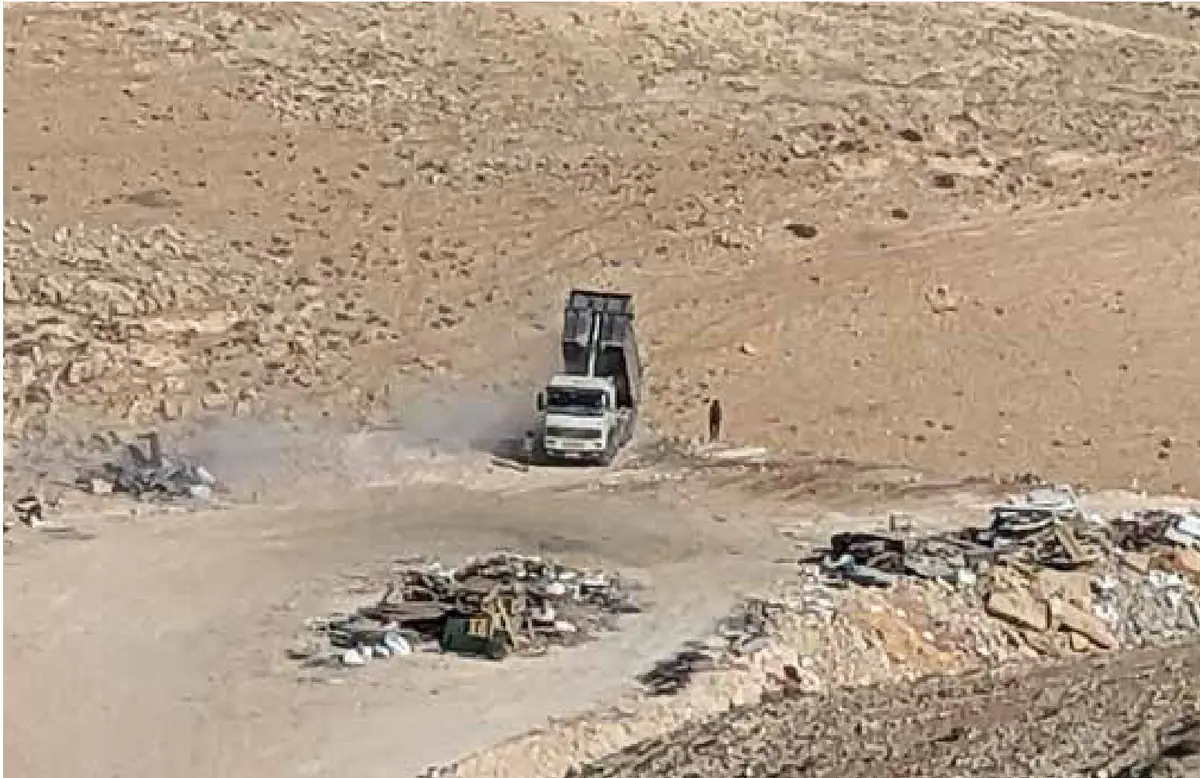
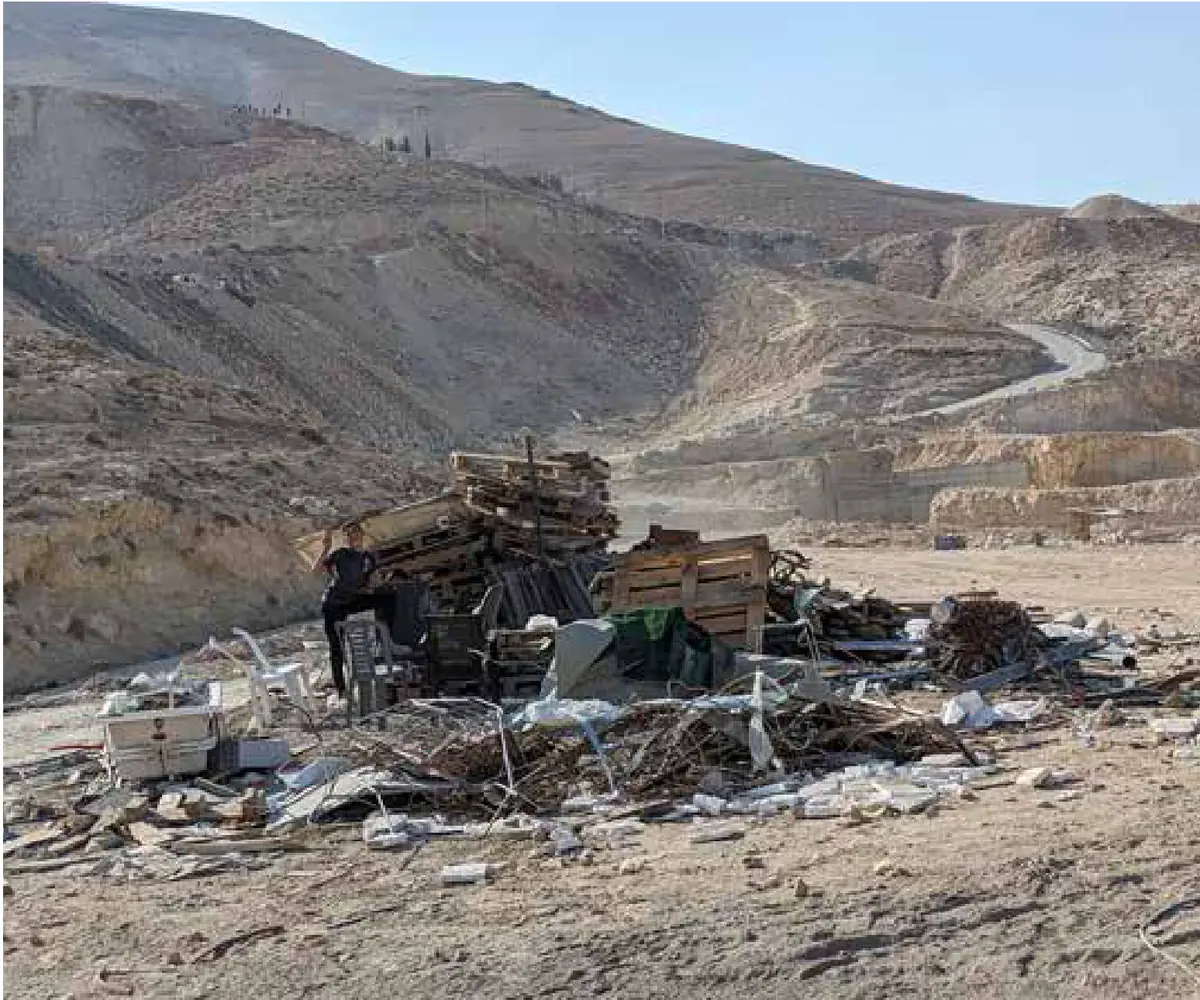
46. Wye-designated nature reserve (3)
- Area
- 21.8 dunams
- Type of Waste
- Domestic, automotive, earthworks surplus
- Proximity to sensitive sites
- stream, village
- Status of hazard
- Ongoing
- Incineration status
- None
- Area
- B (Nature Reserve)
- GPS Coordinates
- 31.66503,35.2717
- General
- Illegal landfill
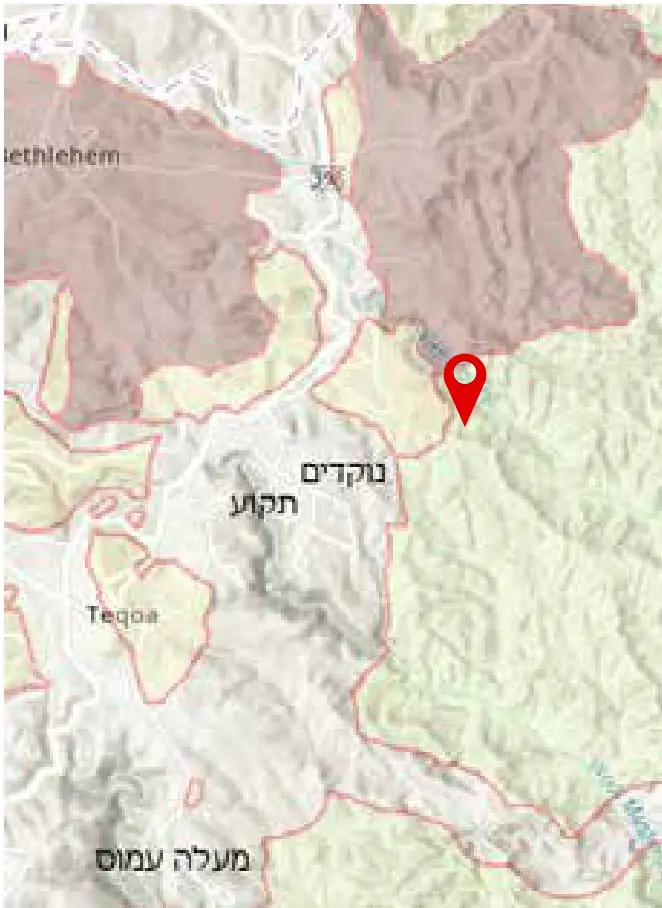
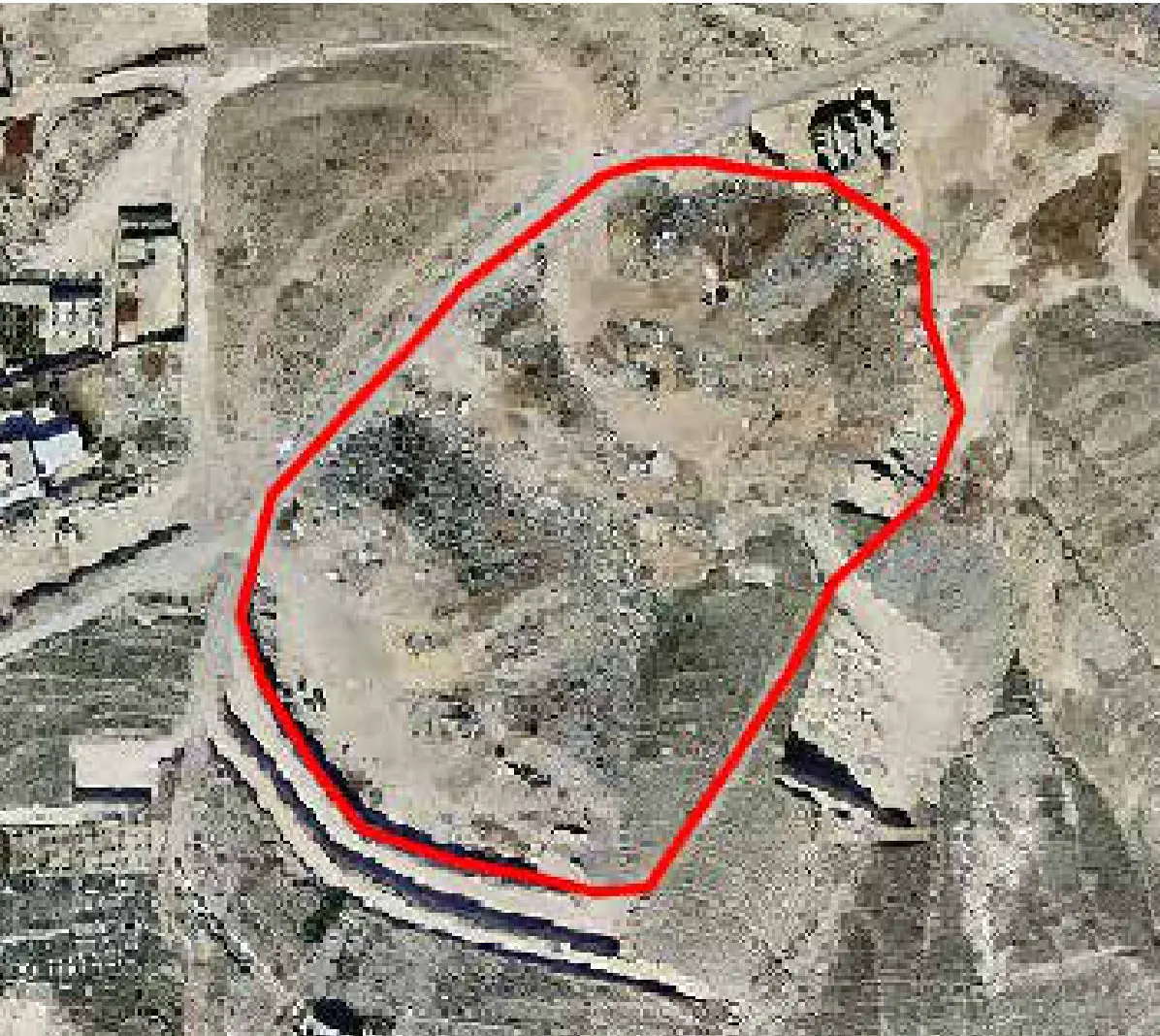
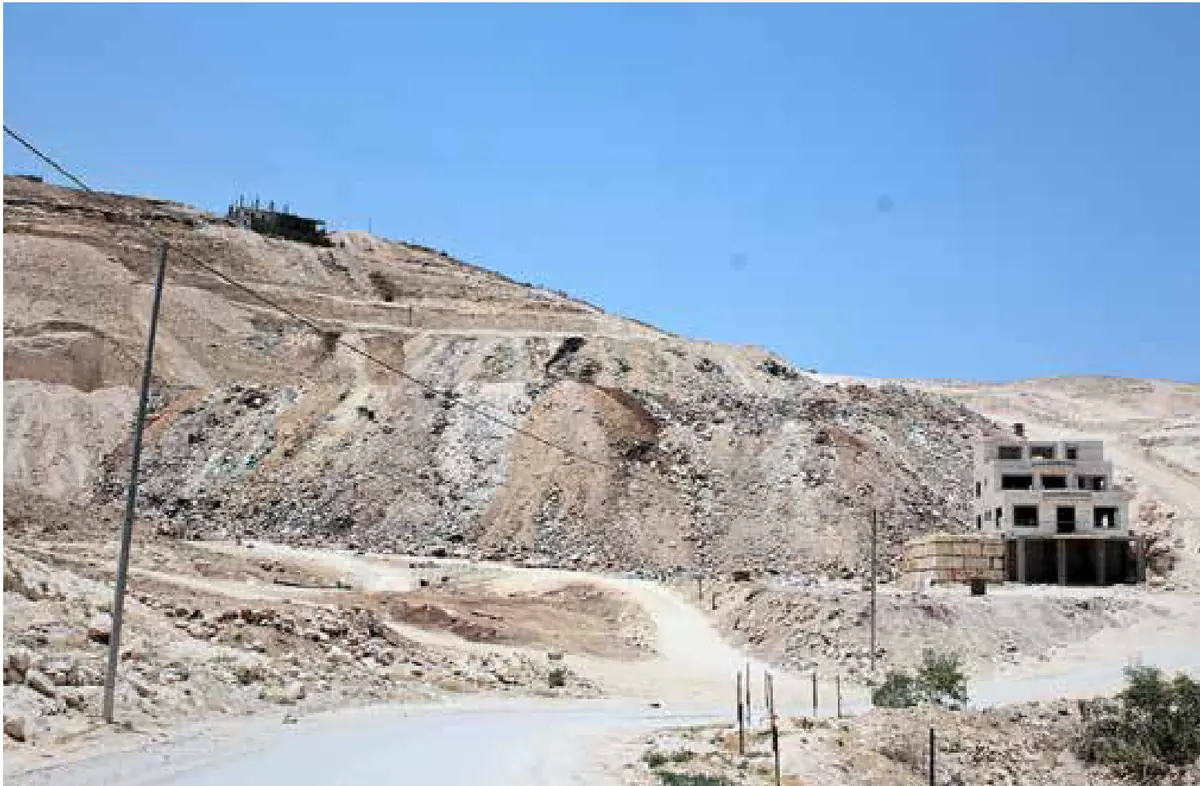
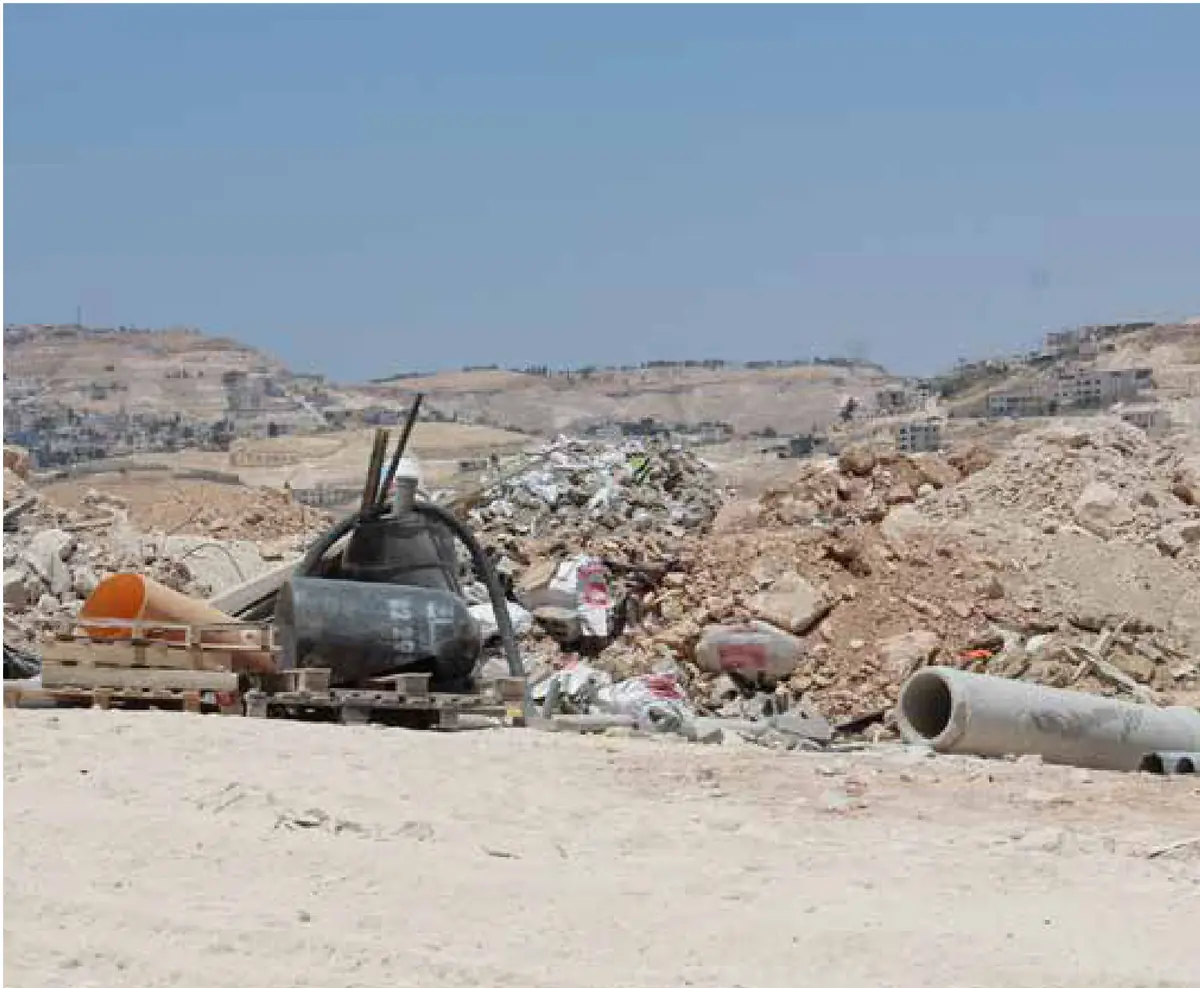
47. Wadi Muhamad
- Area
- 8.4 dunams
- Type of Waste
- Domestic
- Proximity to sensitive sites
- -
- Status of hazard
- Ongoing
- Incineration status
- Evidence of incineration
- Area
- C
- GPS Coordinates
- 31.63478,35.1972
- General
- Illegal landfill
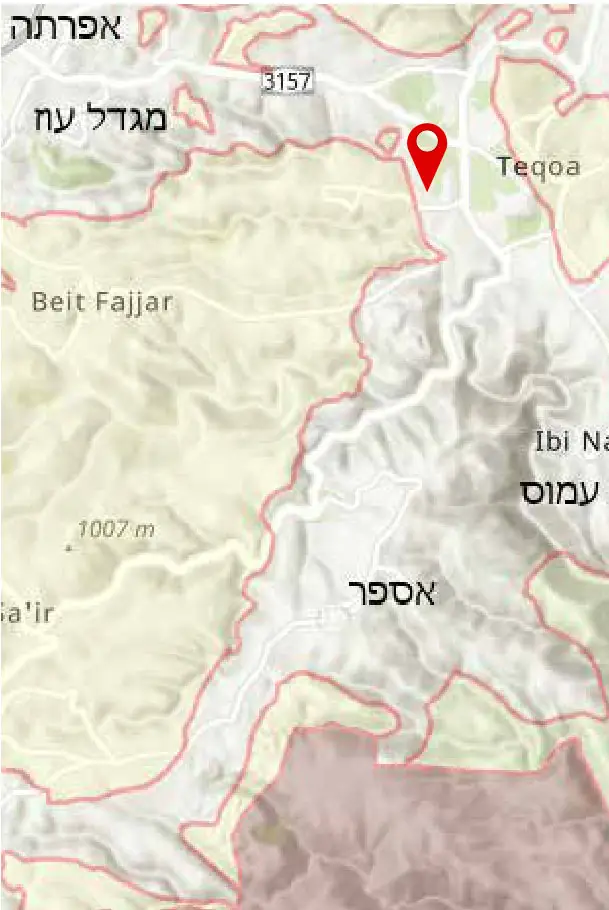
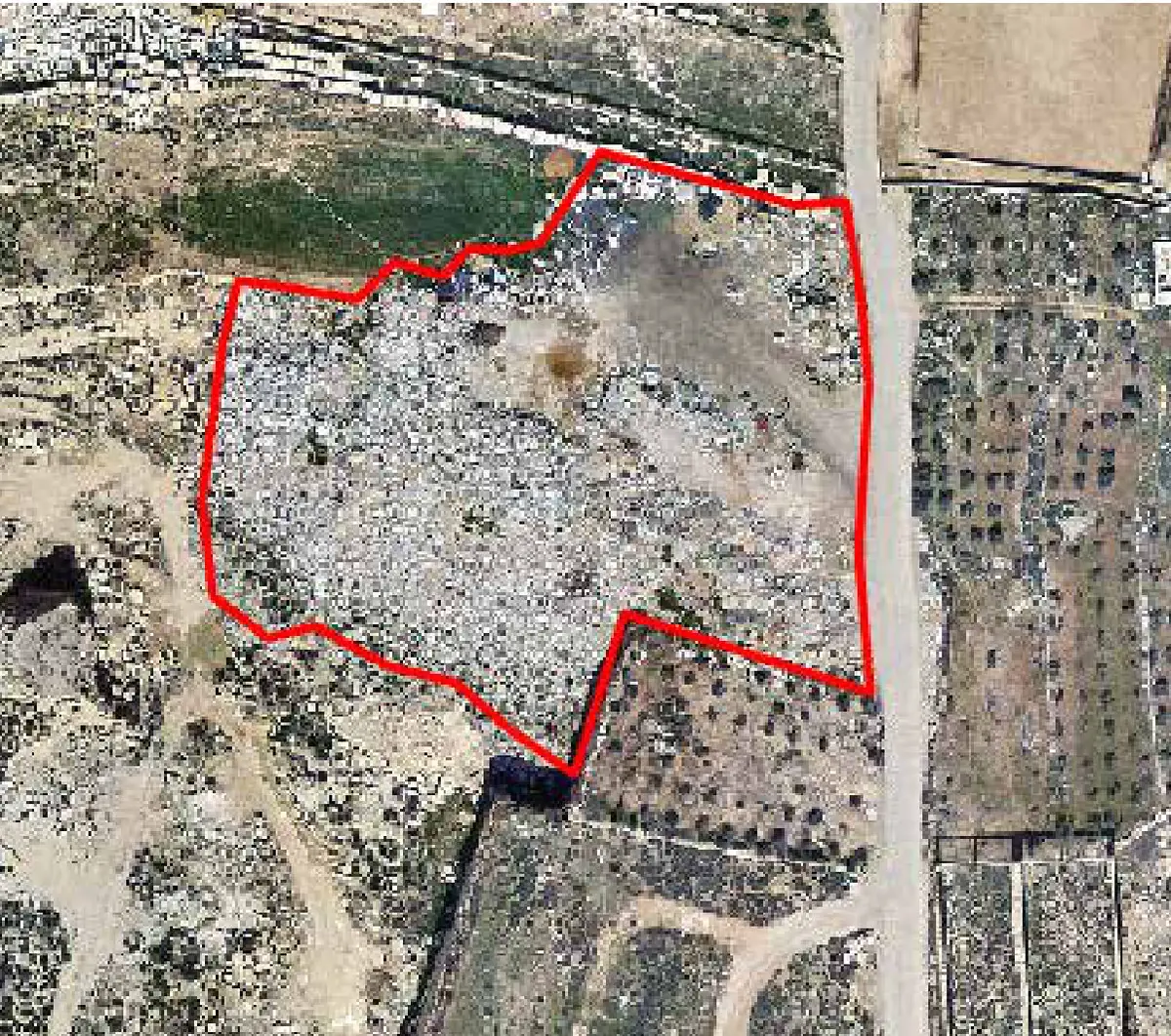
Credit: Ariel Arad - Regavim
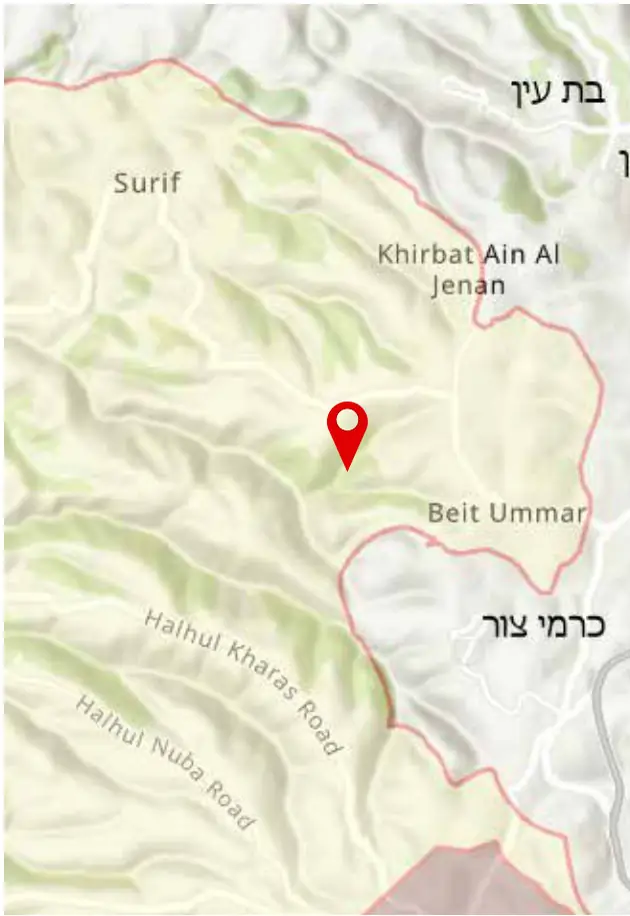
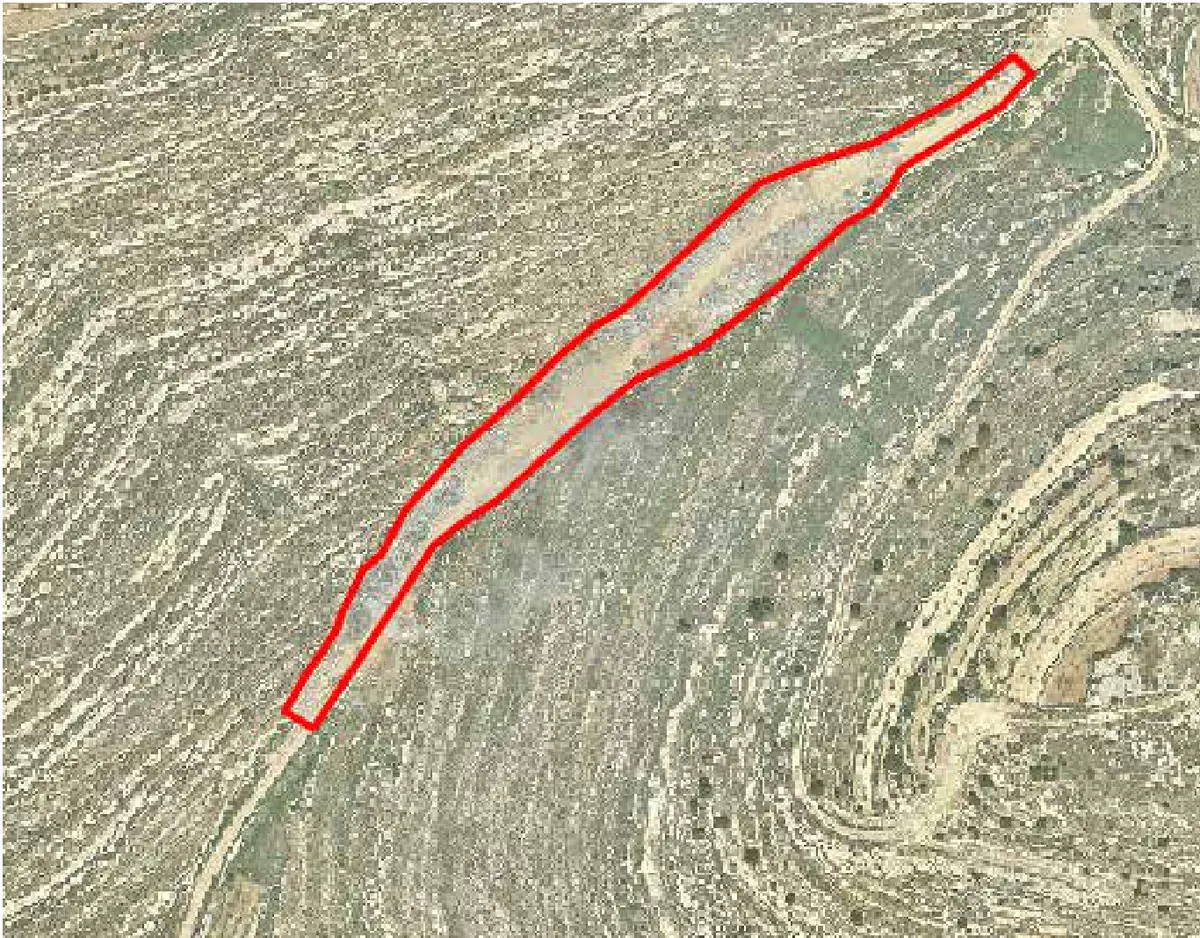
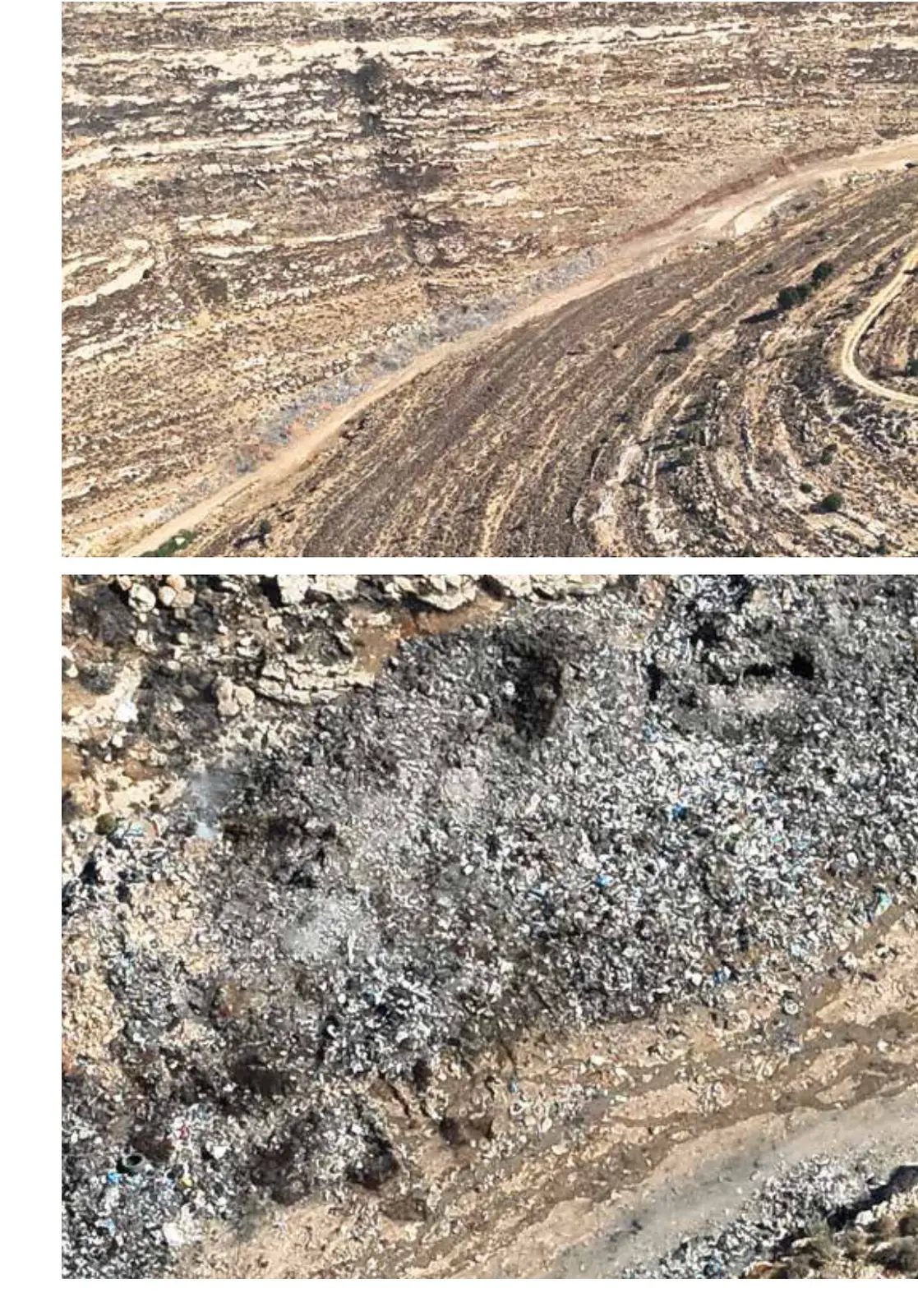
48. Beit Umar (1)
- Area
- 7.5 dunams
- Type of Waste
- Domestic, automotive, earthworks surplus
- Proximity to sensitive sites
- stream, village
- Status of hazard
- Ongoing
- Incineration status
- Alight at the time of survey
- Area
- B
- GPS Coordinates
- 31.62441,35.08735
- General
- Local dump
49. Beit Umar (2)
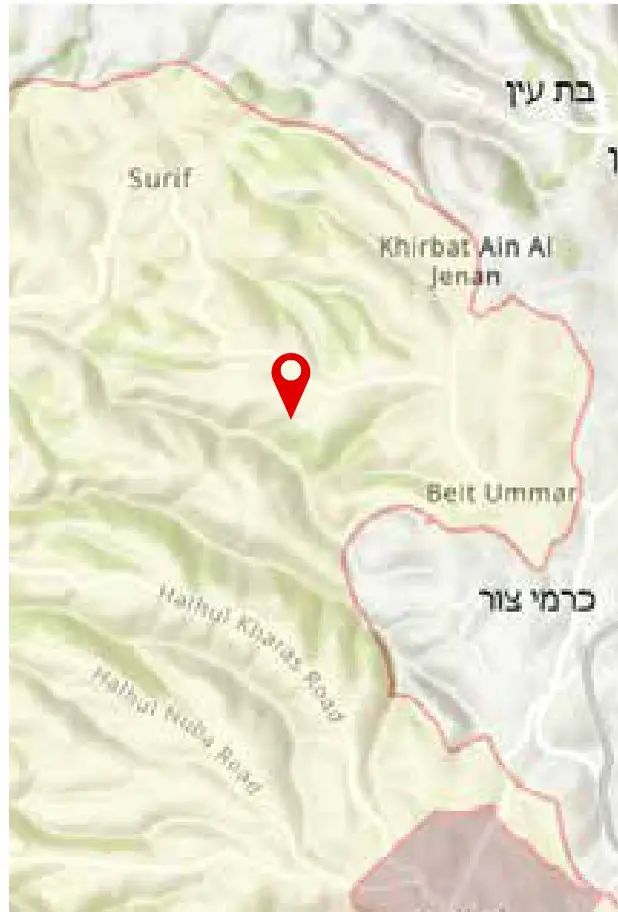
- Area
- 28 dunams
- Type of Waste
- Domestic, tires, earthworks surplus
- Proximity to sensitive sites
- stream, village
- Status of hazard
- Ongoing
- Incineration status
- Evidence of incineration
- Area
- B
- GPS Coordinates
- 31.62751,35.07657
- General
- Local landfill
- Area
- B
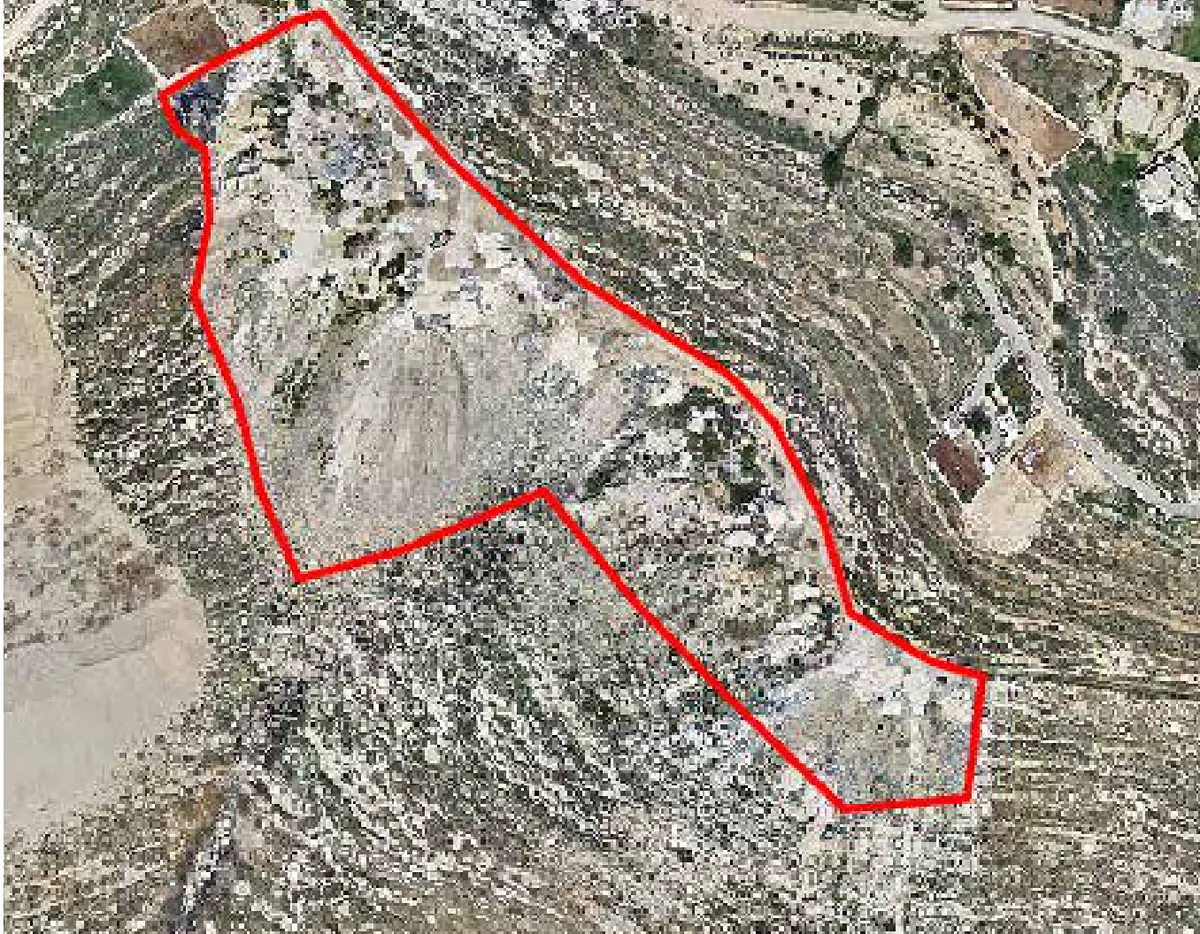
| 5 | 0. B | ei | t F | |
|---|---|---|---|---|
| a: 64 dunam e of Waste motive, ear imity to s us of haza neration st eration a: B Coordinat eral: Large k was docu ents at the | s : Domestic, thworks surplu ensitive sites rd: Ongoing atus: Evidence es: 31.61731,35. landfill. A garb mented dumpin site | s : stream of 17858 age g its | ||
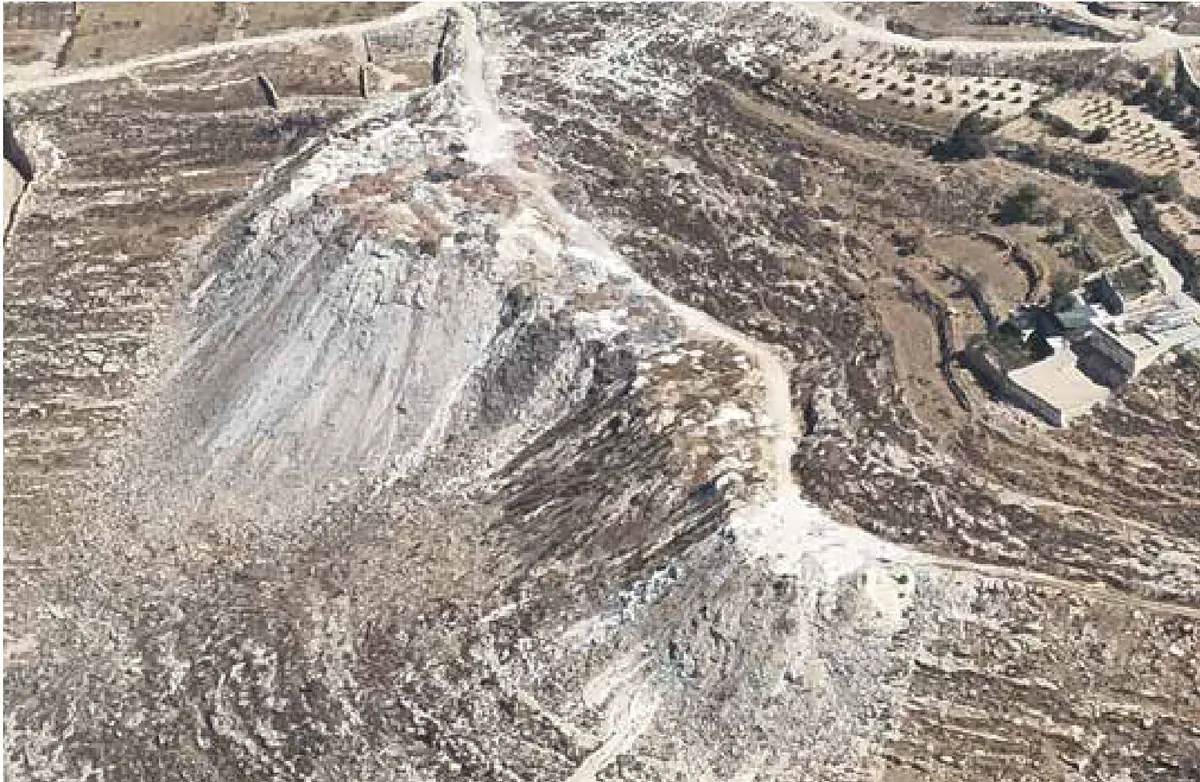
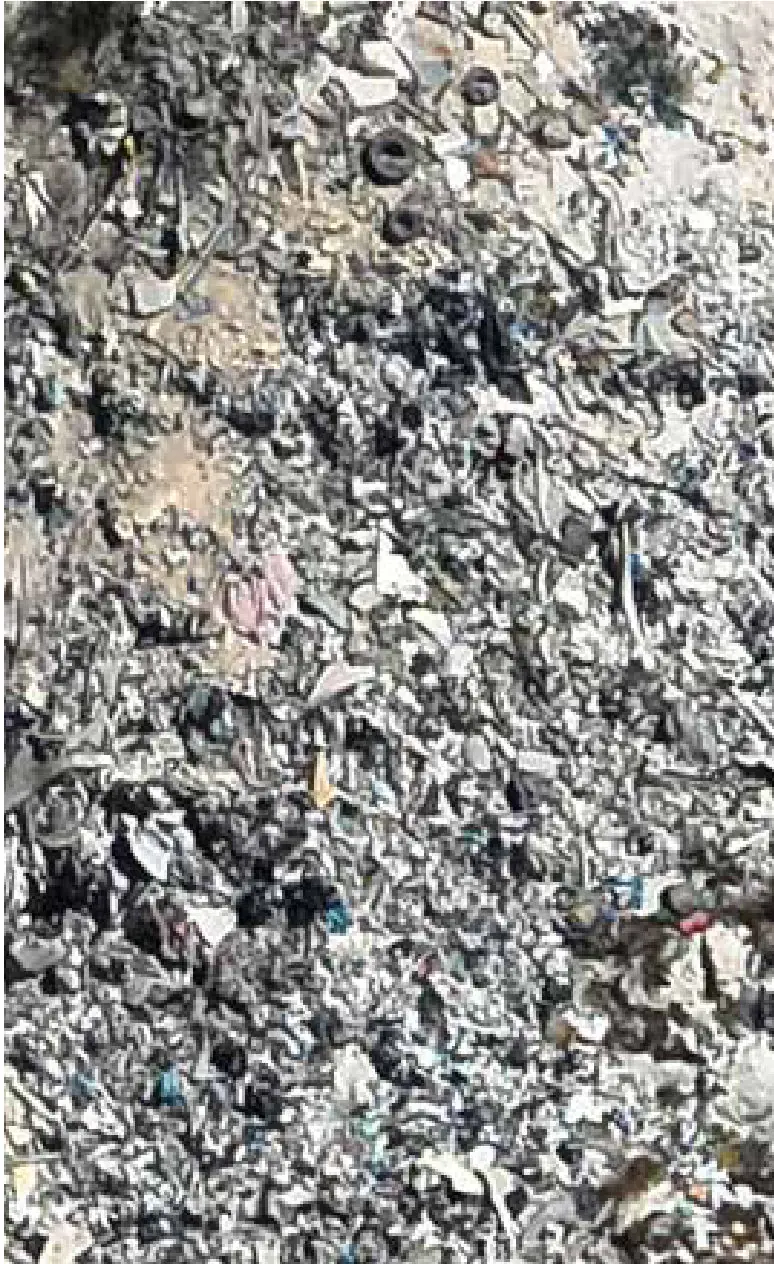
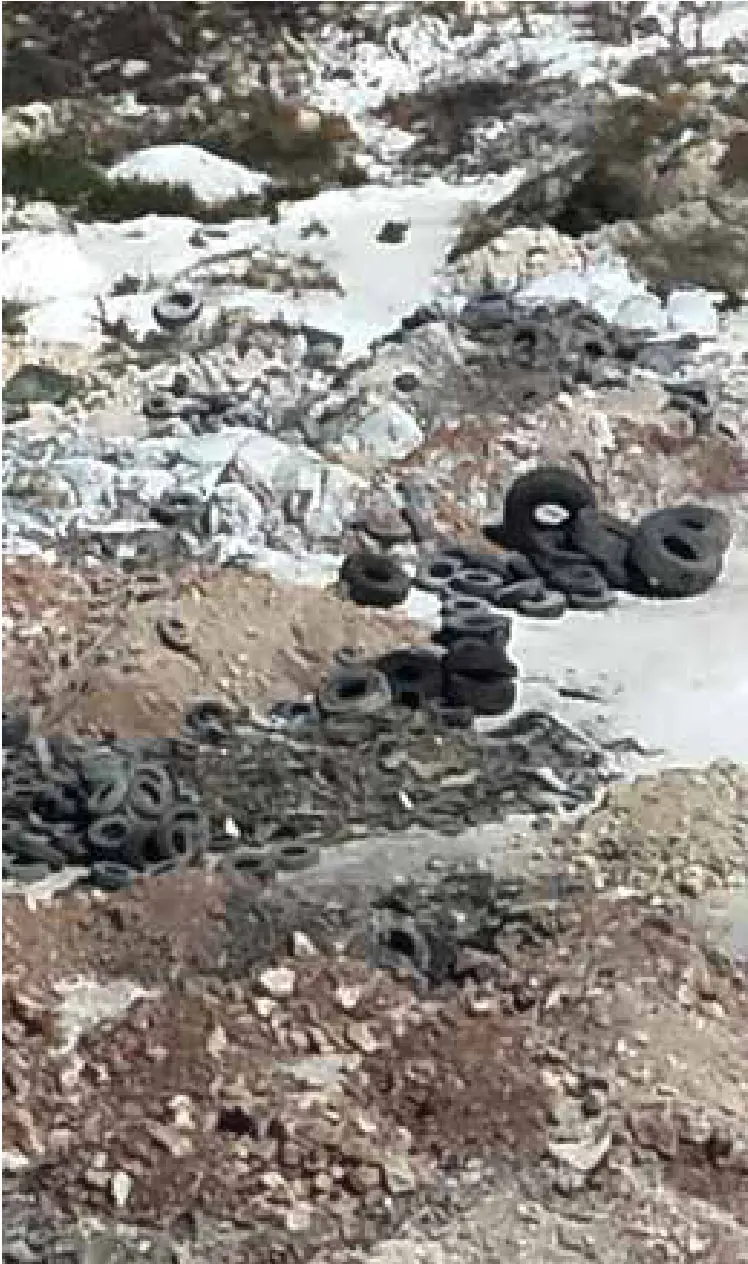
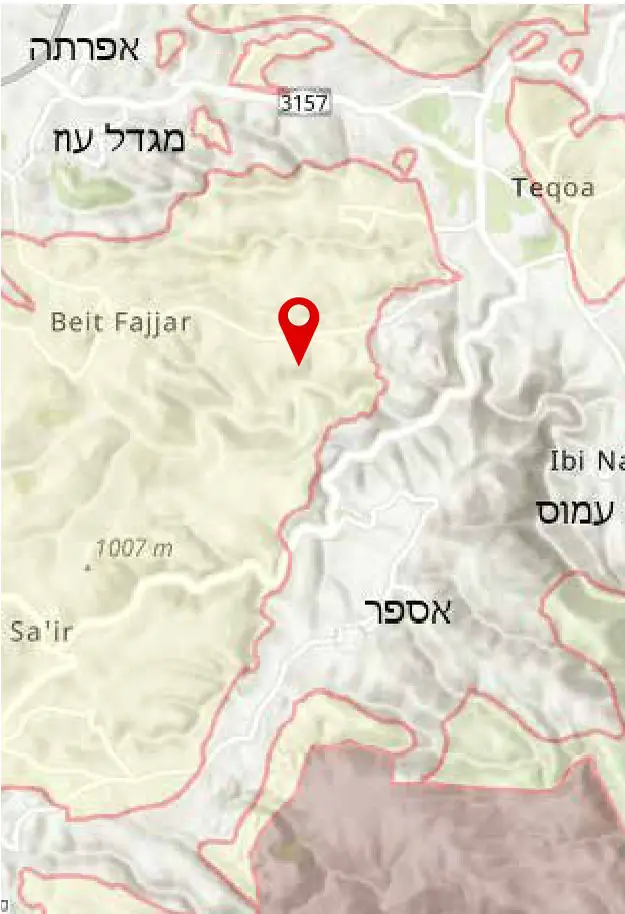
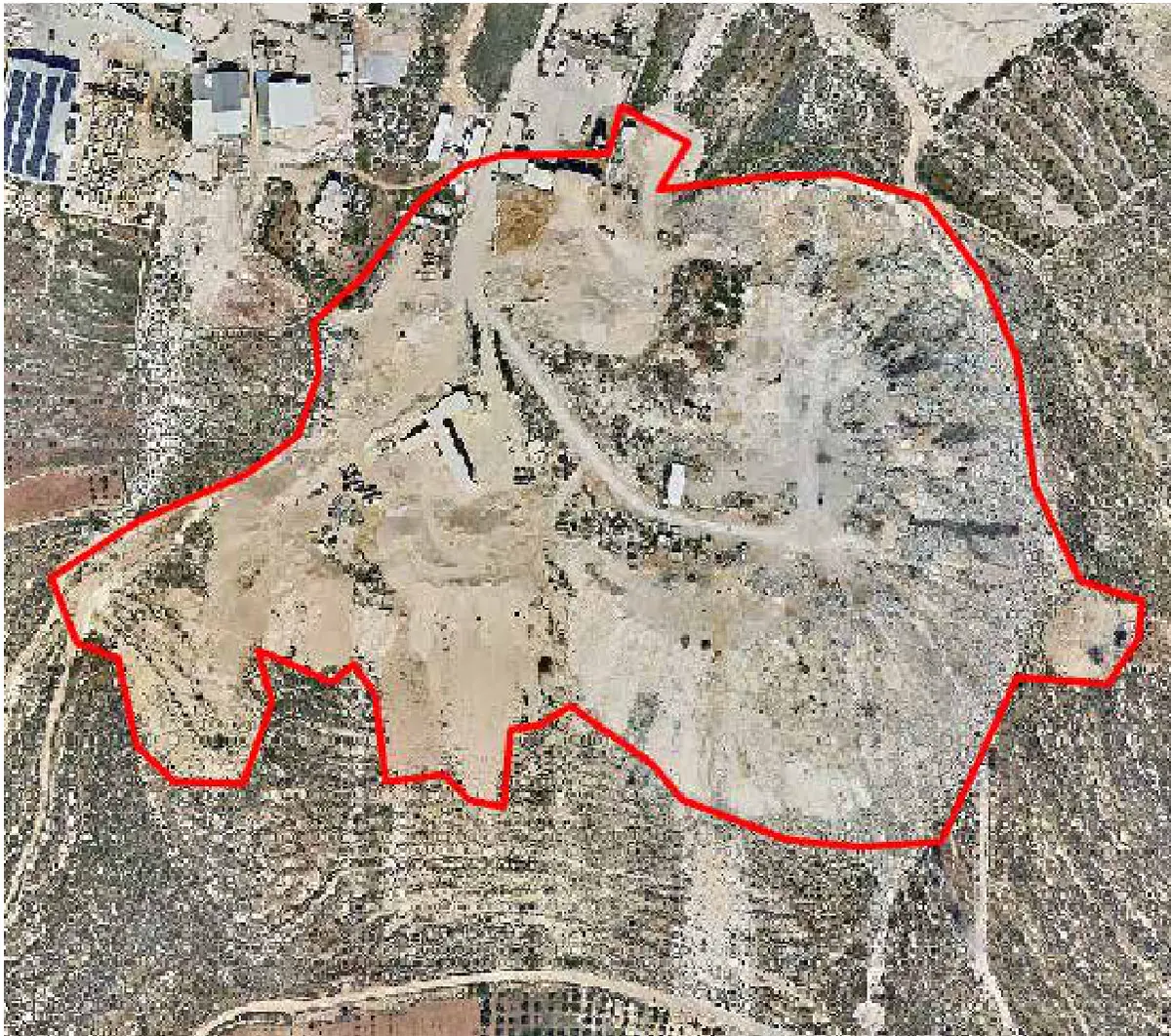
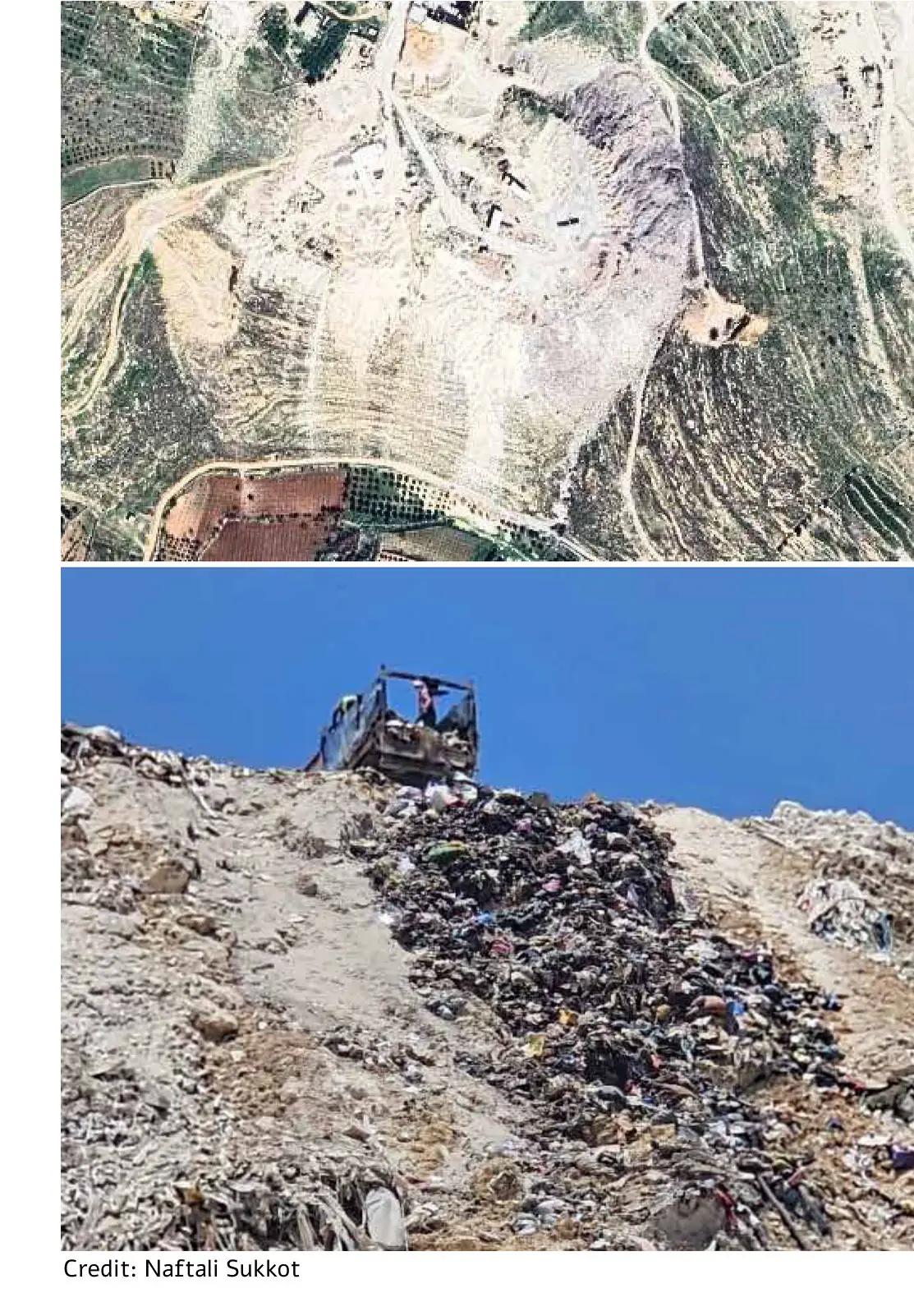
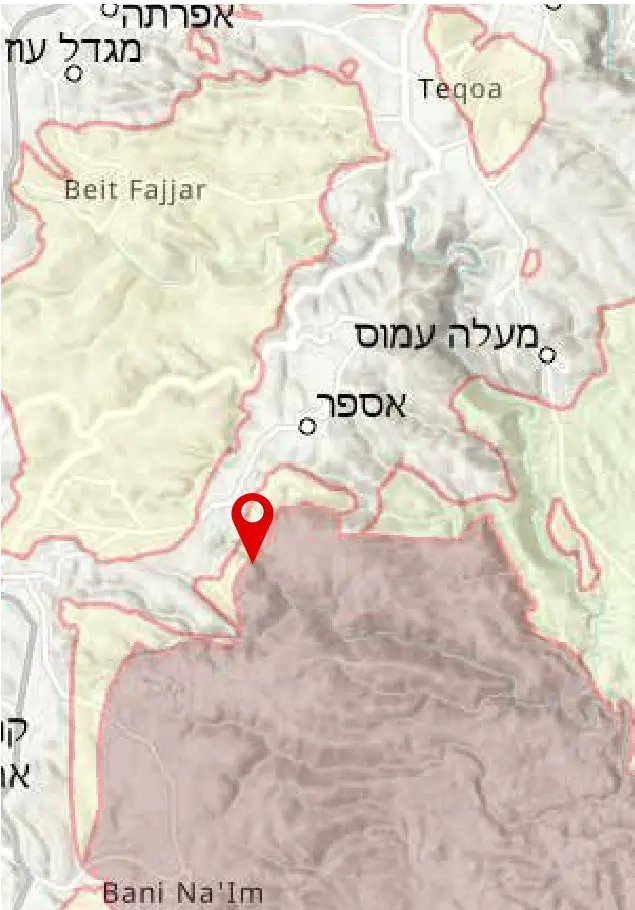
51. Shuyukh
- Area
- 43.2 dunams
- Type of Waste
- Domestic
- Proximity to sensitive sites
- stream
- Status of hazard
- Ongoing
- Incineration status
- None
- Area
- A,B
- GPS Coordinates
- 31.56525,35.17395
- General
- Large landfill. A garbage truck and a sewage tanker were documented dumping their loads at the site
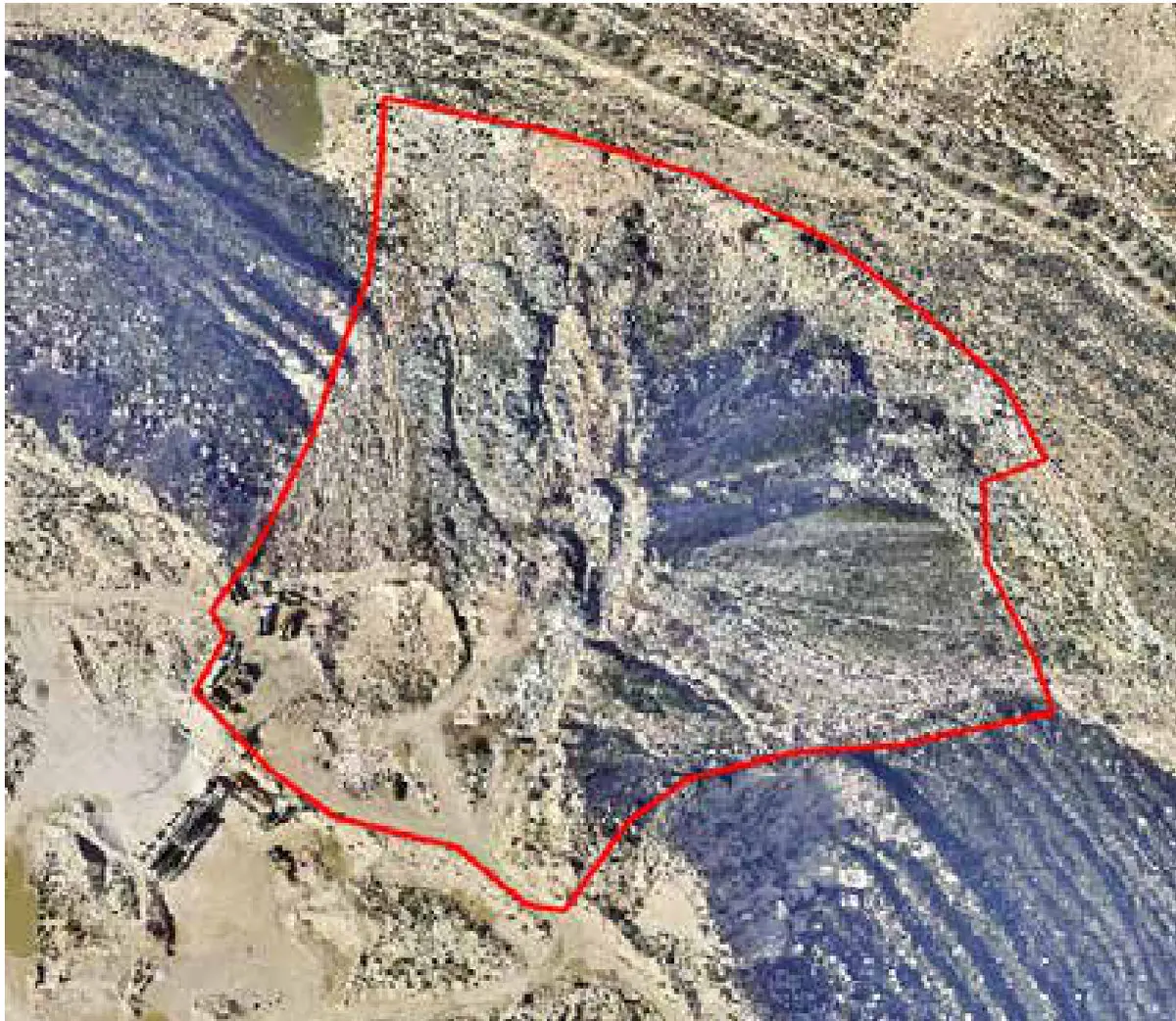
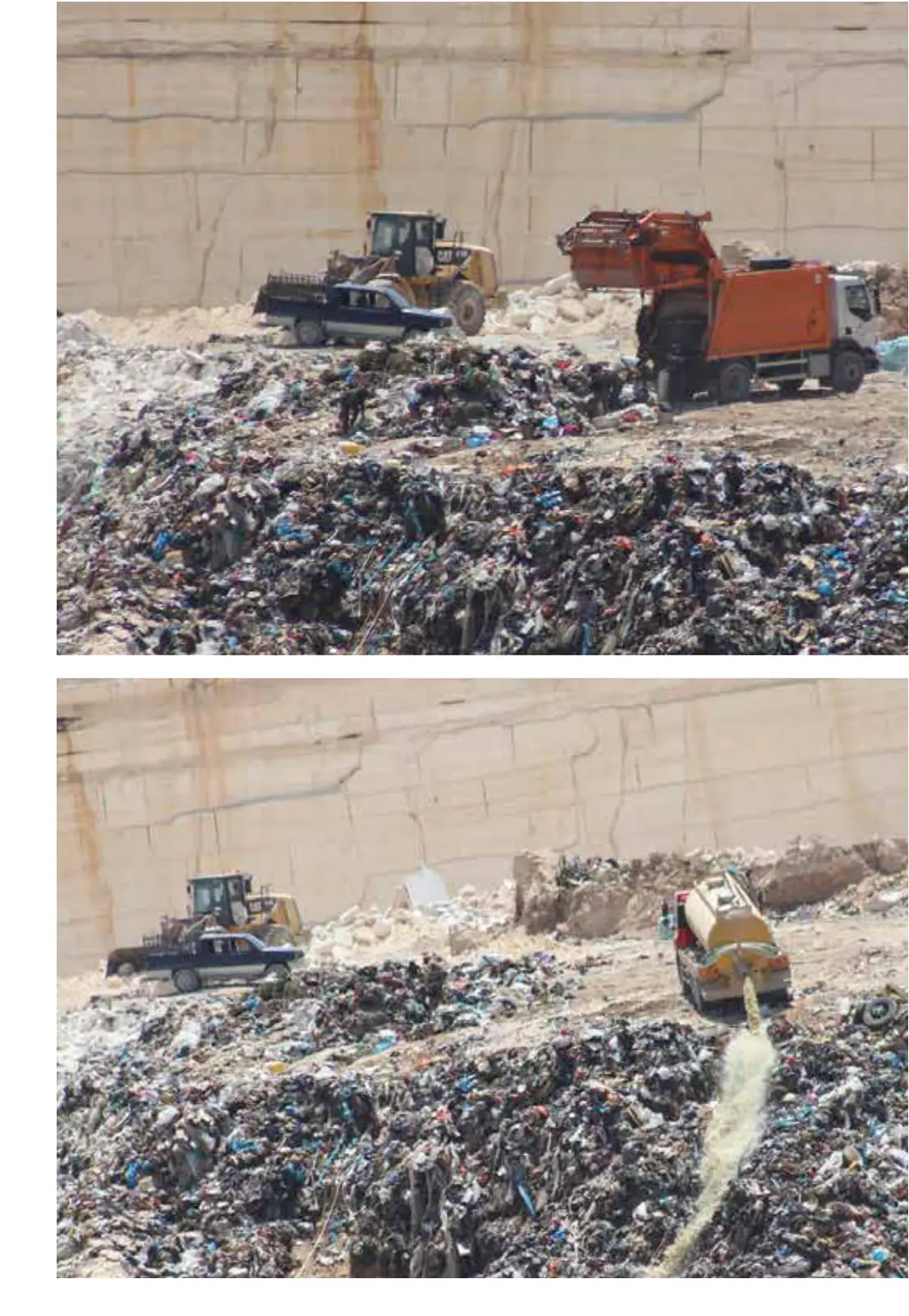
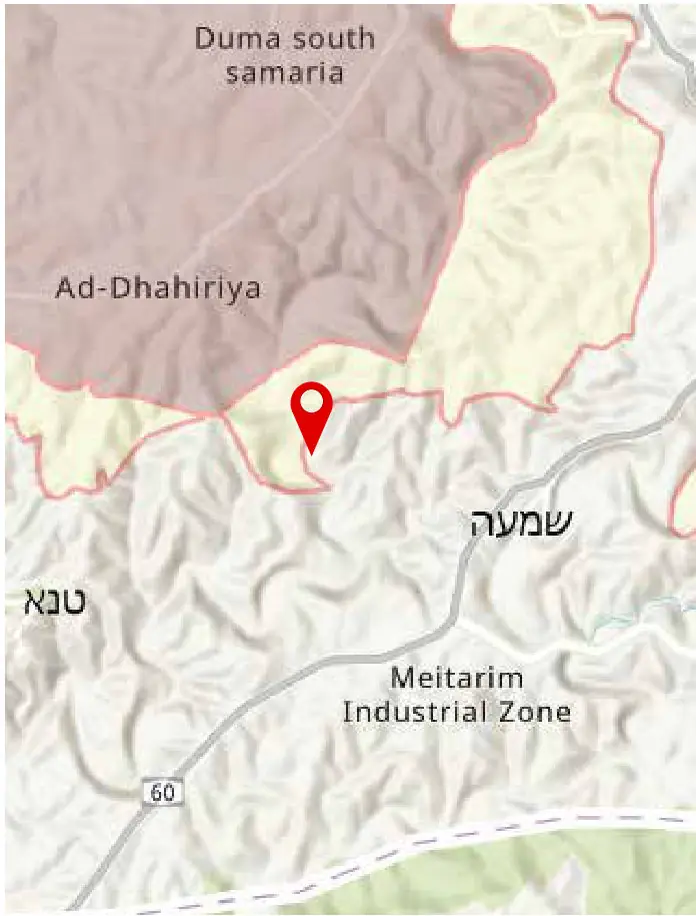
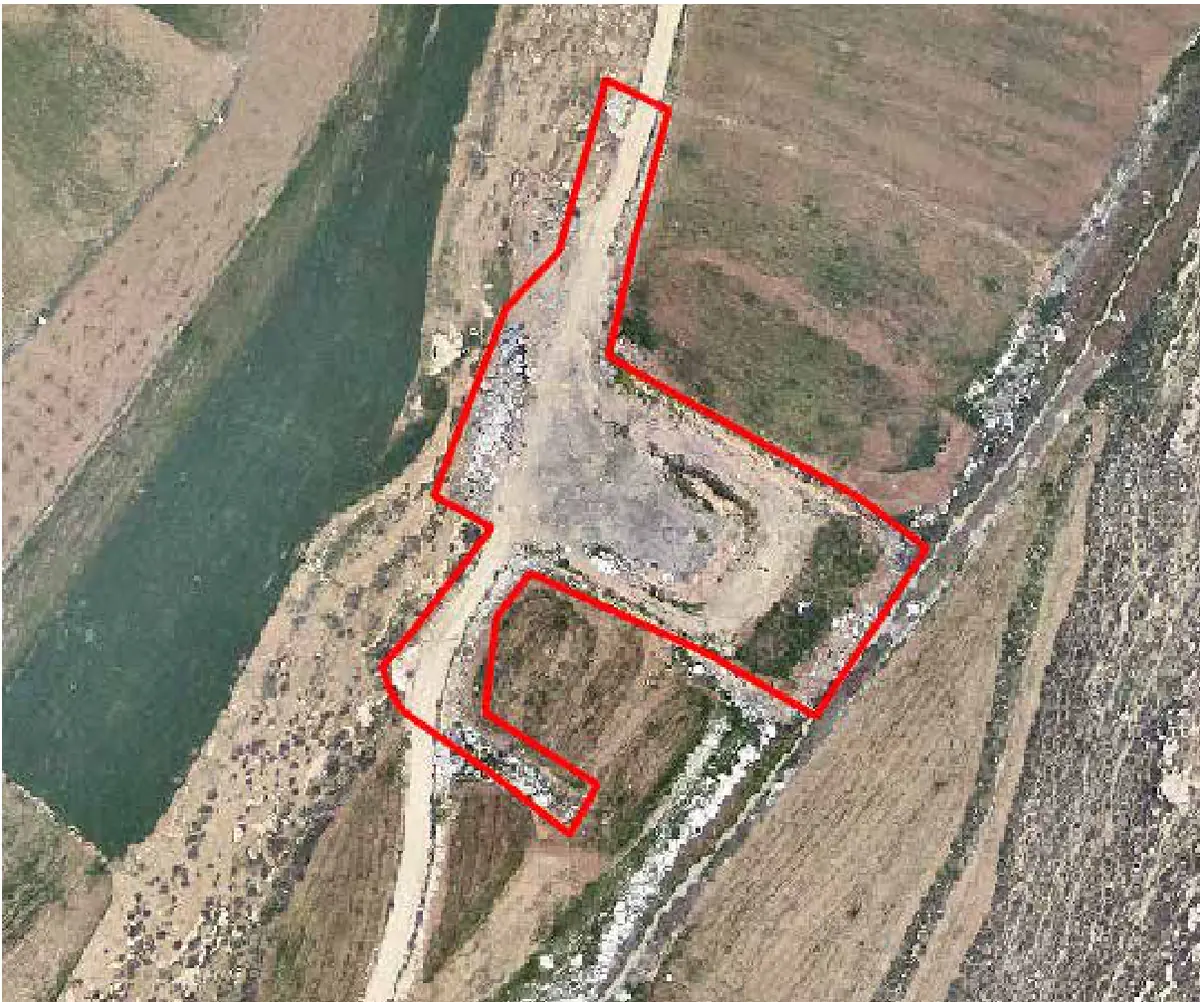
52. Dahariya
| 52. D | a | |
|---|---|---|
| a: 4.5 duna e of Waste estic ximity to s am us of haza neration st eration a: C Coordinat eral: Illegal Hebron Str umping of a document |
stream
Area: C
Chapter Four: Environment as a Political Instrument
Pages 140–145
The first chapter—and even more so the third chapter, the catalog— describes the problem as it manifests on the ground in Judea and Samaria. Yet every problem has a cause, and with respect to the waste crisis in Judea and Samaria, the cause is the Palestinian Authority. To understand the link between cause and effect, one must examine the underlying interests that drive this actor. The four chapters that follow assemble, piece by piece, the evidence that exposes the Palestinian Authority’s responsibility for the waste hazards in Judea and Samaria. A concluding discussion of the PA’s interest in preserving the environmental situation in Judea and Samaria “as is” appears in Chapter Eight.
Environmental Diplomacy
In the introduction to this document we noted that, over the past decade, the Palestinian Authority has begun to use environmental issues as a central tool in its accusations against Israel in the international arena. The Palestinian leadership presents the State of Israel as a direct agent of environmental destruction in Palestinian territories—damaging natural resources, polluting water sources, dumping waste, and causing additional ecological harm.
By exploiting the diplomatic and media stage, official Palestinian actors articulate a consistent message: Israel is committing systematic “environmental crimes” as part of the “occupation,” and the Palestinian people are victims of “environmental apartheid.”
This framing is intended to evoke international sympathy through the discourse of climate and environmental justice, portraying Israel as a violator of global norms. This occurs even as the Palestinian Authority almost entirely ignores its own responsibility to address environmental problems in the areas placed under its administration.
The Official Line
Leaders of the Palestinian Authority incorporate environmental motifs into speeches delivered in international forums. In a 2016 speech at the UN, PA President Mahmoud Abbas (Abu Mazen) explicitly claimed: “[The occupation] destroys the climate in Palestine, and the Israeli settlements destroy nature in Palestine.”31 Palestinian Prime Minister Mohammad Shtayyeh expanded this argument at the Glasgow climate conference, stating: “We are here today to tell the world that the Israeli occupation is the most critical long-term threat to the Palestinian environment.” He further detailed Israel’s alleged culpability: “The way Israel handles waste, especially toxic waste as well as solid waste, is the main cause of pollution in Palestine.”32
In light of the numerous unregulated Palestinian waste sites presented in Chapter Three, this claim is detached from the realities on the ground.
Other Palestinian actors adopt the same accusatory line. On the occasion of the “International Day for Preventing the Exploitation of the Environment in War and Armed Conflict” (November 2023), the Palestinian Environmental Quality Authority (EQA) issued a statement linking the military campaign in Gaza to Israel’s supposed “environmental war crimes.” The statement alleged that Israel used prohibited weapons and caused severe ecological damage: “Israel has used all types of weapons and missiles in its aggression, especially white phosphorus, which is prohibited under international law, and has caused severe environmental harm that threatens human life and living creatures.”
The statement further asserted that Israeli settlements in the West Bank cause severe environmental hazards, claiming: “[The settlers] discharge approximately 40 million cubic meters of raw sewage into Palestinian territory every year.” This claim is unfounded. Wastewater treatment in some Israeli authorities in Judea and Samaria indeed requires improvement, but the numbers are entirely different: the total quantity of wastewater produced by Israeli settlements is only 18.15 million cubic meters. Of untreated wastewater in Judea and Samaria, 94% originates from the Palestinian population, and 6% from the Israeli population. These six percent amount to 2.172 million cubic meters—eighteen times less than the Palestinian allegation.33
“Eco-Apartheid”
The Palestinian Authority has invested significant effort in integrating the environmental narrative into its official diplomatic campaigns. In 2016, the Palestinian government submitted a formal letter to the UN ahead of the COP22 climate conference, requesting recognition of the claim that “the Israeli occupation is a major factor in the vulnerability of Palestine to climate change.” The letter argued that the effects of the occupation severely limit the Palestinians’ capacity to cope with or adapt to climate impacts.34
Other international campaigns employed terms such as “environmental apartheid” to describe Israeli policies. Documents from Palestinian organizations argued that Israel practices systemic discrimination in access to natural resources—such as water allocation—in ways that harm the Palestinian environment and population.35 Expressions such as “environmental Nakba” were promoted by the Palestinian Environmental NGOs Network (PENGON), equating environmental damage caused by Israel to a national-scale historical catastrophe. Pamphlets and media briefings emphasized claims such as “the burning of electronic waste and metals by Israeli actors in West Bank areas” or the alleged deliberate inaction of the Civil Administration in enforcing environmental standards in settlements—all to support the narrative that Israeli policy intentionally creates an environmentally hostile, unsustainable reality for Palestinians.36 Even if such cases occurred, their scale is incomparable to the scale of environmental violations that the Palestinian Authority itself permits—violations far more extensive, severe, and continuous.
Social Media and Palestinian Civil Society Organizations
In addition to official diplomatic channels, Palestinian social networks and media outlets amplify the environmental narrative. A prominent example appeared after Operation Guardian of the Walls in May 2021 and again during the 2023 Iron Swords War, when hashtags such as #StopEcocideInGaza and #EnvironmentalApartheid were widely circulated. Another example: Palestinian media actors shared data on IDF actions and portrayed Israel as committing “ecocide” in Gaza.37 This activity resonates strongly among progressive audiences and environmental organizations abroad, which are committed to climate justice.38 Through this discourse, the Palestinian Authority seeks to highlight what it portrays as the “human–environmental cost” of the occupation, and aims to exert international pressure on Israel through global environmental frameworks such as climate-change mitigation and sustainability.
Avoidance of Responsibility
Alongside its sharp accusations against Israel, the Palestinian Authority exhibits a systematic avoidance of acknowledging its own environmental failures. According to a World Bank report, only about 30% of sewage under Palestinian responsibility in Judea and Samaria is collected into sewage systems, and less than 10 million cubic meters are actually treated. As a result, approximately 25 million cubic meters of untreated sewage flow into the open environment each year through 350 unregulated discharge points, and about 21 million cubic meters of this flow westward into Israeli territory.39 Thus, there is a significant gap between Palestinian rhetoric— which blames Israel for pollution—and the reality, in which the Palestinian Authority itself has failed to establish and operate adequate sewage and waste systems in the areas under its control. Unsurprisingly, official PA messaging almost never addresses these failures. This is a clear strategy of framing: presenting the environmental issue in a one-sided manner, as a direct extension of the occupation, in order to reinforce the Palestinian narrative in the international arena.
By contrast, Israeli bodies such as the Civil Administration argue that it is precisely the lack of Palestinian cooperation that hinders progress on vital environmental solutions—solutions that are feasible and implementable.
For example, regarding the al-Minya landfill, the Coordinator of Government Activities in the Territories (COGAT) stated: “In recent years, a joint process was carried out by the Palestinian Authority, local leadership, the Civil Administration, and the World Bank to find an environmental solution for the waste from the Bethlehem, Hebron, and Jerusalem envelope areas. Accordingly, the Civil Administration advanced the establishment of a landfill in Area C. The Civil Administration is not permitting the opening of the site because the relevant parties—including the Palestinian Authority— backed away from agreements that it would serve as a regional waste site. The Civil Administration sees great importance in establishing the landfill and opening it without delay, but according to the agreements it is intended to serve both the Palestinian population and the Israeli settlements in the area.”40
Another example concerns cooperation on sewage treatment: “The Palestinians raised political and sovereignty-based objections to the sewage projects, and refused a joint system that would include connecting the Israeli settlements to the treatment plants mentioned above.
The Palestinians also refused to connect the planned Palestinian treatment facility in Tulkarm to the adjacent Israeli community in Emek Hefer. Such joint initiatives were considered desirable from an environmental standpoint, but not from a political standpoint. The PA argued that each side should solve its own problems.”41
The bottom line is that the environment has become for the Palestinian Authority another front in its struggle against Israel—a cognitive, legal, and public-relations front—in which nature and climate are ostensibly apolitical tools, yet are in fact fully mobilized for highly political aims.
Environmentalism: Cooperation and Conflict over Water Management along the Israeli-Palestinian Border|", 2011.
Chapter Five: Internal Crisis
Pages 146–149
The Palestinian Authority is in the midst of a profound governance crisis that threatens its standing as a functioning governing institution. The direct expression of this crisis, in environmental terms, is the lack of proper treatment of waste and sewage hazards, stemming from the PA’s inability to provide basic public services. This crisis derives from two central factors: a prolonged budgetary crisis caused by the PA’s failed economic management, and entrenched structural corruption.
In the introduction to Chapter Two, we mentioned the economist William Easterly. In his bookThe Elusive Quest for Growth, he argues that the developed world has repeatedly failed to understand the incentives that operate within the developing world; consequently, the solutions it offers do not lead to the desired development and in fact often produce the opposite result. This argument is foundational for understanding the facts presented in this chapter and in Chapter Six, and it offers a deeper explanation for what is described in Chapter Seven, since it shifts the perspective from external circumstances to internal causes.
“The data show that corruption and growth are inversely related. Likewise, corruption and the rate of investment as a share of GDP are inversely related. No one wants to invest in a corrupt economy, and no one wants to do all the other things necessary to enable economic growth.”42
Budgetary Crisis
One of the central causes of the Palestinian Authority’s deterioration is its chronic fiscal crisis. The PA suffers from a sharp decline in international donor support and from economic constraints imposed by Israel. This distress severely undermines its ability to provide basic governmental services. Since the end of 2021, it has been paying only partial salaries to its employees and has delayed payments to suppliers.
According to a public statement issued by the International Monetary Fund: “The fiscal crisis continues without significant policy changes, impairing the ability to provide basic government services […] A worsening liquidity crunch led to the execution of the 2023 budget on a cash basis and prevented the full payment of public-sector salaries and pensions as well as full allowances for the most vulnerable.”43
The PA’s financial deterioration cascades downward: local authorities have fallen into deficit and have not received adequate funding from the PA. As a local journalist wrote:
“If there are municipal strikes, and garbage-collection workers — the simplest service provided by municipalities — stop collecting waste, imagine what the condition of the people and the country would look like.”44
Projects requiring substantial government investment—such as regional landfills or the upgrading of sewage treatment facilities— advanced only slowly or were halted entirely. According to the World Bank:
“Limited financial resources further delay capital investments in new disposal infrastructure and the maintenance of existing solidwaste-management facilities, significantly affecting service quality and reliability.”45
World Bank data indicate that development expenditures in the PA’s budget have been minimal in recent years, around 1%–3% of GDP, compared to more than 10% a decade ago. In other words, the PA allocates most of its budget to salaries and leaves little capital for improving infrastructure or upgrading services for its population.46
Structural Corruption
To many observers, the Palestinian Authority has become a symbol of wasta (واسطة, political patronage or cronyism) and rule by a detached elite. Repeated surveys show that an overwhelming majority of the Arab public in Judea and Samaria believes corruption within PA institutions is extremely high. A comprehensive 2022 public-opinion survey conducted by the organization AMAN found: “Patronage (wasta) and nepotism are the most common forms of corruption […] 24% of citizens indicated that patronage and nepotism are the most widespread corruption offenses.”47
In 2021, the PA spent $2.6 billion on wages—about half of all its expenditures, a rate double the global median in other countries.48 Analysts note that the Fatah leadership adopted this “patronage policy” to cultivate a loyal middle class through economic dependence. Through this policy, the Palestinian Authority purchases loyalty instead of implementing necessary reforms and investing in infrastructure, thereby neglecting the public.
As one analysis put it: “Corruption in the Palestinian Authority is essentially a self-preserving system. […] In Palestine, patron– client relations are rooted in social values of familial closeness and clan ties, influenced by factional politics. These social and political connections provide the ruling elite with a strategic tool to control the voting public and expand its support network through the distribution of public resources to purchase political loyalties. In this way, the system helps the ruling elite maintain the status quo and continue to control political and economic assets.”49
An example of such problematic ties between business interests and political leadership appears in a 2009 Reuters report: “A review by Reuters of internal U.S. government documents on aid programs in the West Bank and Gaza revealed that construction and publicrelations companies run by Tarek Abbas and Yasser Mahmoud Abbas have received, since 2005, contracts and subcontracts worth more than $2 million — the year their father assumed the presidency.”50
Loss of Internal Legitimacy
Surveys conducted even before the outbreak of the Iron Swords War showed that most Palestinians view the Palestinian Authority as a corrupt and ineffective body. A December 2022 PSR survey found that 81% of Palestinians believe the PA is corrupt, with distrust even higher among young people, many of whom feel they have no prospect of improving their status under the current governing framework.51
The public standing of the Palestinian Authority—already fragile before October 7—has completely collapsed since then. Surveys conducted in December 2023 showed that 90% of the Palestinian public demanded the resignation of Mahmoud Abbas, and 60% supported dissolving the Palestinian Authority altogether.52 These findings, alongside rising support for Hamas in Judea and Samaria, indicate that the PA is now perceived as an illegitimate governing entity—an obstacle rather than a solution—one that relies on minority support and holds a weak and unstable public position.
Chapter Six: Donors — Loss of Confidence
Pages 150–155
The year 2008 marked the peak of international community support for the Palestinian Authority. Since then, however, donations, aid, and loans have shown a clear and persistent downward trend: financial assistance has been reduced, investments have declined, project funding and grants have been cut, and allocations from states, international organizations, and development banks have diminished.
A Consistent Decline in International Aid
According to data from the World Bank and the International Monetary Fund, direct budgetary support for the Palestinian Authority contracted by 85% between 2008 and 2021, falling from approximately $2 billion in 2008—equivalent to 27% of Palestinian GDP—to less than 3% of GDP in 2022.53
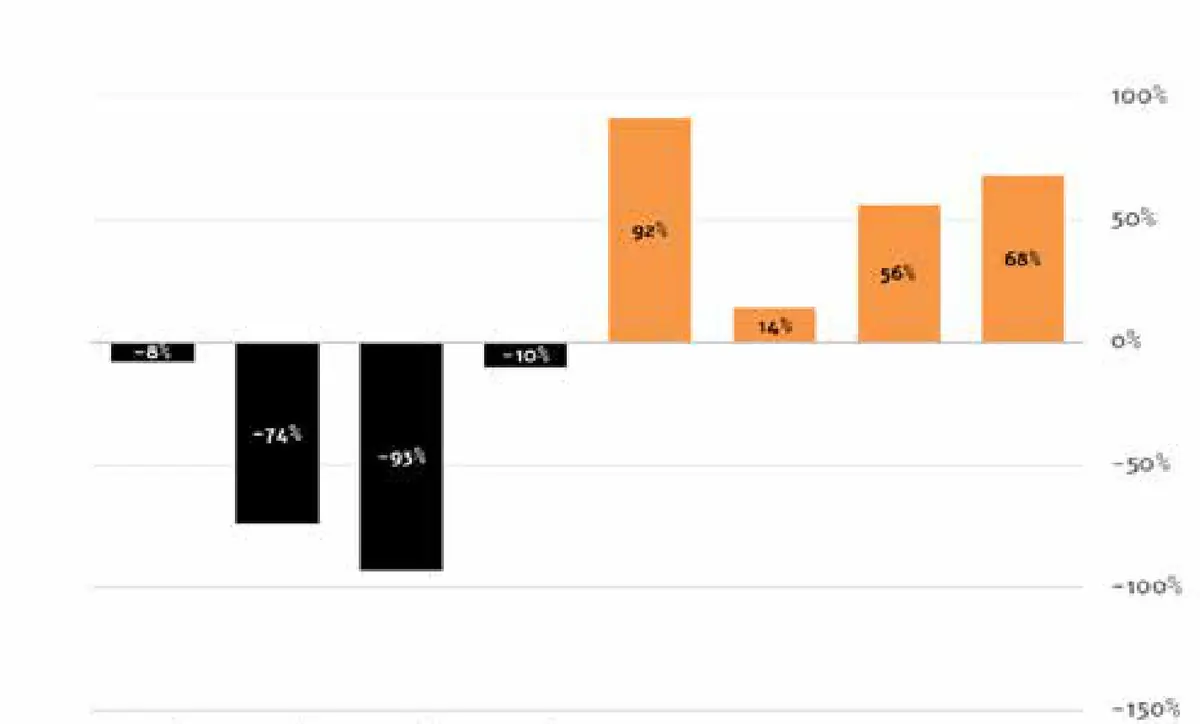
The decline in international support for the Palestinian Authority is not a temporary phenomenon; it is a consistent trend that indicates a deepening loss of confidence in the PA by its principal donors. Between 2013 and 2022, the PA’s most significant donors—the United States, the European Union, and Arab states—reduced their financial support dramatically, in some cases nearly halting it altogether. In addition to these reductions, major international institutions— including the World Bank and UN agencies—also sharply decreased
their support. The drop in aid to the PA is all the more dramatic when contrasted with the global trend of increasing expenditures on assistance to distressed states. Furthermore, the data represents the period prior to the Hamas attack of October 7, 2023. Thus, they reflect a steady, long-standing decline in donor willingness to support the Palestinian Authority, rather than a political response to the massacre.54
Foreign support for developing countries versus support for PA and Gaza (2013-2022)
UK support
US support
support for EU support UK support
US support
Total
for PA and
for PA and
PA and Gaza
for
for
for
support for
Gaza
Gaza
(All donors)
developing
developing
developing
developing
countries
countries
countries by official donors
Notes for the Graph
The Palestinian Authority’s economic crisis has had a particularly severe impact on the environmental sector. Essential projects for waste treatment, sewage purification, and water desalination were halted or cancelled, partly due to a lack of political confidence in the PA and doubts regarding its ability or willingness to use the funds for their intended purposes. Even international environmental bodies, such as the Global Environment Facility (GEF), refrain from transferring funds to the Palestinian Authority.55
Erosion of Donor Confidence and the Reduction of Aid
The decline in international support for the Palestinian Authority is not the result of a single event but rather the outcome of several long-term factors that have eroded donor confidence.
Lack of Transparency and Poor Oversight
International actors have repeatedly pointed to the lack of transparency in the management of aid funds and to the absence of effective oversight mechanisms within the Palestinian Authority. Saudi Arabia, for example, began reducing its assistance in 2016 and ceased it entirely in 2021 due to allegations of corruption.56 In that same year, Sweden’s Foreign Minister, Ann Linde, warned about the impact of growing corruption within the Palestinian Authority on aid to the Palestinians: “We cannot fully support the economic development of the Palestinians so long as the level of corruption in the Authority is so high.”57
Poor Financial Management and Accumulating Deficits
Excessive expenditures by the Palestinian Authority have created a constant dependency on external assistance—a situation that donors view as irresponsible. The World Bank explicitly stated that continued aid is conditional upon the implementation of essential reforms to reduce public spending and other necessary reforms, but the PA failed to implement these reforms.58
Corruption and the Diversion of Funds to Associates
Internal audit reports of the Palestinian Authority revealed improper use of aid funds. A clear example was the exposure of aid money intended for COVID-19 hardship relief being allocated to senior employees in the banking sector and to individuals connected to the ruling circles.59
Use of Aid Funds to Finance Terror-Related Payments
For years, senior Israeli and U.S. officials have highlighted that the Palestinian Authority uses its budget—including aid money— to pay stipends and salaries to terrorists imprisoned in Israel for acts of terrorism, as well as to the families of terrorists killed while carrying out attacks. This policy, enshrined in official PA legislation, stipulates that the greater the sentence imposed on the terrorist— i.e., the more severe the attack—the higher the salary he receives. This policy led to U.S. legislation (the Taylor Force Act, 2018) and to the suspension of direct American aid.60 Israel also deducts hundreds of millions of shekels annually from PA tax revenues to offset these payments.61 Other countries and organizations have also demanded explanations and transparency to ensure that their assistance is not indirectly used to encourage violence.62
Repeated Project Failures
Many international donors have been disappointed by delays in major infrastructure projects. As early as 2009, the World Bank reported: “After the Oslo Accords, donors were eager to fund investments with the perception that this was a key area for development and poverty reduction. Donor funding was not then a constraint. However, after years of delays, cost increases, low disbursements, and wasted time and money, there is evident ‘donor fatigue.’”63
Geopolitical Circumstances
The accumulation of global crises—such as regional wars and waves of refugees—shifted international attention away from the Israeli–Palestinian conflict and created a sense of futility regarding continued aid to the Palestinian Authority.
After tens of billions of dollars transferred since the Oslo Accords, the Palestinian economy remains fragile, raising the question of whether aid has been preserving the status quo instead of addressing root problems. As one assessment put it: “It seems that no one any longer knows what the long-term objective of aid to Palestine actually is.”64
The Palestinian Authority’s Interpretation of the Situation
The Palestinian Authority claims that the decline in economic support is the result of unfair political pressure exerted by donor states. Minister of Social Development Ahmad Majdalani stated that the failure of aid to arrive constitutes “an economic siege”65 on the Palestinian leadership. Former Finance Minister Shukri Bishara argued that the situation will worsen if Israel continues to “illegally” withhold PA tax revenues.66 The PA’s official stance toward Arab donor states is cautious. Finance Minister Omar bitar expressed deep appreciation for “the steadfast historical position of the Kingdom toward the Palestinian people,”67 yet disappointment remains great—the contributions of the “brothers” in the Gulf have been very limited.
The PA repeatedly claims that the reduction in aid is unjustified, describing it as political “punishment” or even a conspiracy to weaken it. It also declares a desire for transparency and reform, as Foreign Minister Riyad al-Maliki stated: “We are determined to increase transparency and ensure that every dollar of aid reaches its proper destination.” But data from numerous sources contradict this claim.
Another Perspective
Palestinian society is not swayed by the statements of PA officials and criticizes them sharply. Hamas and other opposition actors accuse the leadership of corruption and of wasting aid money on associates. Independent figures and social activists argue that donors are justified in their concerns, as the Palestinian Authority has not demonstrated efficiency or commitment to sustainable development.
The organization AMAN has highlighted systemic failures in public administration in its reports and has called for transparency and independent oversight to restore public and donor confidence.68 Human-rights activists view the decline in aid as an opportunity to demand deep reforms. In Wadi al-Nar (al-Qadirun), frustrated residents, suffering from the lack of infrastructure investment, complain about worsening pollution and the PA’s inability to address it, claiming that it cannot fund solutions due to the halt in international financing.69 A resident of Wadi al-Nar described the situation in these words: “They promised us paradise; we got flowing sewage. Now there is no one left to fund anything, and the stream remains foul.”70
Chapter Seven: The EQA Report - An Admission Against Interest
Pages 156–159
If further confirmation were needed for the central findings presented in this document, it was provided—surprisingly—by the Palestinian Authority’s own Environment Quality Authority (EQA). In early 2024, the EQA published a comprehensive report on “The State of the Environment in the State of Palestine,”71 which, in addition to the familiar rhetoric directed against Israel, includes a long series of explicit admissions of severe failures in environmental management. This chapter examines that report, and all quotations herein are taken directly from it.
Most of the work on the report was carried out in 2023, but it was published only after the events of October 7, 2023. Although the Iron Swords War and its environmental impact—mainly in the Gaza Strip—are mentioned, the report’s core was written before the dramatic developments that followed. The EQA report offers a window into the conceptual and ideological framework through which the Palestinian Authority understands environmental issues, and therefore it holds significant value. The report provides insight into the PA’s underlying assumptions and conceptual structure regarding environmental matters, and into the relationship between environmental policy and political considerations.
The introduction to the report was written by Dr. Nassrin al-Tamimi, head of the EQA. Her introduction frames the entire document: an attempt to conduct a comprehensive survey of all environmental domains—water, air, soil, biodiversity, climate change, waste, energy—while attributing full responsibility for the existing situation to “the Israeli occupation,” and scarcely mentioning any internal failures. “The report is the first official report on the state of the environment in the State of Palestine […] It addresses the impact of decades of prolonged occupation on the Palestinian environment […] in an attempt to present an updated picture of the environment based on data, facts, and available information […] and serves as a basis for measuring future progress and achievements.”
While the report purports to present a professional and measurable environmental reality, its structure is dual: on the one hand, the assignment of blame to Israel; on the other, often implicit—yet at times explicit—admissions of the Palestinian Authority’s internal weaknesses in environmental matters.
Accusing Israel
The report blames Israel for every environmental problem across all sectors:
· “The Palestinian environment has experienced many significant pressures, and the Israeli occupation has constituted the main pressure.”
· “Greenhouse gas emissions from the settlements exceeded those emitted by the Palestinian population in 2020.” · “The policies and actions of the occupying state are an obstacle to the realization of environmental rights.” · “The occupying state engages in illegal trade in all types of waste, including hazardous waste, into the occupied State of Palestine.” · “The occupying state treats waste coming from the settlements and waste originating within the occupying state in occupation waste sites in the West Bank.” [The awkward phrasing reflects the original.]
· “The occupying state has prevented the flow of the Jordan River toward the Dead Sea […] this has altered its ecological system.”
· Israel appears in nearly every chapter of the report as a polluting occupier, violator of treaties, destroyer of resources, and an actor that separates Palestinians from their environment. This accusation serves as the report’s ideological spine. Furthermore, throughout the entire document, Israel is almost never referred to by name, but rather as “the occupying state.”
As demonstrated in Chapter Four (regarding the PA’s claims that Israeli settlements discharge untreated sewage into the environment), the data presented by the Palestinian Authority tend to be exaggerated and at times entirely inaccurate. Nonetheless, the language quoted in this chapter reflects the EQA report verbatim.
Weakness of the Palestinian Authority
Alongside these accusations, the report contains numerous passages that hint—and at times state outright—that the Palestinian Authority has little interest in environmental issues. According to the report’s authors, the reasons include incapacity and insufficient funding:
· “The strategic priorities of the plan do not explicitly include the environmental sector or the strengthening of basic rights, including the right to a clean and healthy environment. […] Ensuring the right to a sustainable environment is not presented as one of the central priorities.”
· “Most of these strategies and plans are not formally approved by the Government of Palestine. […] These plans and strategies require far greater funding than the budgets allocated by the government to the environmental sector.”
· “There are additional challenges hindering law enforcement, including a lack of skilled personnel […] as well as the absence of a vision or strategic plan to address environmental violations.”
· “The exclusion of the role of the environmental police from the law harms its standing.” · “Government expenditure on environmental protection is 0.1% of the state budget.” · “Many donors refrain from investing in the development of
environmental governance.” · “The environmental performance of landfills is at a low level […]
due to economic and technical constraints.” · “The institutional framework for managing hazardous materials is fragmented […] making monitoring and oversight difficult.” From these statements a clear picture emerges: the Palestinian Authority attributes its failures to external barriers (occupation, donors, lack of sovereignty), yet in practice it testifies to profound internal dysfunctions that prevent it from addressing environmental challenges effectively.
This report is not a hostile critique of the PA written by an external actor, but rather an internal document authored by an official Palestinian governmental body. Although the report is directed largely against Israel, it ultimately reveals above all the vast gap between what is required of a civil authority in the environmental sphere and the actual situation in areas under PA responsibility. This document is essential for anyone seeking an unfiltered understanding of how the Palestinian Authority itself perceives the factors influencing environmental issues in Judea and Samaria—and the extent of its responsibility (or lack thereof) for these matters.
Chapter Eight: Conclusion — The Bottom Line
Pages 160–163
The analysis presented in the previous chapters reveals that the Palestinian Authority is a central factor in the environmental hazards in Judea and Samaria, not merely because of infrastructural failure but also because of a systematic pattern of preserving crises for political, economic, and personal gain. These chapters describe a dynamic cycle:
· deterioration to the brink of collapse (regarding environmental hazards) resulting from policies of neglect, organizational and economic incapacity, and complete abdication of responsibility;
· leveraging that collapse—real or perceived—to reap various benefits; · This cycle repeats itself continuously. Recognizing this dynamic leads to the conclusion that the Palestinian Authority is not a victim of circumstance, but an active participant in creating and perpetuating the environmental crisis. The preceding chapters assembled a network of evidence and findings which, when viewed together, reveal a clear operational pattern: the Palestinian Authority does not work to fully eliminate waste hazards in Judea and Samaria because their continued existence provides economic, political, and diplomatic advantages.
1. Control over Infrastructure
As detailed in Chapter One, the Palestinian Authority controls the regulated landfills—al-Minya and Zahret al-Finjan—but invests no resources to ensure their proper functioning. Neglect, overloading, and lack of oversight allow the PA to turn a blind eye to waste flowing into alternative, unregulated sites, where informal arrangements generate local income.
2. Exploitation of the Unregulated System
Unregulated waste sites form a central component of the wastemanagement landscape and serve a wide range of stakeholders: residents, local authorities, landowners, contractors, and entrepreneurs. Maintaining this system serves immediate economic interests and enables the distribution of benefits across the entire waste-disposal chain.
3. Obstruction of Regional Projects
Delays in establishing new projects—such as the Ramon landfill—do not stem solely from technical or political disagreements. Preserving the shortage of landfill infrastructure, especially in Area C, creates a constant need for external grants and enables the Palestinian Authority to present itself internationally as a weakened and vulnerable party.
4. Financial Leverage and Political Control
The management of grant funds and implementation processes is controlled by political mechanisms. This control enables the PA to strengthen loyalty networks and direct budget allocations to its allies, while maintaining the dependency of communities and local authorities on its power centers.
5. Use of an External-Blame Mechanism
The Palestinian Authority shifts responsibility for waste hazards onto the State of Israel and uses this claim as a tool to mobilize external political and economic support. This mechanism entrenches the notion that the PA cannot solve the problem on its own—an argument that supports continued external resource flows.
The Big Picture
Exposing the Palestinian Authority and its connection to the waste crisis in Judea and Samaria is akin to drawing a line between dots scattered across a blank page until the full image emerges. Each event may seem isolated, but from point to point and from incident to incident, a web takes shape.
In Chapters Four, Five, and Six, we demonstrated that the Palestinian Authority—motivated by self-righteousness and victimhood— projects accusations onto Israel in every domain and uses these accusations as a shield against internal and external criticism.
Examining the waste problems in Judea and Samaria solely through the prism of the PA’s narrative of conflict with Israel distorts the picture. Negative behavior and poor environmental culture are common phenomena and certainly not unique to the PA. In Chapter Two we presented evidence that the Palestinian Authority represents, quite authentically, the environmental governance culture of the developing world (see also Appendix 2).
As noted in the introduction, the foundation of this report is reality, not rhetoric or interpretation. And the reality, as shown in Chapter One and even more so in Chapter Three, is harsh. In a Sisyphean effort, we documented waste hazard after waste hazard—and the sites presented in the catalog are only about one-tenth of the sites registered in Green Now’s database.
In a well-known lecture, Professor Sam Richards of Pennsylvania State University responds to the questions of a student identifying as Palestinian, who repeatedly attacks Israel and presents Palestinians as victims. Richards always responds to her with one question: “Why?!”
It is clear beyond any doubt that the problem is not a lack of capital. As early as 2002, Palestinians were the highest per-capita aid recipients in the world,72 and since then billions more have flowed into the Palestinian Authority. So why, indeed, has the PA failed to address the environmental problems under its responsibility?
Because the truth depends on perspective: from the Palestinian Authority’s point of view, it has not failed at all — it has succeeded beyond expectation. And, ironically, one might say that the PA operates according to the well-known environmental principle: “One person’s trash is another person’s gold.”
Chapter Nine: The Day After
Pages 164–174
This chapter is, in effect, the first appendix to the larger report presented in the preceding chapters. The main body of the report addressed the Palestinian Authority’s responsibility for the environmental hazards; from that perspective, nothing essential would be lacking even if no alternative solution were proposed. Moreover, it is easier to stand in the position of critic than to take on the risks and challenges of repair. However, leaving the situation unchanged is an environmental crime, and anyone capable of contributing to its correction ought to do so. The cost of this crime is measured in human lives, and if we can advance any solution, we risk nothing more than criticism. All data in this chapter is based on official reports (State Comptroller 2024, Ministry of Health 2024, Green Now 2024), conversations with field professionals (Samaria and Judea Environmental Union officials, contractors working in waste management in Judea and Samaria, and other experts in the field), participation in relevant Knesset committee hearings (Interior and Environmental Protection; State Comptroller), and extensive field tours.
Within the governance–environmental vacuum described in depth across the previous eight chapters, daily life unfolds for approximately 1.5 million Palestinians and half a million Israelis. The waste they generate, if left untreated, becomes destructive and even deadly. Air does not distinguish between the Green Line and administrative boundaries, and neither does sewage flowing without restraint. Meanwhile, people, groundwater, animals, and nature itself suffer severe damage. These facts are acknowledged by Israelis, the international community, and the Palestinians themselves.
Under these circumstances, in the absence of a Palestinian alternative, Israel cannot continue to hold the position of a passive observer. Environmental responsibility obligates action now—not for political reasons, but out of health, ecological, and moral necessity. Israel must accept responsibility not because it caused these problems, but because it is the only actor currently capable of addressing them. Continued reliance on the Palestinian Authority to address the waste problem will perpetuate an ongoing environmental crisis with severe health and ecological consequences for all residents of the region.
Cooperation with local Palestinian bodies for the purpose of handling Palestinian waste is possible, but only if such cooperation is civiloperational in nature. The issue is not political recognition or shared governance; it is the immediate necessity to provide essential services. In a shared space, functional cooperation is welcome, but such cooperation must be guided by a comprehensive understanding of the territory and its needs—an approach that only Israel is in a position to adopt.
Israel must act to establish and operate infrastructure for the collection, treatment, and disposal of Palestinian waste—planned and executed by Israel, and, if necessary, also funded by Israel. These infrastructures must serve all residents—Jews and Arabs, Israelis and Palestinians—so as to minimize harm and provide functional, efficient systems.
Mobilizing the international community to finance the necessary solutions is desirable and welcome, but not essential. Insisting on such funding at the cost of leaving the situation unchanged is absurd: it prioritizes a potential external funding source (which may or may not prove reliable) over the lives and health of human beings—Israeli citizens on both sides of the Green Line and Palestinian residents of Judea and Samaria. Israel must develop a clear, comprehensive policy for waste removal—not ad hoc firefighting, but systemic planning.
Below is a brief overview of the current waste-management mechanism operated by the Civil Administration—covering burning waste. Three alternatives to the current situation are presented later in the chapter. These alternatives are supported by quantitative data, diagrams, and tables and, as is characteristic of such tools, the analysis is cold and utilitarian. If the data analysis points to the feasibility of cooperation with local Palestinian civil bodies, that will be the recommendation.
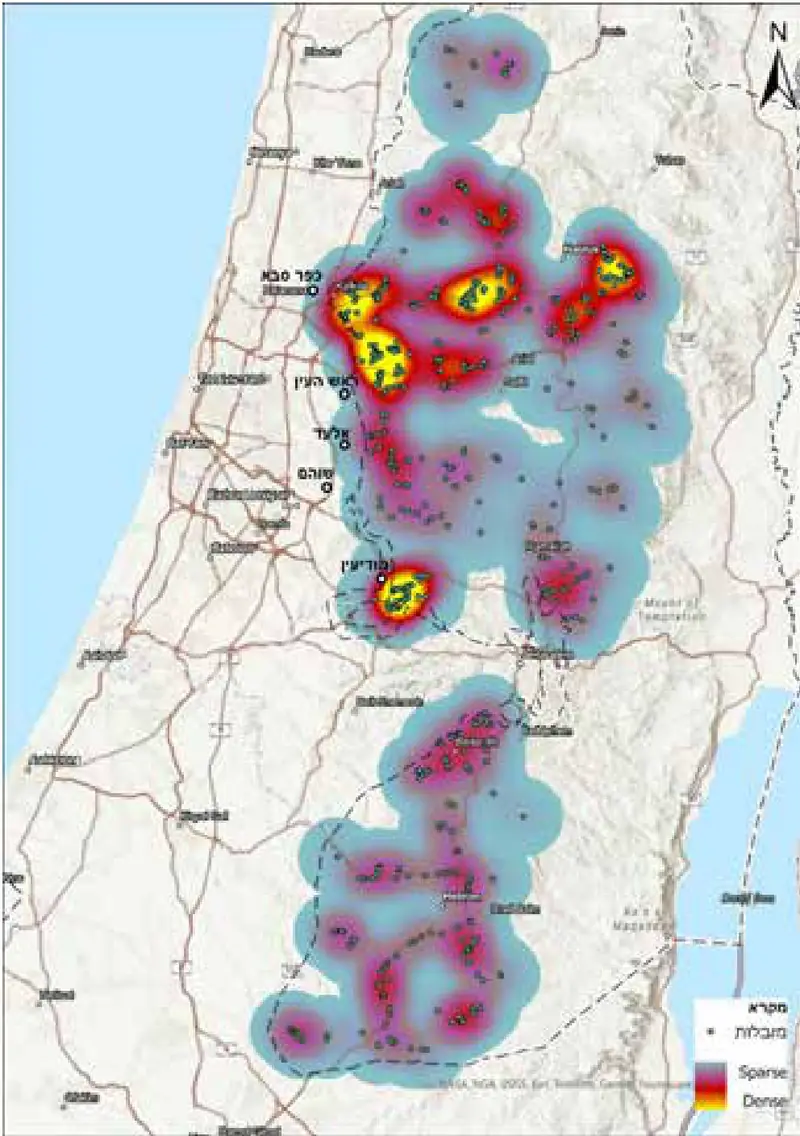
Landfilling and the Daily Cover
The problem of domestic-waste burning affects all regions of Judea and Samaria, but is concentrated primarily in the Binyamin area and western Samaria.
The Palestinians have two approved landfills: Zahret al-Finjan near Jenin, and al-Minya east of Bethlehem. Construction of a third facility in eastern Binyamin (Ramon) has been delayed due to disagreements between Israel, the Palestinian Authority, and the funding entity (KFW Bank).
As demonstrated in earlier chapters, in addition to the PA’s lack of
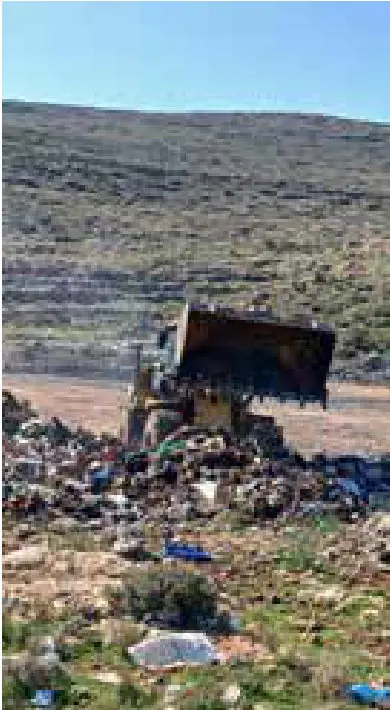
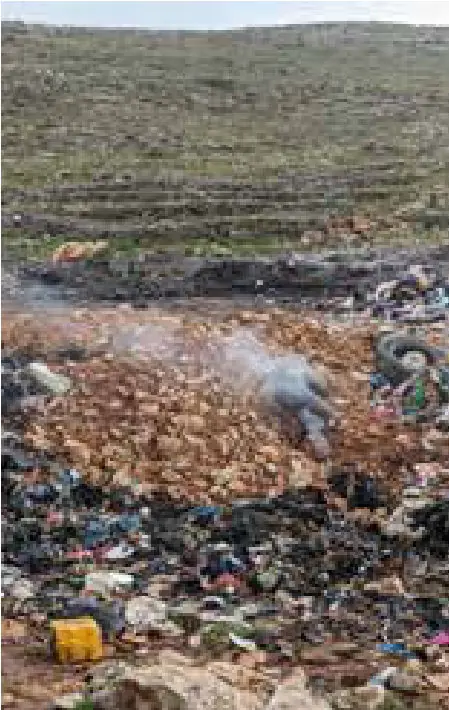
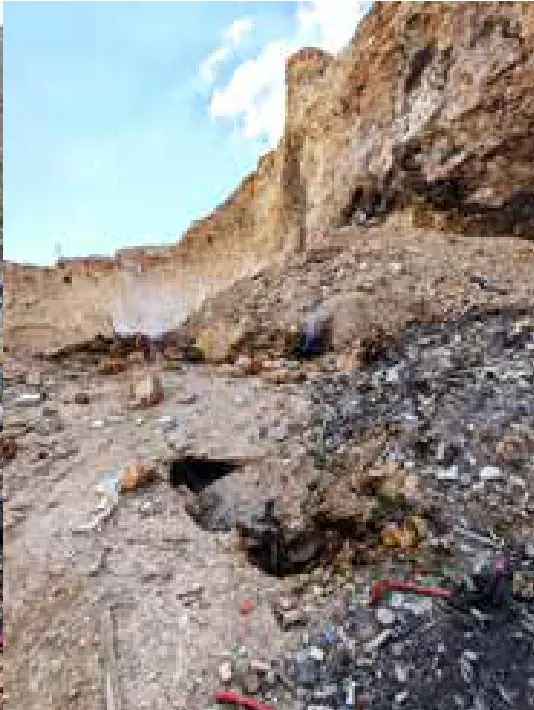
interest in addressing the waste hazards under its responsibility, the PA has also grown steadily weaker, and its level of municipal service provision has declined accordingly. Today, with respect to the provision of waste-collection services and regulated treatment, it is effectively a hollow vessel.
This situation has resulted in Palestinian waste being dumped, burned, and buried in countless unregulated sites. Waste burning causes severe harm to the health and quality of life of residents on both sides of the Green Line.
Under public pressure, the Civil Administration attempts to address domestic-waste fires in Judea and Samaria. However, the method it employs—covering burning waste piles with soil—is costly (according to estimates based on data submitted to the State Comptroller, approximately NIS 2.2 million per year) and entirely ineffective. Covering does not extinguish the fire; it only worsens the risk of soil and groundwater contamination. It is important to note that this expenditure is far smaller than what would actually be required, since the Civil Administration acts only reactively. Even when a burning site is clearly visible and documented, the Civil Administration will not act unless a complaint is formally submitted.
Worse still, the current situation effectively constitutes a “crime pays” mechanism: “entrepreneurs” receive payment for dumping industrial and domestic waste. For various reasons (large waste volumes, metal extraction, etc.), the waste is set on fire. The Civil Administration is then called upon to extinguish and cover it; once the covering operation ends, the sites remain open for renewed dumping and become de facto landfills.
Even worse: covering does not extinguish the fire. As Fire and Rescue Service representatives have explained repeatedly in Knesset hearings, internal combustion—known as “devil pits”—continues beneath the soil layer. These pits release smoke and toxic gases through cracks in the earth until the ground collapses, creating sinkholes.
Added to this practical failure is legal helplessness. Environmental enforcement by Israeli authorities in Judea and Samaria is extremely weak, and all enforcement bodies have been sharply criticized for their inaction in State Comptroller reports, Knesset committees, and by the media and suffering public.
The current Israeli mechanism for handling Palestinian waste does not work. A paradigm shift is required—from a reactive policy of extinguishing recurring fires to a proactive, regulated system for managing Palestinian waste. Only such an approach can break the cycle of unregulated dumping and burning and minimize harm to health, the environment, and the economy.
Remove, Don’t Cover
Despite the long journey through Palestinian waste heaps and the corridors of PA corruption, not everything is dark or hopeless; there is something to be done. The Samaria and Judea Environmental Unions have drafted a plan centered on change through a two-tier approach.
- First tier: accepting Israeli responsibility for solving the waste problem in Judea and Samaria.
- Second tier: removing burning waste from Palestinian sites instead of covering it.
The removal mechanism grasps the bull by the horns rather than by the tail: instead of attempting to combat raging fires, it removes their source. For fire to burn, three components must be present: material, oxygen, and heat. The Civil Administration’s approach focuses on addressing heat—the
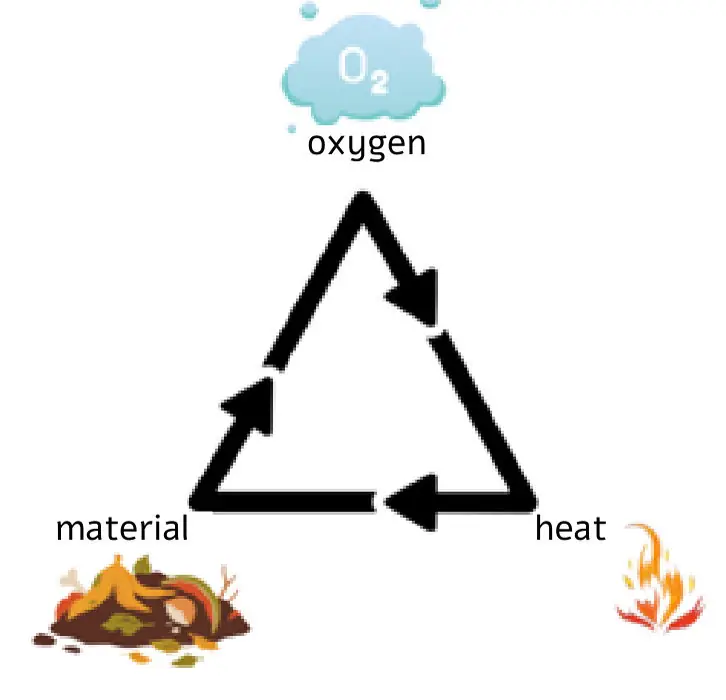
flames.
This method has failed repeatedly. By contrast, the Samaria and Judea Environmental Unions propose removing thematerial— the waste—to a regulated site. To achieve real change, the “removal, not covering” model must stand on four pillars:
· elimination of financial incentives for illegal activity; · creation of a legal framework for removal; · implementation of strict enforcement; · funding based on the polluter pays principle.
Using these principles, three alternative models were evaluated, differing in the degree of Israeli operational involvement and the scope of cooperation required with local Palestinian civil entities (not the Palestinian Authority). Each alternative offers an immediate solution for current burning sites by removing the waste, and provides a regulated alternative for the medium term.
Alternative 1: Transfer of Responsibility to Palestinian Local Authorities
Israel builds the infrastructure and supervises it, but responsibility for waste removal is gradually transferred to Palestinian local authorities until they assume full operational control.
Alternative 2: Civil-Operational Mechanism Under Israeli Management, with Partial Cooperation from Palestinian Local Authorities
Israel manages the construction of infrastructure and transfer stations; Palestinian local authorities transport waste to the transfer stations; Israel funds and supervises transport from the transfer stations to end-treatment sites.
Alternative 3: Direct Israeli Management
Israel assumes full responsibility for waste collection, removal, and end-treatment, without reliance on Palestinian authorities.
Any program seeking to create meaningful change in the treatment of Palestinian waste must meet two basic requirements: creating viable solutions for waste, and concentrating effort on enforcement. One without the other is impossible: without an end-treatment solution, the incentive to dump waste will remain too high; conversely, without effective enforcement, much of the waste will be directed to the cheapest end-treatment option—dumping and burning. Underlying Criteria for the Alternatives
- 1. The situation cannot remain unchanged due to the health dangers and associated damage.
- 2. The alternative must be feasible in the short and medium term (a horizon of six years).
- 3. Israel must be involved (at least) in supervising the implementation of the plan.
To meet these criteria, all alternatives include:
- 1. Enforcement: significant upgrading of the environmentalenforcement system in Judea and Samaria;
- 2. Infrastructure: establishment of transfer stations for Palestinian waste near population centers;
- 3. Removal: responsibility for transporting waste from transfer stations to end-treatment facilities;
- 4. Treatment: disposal of waste at a regulated end-treatment site (Israeli or Palestinian).
The cost estimates presented below rely on preliminary data published in the “Cross-Border Pollution” report by Green Now (2024),73 specifically the chapter on economic aspects.
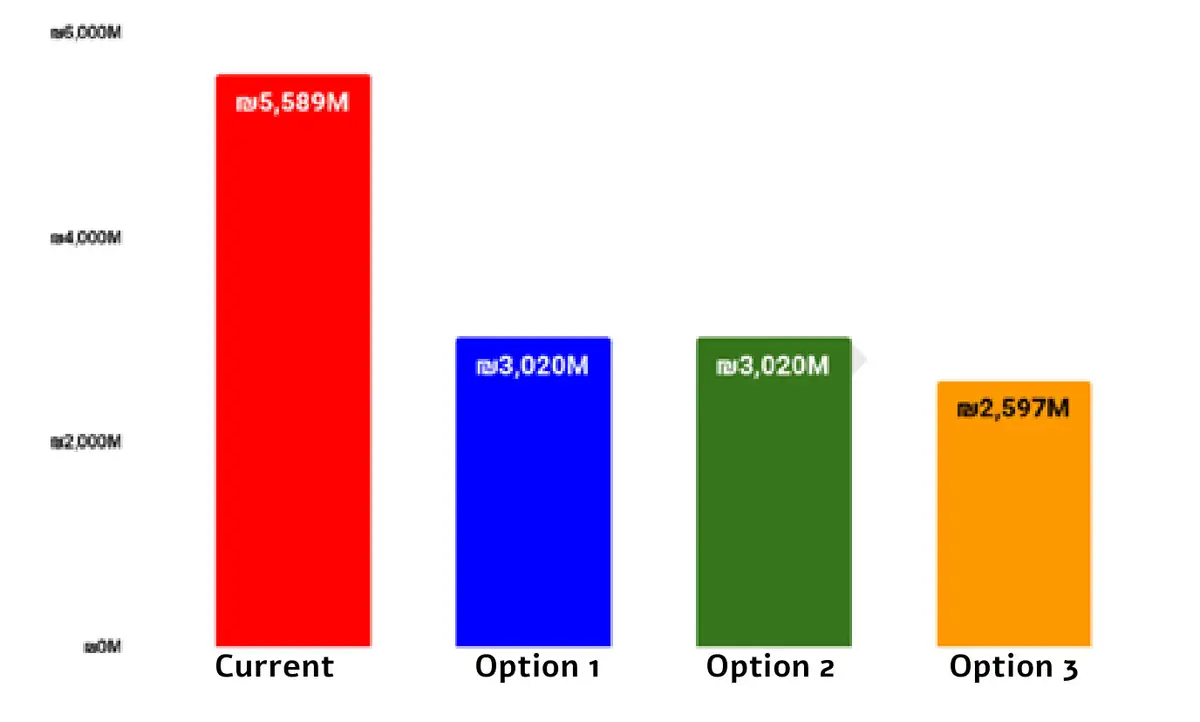
The data in the above diagram make clear that leaving the situation unchanged will cause severe economic harm to the State of Israel, and that every alternative is far superior to the continuation of the current situation. Yet environmental organizations and professional bodies struggle to persuade the state to acknowledge this fact. The trivial reason for leaving the situation as is lies in inertia and reluctance to change.However, there is also an immediate economic justification for change: in the short term, the worst solution is also the cheapest, as the following diagram illustrates.
To understand the return on investment, the two diagrams must be considered together:If the State of Israel assumes full responsibility, it will dramatically reduce the damage caused. Conversely, if no change is made, the immediate cash outlay will be small, but the direct and indirect long-term damage—medium and long-term—will be extremely heavy.
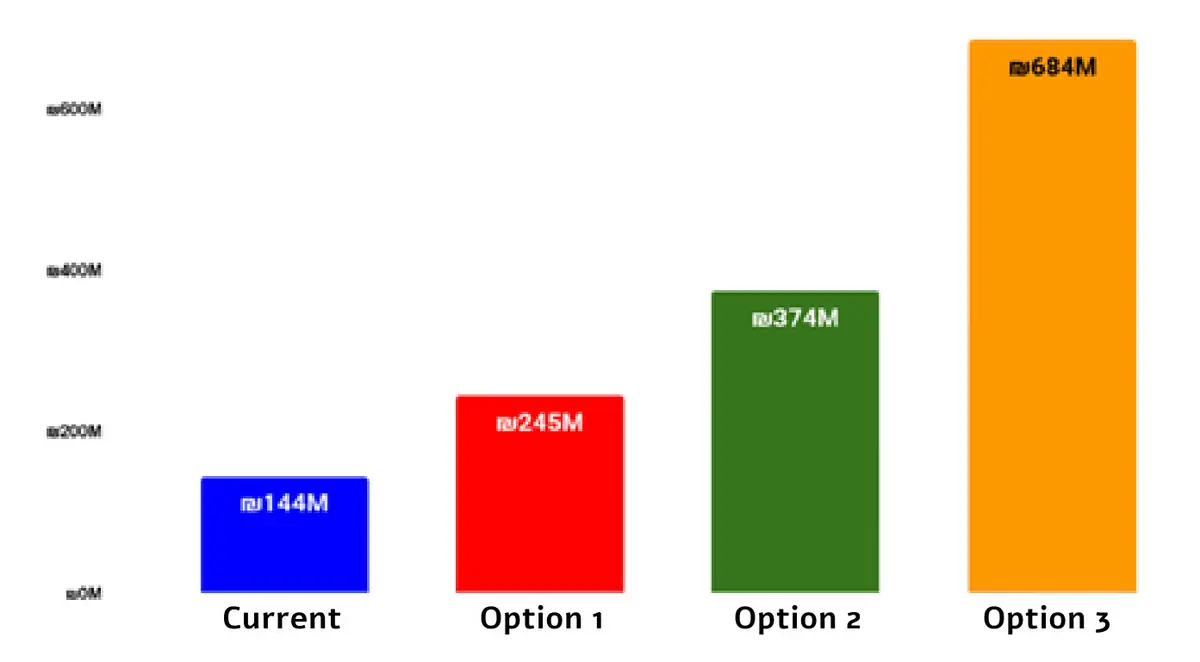
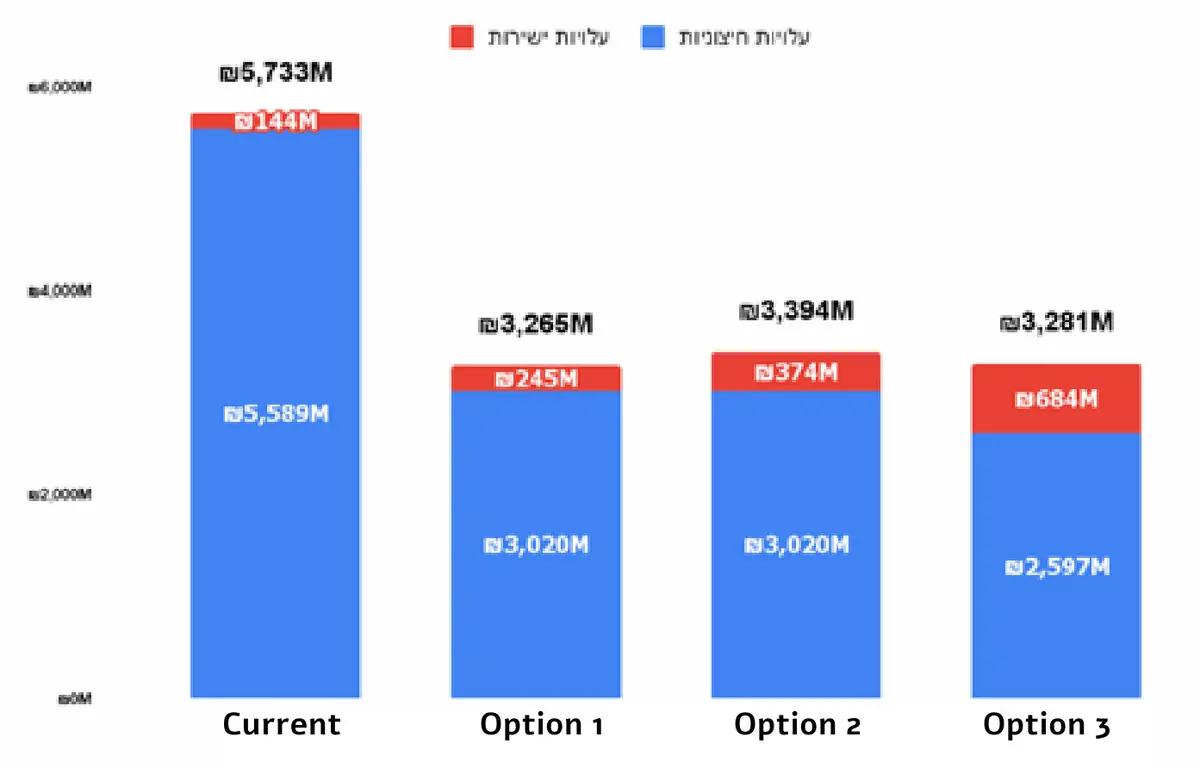
Analysis and Recommendations
| Alternative 1 | Alternative 2 | Alternative 3 | |
|---|---|---|---|
| External Costs | ₪3,020M | ₪3,020M | ₪2,597M |
| Direct Costs | ₪245M | ₪374M | ₪684M |
| Palestinian Offset/Payment | -₪187M | -₪84M | -₪60M |
| Total Costs | ₪3,078M | ₪3,311M | ₪3,222M |
| Weighted Score | 3 | 0 | 1 |
Comparison of Parameters Across the Alternatives Over Six Years (2025 Values)
Weighing the economic data presented shows that the most costeffective model is Alternative 1: the gradual transfer of responsibility to Palestinian local authorities. See Appendix 1 for practical details of the model and additional economic data.
This alternative offers several important advantages:
- 1. “Polluter pays” – This model gradually transfers to the Palestinians responsibility for the full cost and treatment of the domestic-waste stream.
- 2. Shifting the financial incentive toward regulated removal – The profits expected for Palestinian operators engaged in waste treatment create a positive incentive for regulated waste disposal.
- 3. Reduced risk of sabotage to the waste-removal program.
- 4. For the State of Israel, this model requires a shorter intervention period than the other models (three to four years).
- 5. Reduction in the ongoing expenditure borne by the State of Israel.
The primary disadvantage of this alternative is the need to rely on Palestinian local authorities; its success depends largely on the ability to separate these local bodies from the Palestinian Authority. The second most advantageous alternative is full Israeli responsibility,
and from a purely environmental standpoint it is superior to every other option. However, it faces significant security challenges, since Israel would be required to operate an Israeli civil mechanism inside Palestinian towns and villages.Nevertheless, it is the alternative that must be adopted if the first alternative fails.(See detailed discussion of Alternative 1 in Appendix 1.)
“Removal, not covering” is a feasible paradigm shift for addressing Palestinian waste-burning in Judea and Samaria—saving billions of shekels for the Israeli economy and thousands of lives. This model combines firm enforcement, the establishment of appropriate infrastructure for the removal and treatment of Palestinian waste, and gradual cooperation with Palestinian local authorities. The current circumstances present a rare opportunity to lead a change that will make a significant contribution to health, the environment, and the economy.
Appendix 1: Removal, Not Covering
Pages 175–181
This appendix complements Chapter Nine by presenting the general principles of the preferred alternative—Israeli overall responsibility combined with responsibility for Palestinian local authorities within their jurisdictions—in numerical and practical terms. However, in order to translate the work presented below into actionable implementation, a full and detailed program must be drafted. That task requires substantial further work, which is beyond the scope of this appendix.
Practical Schematic
Enforcement Any attempt to address the waste problem in Judea and Samaria without enforcement will fail. The Ministry of Environmental Protection is advancing a government decision proposal for addressing waste hazards in Judea and Samaria, including extensive budgeting for various units and bodies responsible for enforcement in the area and for preventing the spillover of Israeli waste into “the backyard”—namely, Judea and Samaria.
The details of this proposal have not yet been published, and therefore cannot be presented here. But with respect to enforcement budgets—so long as the proposal is not altered—it represents a meaningful step forward.
The following bodies currently operate in Judea and Samaria and hold legal enforcement authority in the environmental domain: · Environmental Quality Officer, Civil Administration)
· The “David” Unit · Civil Administration Supervision Unit · Israel Police In addition, the following actors operate in Judea and Samaria and may assist with monitoring but do not have enforcement powers (unless legislative amendments are introduced):
· Environmental Union of Samaria (A.A.L.A.S.) and Environmental Union of Judea (reinforcement of inspection capacity is recommended)
· Land Department inspectors in local authorities · Civil society organizations working in environmental protection, land protection, and open-space conservation
Waste Removal
The waste-removal system consists of two or three stages:
- 1. Collection of domestic waste and its transfer to a transfer station
- 2. Transport from the transfer station to a landfill or sorting facility
- 3. If transported to a sorting facility:
- Sale of recyclable components
- Transfer of residuals to a final-disposal solution—currently only landfills.The Ministry of Environmental Protection is advancing initiatives for waste-to-energy plants, but this issue remains at the center of intense public debate, and such infrastructure does not yet exist anywhere in Israel.
Practical Removal – Based on the “Removal, Not Covering” Program of the Environmental Unions of Samaria and Judea
1. Identification and construction of regional transfer stations
near Palestinian cities and villages —responsibility of the State of Israel.
2. Collection of waste in urban and rural Palestinian areas and
transport to the transfer station —responsibility of Palestinian local authorities.
3. Transport from the transfer stations to the final-disposal site
— carried out by Palestinian contractors under Israeli supervision and with gradually decreasing Israeli funding (see “Financing” below): i) Transport to Palestinian landfills will require upgrading these sites to Israeli standards, including capacity for practical oversight.
ii) Transport to sorting facilities — currently only one such facility exists in Judea and Samaria (Yuniverb, Emmanuel). Removal to such sites requires establishing additional sorting plants, Israeli or Palestinian. These facilities would need to sign formal contracts with a landfill meeting Israeli regulatory standards.
4. Existing unregulated waste sites — waste must be removed or the sites rehabilitated according to a detailed plan and based on a risk-prioritization matrix for human and environmental impact (see “Financing: Treatment of Violations”).
Financing
Cost of Enforcement
· To be funded through budgets allocated to the relevant government ministries, according to recommendations of the inter-ministerial team.
· It is recommended to also budget inspectors within the Environmental Unions of Samaria and Judea—these are among the most active local bodies in waste treatment in the region.
Investment in Infrastructure, Removal of Burning Waste, and Transport to Final-Disposal Sites
· Cleanliness Fund — will bear the cost of transporting waste until this responsibility is transferred to Palestinian local authorities.
· It is recommended that the cost be divided between the Judea and Samaria Cleanliness Fund and the Israel Cleanliness Fund, as the environmental impact is felt on both sides of the Green Line. Proposed split: 50:50.
Landfill Costs
· Palestinian local authorities, in accordance with the “polluter pays” principle.
Palestinian Local Authorities — Gradual Cost Burden
For real change to occur, an unsustainable blame-based model (the current one) must be replaced with a model of accountability, which is essential for the stability of the waste-management system. This means transferring financial responsibility for waste-treatment costs to the Palestinian local authorities whose waste is being generated.
However, for this transition to succeed, implementation must be gradual. Immediate transfer may be justified in principle but is entirely unrealistic. In Chapter Nine, the transition was defined as a six-year process, divided into two phases:
Phase One, Three Years (2026–2028): Israel funds a decreasing share of Palestinian waste-removal costs.
Phase Two, Three Years (2029–2031): Palestinian local authorities fund waste removal originating in their jurisdictions.
Below are the tables presenting projected costs for these phases, as well as graphs illustrating the distribution of expenditures by funding body.
Phase One — Costs by Category:
| Office Budget | Cleanup Fund | PA Local Authorities | |||
|---|---|---|---|---|---|
| 8 2 0 2 - 6 2 0 2 | Enforcement | Crime Fighting | Disposal | Infrastructure | Landfill |
| NIS 65M | NIS 6M | NIS 113M | NIS 9M | NIS 61M |
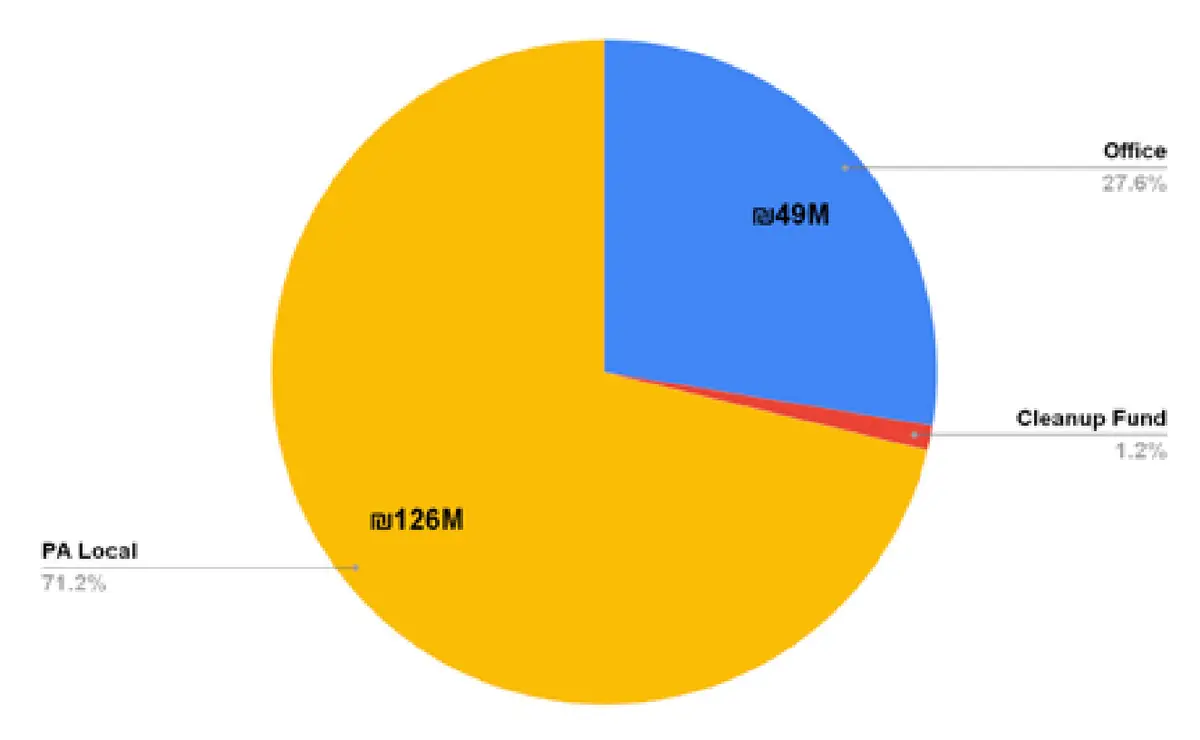
Phase Two — Costs by Category:
| Office Budget | Cleanup Fund | PA Local Authorities | |||
|---|---|---|---|---|---|
| 1 3 0 2 - 9 2 0 2 | Enforcement | Crime Fighting | Disposal | Infrastructure | Landfill |
| NIS 49M | NIS 2M | NIS 0M | NIS 0M | NIS 126M |
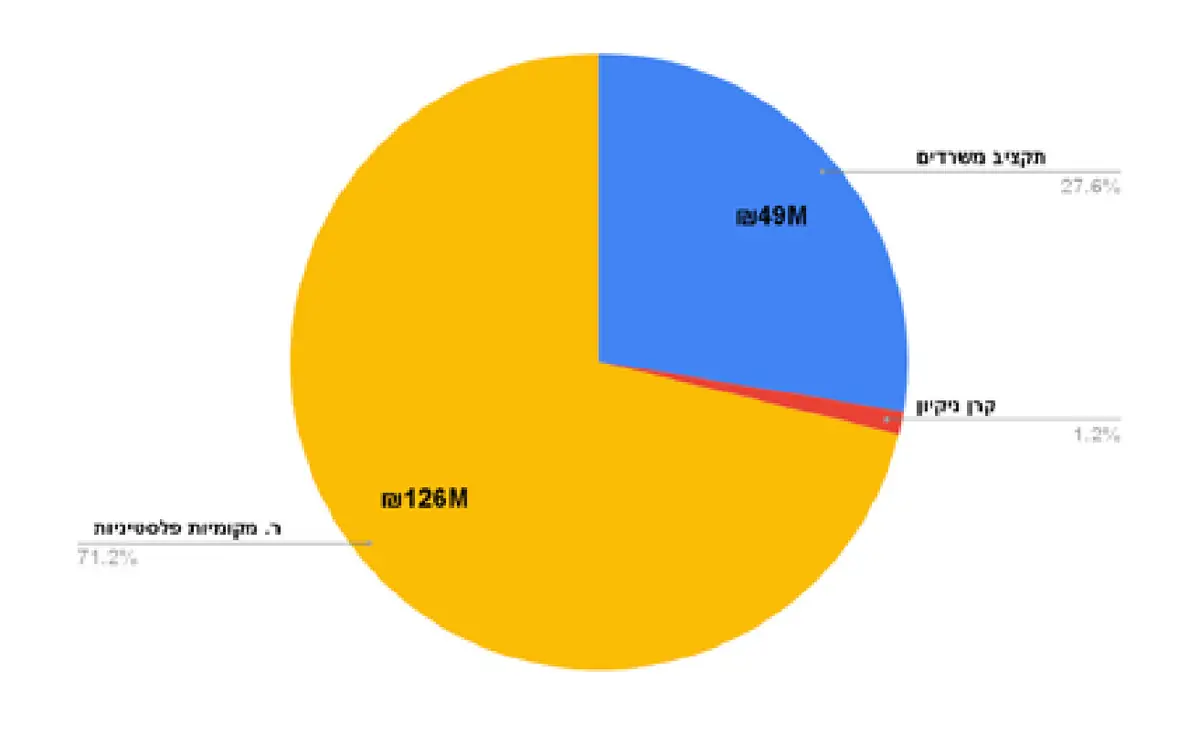
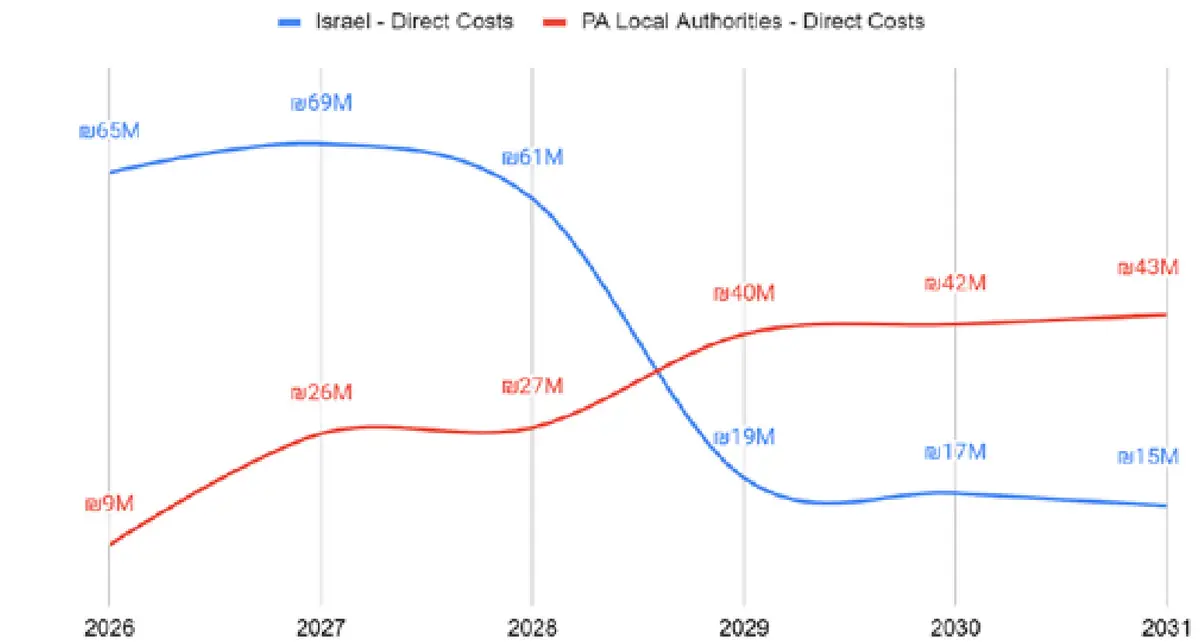
“Removal, Not Covering – The impact of implementing the program on reducing external costs (State of Israel)”
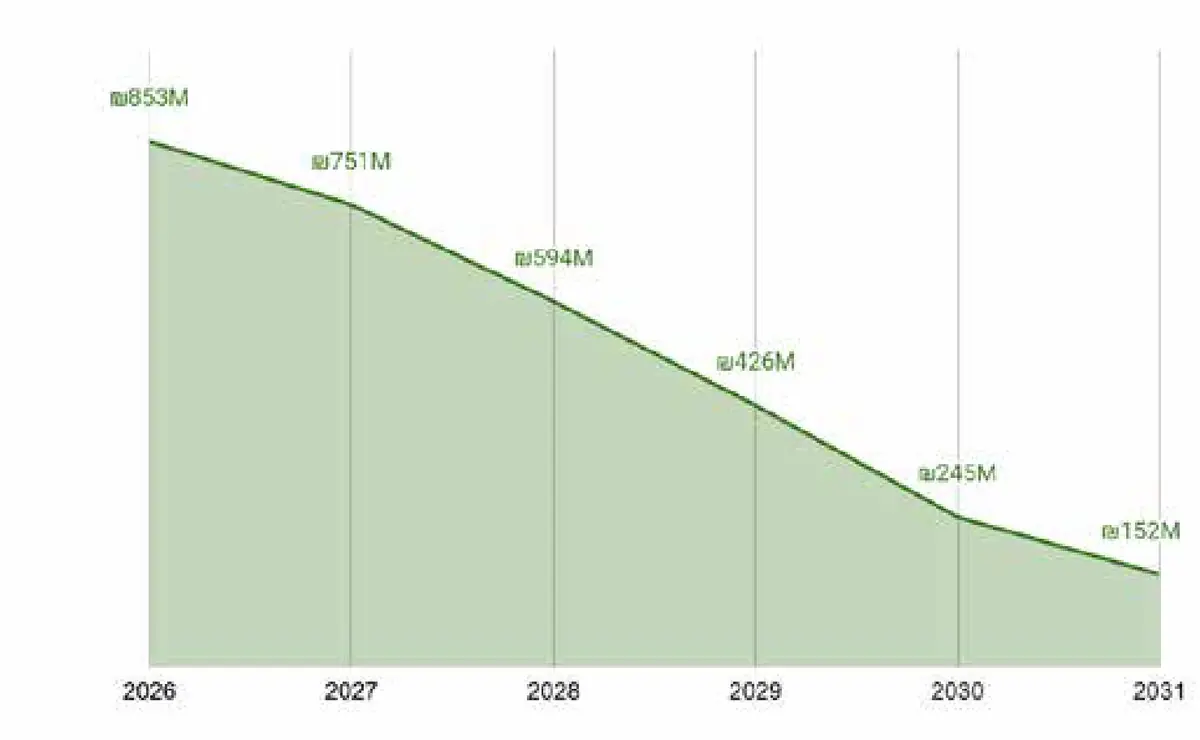
Removing, not covering: Six Year Budget (State of Israel)
| Year | Enforcement | Crime Fighting | Disposal | Infrastructure | Total Annual Budget |
|---|---|---|---|---|---|
| 2026 | ₪23M | ₪2M | ₪37M | ₪3M | ₪65M |
| 2027 | ₪22M | ₪2M | ₪38M | ₪7M | ₪69M |
| 2028 | ₪20M | ₪2M | ₪39M | ₪0M | ₪61M |
| 2029 | ₪18M | ₪1M | ₪0M | ₪0M | ₪19M |
| 2030 | ₪16M | ₪1M | ₪0M | ₪0M | ₪17M |
| 2031 | ₪15M | ₪0M | ₪0M | ₪0M | ₪15M |
| Subtotal | ₪114M | ₪8M | ₪113M | ₪9M | ₪245M |
Note: This table presents only State of Israel direct expenditures. PA Local Authority costs (landfill fees) totaling ₪187M over six years are detailed in the Phase tables above.
Appendix 2: Environment and the Developing World
Pages 182–200
Introduction
In Chapter Two of this report—Developing-World Syndrome—we argued that although the Palestinian Authority has cultural and geopolitical characteristics that distinguish it from other developing entities, in essence it is not unique at all. Rather, it belongs squarely to the broad family of developing-world countries and administrations, which share similar structural governance problems across numerous fields.
To deepen and substantiate this claim, the following review examines the “pyramid of environmental-interest structures” introduced in Chapter Two, as reflected in three selected reference countries.
The Dynamics of Environmental Issues in Developing Countries: A Comparative Examination of State– Public Relations in Jordan, Ghana, and Sri Lanka
Introduction: An Analytical Framework for Environmental Dynamics in Developing States
Developing countries face severe environmental challenges that are accelerated by factors such as population growth, unplanned urban expansion, and continued dependence on traditional economic sectors—especially agriculture and industry—that generate pollution and deplete natural resources.1 For example, Jordan’s acute water scarcity is worsened by rapid population growth and refugee inflows.2Accra, Ghana, produces more than 3,000 tons of waste per day—a burden the municipal system cannot absorb, leading to flooding and serious public-health hazards.1 In Sri Lanka, intensifying exploitation of natural resources, deforestation, and urban pollution threaten the stability of key ecological systems.3
This appendix focuses on similarities across developing states, using Jordan, Ghana, and Sri Lanka as reference cases. The analytical framework examines interactions among four principal actors: the public, local authorities, central government, and international stakeholders. The objective is to demonstrate recurring patterns in environmental governance and environmental failure, even as ecological conditions differ greatly from state to state.
A central concept examined here is “environmental cynicism,” known in academic literature as greenwashing. It refers to the systemic gap between official declarations of environmental commitment (e.g., advanced legislation, donor engagement) and the actual practices of negligence, mismanagement, corruption, or indifference. This gap typically serves political or personal interests and thereby entrenches environmental problems rather than resolving them. This appendix analyzes how such mechanisms operate in each of the three countries and demonstrates that environmental cynicism is not an incidental failure but a systemic mode of operation.
Chapter 1: The Public Voice — The Complex Dynamics of Public Perception
Effective management of environmental crises depends heavily on public awareness, the willingness of citizens to assume responsibility, and the pressure they apply on decision-makers. Examining public perceptions in the three reference countries reveals complex patterns: the problem is not simple “indifference,” but rather a profound gap between personal recognition of environmental harms and the absence of collective responsibility.
1.1 Jordan: A Sharp Knowledge Gap Amid Widespread Recognition of Personal Harm
Survey data from Jordan present a paradox. According to an EIB climate survey, 81% of Jordanians feel that climate change already affects their daily lives, and 55% claim it has harmed their income or livelihood.10 These figures reflect a public that clearly recognizes the existential and economic consequences of environmental degradation. Yet a local NAMA survey revealed an astonishing finding: 46% of Jordanians had never heard the term “climate change.”11
The significant discrepancy between these surveys highlights that while Jordanians feel the tangible impacts of environmental stress—such as acute drought and extreme weather—they lack the conceptual framework and vocabulary necessary to understand the root causes or to demand targeted policy responses.
This gap creates reliance on government and international actors: Only 6% of respondents attribute primary responsibility for solving environmental problems to individuals, while 37% assign it to the government and 17% to international organizations.11 The Jordanian public is not apathetic—it simply lacks the tools to translate personal vulnerability into effective civic action. Consequently, personal recognition of harm does not translate into personal responsibility, reducing public pressure on the central government to implement effective environmental policy.
1.2 Ghana: Public Willingness to Act, Frustration with Government Inaction
In Ghana, public perception takes a different shape. Afrobarometer data show that 60% of Ghanaians who are aware of climate change believe it is making their lives worse.12 The public considers itself a partner in addressing the problem: 42% believe citizens hold primary responsibility; 43% place responsibility on the government.12 Further, 77% believe citizens can help curb climate change, and 87% argue that the government must take immediate action—even at the expense of economic growth or job loss.12 At the same time, 53% rate government performance on climate issues as “fairly bad” or “very bad.”12 This reflects a readiness to cooperate paired with deep frustration and mistrust. A negative feedback loop emerges: citizens wait for governmental action, while the government justifies its inactivity by claiming insufficient public support. The result is policy paralysis.
1.3 Sri Lanka: A Struggle Between Economic Crisis and Environmental Priorities
In Sri Lanka, public attitudes toward environmental issues are shaped by the country’s severe economic crisis. A 2024 survey found that although 80% of voters consider a political party’s climate position influential, economic and social issues still dominate priorities.13
Climate change has become a direct economic threat: The World Bank estimates average annual losses from flooding at about USD 800 million—roughly 1% of national GDP.14
Public awareness of environmental problems is high, but understanding of policy solutions is inconsistent. Renewableenergy initiatives receive broad public recognition, but concepts such as “environmental justice” or “international environmental partnerships” remain unclear to most citizens.13 Additionally, 65% of survey participants report encountering misinformation, making the public highly vulnerable to populist political messaging that prioritizes short-term economic fixes over long-term sustainability. Sri Lankans thus face a difficult choice: addressing immediate survivallevel economic issues versus engaging with long-term environmental challenges. This trade-off constitutes a significant barrier to effective environmental action.
Cross-Country Comparison Environmental Issues of Public Perceptions
on
| Public Perception Dimension | Jordan | Ghana | Sri Lanka |
|---|---|---|---|
| General Awareness | Low awareness of the term “climate change” (46% never heard of it)11 | Medium–high awareness12 | High but inconsistent13 |
| Recognition of Personal Impact | Very high (81% feel that environmental issues affect their lives; 55% report economic harm)10 | High (60% feel life is getting worse due to climate change)12 | High (direct economic losses from disasters)14 |
| Perception of Responsibility | Mainly attributed to the government (37%) and international organizations (17%); only 6% attributed to citizens11 | Responsibility split almost equally between government (43%) and citizens (42%)12 | Influenced by economic priorities13 |
| Motivation for Action | Very low; awareness does not translate into personal action11 | High, but dependent on government action12 | Dependent on local economic solutions13 |
| Impact of Economic Conditions | Direct (55% report harm to income)10 | Direct (linked to government performance)12 | Decisive (economic issues override environmental concerns)13 |
Chapter 2: Local Authorities — Caught Between Scylla and Charybdis
Local government is the front line of environmental management, particularly in the areas of waste collection and sanitation. In Jordan, Ghana, and Sri Lanka, the performance of local authorities reveals a consistent pattern of failure rooted in three core problems: insufficient financial capacity, lack of political will, and lack of accountability.
2.1 Jordan: A Fragmented System Built on Unsustainable Financing
Jordan’s solid-waste system is divided among multiple entities— primarily the Ministry of Local Administration (MOLA) and the Ministry of Environment (MoEnv).15 This division produces bureaucratic complexity: MOLA is responsible for planning and investing in infrastructure, while MoEnv is responsible for policy and regulation. In practice, performance is weak. According to a 2012 report, Jordan lacked a national strategy for waste management, and local authorities lacked modern infrastructure and adequate budgets. As a result, most waste was disposed of through uncontrolled dumping.16
The absence of a national strategy and sustainable funding creates chaos masked by bureaucratic complexity. Overlapping and contradictory legal frameworks—found at both local and national levels2—create diffuse responsibility: each institution can shift accountability to another. Large infrastructure projects, such as the al-Ghabawi landfill or the Rusayfa biomethanation75 facility, have been financed almost entirely by international bodies, including the World Bank, UNDP, and the Danish government.16 This reliance demonstrates not only the incapacity of local authorities but likely also their disinterest in bearing financial responsibility themselves. The result is the appearance of institutional activity, while the core structural failures remain unaddressed.
2.2 Ghana: Rapid Urbanization Meets Weak Enforcement
In Ghana, the waste crisis stems largely from rapid urbanization and population growth, especially in Accra, which generates more than 3,000 tons of waste per day.1 However, the waste-management system cannot keep up. Approximately 600 tons of waste remain uncollected in Accra every day. They block drainage systems, causing seasonal floods and outbreaks of disease.4
The failures are not merely technical or financial. Reports highlight “lack of political will” among local authorities to enforce by-laws and sanitation regulations.4 A major example is the Kpong landfill. Designed for a 25-year lifespan, it reached capacity in only three years due to mismanagement and disposal volumes six times higher than its design capacity.5
These failures, compounded by limited public awareness, perpetuate a culture of neglect. Local authorities are caught between pressure to expand and develop and their inability—and unwillingness—to manage the consequences sustainably.
2.3 Sri Lanka: The Tragedy of Meethotamulla — A Peak of Local Negligence
The collapse of the Meethotamulla garbage mountain in 2017 represents the most extreme example of local-government failure. The disaster, which killed 32 people, resulted from decades of dumping waste on natural marshland.3 A post-disaster investigation found that the Colombo Municipal Council (CMC) bore full responsibility: despite a 2009 court order prohibiting further dumping, the municipality continued to dispose of waste at the site.19
The disaster was entirely predictable. Residents had complained for years about stench, flooding, and structural instability.20 The failure was not due to lack of expertise but to lack of will and total enforcement paralysis. The fact that the municipal commissioner dismissed for negligence was later reinstated demonstrates the near-total absence of accountability.20 Meethotamulla stands as a symbol of systemic local-level negligence, showing that even detailed regulations and court rulings cannot prevent disaster when authorities simply ignore them.
Chapter 3: Central Government — Institutional Apathy?
The logic “if the public doesn’t care, why should we?” is often a superficial justification for central governments deprioritizing environmental issues. Central authorities often present a façade of activity—legislation, regulations, strategic plans—while in practice failing to confront core environmental challenges.
3.1 Jordan: Complex Legislation That Fails to Match Reality
Jordan has invested heavily in developing legal and institutional frameworks for environmental management. The state has signed numerous international agreements and introduced laws such as the Environmental Protection Law and the National Green Growth Plan.2 However, studies show contradictions and overlaps among the various laws, which complicate enforcement and allow significant procedural delays.2The central government often exploits this complexity to present an image of environmental modernity while avoiding meaningful enforcement—especially where powerful sectors, such as mining, are concerned.17 Thus, while Jordan appears outwardly committed to environmental progress, weak monitoring and enforcement systems reveal deliberate institutional apathy hidden behind administrative complexity.
3.2 Ghana: Strong Regulatory Structures, Weak Enforcement
Ghana has a well-developed institutional and legal structure for environmental protection.The Environmental Protection Agency (EPA) was established in 1994, and a new Environmental Protection Authority was later created to consolidate regulatory frameworks.23 Despite these structures, enforcement remains weak. Illegal gold mining (galamsey) and sand extraction continue unchecked due to “economic incentives and ineffective enforcement mechanisms.”25 Internal contradictions—overlapping mandates among different agencies—further paralyze meaningful enforcement.26 Thus, although Ghana’s central government has built an impressive regulatory structure, internal politics, corruption, and weak enforcement capacity prevent it from addressing environmental problems at their roots.
3.3 Sri Lanka: A Gap Between Advanced Legislation and Institutional Negligence
Sri Lanka has had advanced environmental legislation since 1980.27
Detailed regulations govern waste management, water pollution, air emissions, and even bans on specific types of plastic.27 Yet the Meethotamulla disaster exposed a dramatic gap between legislation and implementation. A state audit found that the Colombo Municipal Council continued to dump waste at the site for eight years in direct violation of a court order.19
The failure was not a matter of insufficient legal tools but of institutional refusal to enforce them. The central government’s unwillingness—or inability—to compel local authorities to comply with environmental law illustrates systemic governance failure. Sri Lanka’s case exemplifies a recurring pattern in developing states: the central government creates formal environmental frameworks to signal international commitment but avoids the politically costly task of enforcing them.
Chapter 4: Environmental Cynicism — The Misuse of International Aid and Political Rhetoric
The most explicit form of environmental cynicism is the diversion of international funds—nominally designated for environmental purposes—to political or personal use.Analysis of the cases of Jordan, Ghana, and Sri Lanka shows how this mechanism operates both directly and indirectly, undermining genuine efforts to address environmental crises.
4.1 Jordan: Converting Political and Economic Resources into Personal Assets
The ICIJ “Pandora Papers” investigation revealed that King Abdullah II had purchased 14 luxury properties, valued at more than USD 106 million, through offshore companies.7 These acquisitions took place while Jordan—one of the poorest countries in the region and suffering from acute water scarcity—was critically dependent on foreign aid. In 2020 alone, the United States provided more than USD 1.5 billion in assistance to Jordan, and the European Union contributed over USD 218 million to help the country cope with the COVID-19 crisis.7 Royal advisers claimed the purchases were legal and financed privately, yet analysts noted that the revelations could “anger Western donors.”7
This case exemplifies environmental cynicism in a broad sense: while the country publicly portrays itself as a climate and economic victim in need of aid, its highest political elite uses global financial structures to conceal private wealth. The cynicism operates on two levels: toward the Jordanian public, which suffers from chronic resource shortages and widespread corruption, and toward the international community, which provides generous support under the assumption that funds are directed toward development and sustainability. Further evidence appears in USAID audit reports on Jordan’s watersector assistance program, which documented dramatic budgetary reallocations and the absence of performance-management systems to monitor goals.30
4.2 Ghana: Political Corruption at the Heart of Environmental Policy
In Ghana, the scandal involving former Minister of Sanitation and Water Resources, Cecilia Dapaah, is a direct illustration of environmental cynicism.9 The minister—responsible for leading government efforts to address the country’s severe waste-management and sanitation crises1—was investigated after millions of dollars and euros in cash were found in her home.9
This case highlights the proximity between political rhetoric on environmental responsibility and entrenched corruption that prevents real progress.The minister, charged with managing a chronically underfunded sector, had amassed significant personal wealth.9
Corruption turns systemic environmental failure into a profitable enterprise for political elites. Dysfunction in the waste-management system is not incidental; it creates fertile ground for exploiting public and international funds. This dynamic weakens institutions and prevents effective service provision.8 A vicious cycle emerges: inaction exacerbates environmental degradation, which creates a need for aid, and increased aid creates more opportunities for corruption - which deepens environmental degradation.
4.3 Sri Lanka: Mismanagement of Climate Funds and Corporate Corruption
Sri Lanka exhibits similar patterns of environmental cynicism rooted in mismanagement of climate finance and corruption in the allocation of environmental projects.
A 2021 audit of the Sri Lanka Climate Fund (SLCF) revealed serious failures, including financial statements submitted 20 months late, limited oversight of audit processes, and failure to list key assets.31 These deficiencies reduce transparency and hinder oversight of the fund, which manages projects and financing from international bodies such as the Global Environment Facility (GEF) and UNDP.32 Other reports point to direct corruption: contracts for renewableenergy projects were flagged for “inflated costs and questionable procurement practices.”33 GEF reviews of UNDP-implemented projects in Sri Lanka also noted the need to “ensure full implementation of minimum financial-management standards.”34 These findings indicate that governance failures extend beyond domestic institutions and influence how international organizations administer projects in the country.
| Exploitation of Environmental Funds and Resources: Notable Cases | Jordan | Ghana | Sri Lanka |
|---|---|---|---|
| Actor or Mechanism Involved | King Abdullah II and his advisors7 | Cecilia Dapaah, former Minister of Sanitation9 | Sri Lanka Climate Fund and officials responsible for awarding contracts31 |
| Nature of the Case | Purchase of luxury properties worth more than $106 million through shell companies during a period of heavy dependence on foreign aid7 | Discovery of millions of dollars in cash in her home amid persistent failures in her ministry9 | Mismanagement of a government climate fund (20-month delay in submitting financial reports); corruption in awarding renewable- energy contracts31 |
| Implications and Context | Undermines the state’s legitimacy as a “victim” of the climate crisis and erodes Western donor confidence7 | Creates a vicious cycle of corruption, governmental dysfunction, and loss of public trust9 | Generates lack of transparency, weakens the state’s ability to meet environmental targets, and delays critical projects31 |
Summing up: The Same, But Different
This appendix has demonstrated that the environmental challenges faced by Jordan, Ghana, and Sri Lanka do not stem solely from limited public awareness or insufficient resources, but from a chain of interlocking systemic failures that reinforce one another. Public indifference is largely illusory: it arises not from genuine apathy but from lack of knowledge, frustration, and immediate existential pressures. Local authorities and central governments present an image of commitment through legislation and institutional frameworks, yet these are often hollow—poorly implemented, weakly enforced, and frequently undermined by a lack of political will.2
The culmination of this pattern is environmental cynicism: a system in which political elites exploit the appearance of environmental concern, and the influx of international aid accompanying it, for personal or political gain. In doing so, they entrench dysfunction and weaken public institutions.7
In essence, the situation within the Palestinian Authority is not fundamentally different.The “Smokescreen” behind which every developing state conceals its structural failures—its language, its narratives, its justificatory rhetoric—will always vary. Each develops and deploys the arguments most suitable to its strategic interests. In the Palestinian case, this rhetorical canopy is, of course, the Israeli–Palestinian conflict. As the report has shown, it is a remarkably thick and effective blanket: the Palestinians are global record-holders in foreign aid per capita. Yet beneath this blanket lies an entity of a highly recognizable type—far from unique—and exposing its underlying nature is essential if the environmental problems are ever to be addressed in earnest.
The assumption that Palestinian sovereignty would, in and of itself, produce a breakthrough in environmental governance is naïve at best—politically motivated or openly cynical at worst. In any case, it ignores both the empirical record—the Palestinian Authority’s de facto conduct in handling environmental matters— and the broader perspective: the PA’s unmistakable position within the constellation of developing-world governance patterns. Repetition of the claim that the Israeli–Palestinian conflict is the primary, if not sole, cause of the PA’s environmental failures does not make the claim true. Worse still, such repetition suppresses any serious discussion of real solutions, for it refuses to confront Palestinian environmental culture and disregards entirely the broader context of environmental governance in the developing world.
1. "Ghana's Battle with Municipal Solid Waste: Challenges and Solutions": https://nexusbiofuel.com/blog/ghana-s-battle-with-municipal-solid-waste--challenges-and-solutions
2. "The Legal Framework for Environmental Protection in the Hashemite Kingdom of Jordan": https://ccsenet.org/journal/index.php/jpl/article/download/39769/22056
3. "Decades to Accumulate Seconds to fall a Case Study on Meethotamulla Garbage Dump Collapse in Sri Lanka", ResearchGate: https://www.researchgate.net/publication/333692073_Decades_to_Accumulate_Seconds_to_fall_A_Case_Study_on_Meethotamulla_Garbage_Dump_Collapse_in_Sri_Lanka/fulltext/5cffba804585157d15a2777b/Decades-to-Accumulate-Seconds-to-fall-A-Case-Study-on-Meethotamulla-Garbage-Dump-Collapse-in-Sri-Lanka.pdf
4. "Waste Management Challenge in Ghana Projects for Good": https://www.ube.ac.uk/wp-content/uploads/2020/07/Kwasi-Appiah-Asamoah.pdf
5. "Ghana's Waste Management Crisis: A Growing Threat to Public Health and Environment": https://ghscientific.com/ghanas-waste-management-crisis-a-growing-threat-to-public-health-and-environment/
6. State of the Environment Report, Sri Lanka, |RRC.AP: https://www.rrcap.ait.ac.th/Publications/State%20of%20the%20Environment%20report,%20Sri%20Lanka.pdf
7. "While Foreign Aid Poured in, Jordan's King Abdullah funnelled $100 ...": https://www.icij.org/investigations/pandora-papers/jordan-king-abdullah-luxury-property/
8. "Beyond Reaction: A Systematic Approach to Combating Corruption and Mismanagement in Ghana": https://www.modernghana.com/news/1389599/beyond-reaction-a-systematic-approach-to-combatin.html
9. "DATA STORIES: Corruption in Ghana: The Cecilia Dapaah Case", BridgeGap: https://corruptiondata.eu/corruption-in-ghana-the-cecilia-dapaah-case/
10. "EIB Climate Survey: 81% of Jordanian Respondents Say Climate ...": https://www.eib.org/en/press/all/2023-008-81-of-jordanian-respondents-say-climate-change-is-already-affecting-their-everyday-life
11. "Survey Gauges 'Jordanians' Knowledge, Attitudes, Behaviour' on ...": https://jordantimes.com/news/local/survey-gauges-%E2%80%98jordanians%E2%80%99-knowledge-attitudes-behaviour%E2%80%99-climate-change
12. "Ghanaians Say Climate Change is Making Life Worse, Needs Urgent ...": https://www.afrobarometer.org/articles/ghanaians-say-climate-change-is-making-life-worse-needs-urgent-action-by-government-and-citizens/
13. "Sri Lanka's 2024 Elections: Voters Demand Clear Climate Policies Amid Rising Misinformation and Economic Concerns says CFC Survey": https://climatefactchecks.org/sri-lankas-2024-elections-voters-demand-clear-climate-policies-amid-rising-misinformation-and-economic-concerns-says-cfc-survey/
14. "Climate Risk Assessment in Sri Lanka's Western Province Finds Significant Financial and Political Risks Related to Climate Change", Commonwealth Secretariat: https://thecommonwealth.org/news/climate-risk-assessment-sri-lankas-western-province-finds-significant-financial-and-political
15. "Solid Waste Governance", COPMENA: https://copmena.com/solid-waste-governance/
16. "Solid Waste Management in Jordan", EcoMENA: https://www.ecomena.org/swm-jordan/
17. "The Role of the Law in Prompting Environmental Stewardship for Farms Located Near Phosphate Mines", MDPI, https://www.mdpi.com/2071-1050/16/3/1140
18. May, 2017 GEOTECHNICAL ASSESSMENT ON THE FAILURE AT MEETHOTAMULLA
WASTE FILL: https://www.nbro.gov.lk/images/2016_pdf/Final-Report-of-Meethotamulla-to-Megapolis-PDF.pdf
19. "2017 Meethotamulla Landslide", Wikipedia: https://en.wikipedia.org/wiki/2017_Meethotamulla_landslide
20. Craig MacDonald, "A Preventable Tragedy: The Meethotamulla Garbage Landslide": https://medium.com/@craig.david.macdonald/a-preventable-tragedy-the-meethotamulla-garbage-landslide-6635a9b5dd38
21. "Protect the Environment", Minister of Environment: https://moenv.gov.jo/EN/Pages/Protect_the_Environment
22. "National Environment Strategy for Jordan - A Resource Book of Information and Guidelines for Action", FAOLEX: https://www.fao.org/faolex/results/details/ar/c/LEX-FAOC145356/
23. "Highlights of Ghana's New Environmental Protection Act", Afriwise: https://www.afriwise.com/blog/highlights-of-ghanas-new-environmental-protection-act
24. "Environmental Protection Agency (Ghana)", Wikipedia: https://en.wikipedia.org/wiki/Environmental_Protection_Agency_(Ghana)
25. "Addressing Environmental Challenges: Does Ghana have Comprehensive Intervention Policies?": https://www.ghanaweb.com/GhanaHomePage/features/Addressing-Environmental-Challenges-Does-Ghana-have-comprehensive-intervention-policies-1994276
26. "Pollution / Ghana", Interactive Country Fiches: https://dicf.unepgrid.ch/ghana/pollution
27. "Acts & Regulations", Central Environmental Authority: https://www.cea.lk/web/en/acts-regulations
28. Act No. 47 of 1980, Central Environmental Authority: https://www.cea.lk/web/images/pdf/acts/act47-80.pdf
29. "Public Awareness Campaign on Plastic Waste Management Was Officially Launched": http://www.sacep.org/past-events/Public_Awareness_Campaign
30. Audit of USAID/Jordan's Design For Sustainability In Its Water Resources Program, https://oig.usaid.gov/sites/default/files/2018-06/6-278-12-002-p.pdf
31. Sri Lanka Climate Fund (Pvt.) Limited,
: https://www.parliament.lk/uploads/documents/paperspresented/1742559536001619.pdf
32. Sri Lanka Climate Fund (Pvt) Ltd., the Ministry of Environment, https://www.env.gov.lk/web/index.php/en/sri-lanka-climate-fund
33. "Corruption and Climate Change: The Silent Saboteur of Our Planet's Future", The Island.lk: https://island.lk/corruption-and-climate-change-the-silent-saboteur-of-our-planets-future/
34. Undp Third Party Review, GEF: https://www.thegef.org/sites/default/files/2021-11/EN_GEF.C.61.04_UNDP_Third_Party_Review.pdf
35. "From Sri Lanka to South Africa: How two schools adopt green practices", UNESCO: https://www.unesco.org/en/articles/sri-lanka-south-africa-how-two-schools-adopt-green-practices
For many years, the Israeli Left and Right have quarreled over environmental neglect in Judea and Samaria: Who is to blame? Is it the “occupying” State of Israel, or is this in fact “environmental terrorism” under the auspices of the Palestinian Authority? Strange as it may sound, although accusations have been plentiful, few have asked the more fundamental question: Who is actually responsible for the situation?
“The waste crisis in Judea and Samaria is not an offshoot of the Israeli–Palestinian conflict, but a clear expression of the patterns common to developing countries of which the Palestinian Authority is a part: a dysfunctional environmental culture, governance failures, and structural corruption. This problem harms the Palestinian residents first and foremost, but it also crosses borders and affects Israeli citizens and the entire ecological system.”
(from the report)
A full year of intensive fieldwork and desk research enabled us to assemble and present the report you now hold in your hands. We hope it disperses, even slightly, the dense smoke rising from the waste burning across Judea and Samaria.
“With the exception of the organization Green Now, whose activity is centered in the West Bank, most environmental organizations avoid dealing with cross-border pollution originating in Judea, Samaria, and Gaza due to the difficulties of accessing these areas.”
(State Comptroller – 2017)
Green Now (NOP) - 2008 [email protected]
Acknowledgments
To all those who contributed knowledge, data, insights, and comments to this report:
Gilad Ben-Ari – Samaria Environmental Union
Dr. Naama Avramov – Judea Environmental Union
Amichai Rahamim – Chair, Samaria Environmental Union
Prof. Yaakov Garb - Ben Gurion University Though we differed in our conclusions, his thoughtful comments substantially contributed to this work.
Matan Peleg
Itche Meir – Former CEO, Samaria Environmental Union
Field coordinators of the regional and local councils in Judea and Samaria
Regavim Movement Photography:
Naftali Sukkot Editing: